Guide
How to Power Your Fridge During a Power Outage (Complete Guide)

TL;DR
Can a portable power station run your refrigerator? Yes — here's exactly what size you need, how long it'll last, and which models work best.
Keeping food from spoiling is the number one reason people buy power stations for home backup. A full fridge and freezer can hold hundreds of dollars worth of food. Here’s exactly how to keep it running when the grid goes down.
How Much Power Does a Fridge Use?
A typical full-size refrigerator draws 100-200W when the compressor is running, but the compressor only runs about 30-40% of the time. This means the average hourly draw is about 50-80W.
Typical daily energy use: 1.0-1.5 kWh (1,000-1,500Wh)
Your fridge’s actual draw depends on:
- Age and efficiency (newer models use less)
- Size (mini fridge vs full-size vs side-by-side)
- Room temperature (hotter = compressor runs more)
- How often you open the door
- How full it is (fuller = more thermal mass = less compressor cycling)
What Size Power Station Do You Need?
For 12-24 hours (short outage):
A 1,000Wh power station will run a typical fridge for 12-18 hours.
Good options:
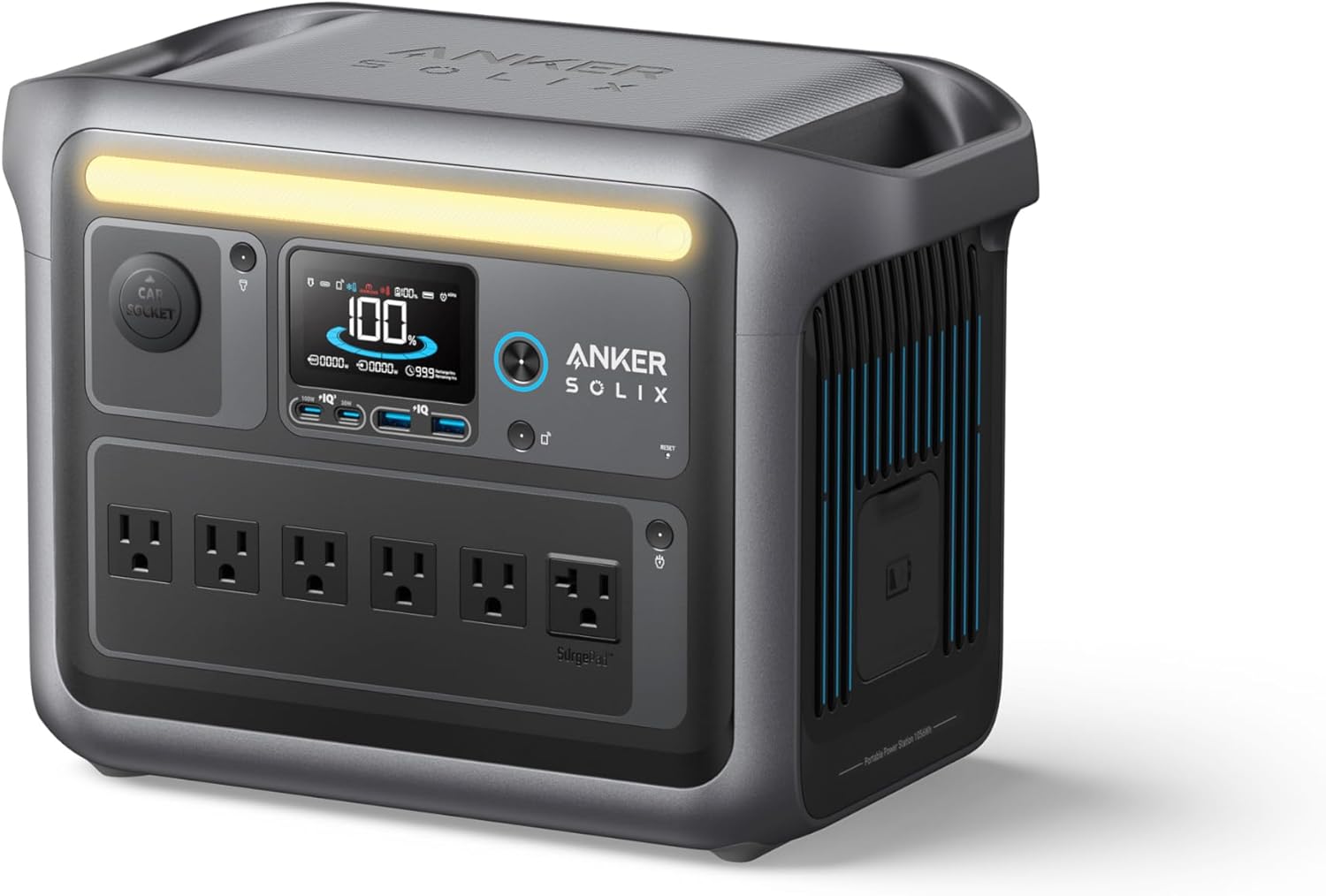
- Anker SOLIX C1000 (1,056Wh, $699)
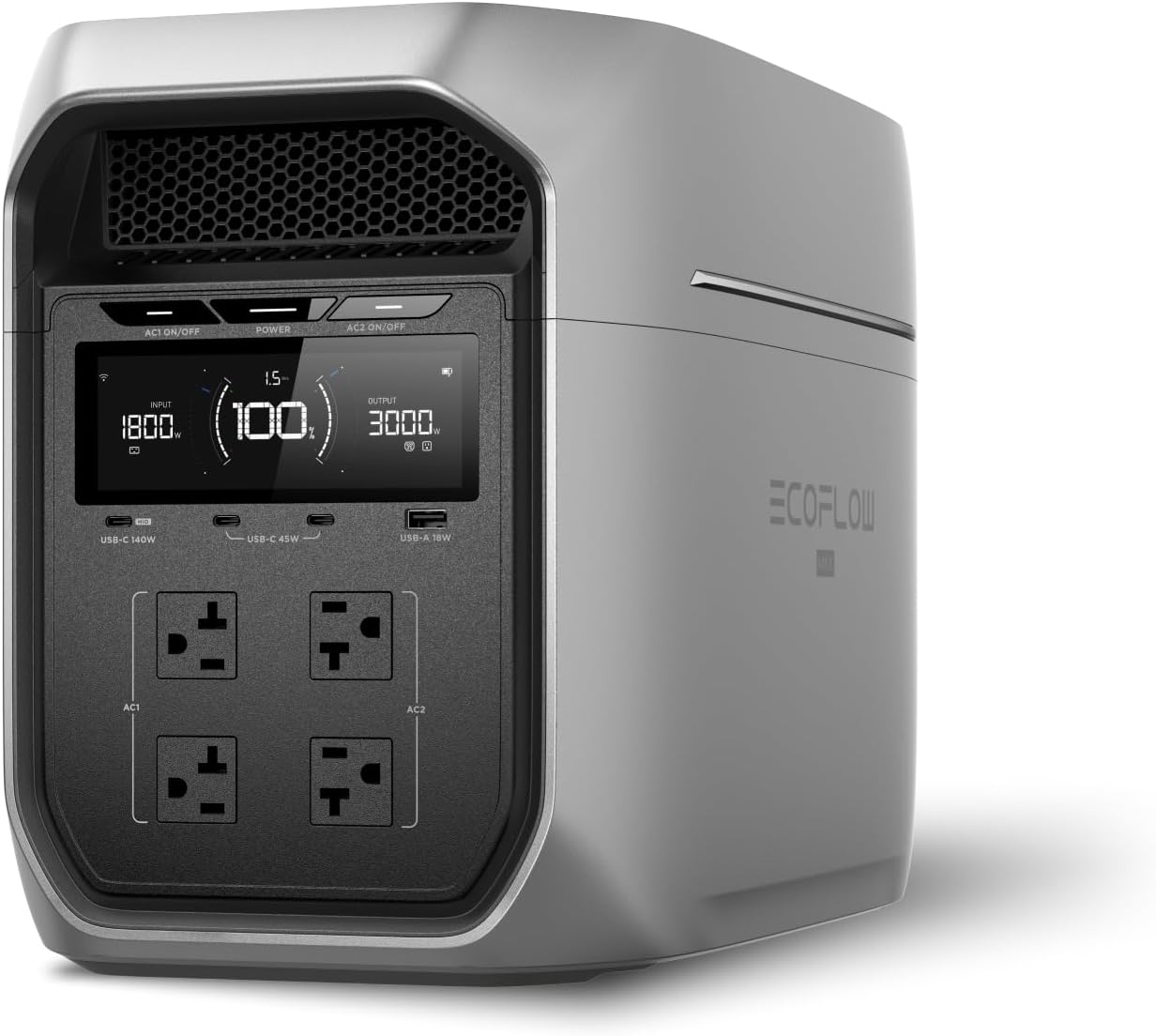
- EcoFlow DELTA 3 Plus (1,024Wh, $649)
For 24-48 hours (extended outage):
You need 2,000Wh+ capacity.
Good options:
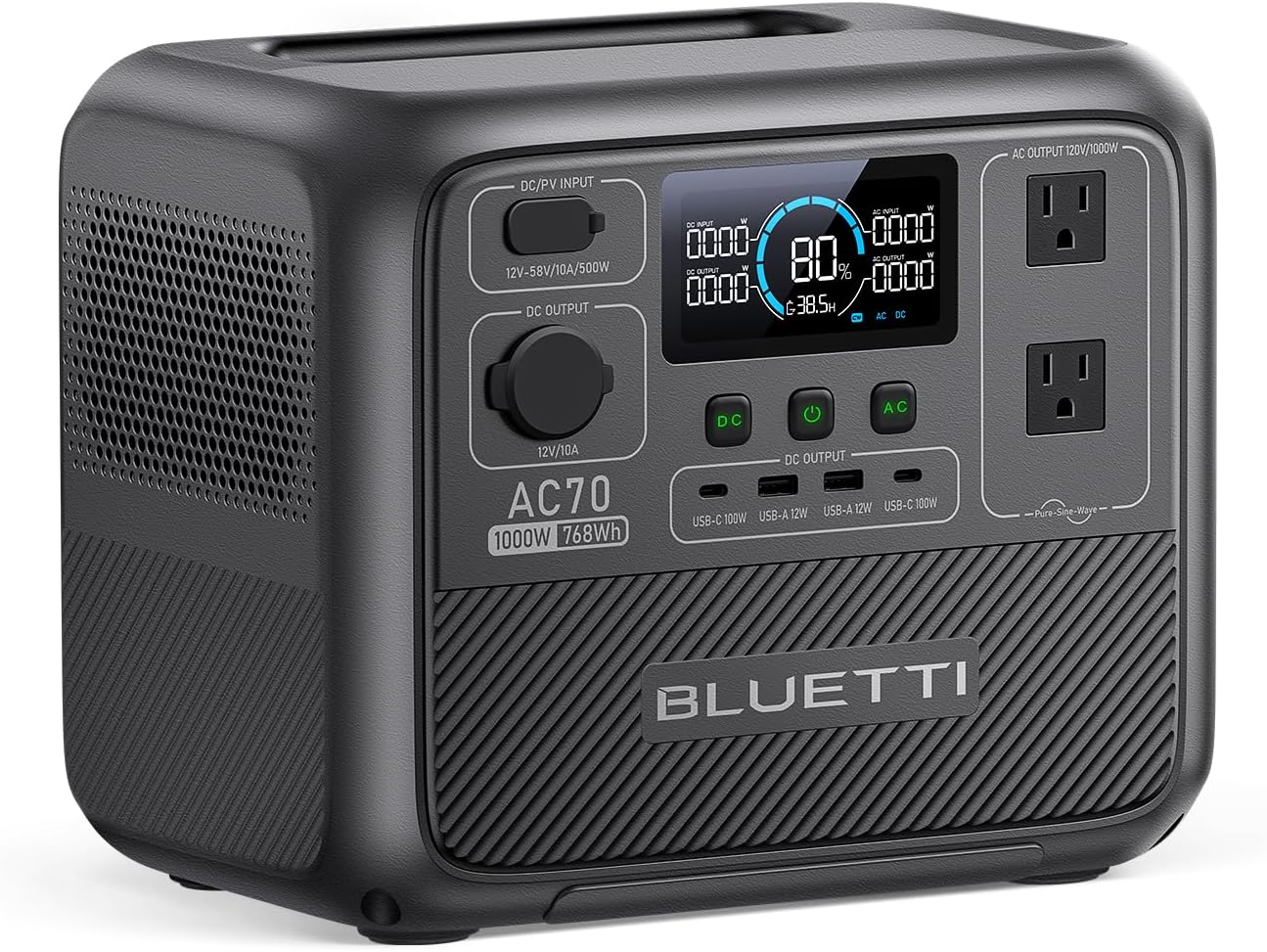
- Bluetti Elite 200 V2 (2,073Wh, $1,099)
- EcoFlow Delta 2 Max (2,048Wh, $1,699)
For 3+ days (major outage):
You need either a large expandable system or solar panels for daily recharging.
Good options:
- EcoFlow DELTA Pro 3 (4,096Wh, expandable to 48kWh)
- Jackery Explorer 2000 Plus (2,042Wh, expandable to 24kWh)
Surge Power Matters
When a fridge compressor starts, it draws 2-3x its normal wattage for a fraction of a second. A fridge that runs at 150W might surge to 400-500W on startup. Most power stations over 1,000W handle this fine, but check the surge rating.
Power stations with high surge ratings like the Goal Zero Yeti 1000X (3,000W surge) or EcoFlow Delta 2 (2,250W surge) handle compressor starts without breaking a sweat.
Tips to Maximize Runtime
-
Keep the door closed. Every time you open the door, warm air enters and the compressor has to work harder. Plan what you need before opening.
-
Fill empty space with water bottles. A full fridge retains cold better than an empty one. Fill gaps with water bottles or bags of ice.
-
Lower the temp beforehand. If you know a storm is coming, set your fridge to the coldest setting 24 hours before. Starting colder means it stays cold longer.
-
Unplug other devices. During an outage, dedicate your power station to the fridge. Every watt going to other devices is runtime taken from your food.
-
Use solar panels. 200-400W of solar panels can replenish 600-1,200Wh per sunny day — enough to offset most of a fridge’s daily draw.
What About a Chest Freezer?
Chest freezers are actually more efficient than upright fridges because cold air doesn’t fall out when you open them. A typical chest freezer uses 30-50W average (about 0.7-1.2 kWh/day).
A 1,000Wh power station can run a chest freezer for 20-30 hours. With solar panels, you could run it indefinitely.
The Bottom Line
Yes, a portable power station can absolutely run your fridge during an outage. A 1,000Wh unit handles 12-18 hours. A 2,000Wh unit gets you through 24-48 hours. Add solar panels to extend runtime indefinitely.
For the best value in fridge-ready home backup, we recommend the Bluetti Elite 200 V2 at $1,099 — enough capacity for 24+ hours with the longest-lasting battery on the market.
Recommended Power Stations
EcoFlow
EcoFlow DELTA 3 Plus
EcoFlow's newest mid-range flagship. The DELTA 3 Plus improves on the Delta 2 with faster charging, LiFePO4 chemistry, and UPS functionality — all at a lower price.
Frequently Asked Questions
Can a portable power station run a refrigerator?
Yes. A typical full-size refrigerator uses 50-80W on average (1.0-1.5 kWh per day). A 1,000Wh power station runs a fridge for 12-18 hours. A 2,000Wh station lasts 24-48 hours. Add solar panels to extend runtime indefinitely.
What size power station do I need for a refrigerator?
For a 12-24 hour outage, a 1,000Wh power station like the EcoFlow DELTA 3 Plus ($649) or Anker SOLIX C1000 ($699) is sufficient. For 24-48 hours, choose a 2,000Wh+ station like the Bluetti Elite 200 V2 ($1,099). For 3+ days, add solar panels or choose an expandable system.
How long will a 1000Wh power station run a fridge?
A 1,000Wh power station runs a typical full-size refrigerator for 12-18 hours. The exact runtime depends on the fridge's efficiency, room temperature, how often the door is opened, and how full the fridge is. Newer, more efficient fridges will run longer.
Ready to Buy? Here's What We Recommend
Based on our testing and this guide, these are the best options for most people: