⚡ The Power Pick

Best Power Stations for Home Backup 2026

Power outages are becoming more frequent due to extreme weather, aging infrastructure, and grid strain. A high-capacity power station gives you peace of mind by keeping your refrigerator running, your medical devices powered, and your family connected when the grid goes down. Unlike gas generators, these battery-powered units are silent, produce zero emissions, and can be used safely indoors. We have tested the top home backup power stations of 2026 to help you find the right balance of capacity, output, and expandability.

What to Look For in a Home Backup Power Station

Capacity (2,000Wh+)

Home backup demands serious capacity. A 2,000Wh unit can run a refrigerator for 24-40 hours, while a 4,000Wh+ station can power essential circuits for days. Calculate your critical loads first, then add a 20% buffer. If you need more, look for expandable systems that can grow to 10,000Wh or beyond.

Output Wattage

Your station's continuous output must exceed the combined draw of everything you plan to run simultaneously. A fridge (150W), router (15W), LED lights (50W), and phone charger (20W) total about 235W, but the fridge's compressor startup surge can hit 800W. Aim for at least 2,000W continuous with a high surge rating.

UPS / Transfer Switch Capability

The best home backup stations include UPS (uninterruptible power supply) functionality that automatically switches to battery power in under 20 milliseconds when the grid drops. This keeps sensitive electronics like computers and routers running without interruption. Some models can even integrate with your home's transfer switch panel.

Expandability

Expandable systems let you add extra battery modules as your needs grow. The EcoFlow DELTA Pro 3 can expand from 4kWh to 48kWh, while the Jackery Explorer 2000 Plus scales to 24kWh. This modular approach means you do not have to buy the biggest unit upfront. Start with a base station and add capacity over time.

Charge Speed

When a storm is approaching and you need to top off your station fast, charge speed matters. The best home backup units charge from 0 to 80% in under 90 minutes via wall outlet. Solar charging capability adds a secondary recharge path during extended outages when the grid is down but the sun is out.

Our Top Picks for Home Backup

#1 Best Overall for Home Backup

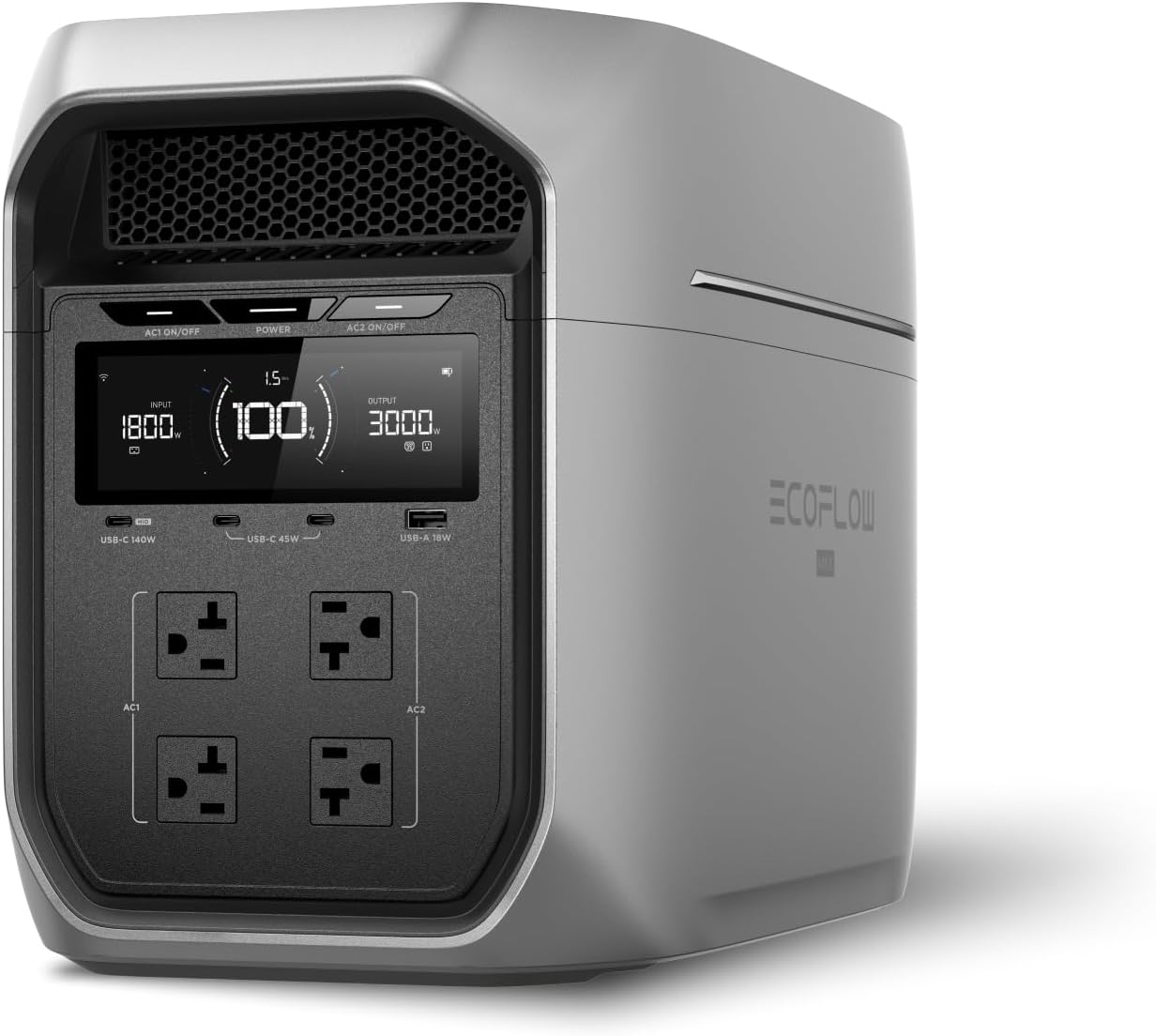
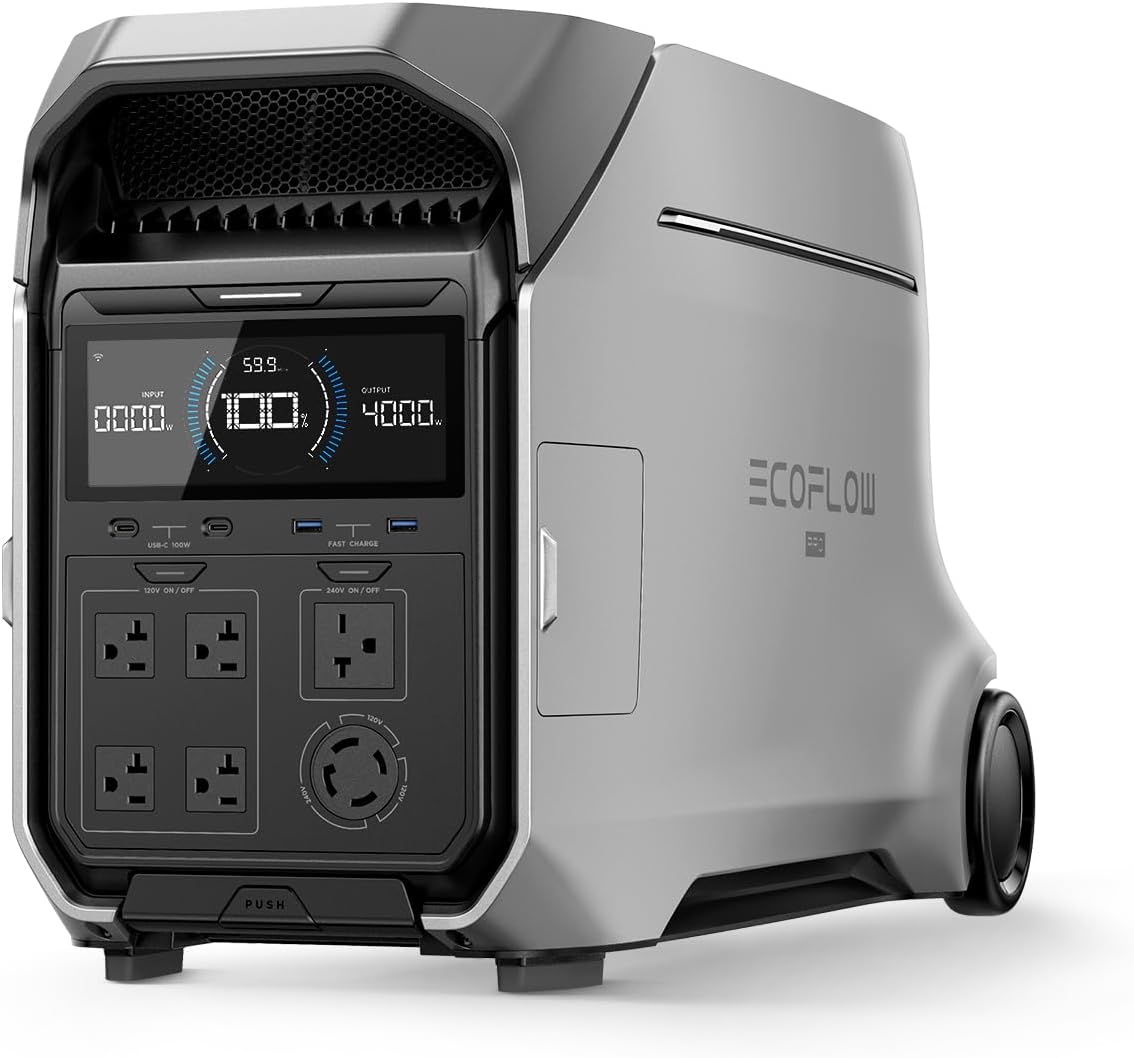
EcoFlow DELTA Pro 3

EcoFlow · $1999 · 4.8/5

The ultimate home backup power station. The DELTA Pro 3 can power your entire home during an outage and expand to a massive 48kWh with additional batteries.

Read full review →
#2 Runner Up

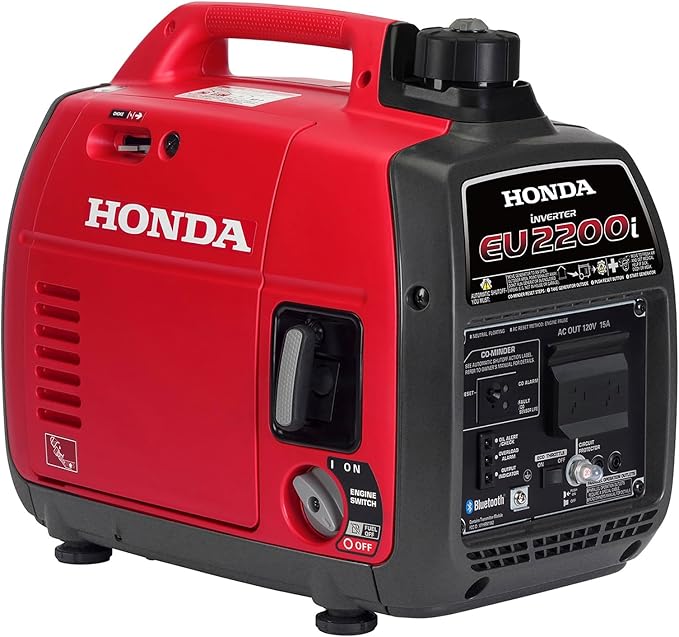
Honda EU2200i

Honda · $1149 · 4.8/5

The gold standard in portable inverter generators. Honda's legendary reliability, whisper-quiet 48 dB operation, and clean sine wave output make it the top choice for camping and home backup.

Read full review →
#3 Best Value

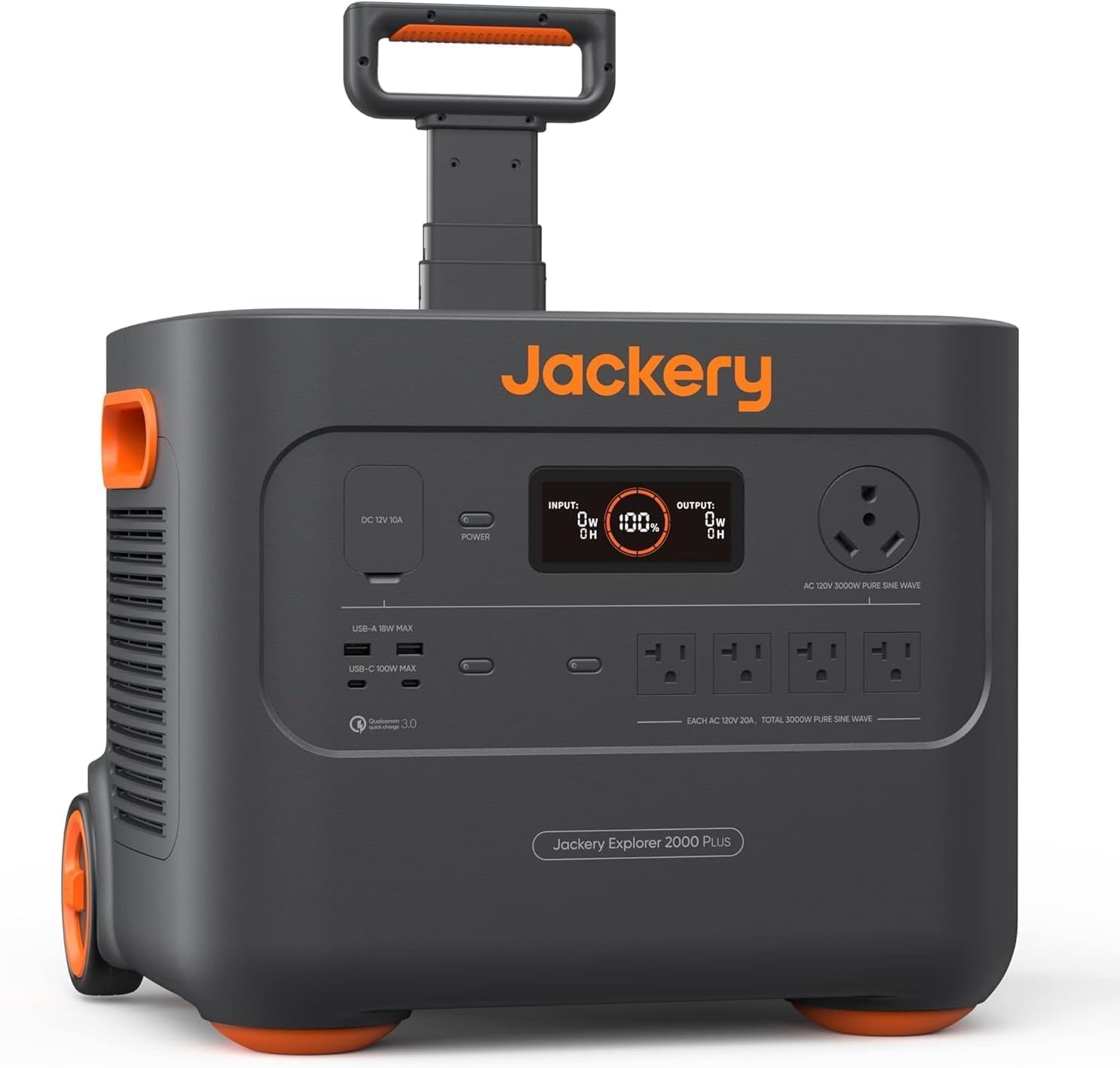
Jackery Explorer 2000 Plus

Jackery · $1999 · 4.7/5

Jackery's flagship expandable power station. With 2kWh base capacity expandable to 24kWh, it's a serious home backup solution that can also handle RV and off-grid living.

Read full review →

All Products for Home Backup

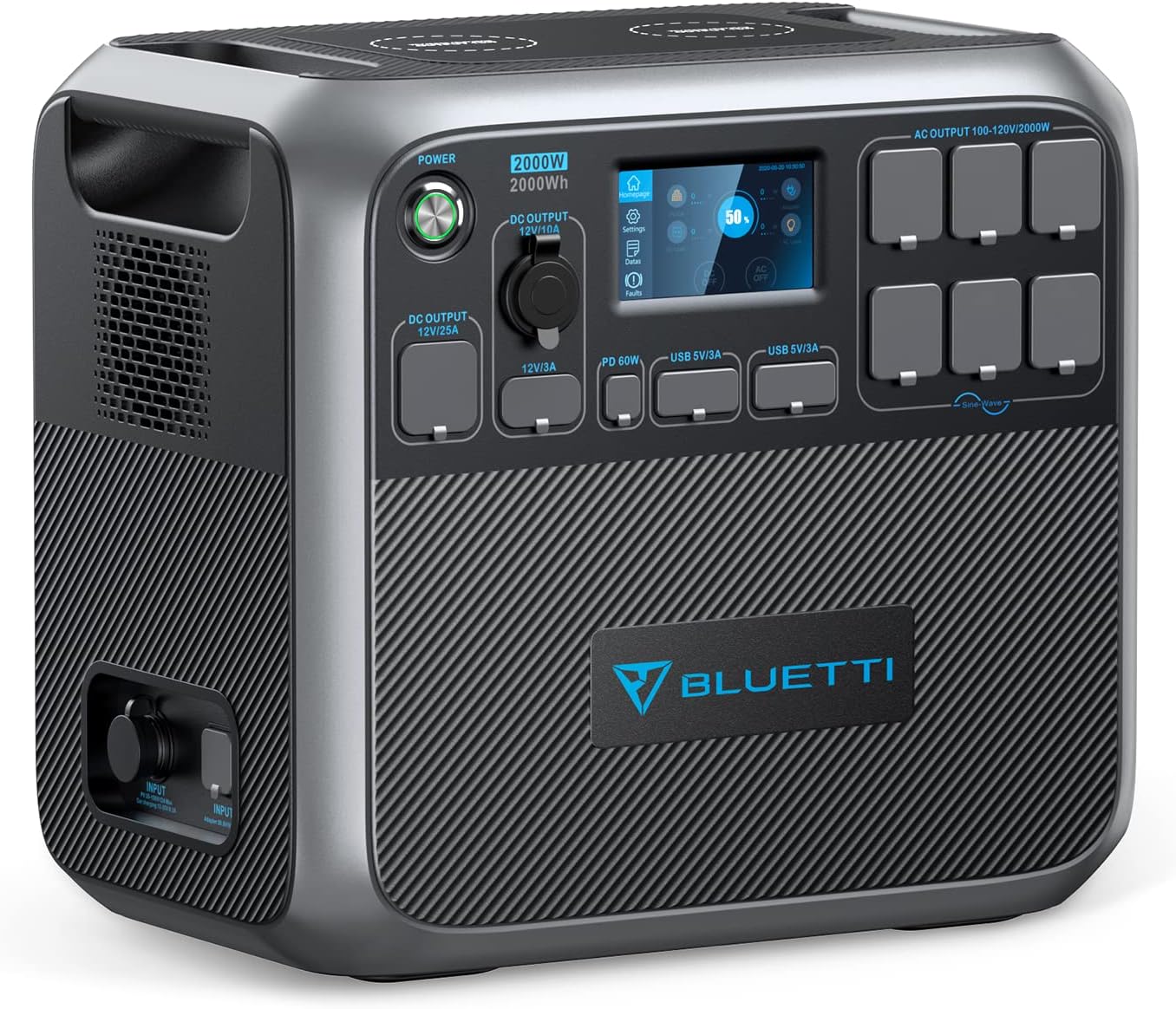
Bluetti AC200P

Bluetti

Bluetti AC200P

$1299
4.3

A budget-friendly 2kWh workhorse. The AC200P packs tons of ports and solid output power at a price point well below competitors with similar capacity.

Capacity

2000Wh

Output

2000W

Weight

60.6 lbs

Bluetti AC500

Bluetti

Bluetti AC500

$2599
4.5

The most powerful modular power station available. The AC500 inverter pairs with up to six B300S batteries for whole-home backup without permanent installation.

Capacity

3072Wh

Output

5000W

Weight

66.2 lbs

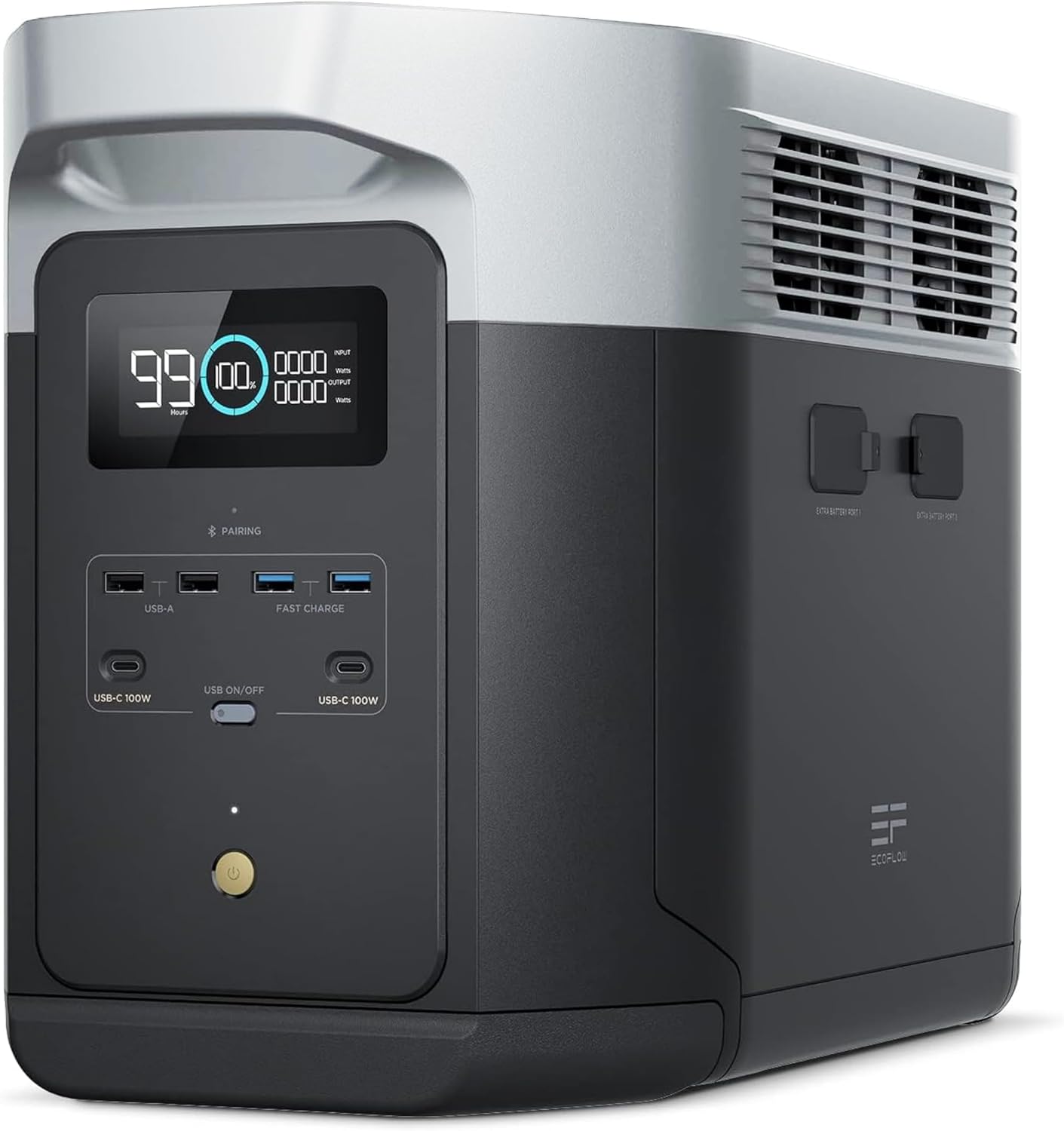
EcoFlow Delta 2 Max
$1699
4.5

The big brother of the Delta 2, doubling the capacity with LiFePO4 longevity. Expandable to 6kWh and capable of integrating with home circuits for seamless backup power.

Capacity

2048Wh

Output

2400W

Weight

50.7 lbs

EcoFlow DELTA 3 Plus
$649
4.7

EcoFlow's newest mid-range flagship. The DELTA 3 Plus improves on the Delta 2 with faster charging, LiFePO4 chemistry, and UPS functionality — all at a lower price.

Capacity

1024Wh

Output

1800W

Weight

27.6 lbs

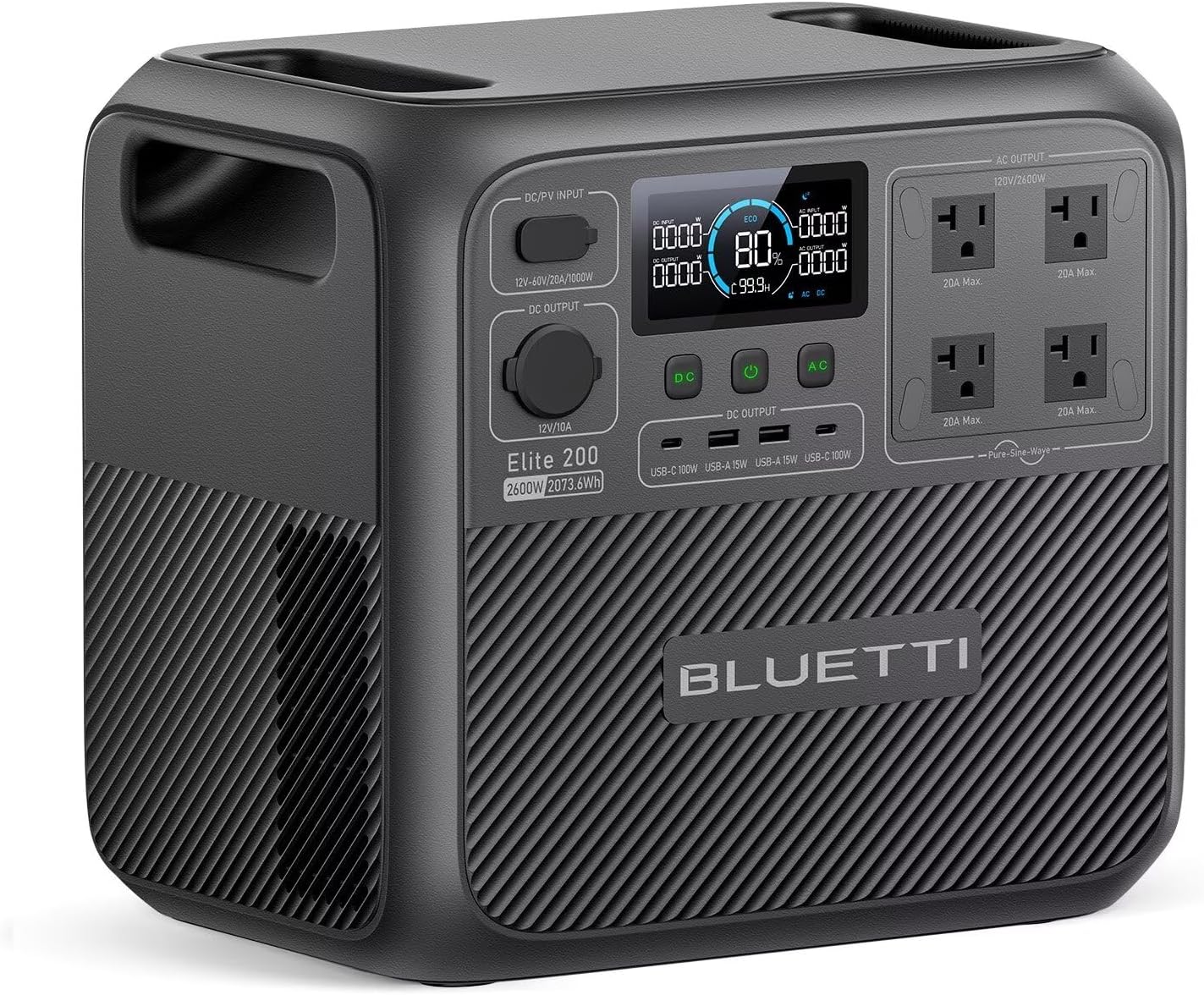
Bluetti Elite 200 V2
$1099
4.6

Bluetti's 2025 flagship with the longest-lasting battery in the industry at 6,000+ cycles. The Elite 200 V2 combines massive capacity with fast charging and high output.

Capacity

2073Wh

Output

2600W

Weight

53.4 lbs

Honda EU2200i
$1149
4.8

The gold standard in portable inverter generators. Honda's legendary reliability, whisper-quiet 48 dB operation, and clean sine wave output make it the top choice for camping and home backup.

Watts

1800W

Weight

46.5 lbs

Noise

48dB

Jackery Explorer 2000 v2
4.5

Jackery's quietest and most efficient 2kWh power station. The v2 rebuild swaps to LiFePO4, cuts weight significantly, and adds UPS functionality — all at a lower price than the 2000 Plus.

Capacity

2042Wh

Output

2200W

Weight

39.5 lbs

Frequently Asked Questions

Can a power station power my whole house?

Not typically. A whole house draws 5,000-10,000W or more, which exceeds the output of most portable power stations. However, a high-capacity station like the EcoFlow DELTA Pro 3 (4,000W output, expandable to 48kWh) can power essential circuits: your fridge, a few lights, a router, phone chargers, and medical devices for 1-3 days. The key is prioritizing essentials rather than trying to run everything. For whole-home backup, you would need a standby generator or a home battery system like Tesla Powerwall.

How long will a power station run my fridge?

A typical refrigerator draws 100-200W when the compressor is running but cycles on and off, averaging about 50-80W per hour. A 2,000Wh station will keep your fridge running for roughly 25-40 hours. A 4,000Wh station like the DELTA Pro 3 could last 50-80 hours. Actual runtime depends on your fridge model, ambient temperature, how often the door is opened, and whether the station is also powering other devices.

Power station vs whole-home generator: which is better?

Each has its place. Power stations are silent, emissions-free, maintenance-free, and safe indoors. They excel for short-to-medium outages (1-3 days) and can recharge via solar panels. Whole-home generators (natural gas or propane) can run indefinitely with fuel and power your entire house, but they cost $5,000-$15,000 installed, require regular maintenance, and produce noise and emissions. Many homeowners now use both: a power station for common short outages and a generator for extended multi-day events.

Get the best power station deals in your inbox

Weekly picks, price drops, and new reviews — no spam, unsubscribe anytime.