Jackery
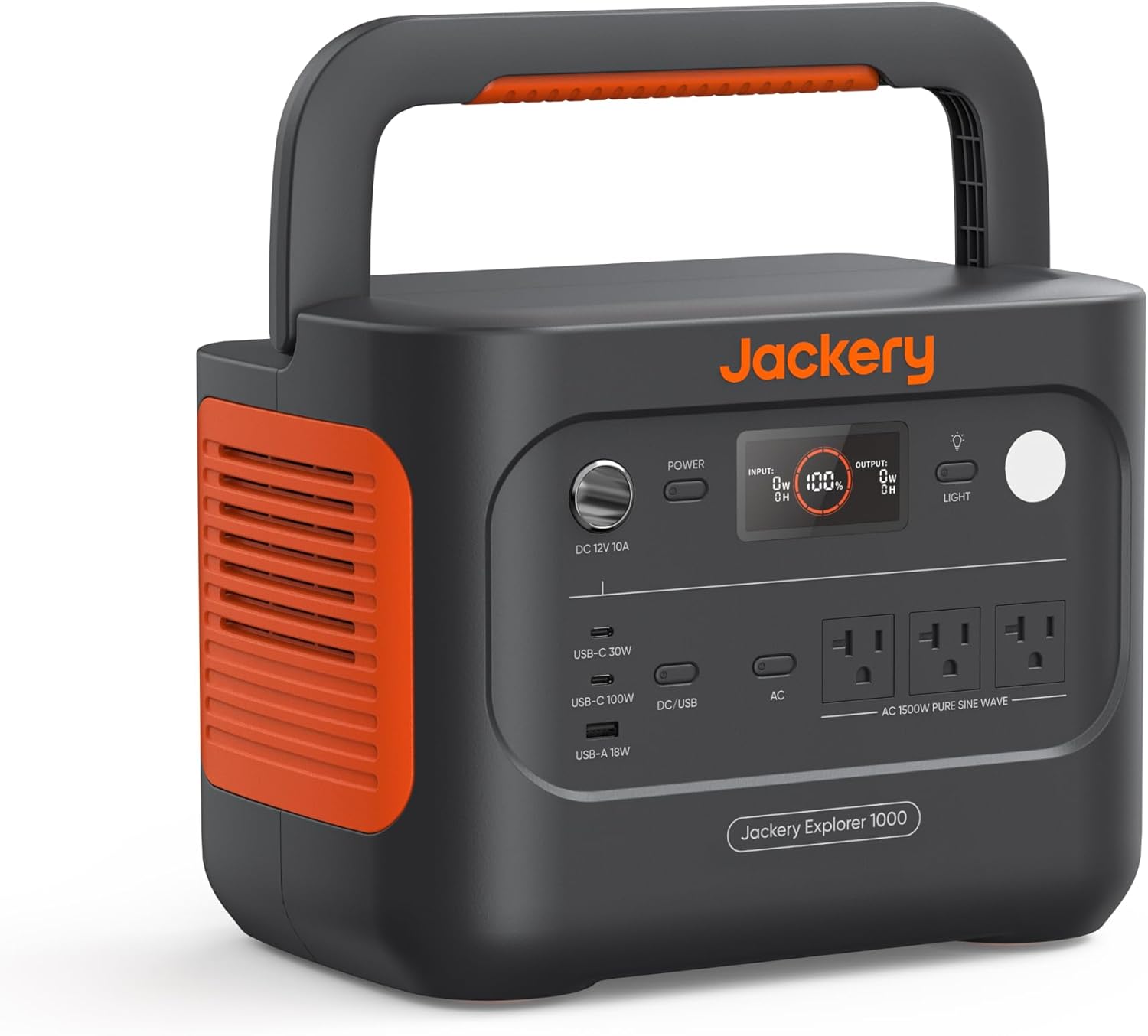
Jackery Explorer 1000 v2
4.5
A reliable, well-rounded power station ideal for camping trips and emergency backup. Fast charging and a lightweight design make it easy to grab and go.
Capacity
1070Wh
Output
1500W
Weight
22 lbs
Hurricanes, ice storms, heat waves, and wildfires are making emergency power a necessity, not a luxury. A reliable power station keeps your family's essentials running when the grid goes down: your phone to call for help, your fridge to preserve food, your medical devices for health and safety, and your lights to navigate the dark. The best emergency power stations charge fast so you can grab them and go, switch to battery power automatically when the grid drops, and recharge via solar when wall power is unavailable. Here are the top options we trust to deliver when it matters most.
When a storm warning drops, you need a station that can charge quickly. The best emergency stations go from 0 to 80% in under an hour, giving you thousands of watt-hours of backup power with minimal notice. Look for models with 1,000W+ AC input charging that can reach a usable charge level in the time it takes to fill sandbags.
Emergency power is not the place to gamble on an unproven brand. Stick with manufacturers that have years of customer data, strong warranty support, and a proven track record of delivering on their specs. Brands like EcoFlow, Jackery, Bluetti, and Anker have millions of units in the field and well-established service networks.
A UPS (uninterruptible power supply) mode automatically switches to battery power within 10-20 milliseconds when the grid drops. This keeps your internet router, security cameras, and medical devices running without any interruption. Plug critical devices into the station and leave it connected to wall power for always-on protection.
Extended outages can last days or even weeks. Solar charging lets you recharge your station even when the grid is completely down. A 200W solar panel can add 600-1,000Wh per day of sunlight, enough to sustain your essential devices indefinitely. Consider buying a solar panel bundle so you are prepared before disaster strikes.
Calculate your critical load: a fridge (~60W average), LED lights (~30W), phone chargers (~20W), Wi-Fi router (~15W), and a CPAP machine (~30W) total about 155W. A 1,000Wh station would run these essentials for roughly 6 hours, while a 2,000Wh station buys you 12+ hours. Size your station to cover at least 24 hours of essential use.
EcoFlow · $1999 · 4.8/5
The ultimate home backup power station. The DELTA Pro 3 can power your entire home during an outage and expand to a massive 48kWh with additional batteries.
Read full review →Honda · $1149 · 4.8/5
The gold standard in portable inverter generators. Honda's legendary reliability, whisper-quiet 48 dB operation, and clean sine wave output make it the top choice for camping and home backup.
Read full review →Jackery · $1999 · 4.7/5
Jackery's flagship expandable power station. With 2kWh base capacity expandable to 24kWh, it's a serious home backup solution that can also handle RV and off-grid living.
Read full review → Jackery
A reliable, well-rounded power station ideal for camping trips and emergency backup. Fast charging and a lightweight design make it easy to grab and go.
Capacity
1070Wh
Output
1500W
Weight
22 lbs
Jackery
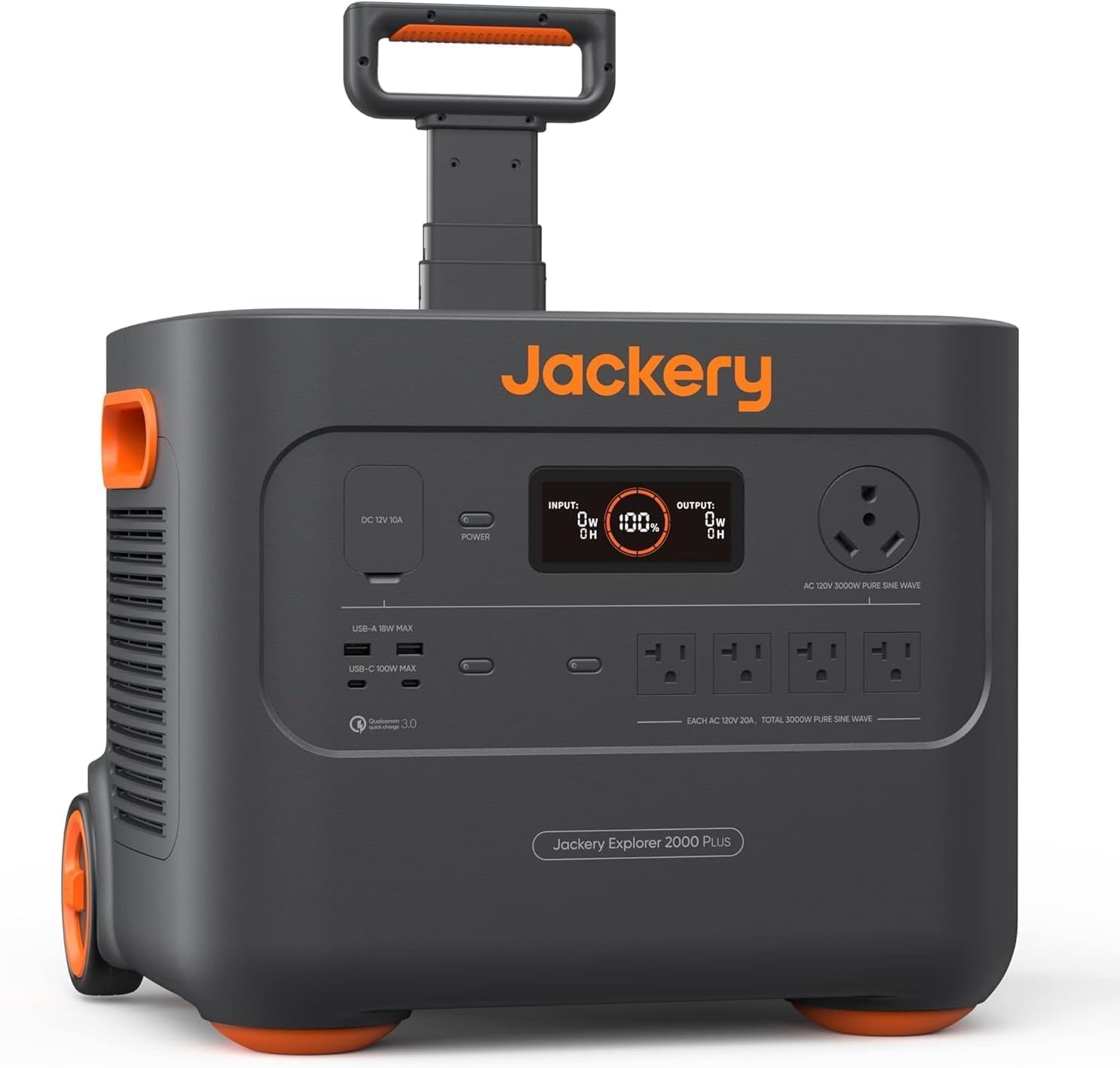
Jackery's flagship expandable power station. With 2kWh base capacity expandable to 24kWh, it's a serious home backup solution that can also handle RV and off-grid living.
Capacity
2042Wh
Output
3000W
Weight
61.5 lbs
Bluetti
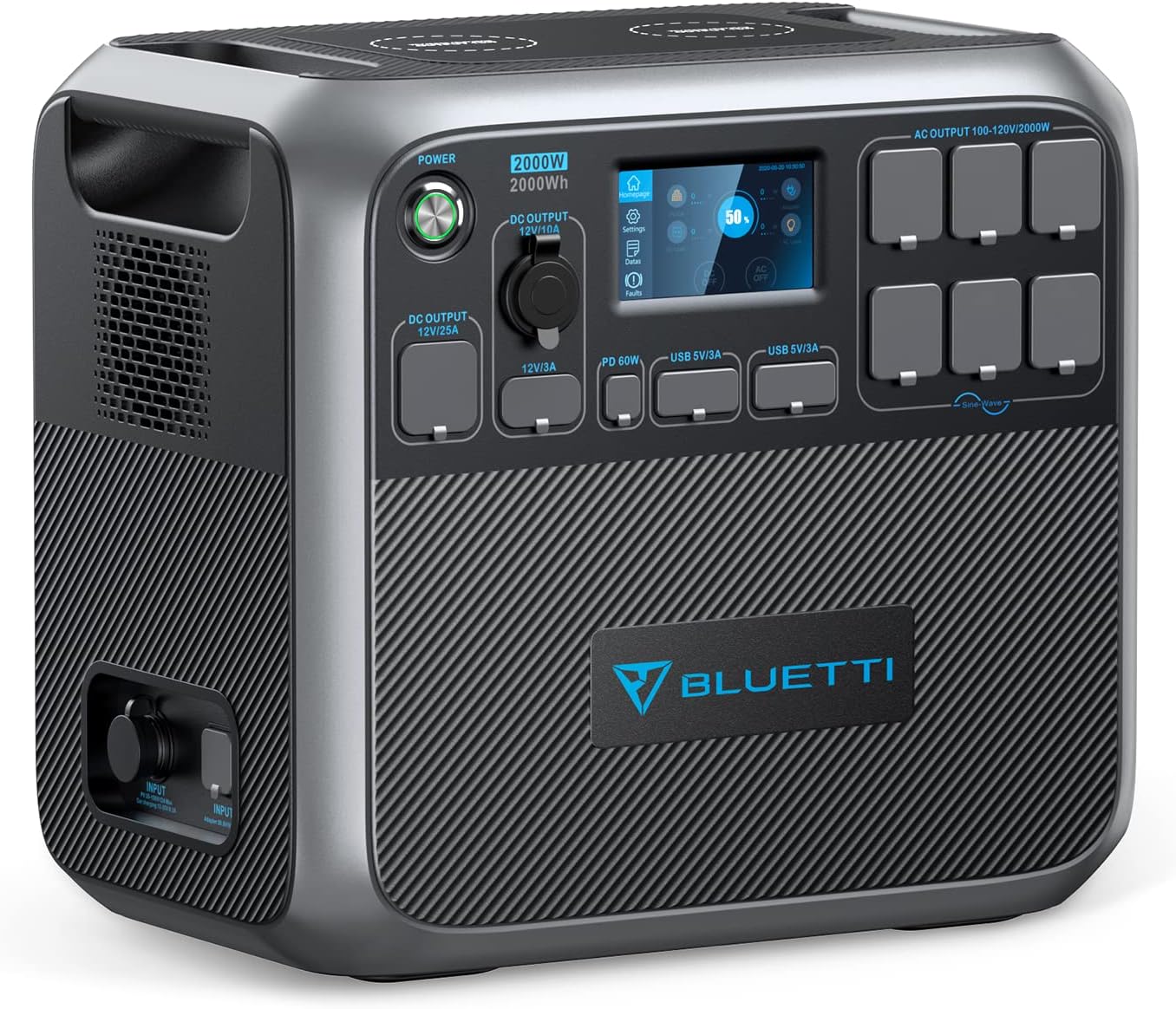
A budget-friendly 2kWh workhorse. The AC200P packs tons of ports and solid output power at a price point well below competitors with similar capacity.
Capacity
2000Wh
Output
2000W
Weight
60.6 lbs

Bluetti
The most powerful modular power station available. The AC500 inverter pairs with up to six B300S batteries for whole-home backup without permanent installation.
Capacity
3072Wh
Output
5000W
Weight
66.2 lbs
Bluetti
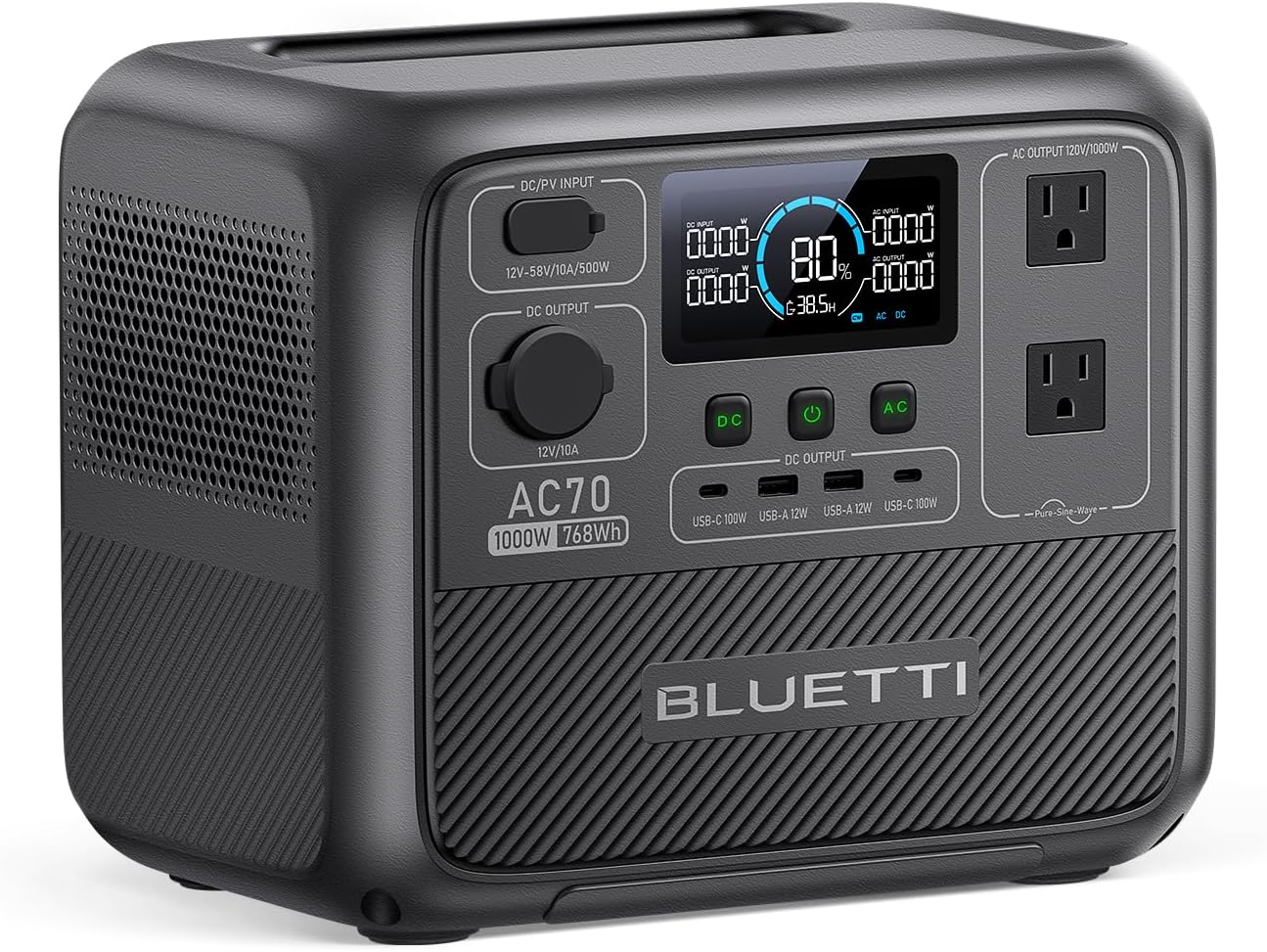
A compact and affordable LiFePO4 power station with blazing-fast charging. The Power Lifting feature lets it punch above its weight class for high-draw appliances.
Capacity
768Wh
Output
1000W
Weight
22.5 lbs
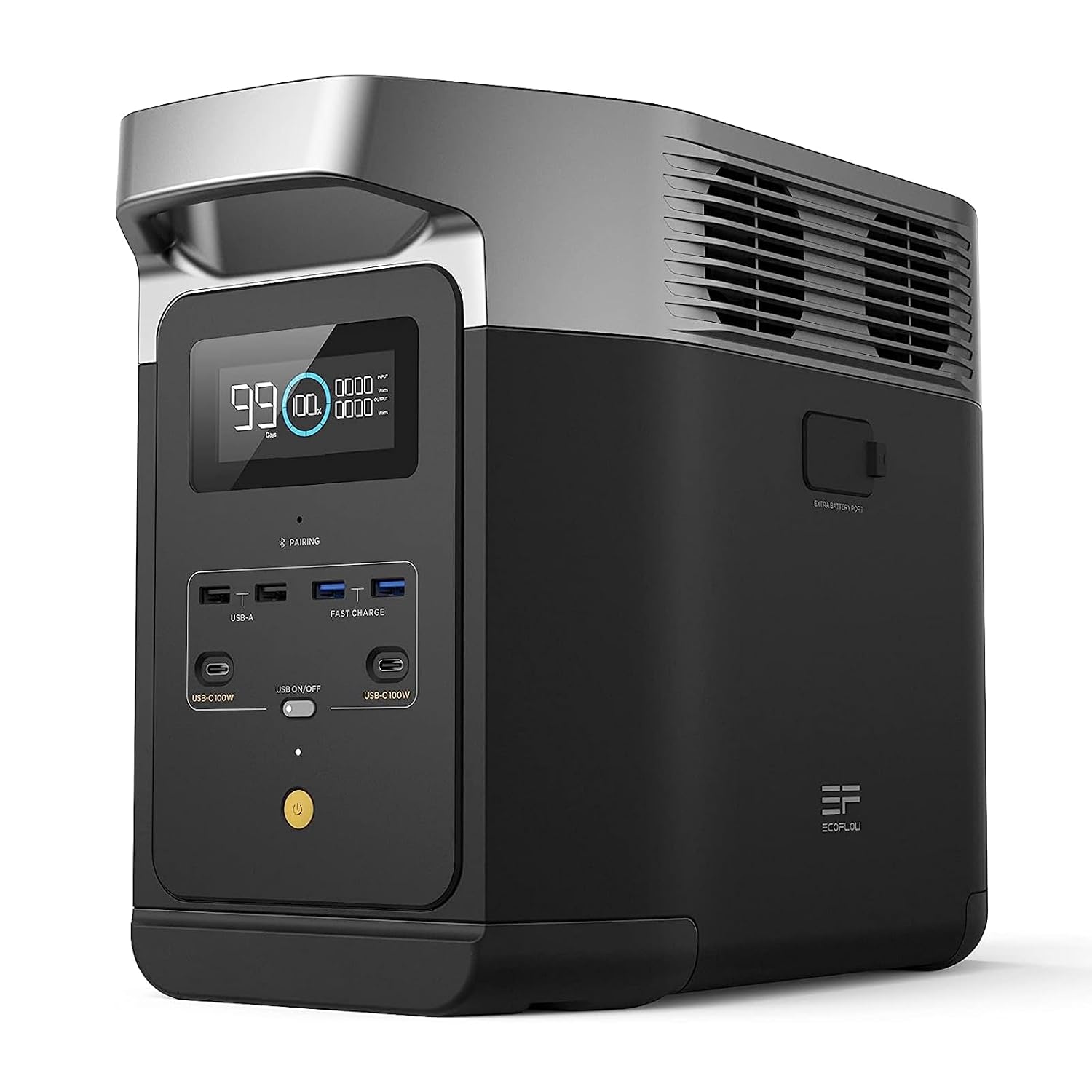
EcoFlow
EcoFlow's versatile mid-range station with industry-leading charging speed and expandable capacity. X-Boost technology lets it power appliances beyond its rated wattage.
Capacity
1024Wh
Output
1500W
Weight
27 lbs
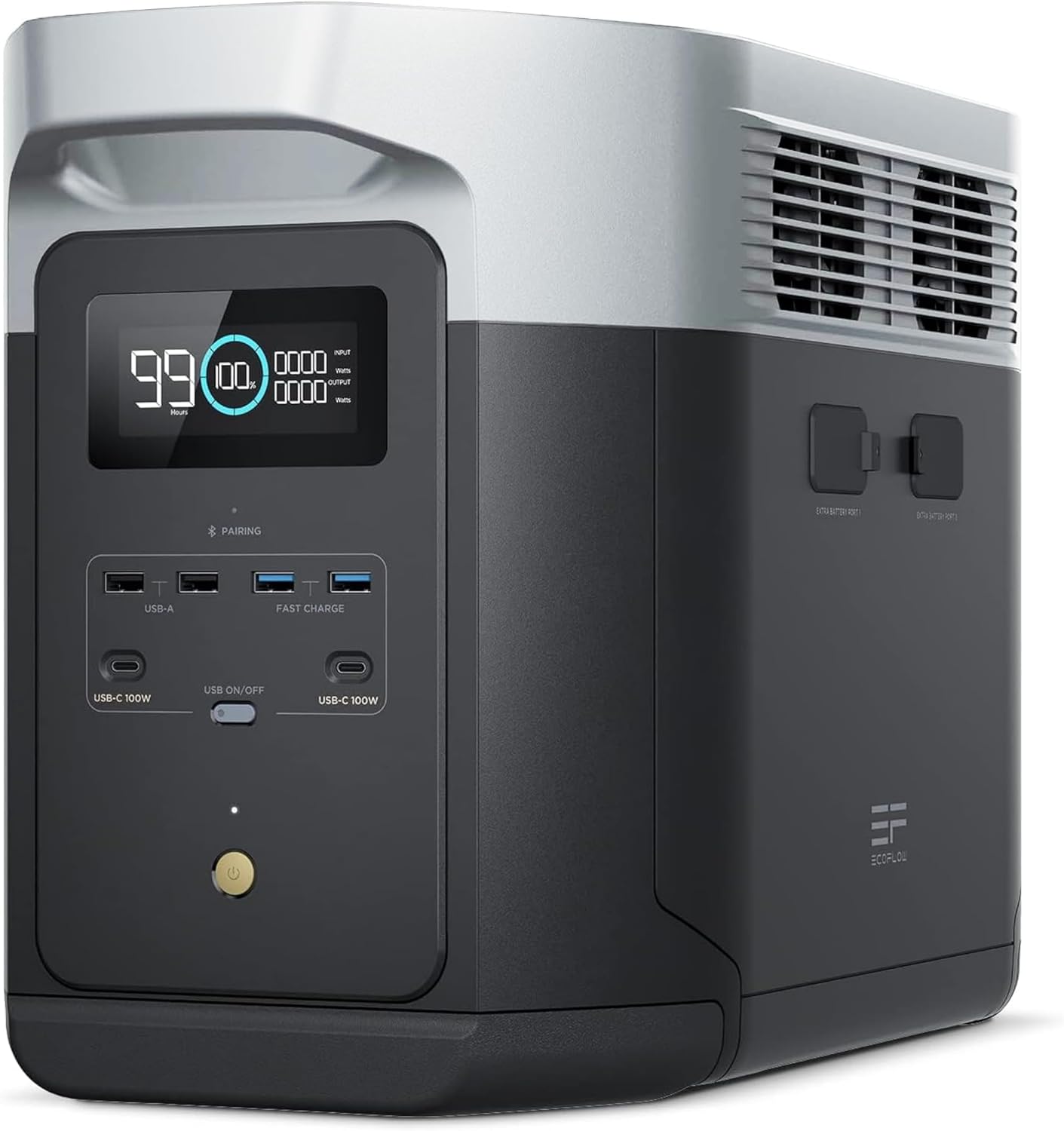
EcoFlow
The big brother of the Delta 2, doubling the capacity with LiFePO4 longevity. Expandable to 6kWh and capable of integrating with home circuits for seamless backup power.
Capacity
2048Wh
Output
2400W
Weight
50.7 lbs
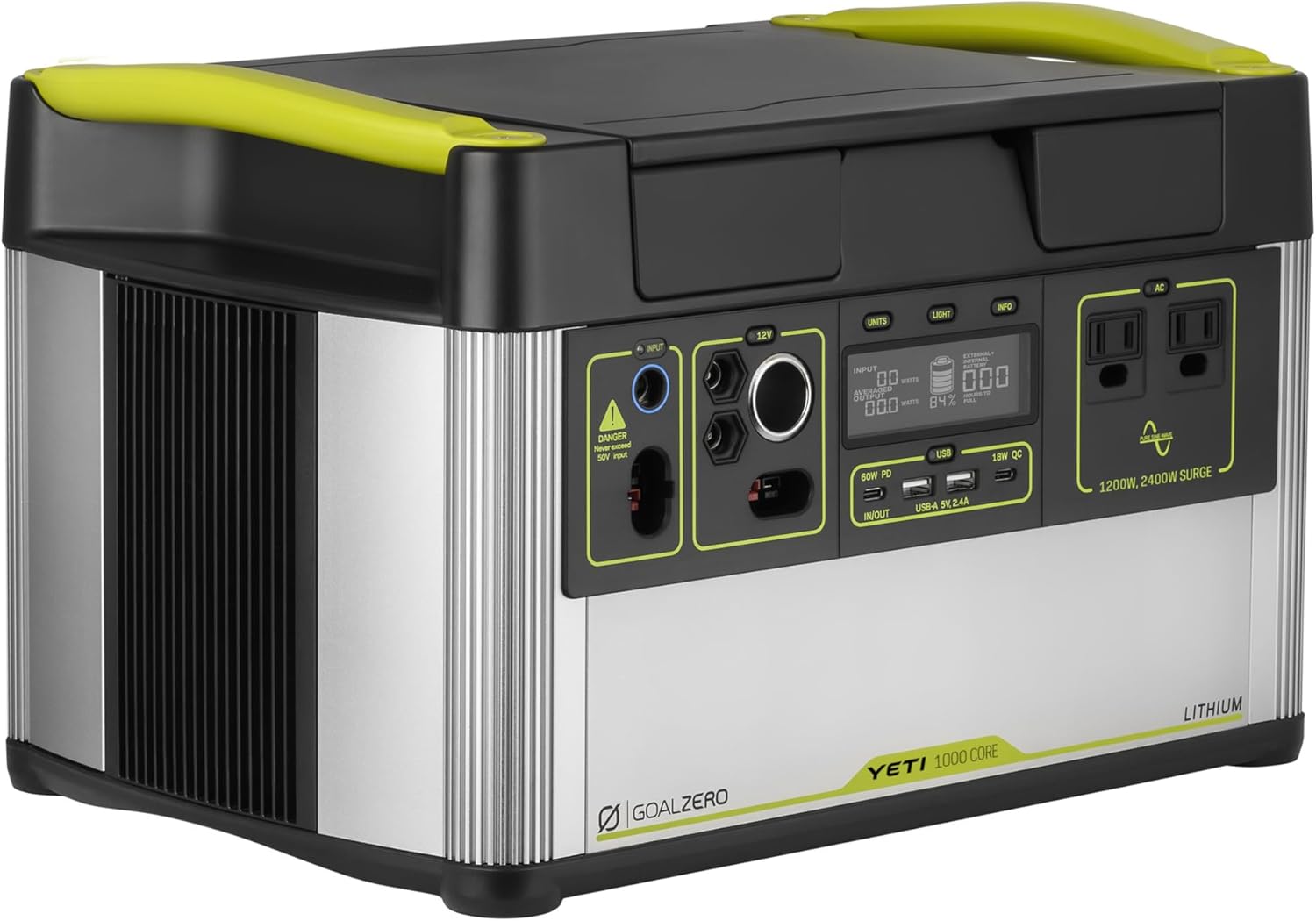
Goal Zero
A premium power station from the brand that pioneered portable solar. Excellent build quality but lags behind newer competitors on charging speed and price-to-performance.
Capacity
983Wh
Output
1500W
Weight
31.7 lbs
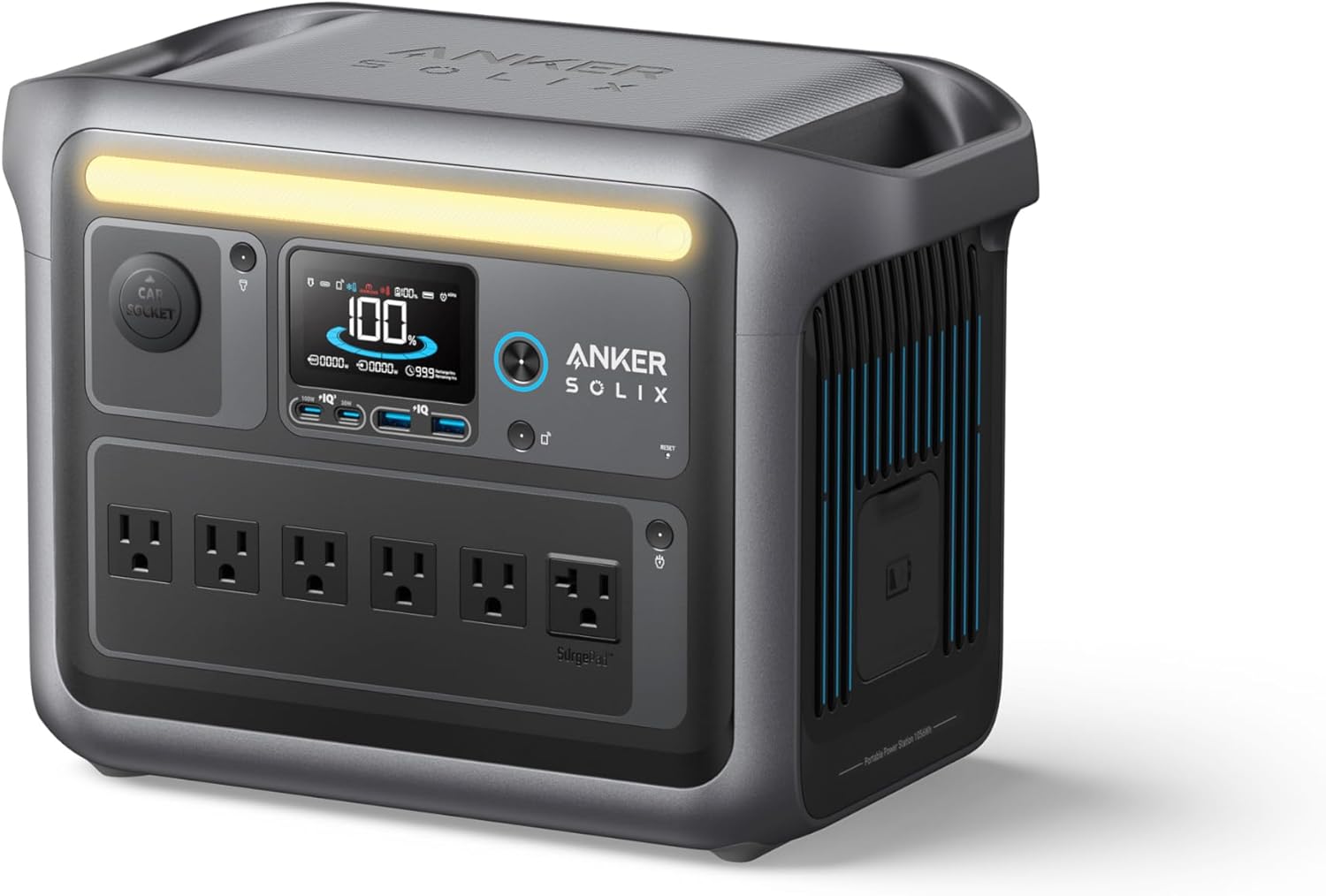
Anker
The best value in the 1000Wh class. Anker brings its charging expertise with a sub-1-hour charge time, LiFePO4 longevity, and an aggressive price that undercuts all competitors.
Capacity
1056Wh
Output
1800W
Weight
26.9 lbs
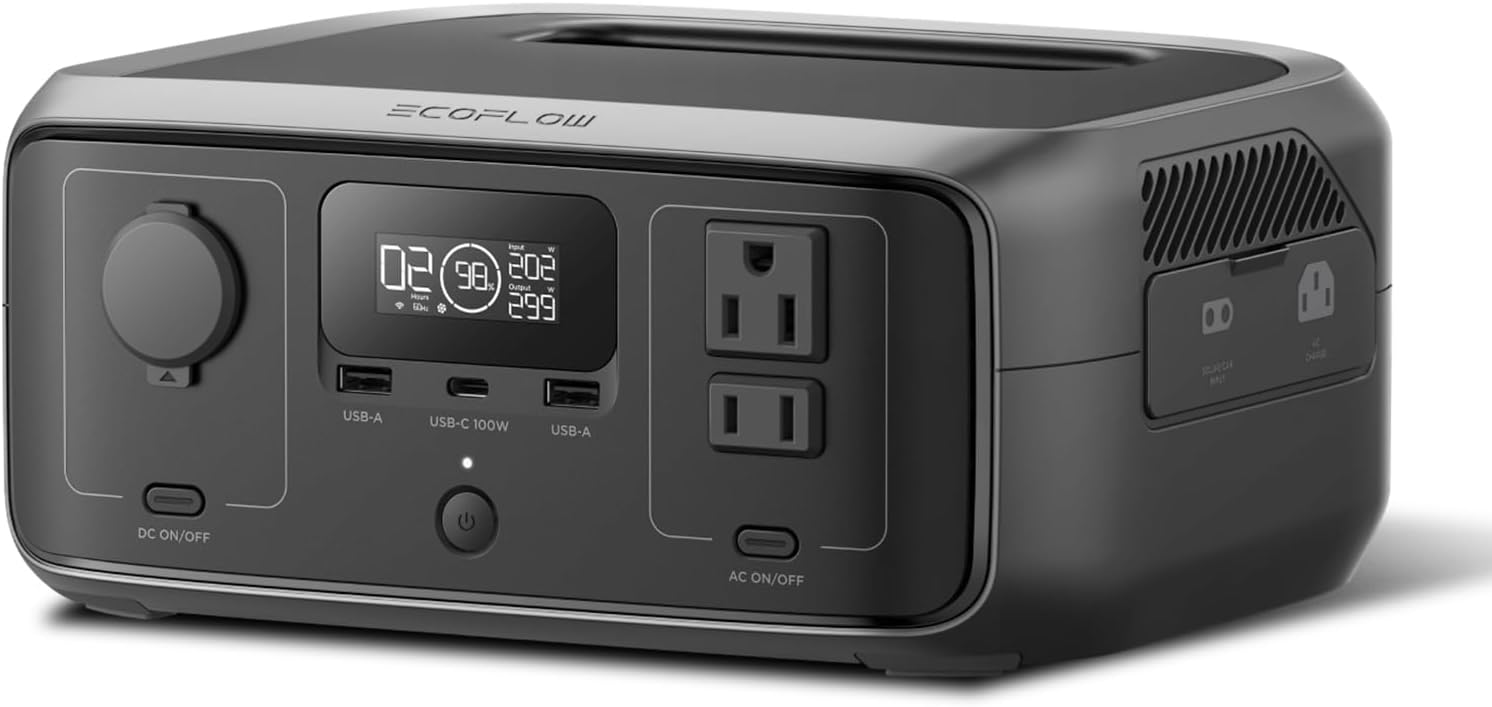
EcoFlow
EcoFlow's most portable power station. At under 8 lbs with a 1-hour charge time, the RIVER 3 is perfect for day trips, phone and laptop charging, and lightweight camping.
Capacity
245Wh
Output
300W
Weight
7.8 lbs
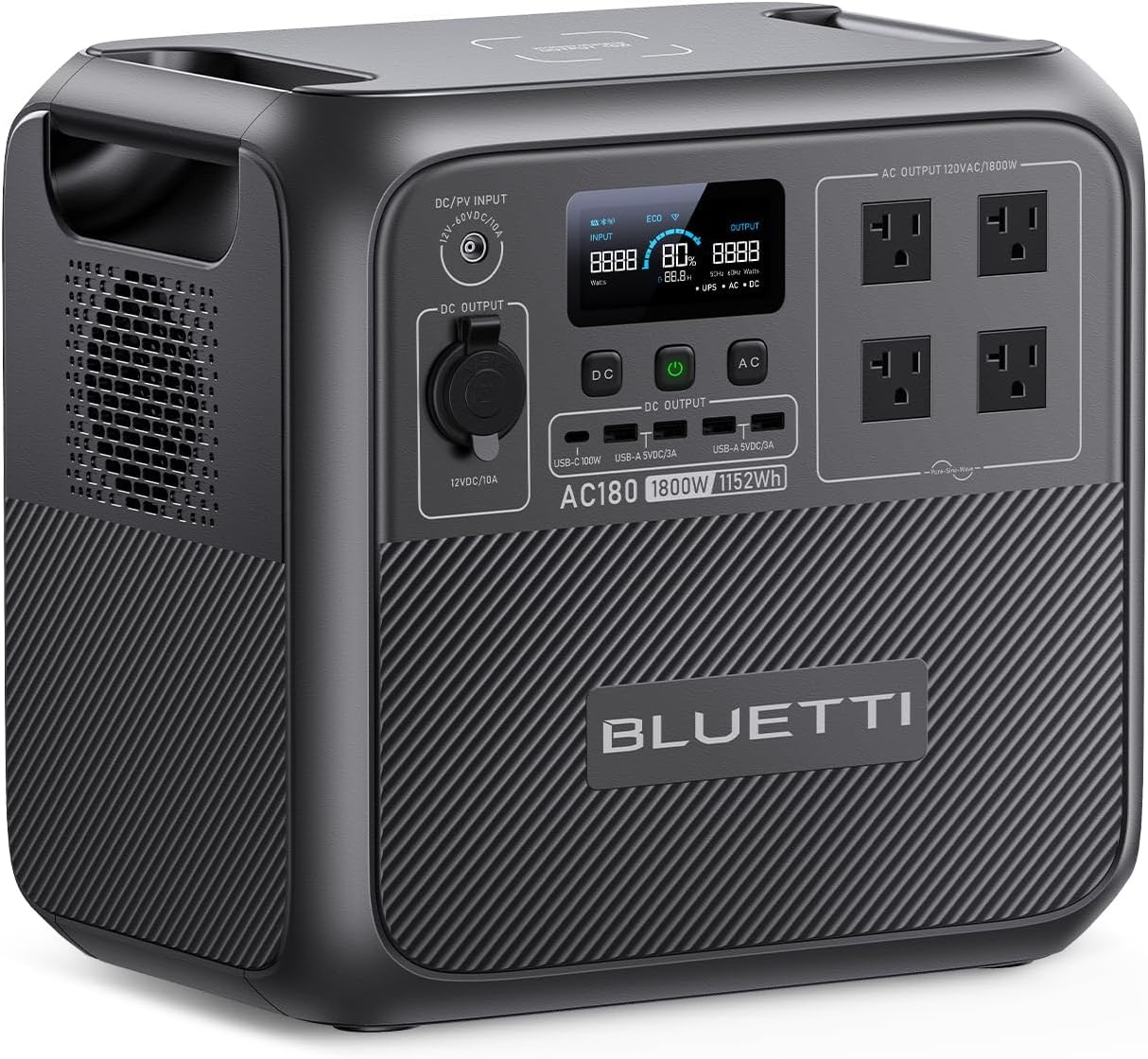
Bluetti
Bluetti's mid-range workhorse with 1,152Wh of LiFePO4 power. The wireless charging pad and Power Lifting mode set it apart from similarly priced competitors.
Capacity
1152Wh
Output
1800W
Weight
35.3 lbs
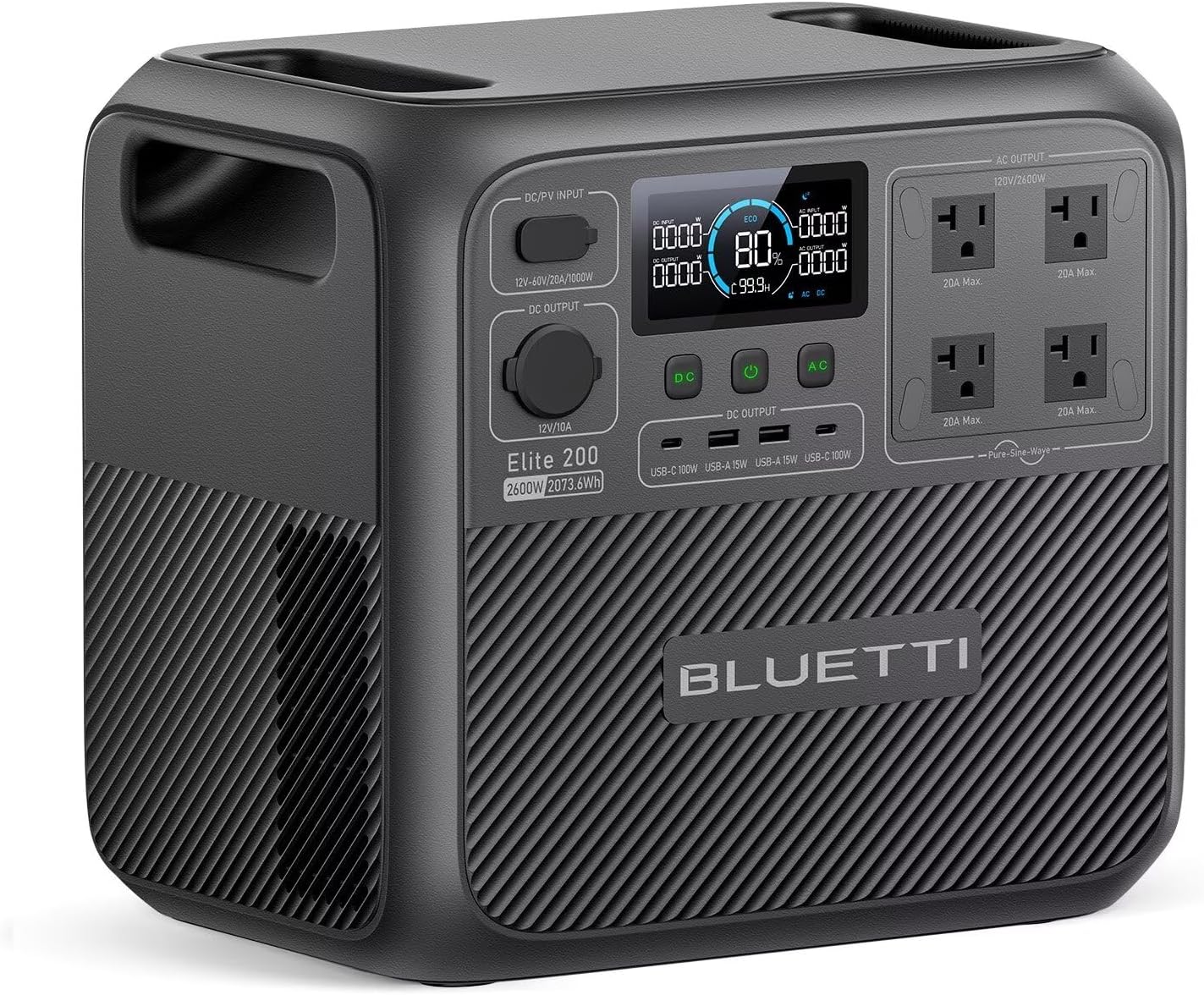
Bluetti
Bluetti's 2025 flagship with the longest-lasting battery in the industry at 6,000+ cycles. The Elite 200 V2 combines massive capacity with fast charging and high output.
Capacity
2073Wh
Output
2600W
Weight
53.4 lbs
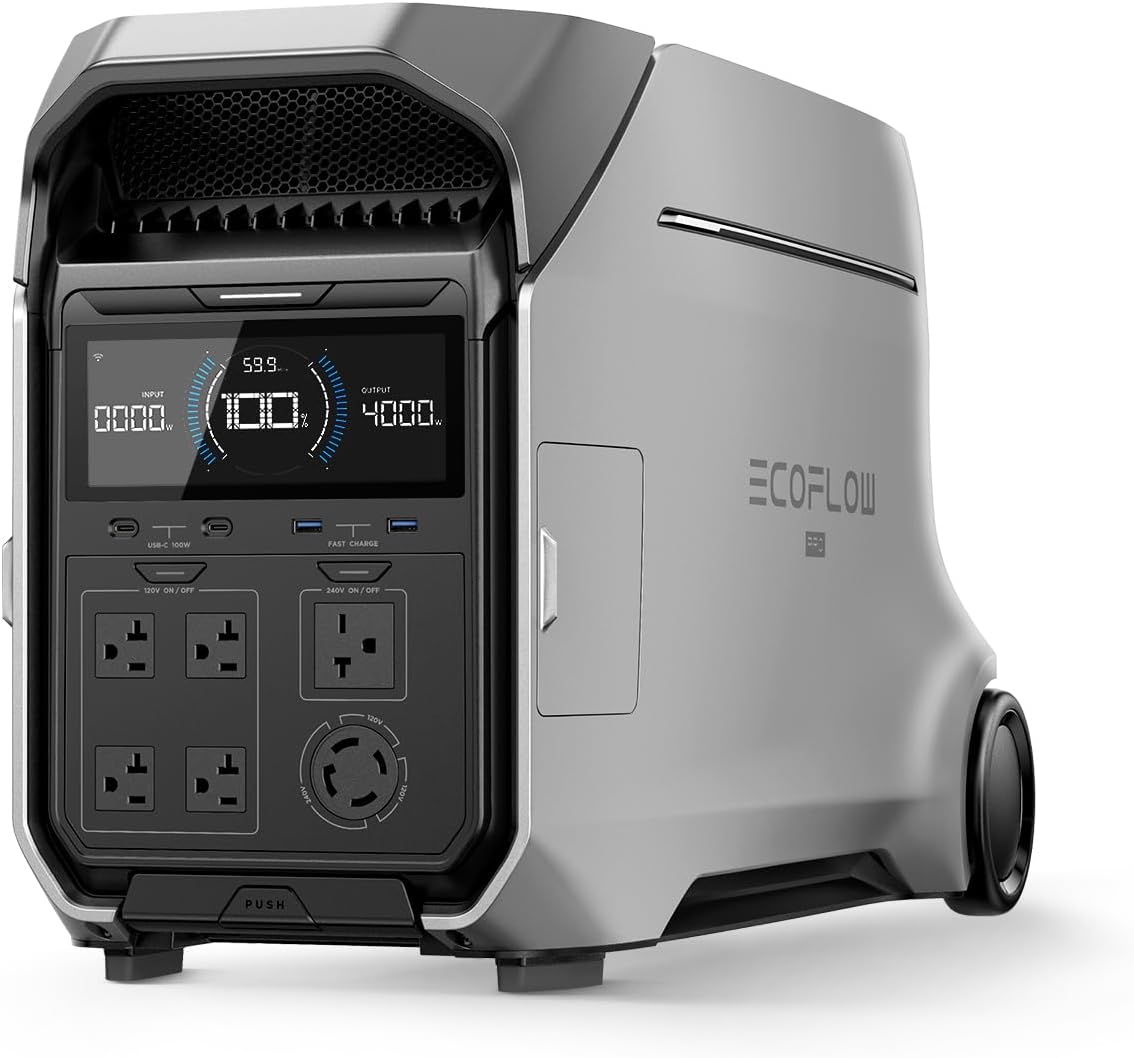
EcoFlow
The ultimate home backup power station. The DELTA Pro 3 can power your entire home during an outage and expand to a massive 48kWh with additional batteries.
Capacity
4096Wh
Output
4000W
Weight
115 lbs
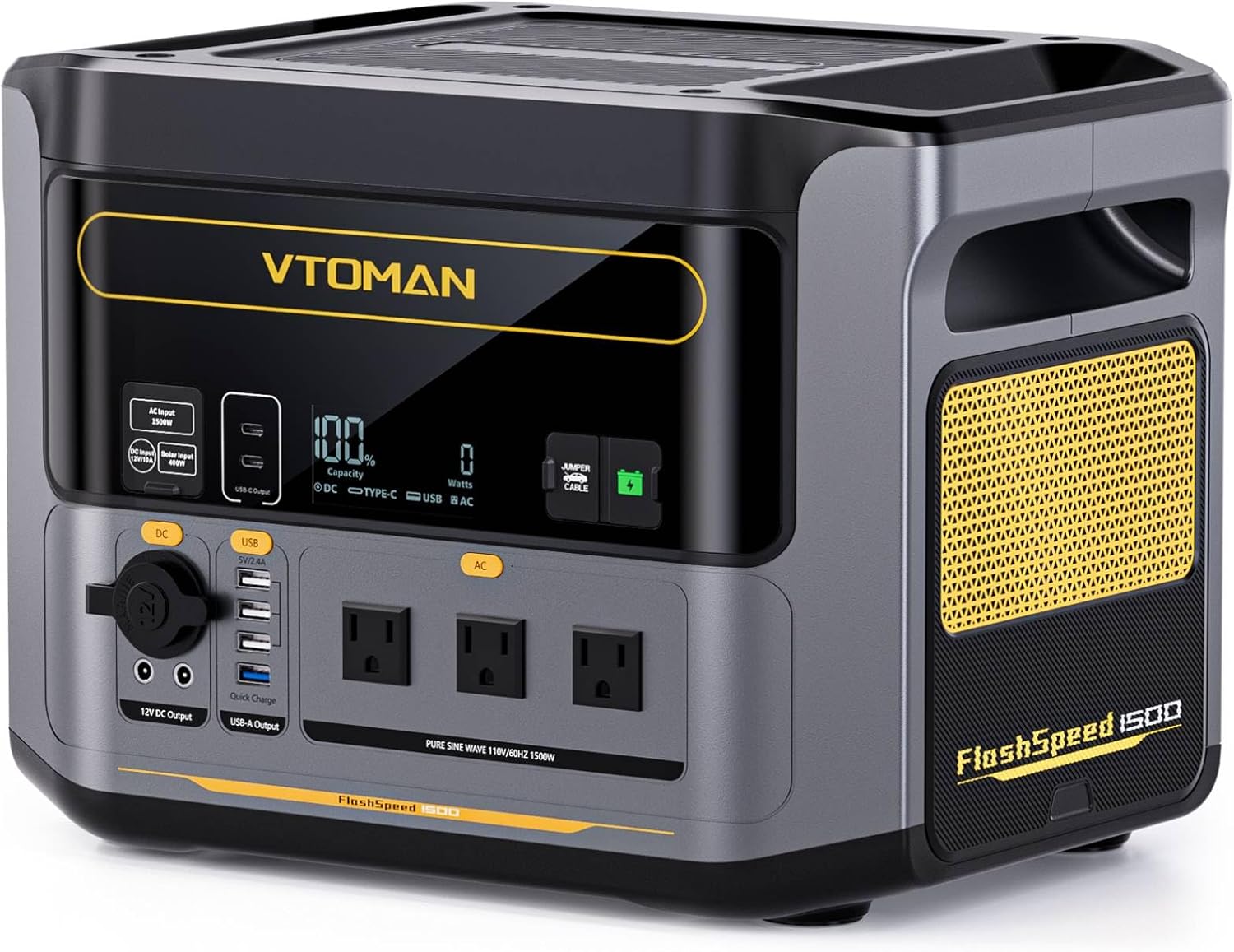
VTOMAN
A value-packed challenger from VTOMAN. The FlashSpeed 1500 offers more capacity per dollar than most big-name competitors, with V-Beyond technology to handle high-draw devices.
Capacity
1548Wh
Output
1500W
Weight
41 lbs
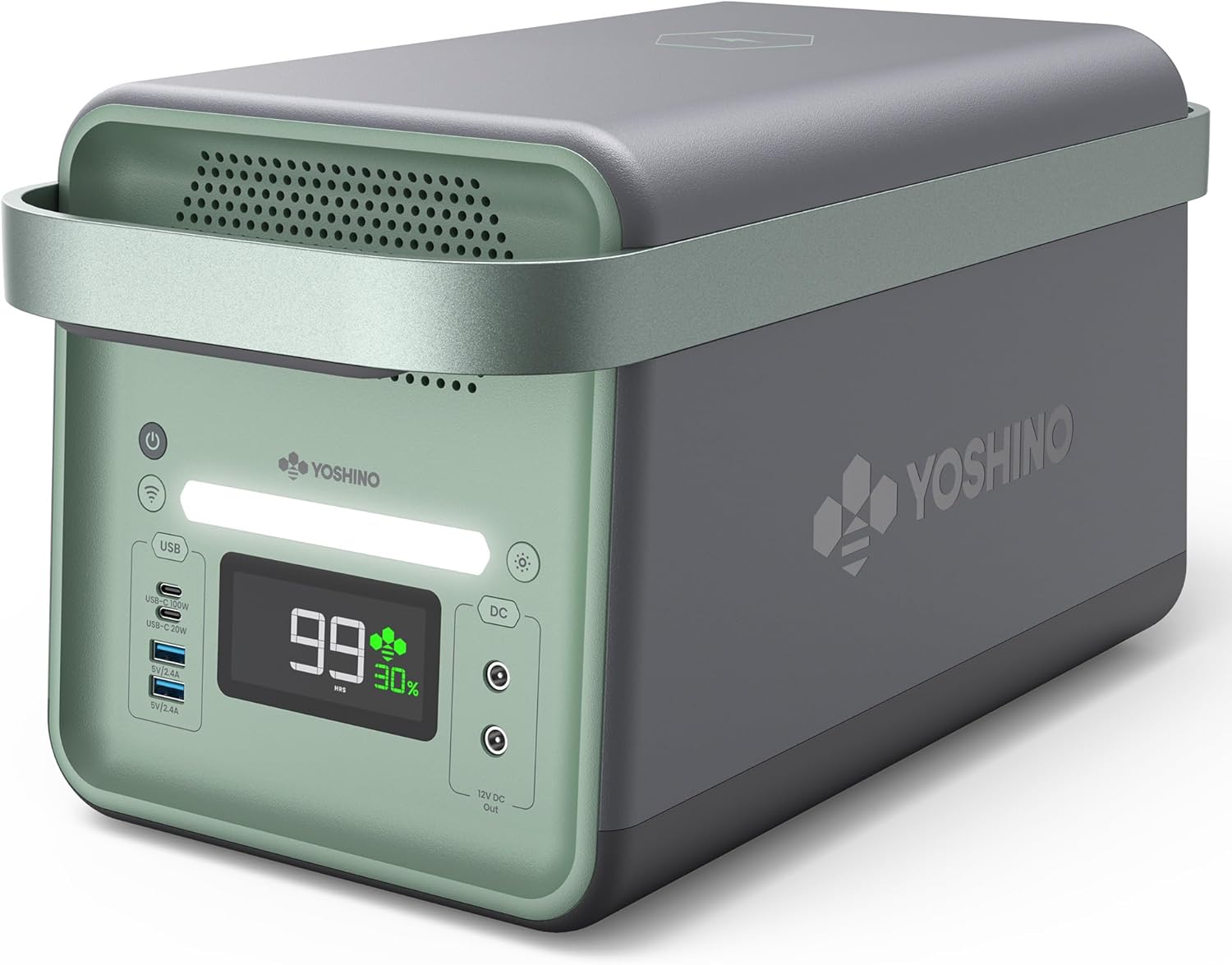
Yoshino
The first solid-state battery power station worth considering. At 31 lbs for 1,326Wh, the Yoshino B2000 SST is remarkably light and powerful — if you trust the new tech.
Capacity
1326Wh
Output
2000W
Weight
31.3 lbs
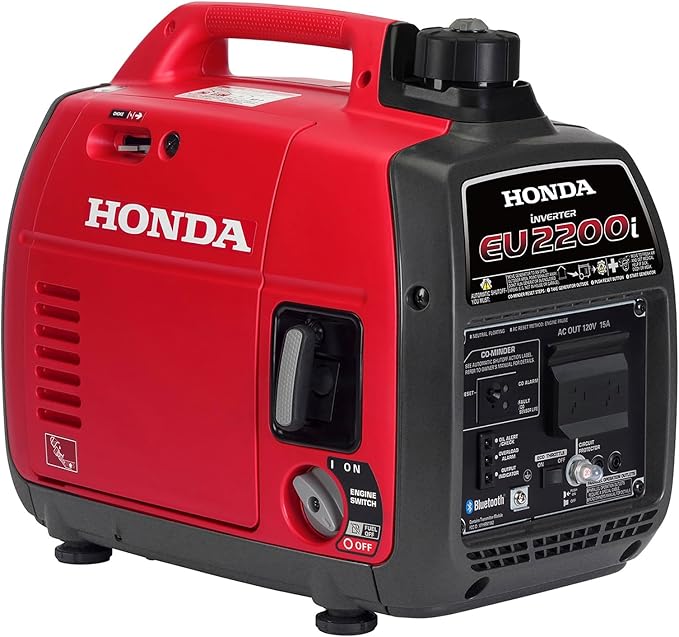
Honda
The gold standard in portable inverter generators. Honda's legendary reliability, whisper-quiet 48 dB operation, and clean sine wave output make it the top choice for camping and home backup.
Watts
1800W
Weight
46.5 lbs
Noise
48dB
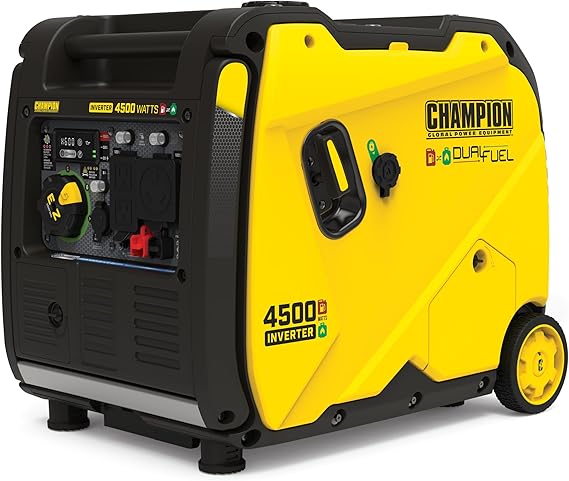
Champion
A powerful dual-fuel inverter generator with electric start and RV-ready outlets. The fuel flexibility and 14-21 hour runtime make it ideal for extended outages and RV trips.
Watts
3500W
Weight
104 lbs
Noise
61dB
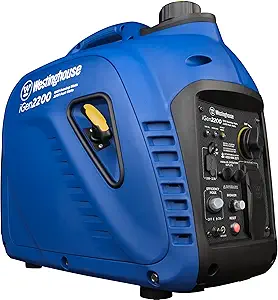
Westinghouse
A reliable inverter generator that delivers Honda-like performance at nearly half the price. The iGen2200 is the best value in the 2200W class.
Watts
1800W
Weight
46 lbs
Noise
52dB
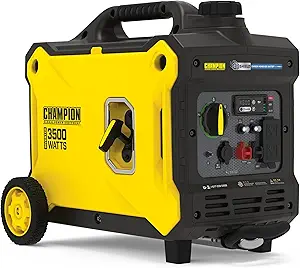
Champion
A mid-range inverter generator with electric start and RV-ready outlets. Strong output for home backup at a reasonable price.
Watts
3150W
Weight
95.7 lbs
Noise
59dB
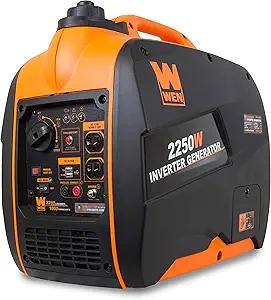
A budget-friendly inverter generator with clean sine wave output. The eco mode and quiet operation make it great for camping.
Watts
1800W
Weight
48.5 lbs
Noise
53dB
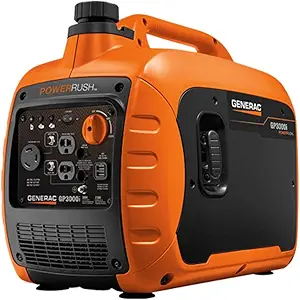
Generac
Generac's portable inverter generator with PowerRush technology for extra starting power. Ideal for RV owners and emergency home backup.
Watts
2300W
Weight
59.5 lbs
Noise
57dB
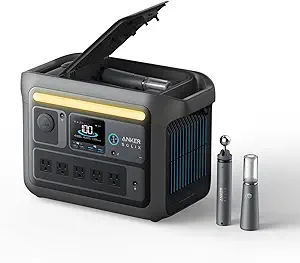
Anker
A feature-rich mid-range power station with blazing-fast 58-minute recharge and unique integrated camping lights. Fills the gap between the SOLIX C1000 and budget options.
Capacity
768Wh
Output
1200W
Weight
20.3 lbs
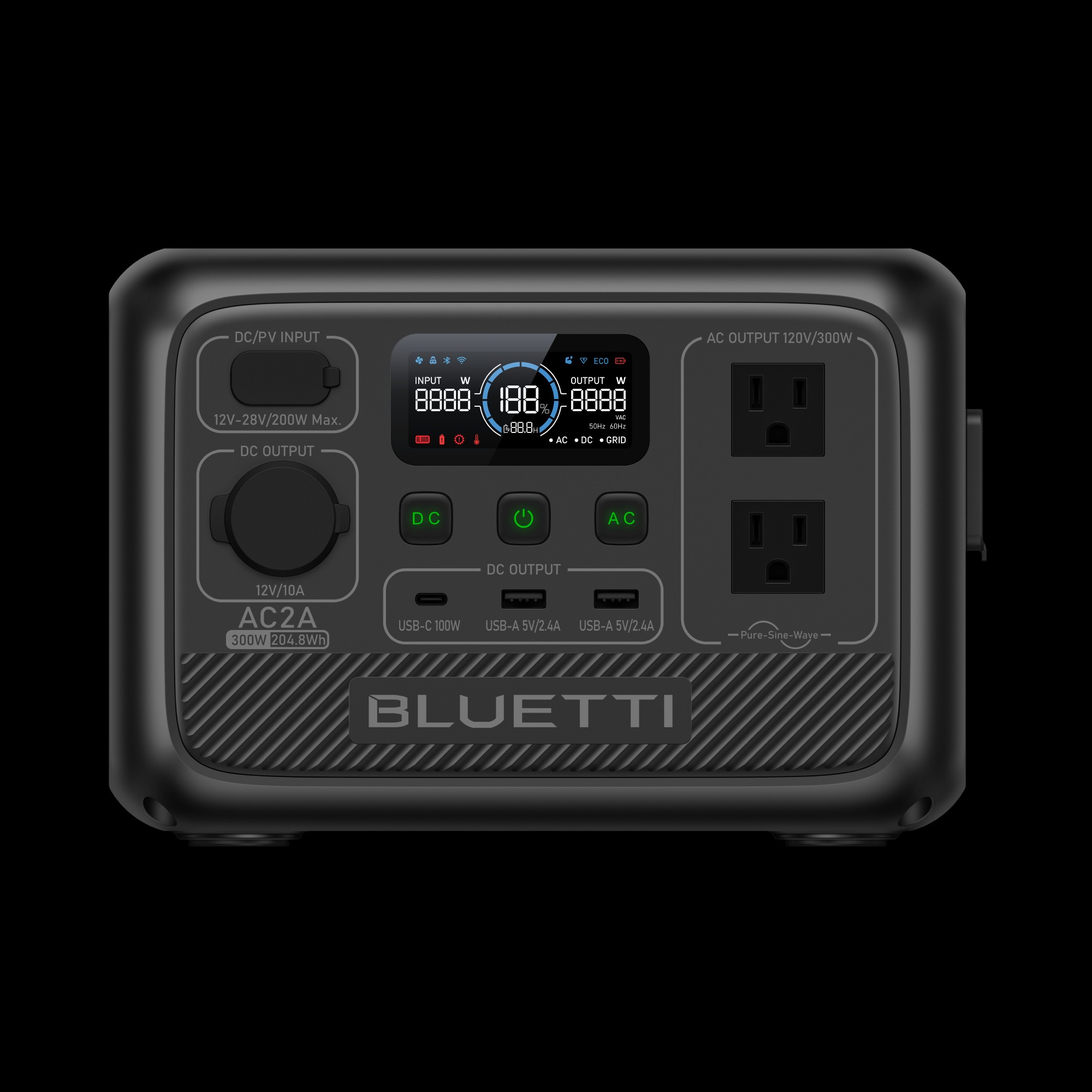
Bluetti
A budget-friendly LiFePO4 power station perfect for light camping, emergency backup, and device charging at just $149.
Capacity
204Wh
Output
300W
Weight
7.9 lbs
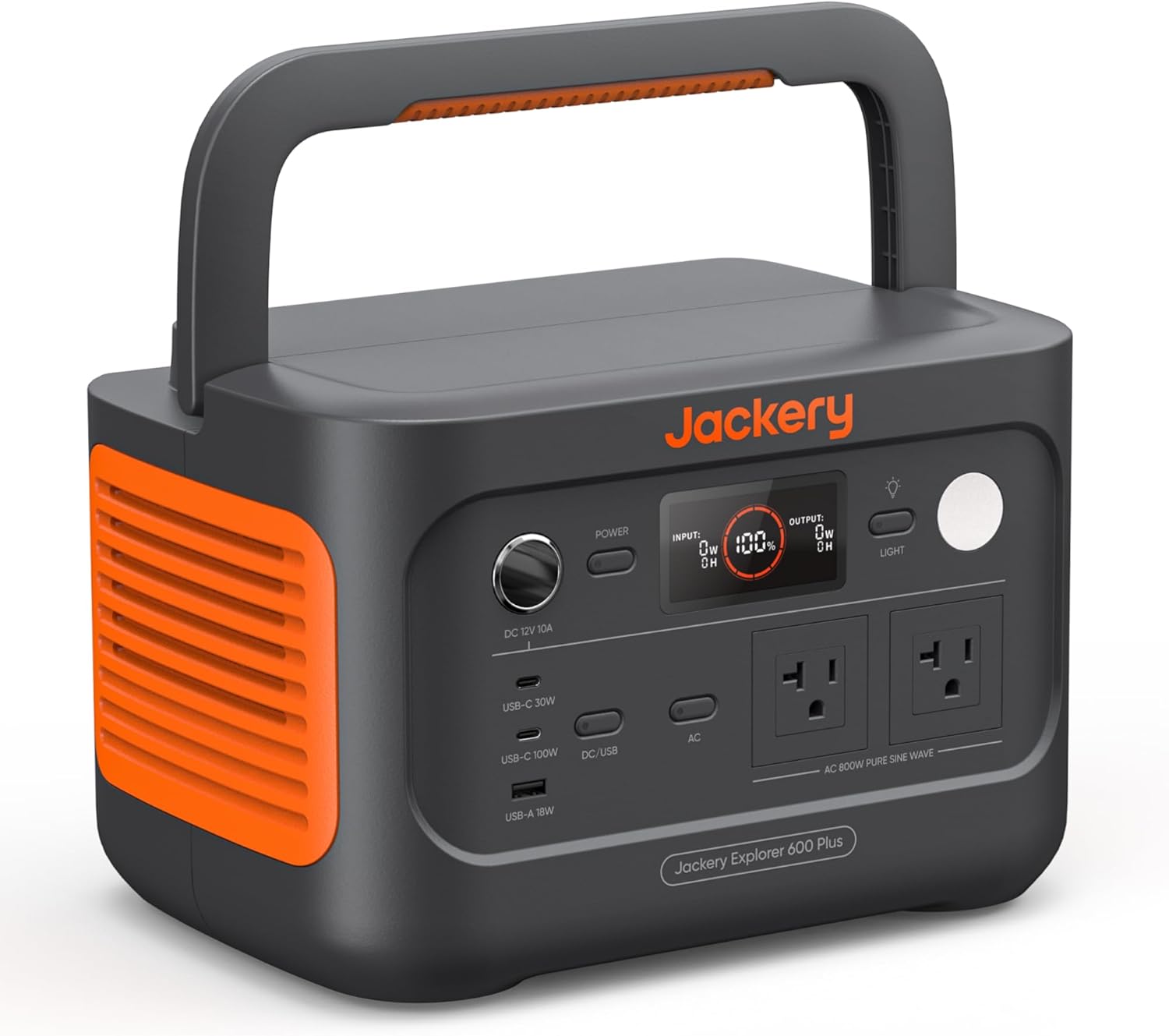
Jackery
Jackery's mid-range LiFePO4 station with 632Wh capacity, 4,000-cycle battery life, and UPS capability. Bridges the gap between the Explorer 100 Plus and Explorer 1000 v2.
Capacity
632Wh
Output
800W
Weight
16.1 lbs
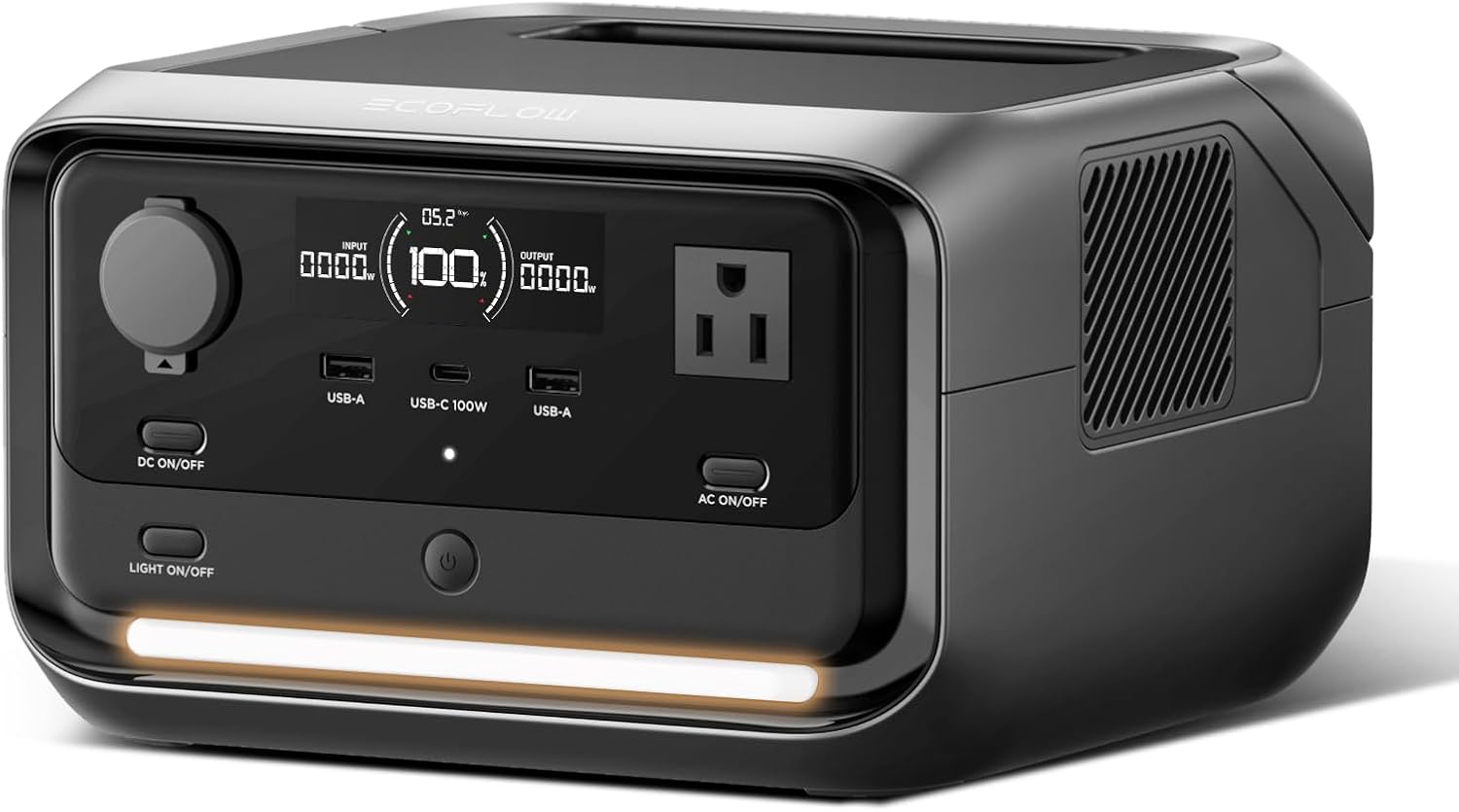
EcoFlow
A compact, whisper-quiet power station with expandable capacity up to 858Wh. Differentiates from the RIVER 3 with 600W output, X-Boost to 1200W, and UPS protection.
Capacity
286Wh
Output
600W
Weight
10.4 lbs

Anker
The Gen 2 upgrade to Anker's best-selling power station. Faster charging, higher output, and a smaller, lighter design make it the new benchmark in the 1000Wh class.
Capacity
1024Wh
Output
2000W
Weight
23.9 lbs

Jackery
Jackery's quietest and most efficient 2kWh power station. The v2 rebuild swaps to LiFePO4, cuts weight significantly, and adds UPS functionality — all at a lower price than the 2000 Plus.
Capacity
2042Wh
Output
2200W
Weight
39.5 lbs

A budget powerhouse that delivers 1008Wh of LiFePO4 capacity and 1200W output for under $500. The best value in the 1000Wh class for buyers who prioritize specs over brand prestige.
Capacity
1008Wh
Output
1200W
Weight
28 lbs
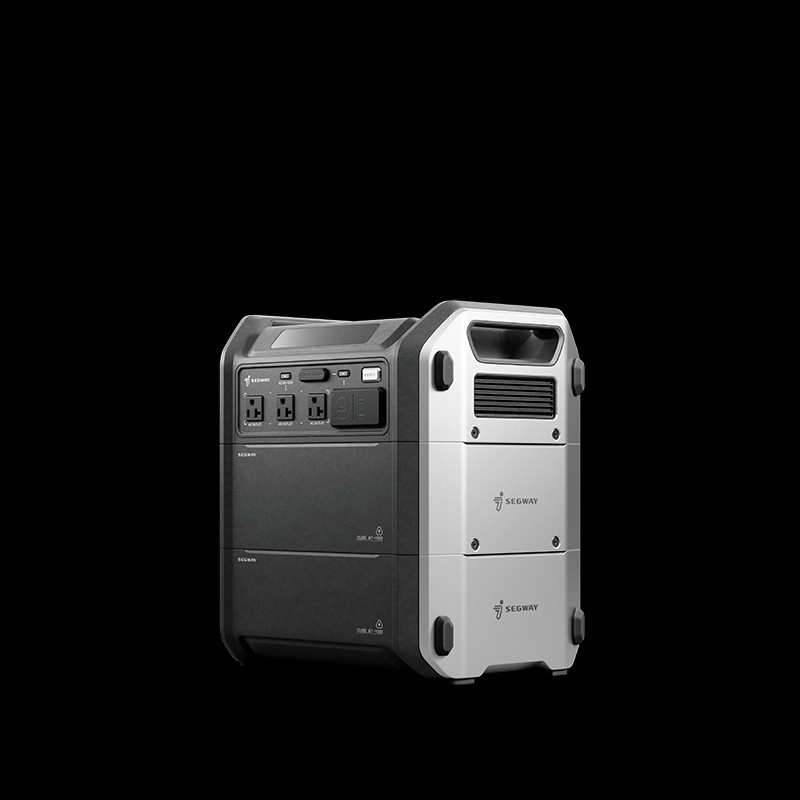
The Segway Cube 2000 delivers 2048Wh of LiFePO4 capacity with IP56 weather protection and expandability to 5kWh — all for an astonishing $539 that makes every competitor look overpriced.
Capacity
2048Wh
Output
2200W
Weight
57.5 lbs
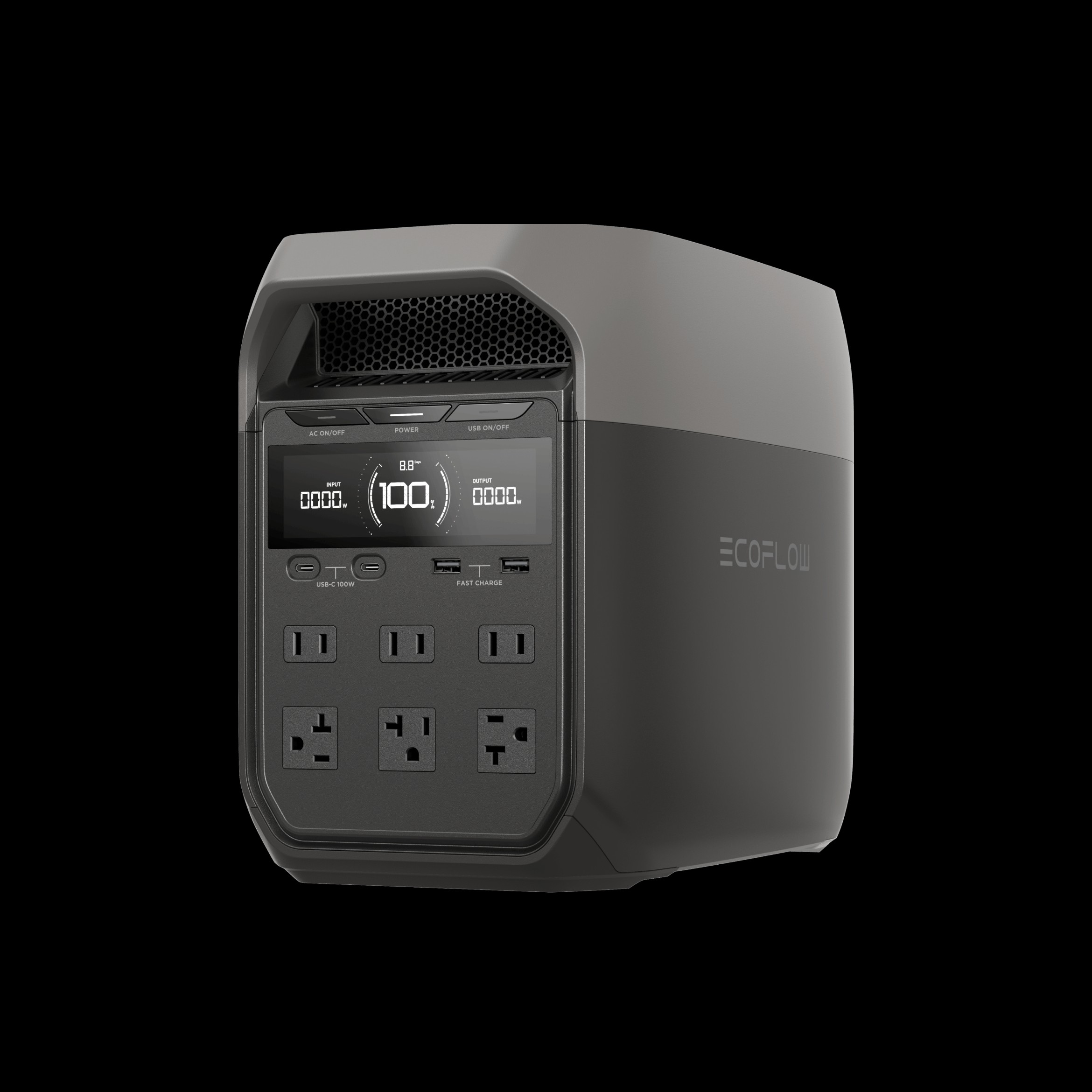
EcoFlow
The EcoFlow DELTA 3 delivers 1024Wh of LiFePO4 power with a 56-minute charge, IP65 battery protection, and whisper-quiet operation — all for $200 less than the DELTA 3 Plus.
Capacity
1024Wh
Output
1800W
Weight
27.6 lbs
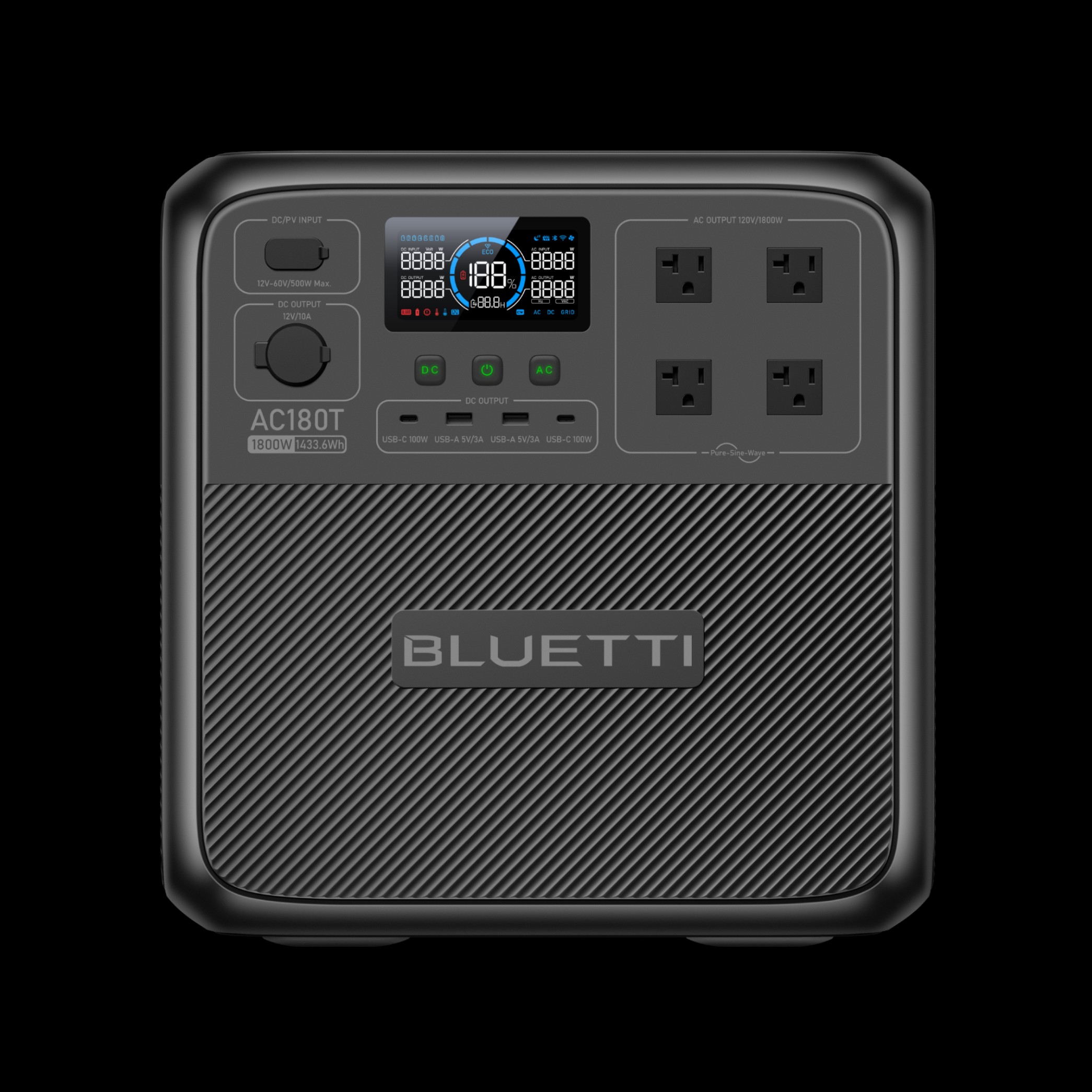
Bluetti
The first power station with hot-swappable batteries. The Bluetti AC180T lets you swap 716Wh battery packs on the fly — share them with BLUETTI's MultiCooler fridge or carry spares for unlimited runtime.
Capacity
1433Wh
Output
1800W
Weight
58.4 lbs
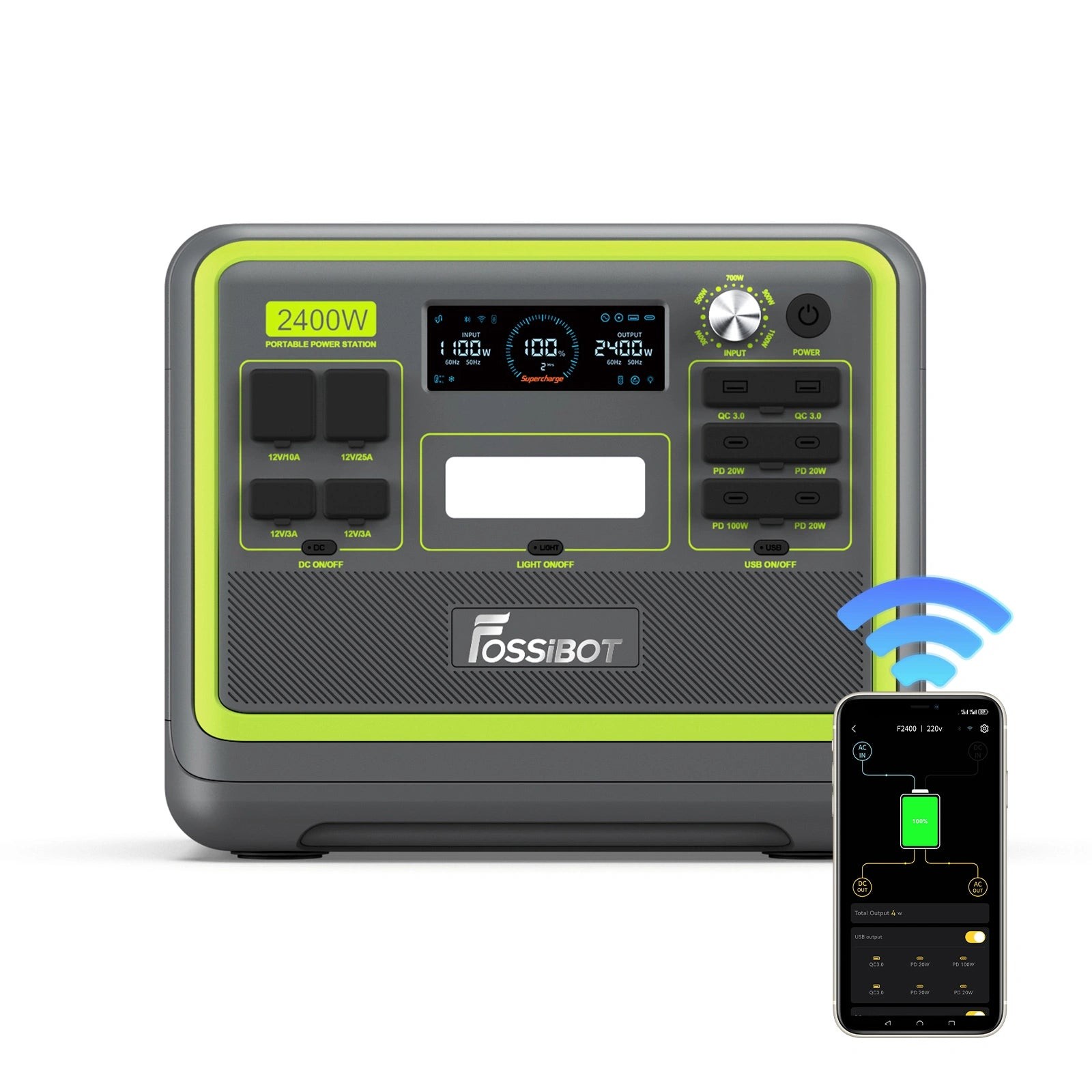
FOSSiBOT
The FOSSiBOT F2400 packs 2048Wh of LiFePO4 capacity and 2400W output into a sub-$600 package — the most watts and watt-hours per dollar you can buy from any brand.
Capacity
2048Wh
Output
2400W
Weight
48.5 lbs
Prioritize communication and safety: charge your cell phone and a battery-powered radio first. Next, power your internet router so you can receive emergency alerts and communicate with family. If you use medical devices like a CPAP, oxygen concentrator, or insulin pump, ensure those are connected. After essentials, move to comfort items like LED lights and keeping the fridge running. Avoid wasting capacity on non-essential devices like gaming consoles or hair dryers until you know how long the outage will last.
For long-term storage between emergencies, charge the station to 60-80% (not 100%) and store it in a cool, dry place between 50-77 degrees F. LiFePO4 batteries have very low self-discharge, losing only 2-3% per month, so you will not need to top it off often. Check the charge level every 3-6 months and recharge to 60-80% if it has dropped below 30%. Avoid storing in extreme heat (garages in summer) or extreme cold, which can degrade the battery over time.
For most households, a power station is the better emergency option. They are instant-on (no pull cords), silent, emission-free (safe indoors), and require zero maintenance or fuel storage. Generators require gasoline (which may be unavailable during emergencies), produce carbon monoxide (must be used outdoors at least 20 feet from windows), and need regular maintenance. The main advantage of a generator is unlimited runtime with fuel and higher sustained output. If you live in an area prone to multi-day outages, consider having both: a power station for the first 24-48 hours and a generator for extended events.
A good rule of thumb is 1,000Wh per person per day for basic essentials (phone, lights, router). If you need to run a refrigerator, add 1,000-1,500Wh per day. For a family of four with a fridge, plan for at least 2,500Wh of capacity to cover a full 24-hour outage comfortably. If you pair your station with a 200W solar panel, you can stretch that capacity indefinitely on sunny days by recharging 600-1,000Wh during daylight hours.
Hurricane Season Power Prep Guide 2026
Get ready before the next big storm hits.
Winter Storm Power Outage Guide
How to keep your home powered through ice and snow.
Spring Storm Season Power Prep 2026
Tornado and thunderstorm power preparedness tips.
Emergency Preparedness Checklist
Interactive checklist to make sure you are fully prepared.