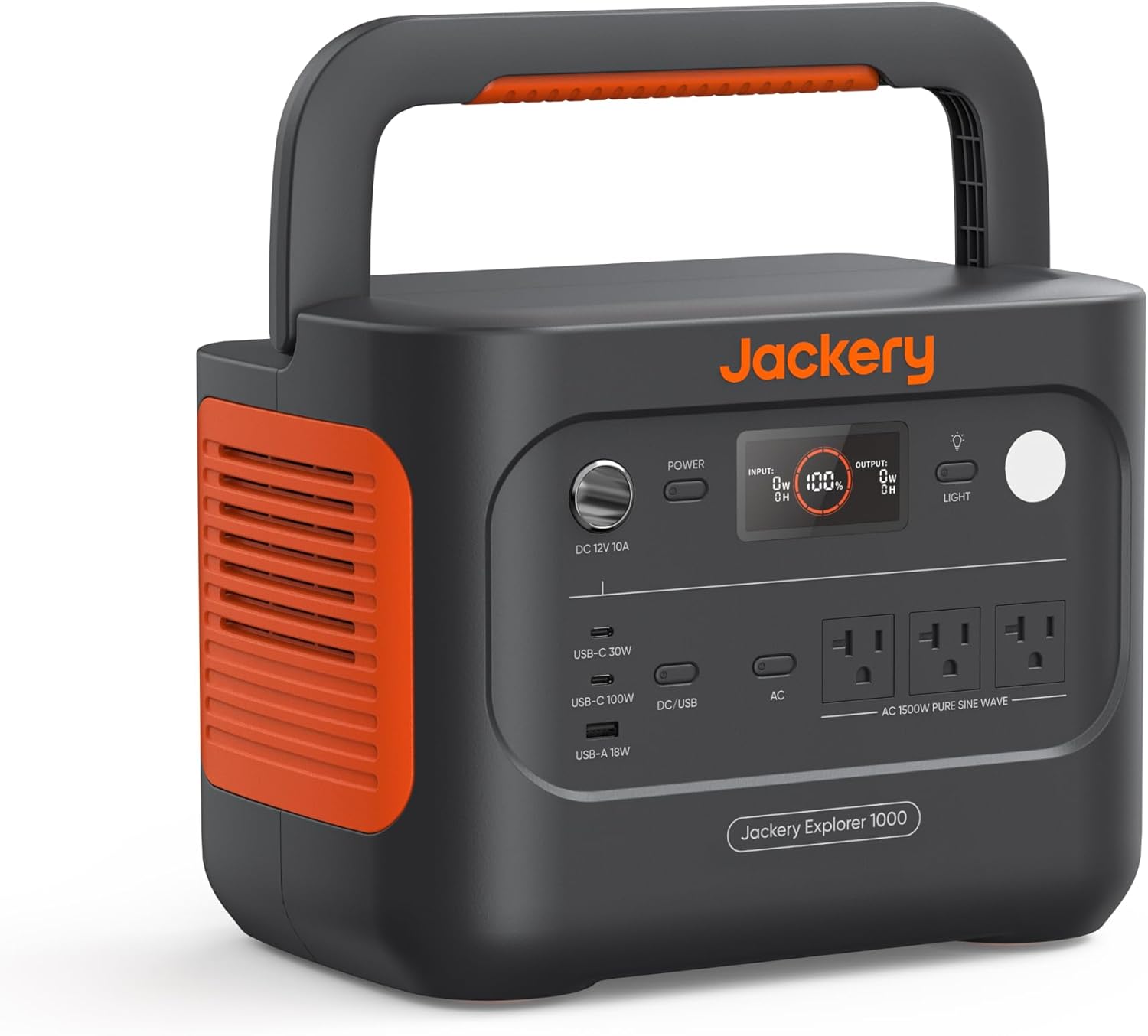
Jackery
Jackery Explorer 1000 v2
4.5
A reliable, well-rounded power station ideal for camping trips and emergency backup. Fast charging and a lightweight design make it easy to grab and go.
Capacity
1070Wh
Output
1500W
Weight
22 lbs
Life on the road demands reliable, versatile power. Whether you are boondocking in a converted van, dry camping in a Class A, or spending weekends in a travel trailer, the right power setup keeps your lights on, your fridge cold, and your devices charged without needing shore power. In 2026, RV-ready power stations and LiFePO4 batteries have become lighter, more expandable, and smarter with app-based monitoring. We have tested the best options to help you build the perfect mobile power system for your rig.
RV power needs vary wildly depending on your rig and travel style. An expandable system lets you start with a base unit and add battery modules as your needs grow. The best systems scale from 2kWh to 20kWh or more, turning a portable power station into a full mobile energy system without replacing what you already own.
When boondocking, solar is your primary recharge method. A higher solar input rating means faster off-grid recharging. Look for stations that accept 400W or more of solar input, and consider rooftop-mounted rigid panels for permanent RV installations versus portable foldable panels for more flexibility at camp.
A dedicated TT-30R (30A RV plug) lets you connect your power station directly to your RV's built-in electrical system, powering your onboard AC, lights, outlets, and appliances through the existing wiring. Without this plug, you are limited to plugging individual devices directly into the station's outlets.
Every pound matters in a van or travel trailer. Power stations in the 40-60 lb range offer a good balance of capacity and mobility. For vans and smaller rigs, look at units under 40 lbs or consider a distributed system of lighter LiFePO4 batteries mounted in your battery compartment instead.
Smart app connectivity via WiFi or Bluetooth lets you monitor battery level, power draw, charge status, and remaining runtime from your phone. Some apps also allow you to control outlets remotely, set charge limits to preserve battery health, and receive low-battery alerts. This is especially valuable when your power station is stored in a compartment.
EcoFlow · $1999 · 4.8/5
The ultimate home backup power station. The DELTA Pro 3 can power your entire home during an outage and expand to a massive 48kWh with additional batteries.
Read full review →Jackery · $1999 · 4.7/5
Jackery's flagship expandable power station. With 2kWh base capacity expandable to 24kWh, it's a serious home backup solution that can also handle RV and off-grid living.
Read full review →EcoFlow · $649 · 4.7/5
EcoFlow's newest mid-range flagship. The DELTA 3 Plus improves on the Delta 2 with faster charging, LiFePO4 chemistry, and UPS functionality — all at a lower price.
Read full review → Jackery
A reliable, well-rounded power station ideal for camping trips and emergency backup. Fast charging and a lightweight design make it easy to grab and go.
Capacity
1070Wh
Output
1500W
Weight
22 lbs
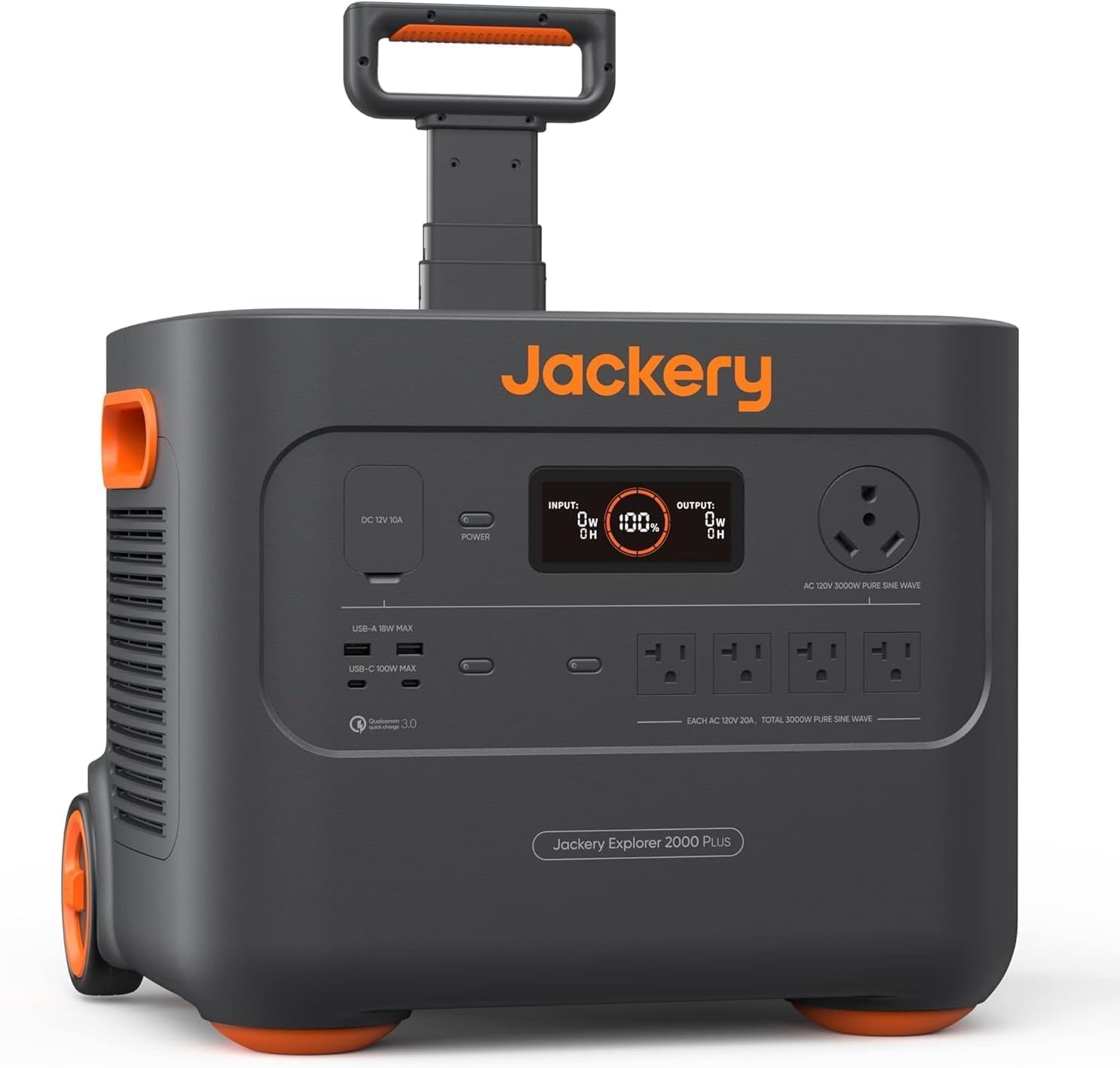
Jackery
Jackery's flagship expandable power station. With 2kWh base capacity expandable to 24kWh, it's a serious home backup solution that can also handle RV and off-grid living.
Capacity
2042Wh
Output
3000W
Weight
61.5 lbs
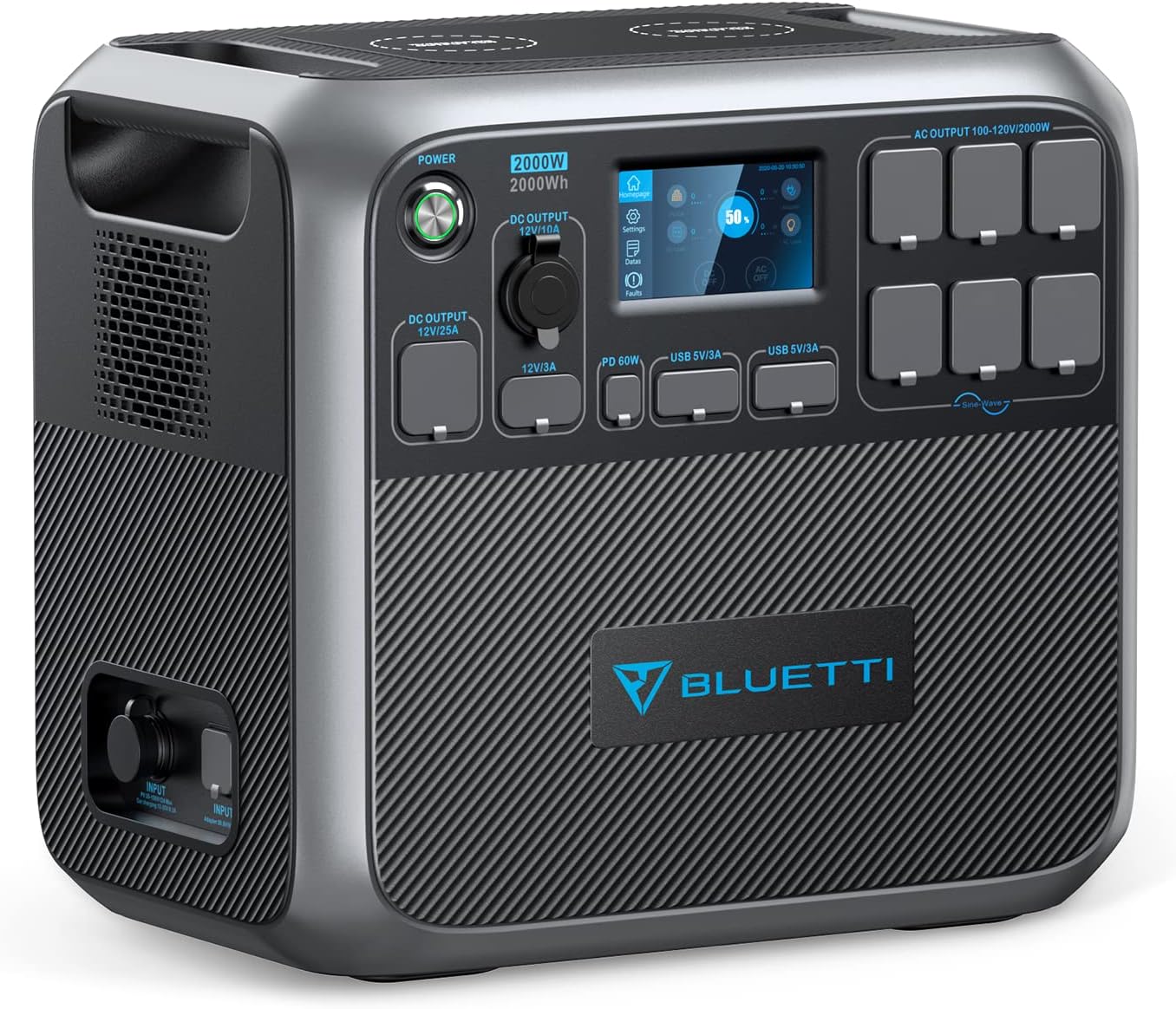
Bluetti
A budget-friendly 2kWh workhorse. The AC200P packs tons of ports and solid output power at a price point well below competitors with similar capacity.
Capacity
2000Wh
Output
2000W
Weight
60.6 lbs
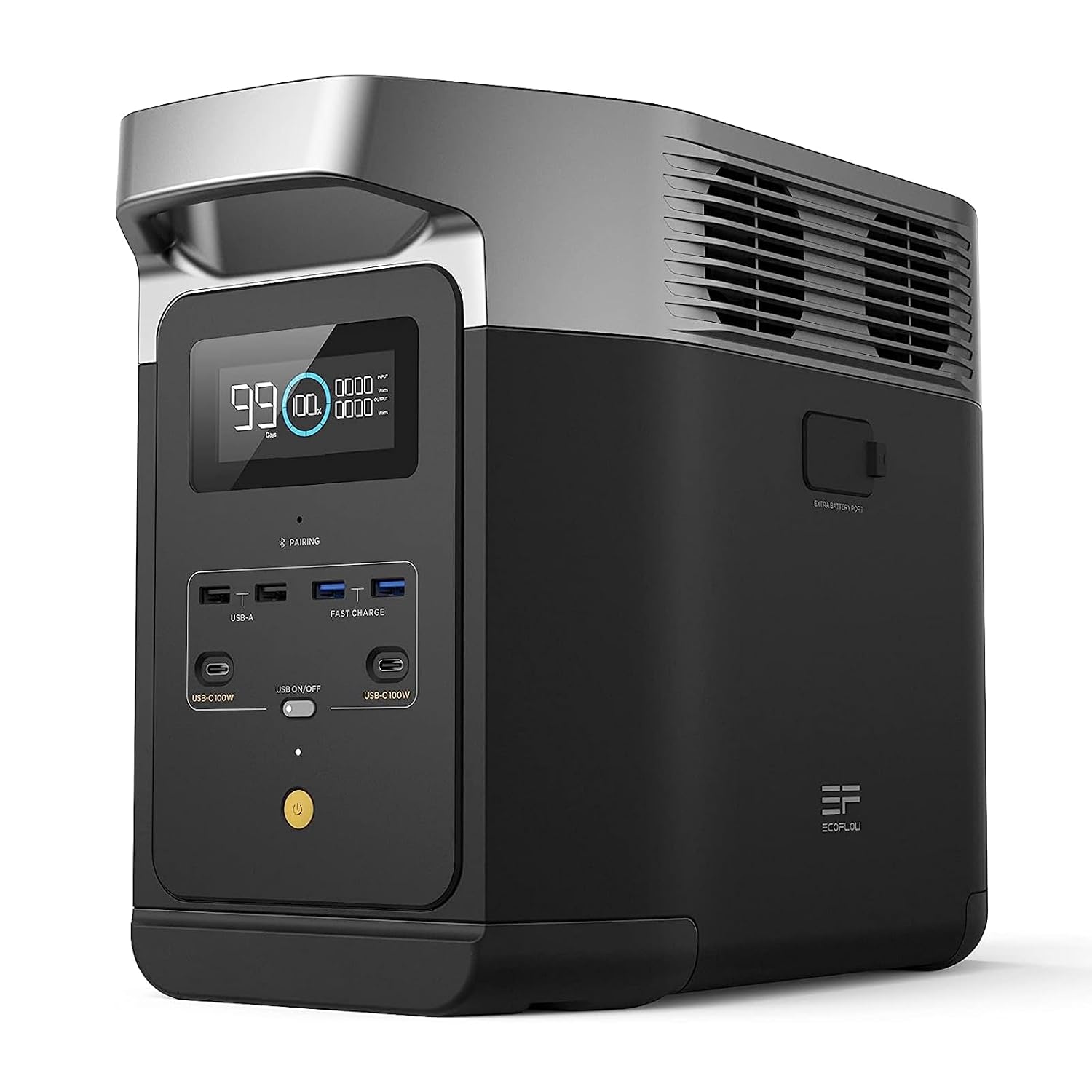
EcoFlow
EcoFlow's versatile mid-range station with industry-leading charging speed and expandable capacity. X-Boost technology lets it power appliances beyond its rated wattage.
Capacity
1024Wh
Output
1500W
Weight
27 lbs
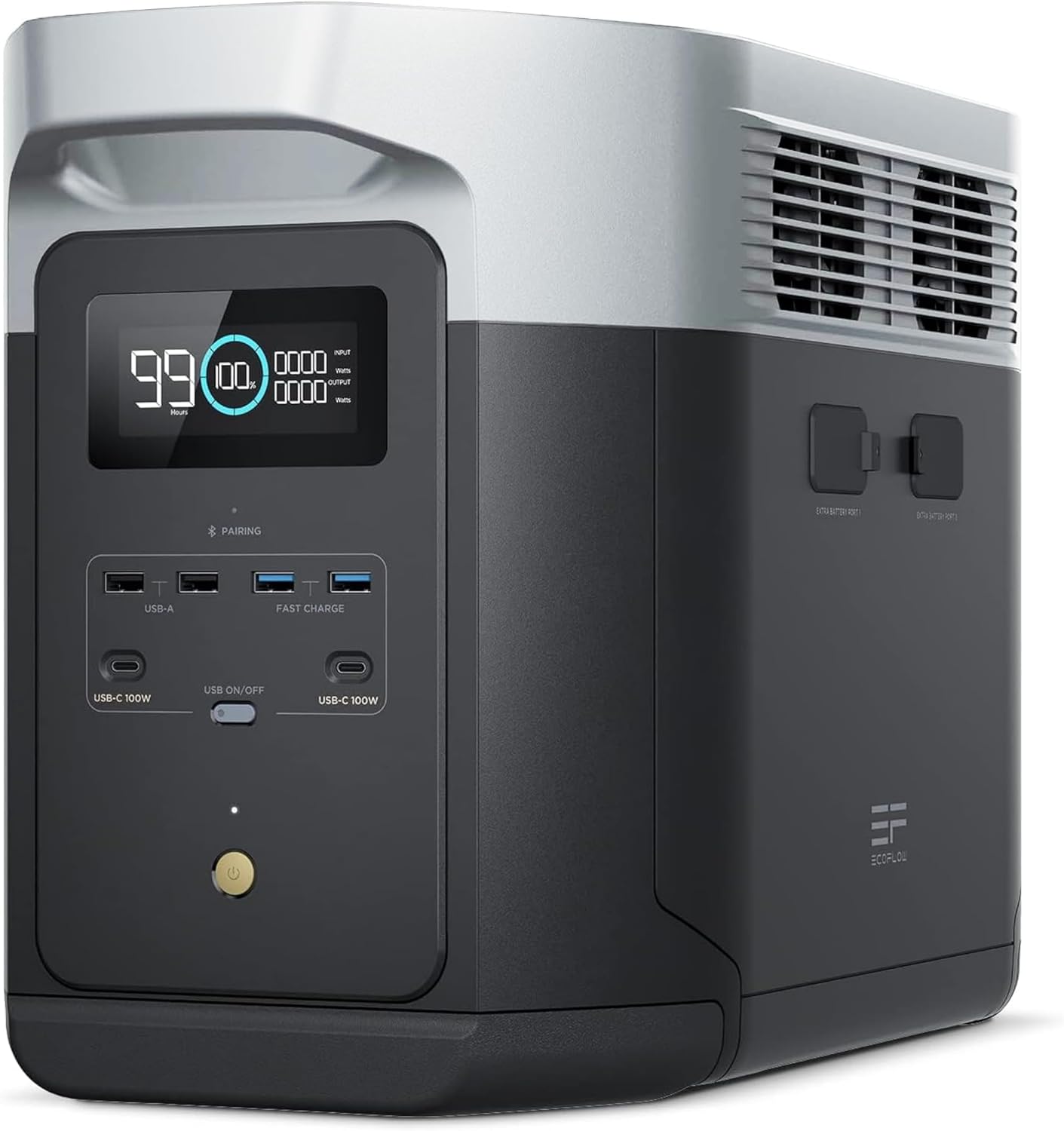
EcoFlow
The big brother of the Delta 2, doubling the capacity with LiFePO4 longevity. Expandable to 6kWh and capable of integrating with home circuits for seamless backup power.
Capacity
2048Wh
Output
2400W
Weight
50.7 lbs
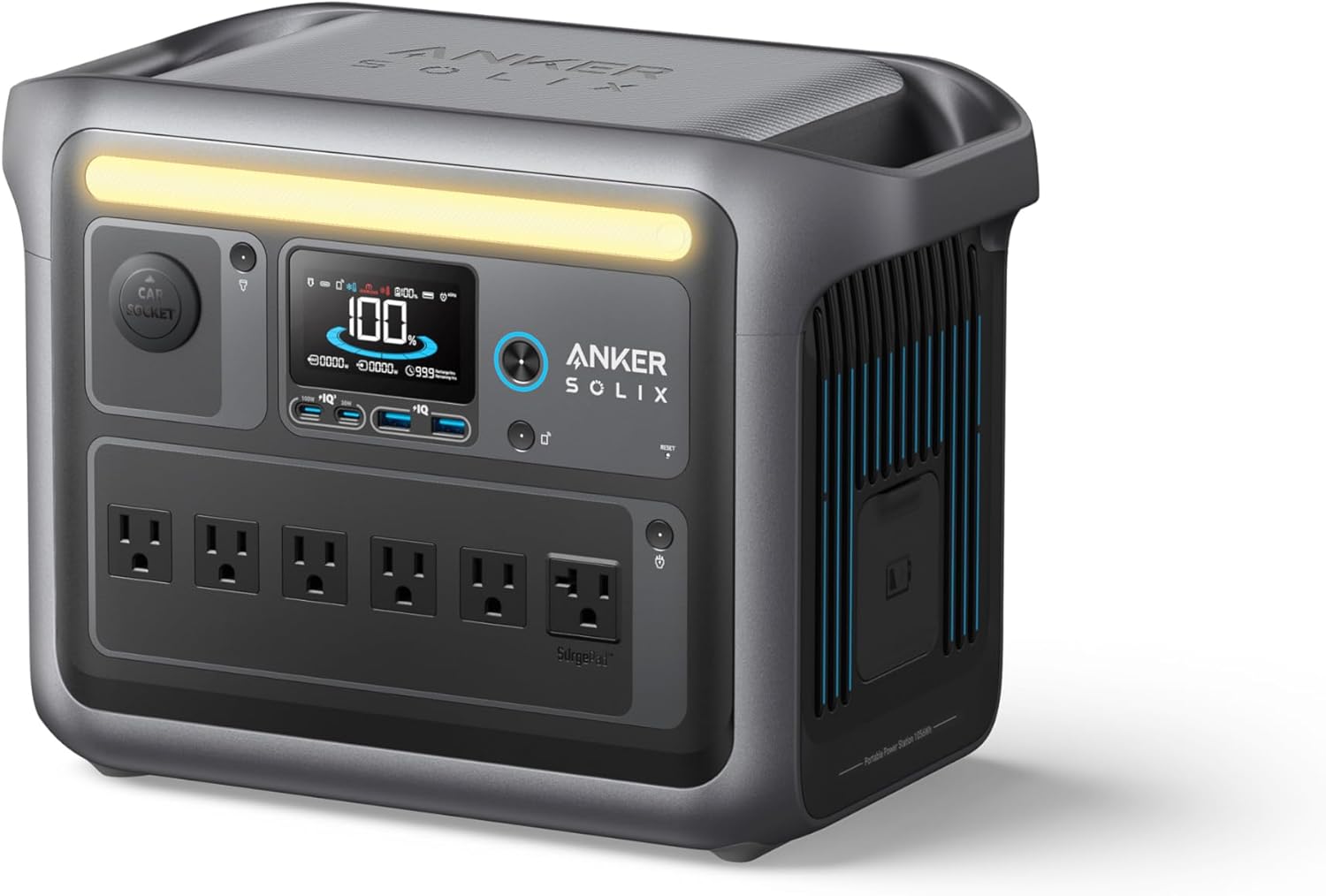
Anker
The best value in the 1000Wh class. Anker brings its charging expertise with a sub-1-hour charge time, LiFePO4 longevity, and an aggressive price that undercuts all competitors.
Capacity
1056Wh
Output
1800W
Weight
26.9 lbs
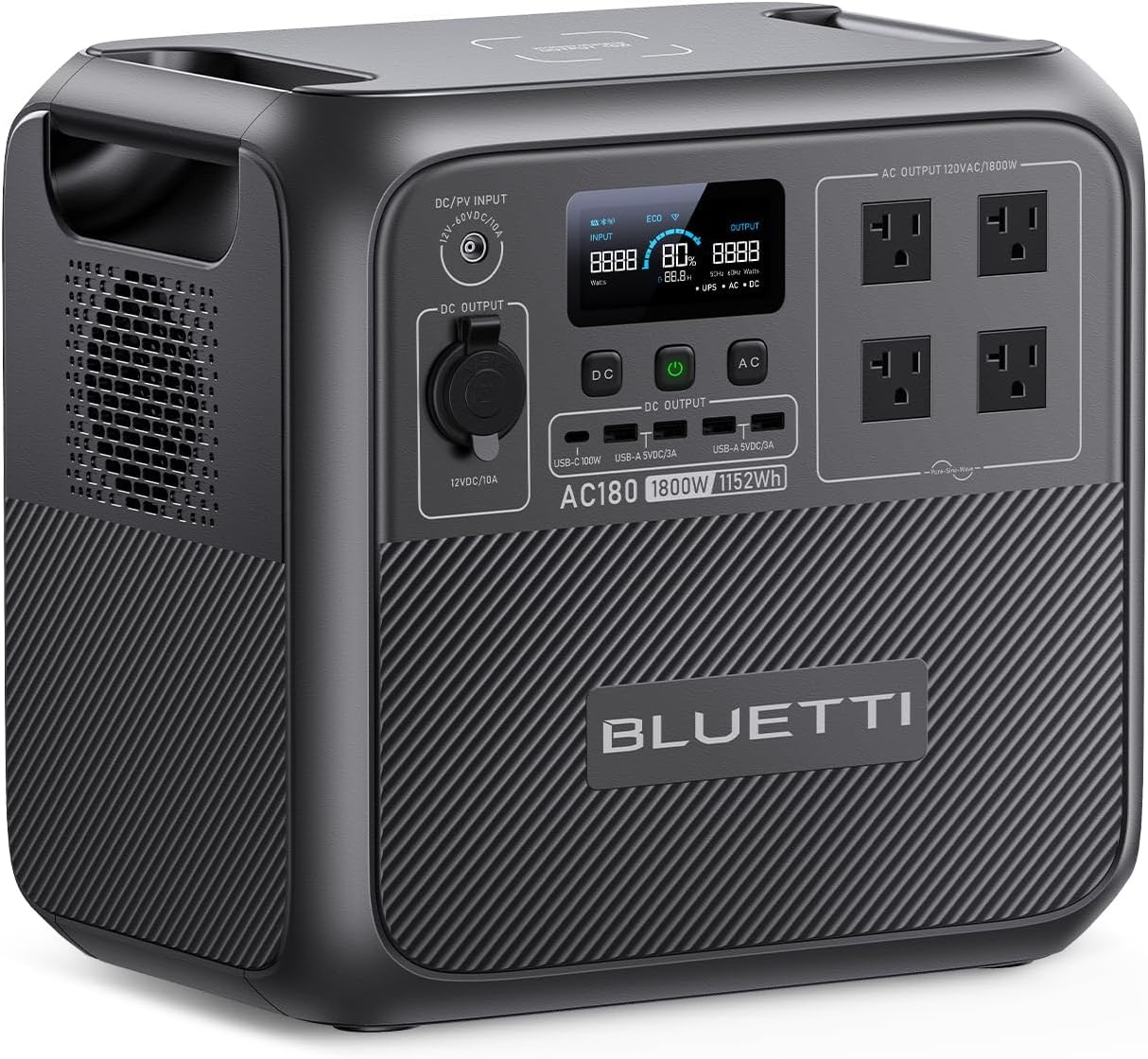
Bluetti
Bluetti's mid-range workhorse with 1,152Wh of LiFePO4 power. The wireless charging pad and Power Lifting mode set it apart from similarly priced competitors.
Capacity
1152Wh
Output
1800W
Weight
35.3 lbs
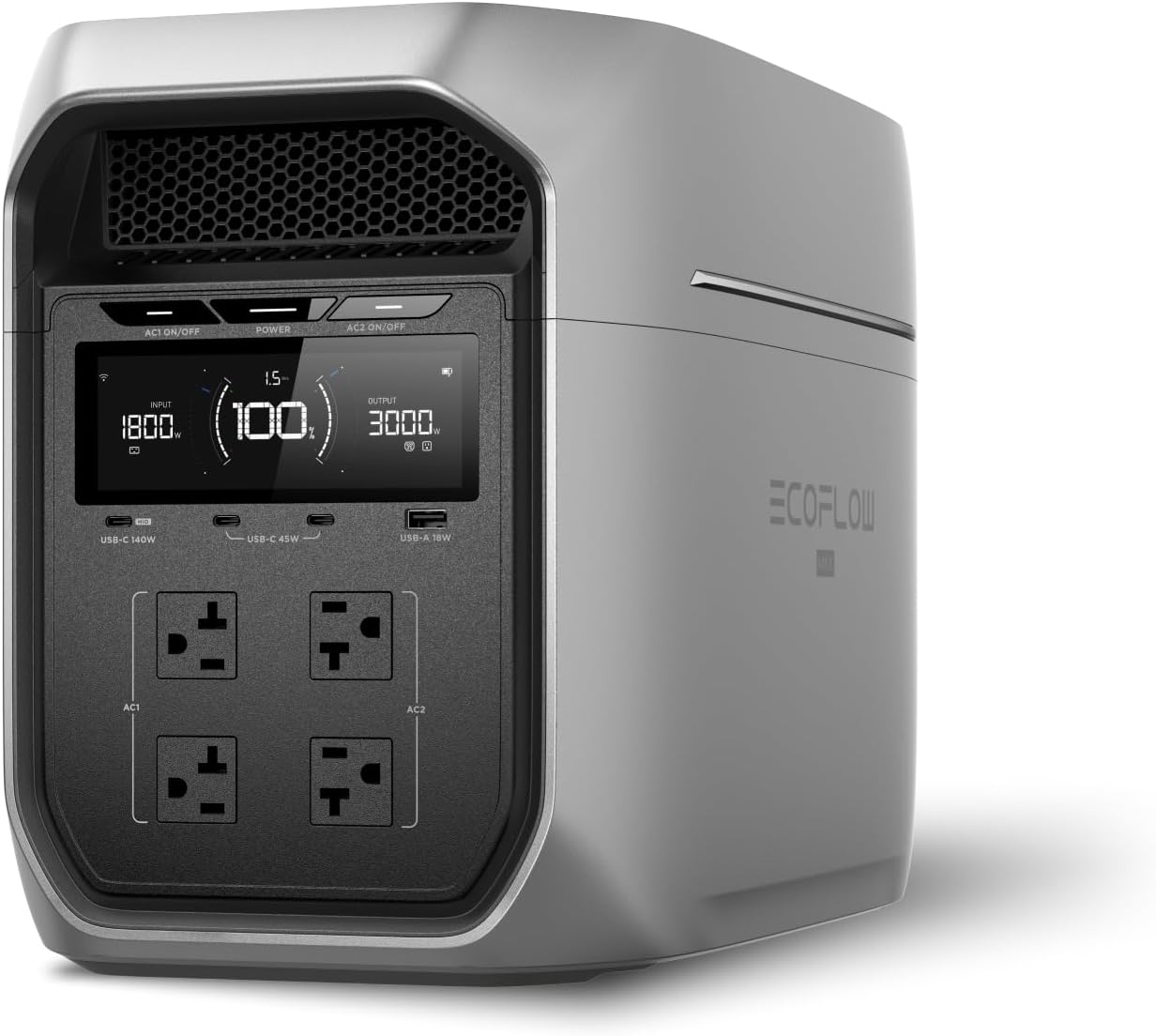
EcoFlow
EcoFlow's newest mid-range flagship. The DELTA 3 Plus improves on the Delta 2 with faster charging, LiFePO4 chemistry, and UPS functionality — all at a lower price.
Capacity
1024Wh
Output
1800W
Weight
27.6 lbs
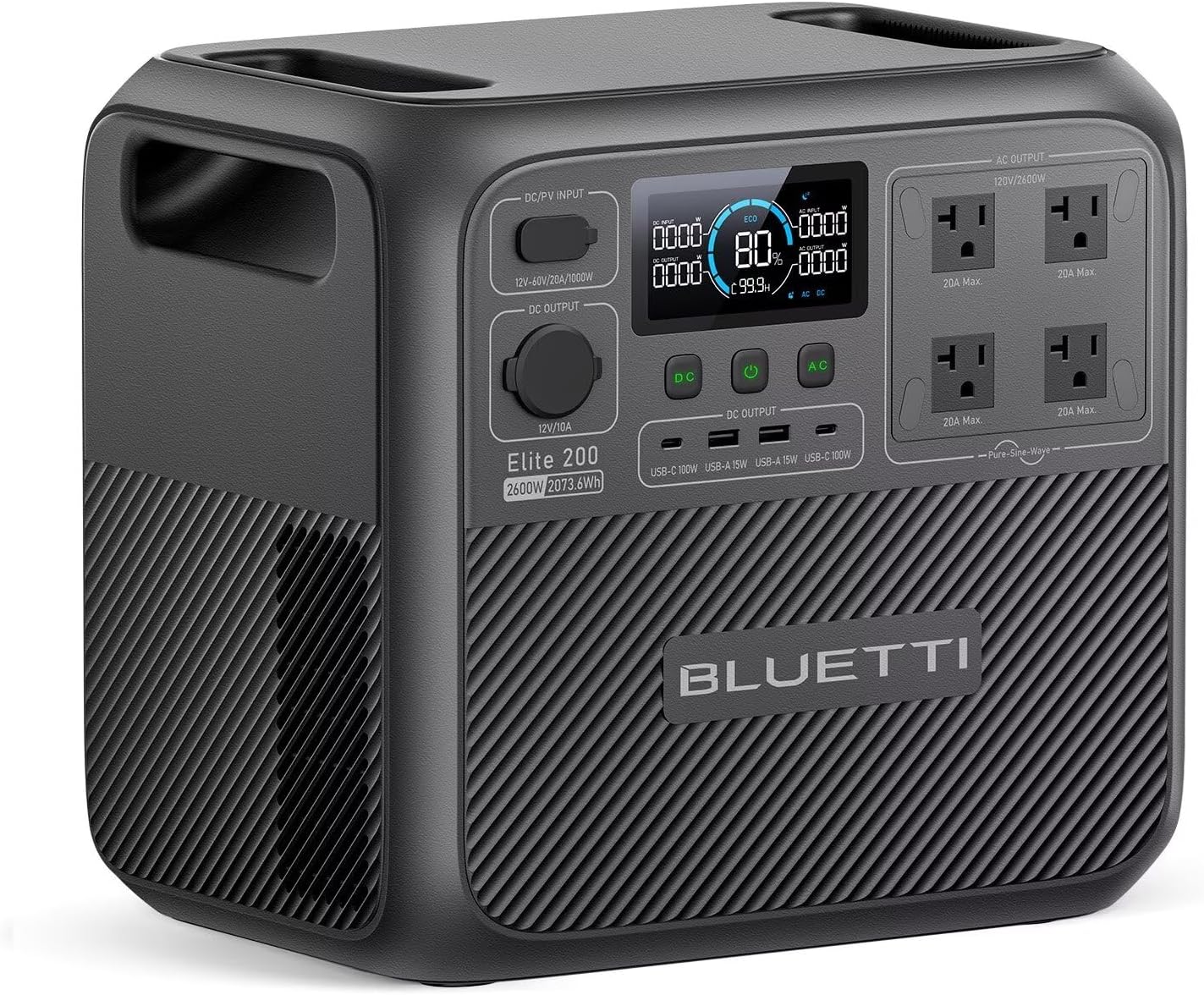
Bluetti
Bluetti's 2025 flagship with the longest-lasting battery in the industry at 6,000+ cycles. The Elite 200 V2 combines massive capacity with fast charging and high output.
Capacity
2073Wh
Output
2600W
Weight
53.4 lbs
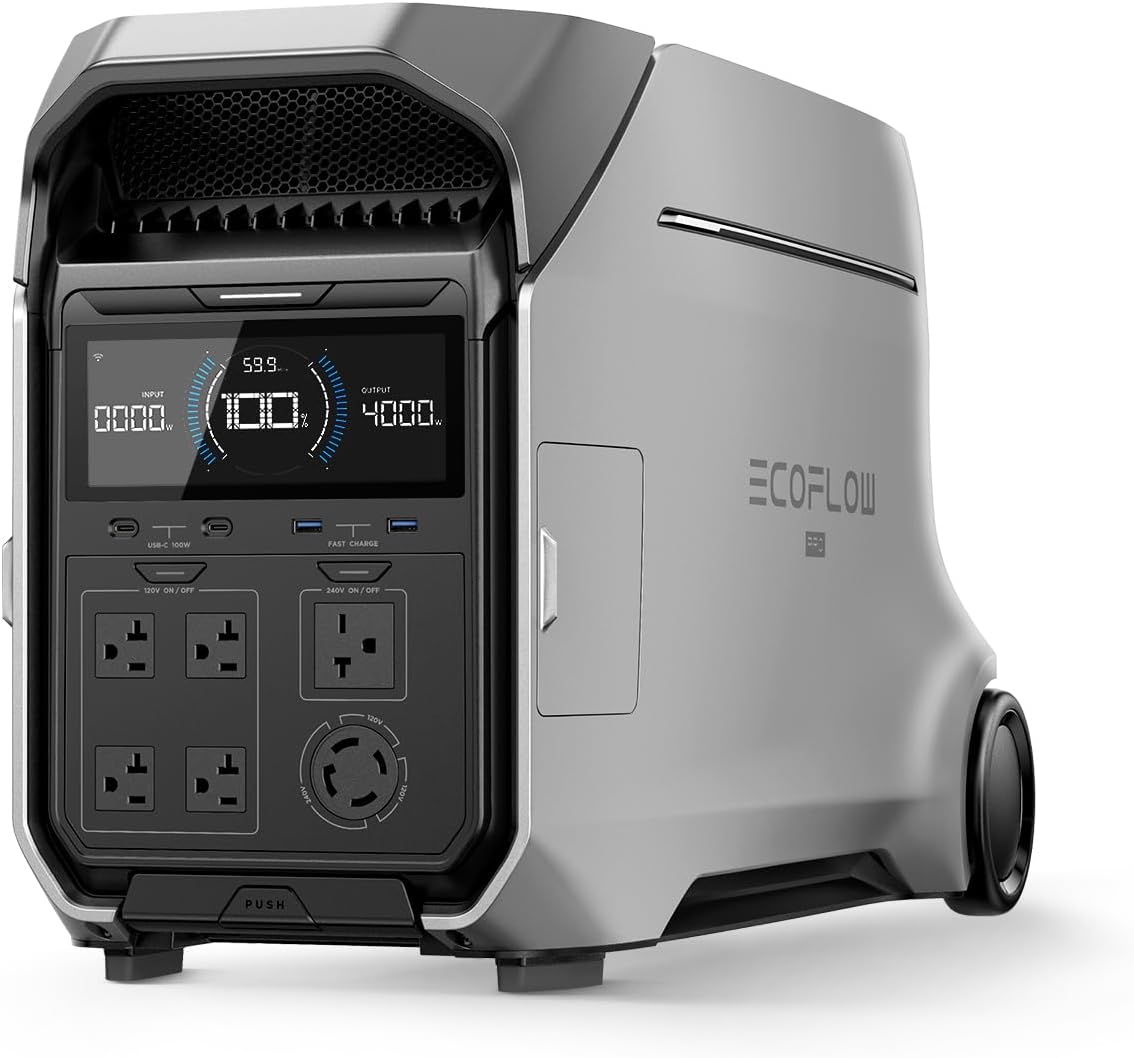
EcoFlow
The ultimate home backup power station. The DELTA Pro 3 can power your entire home during an outage and expand to a massive 48kWh with additional batteries.
Capacity
4096Wh
Output
4000W
Weight
115 lbs
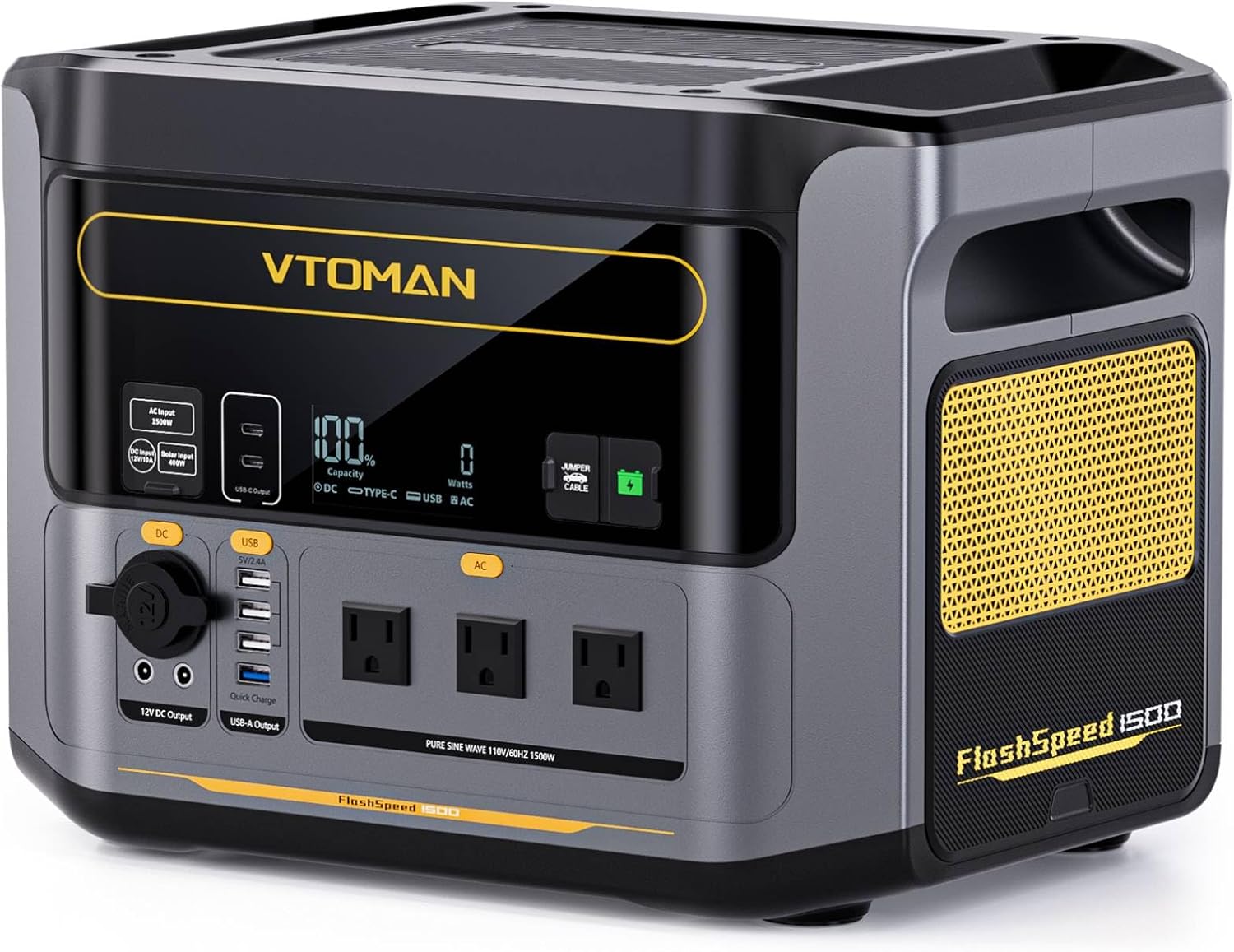
VTOMAN
A value-packed challenger from VTOMAN. The FlashSpeed 1500 offers more capacity per dollar than most big-name competitors, with V-Beyond technology to handle high-draw devices.
Capacity
1548Wh
Output
1500W
Weight
41 lbs
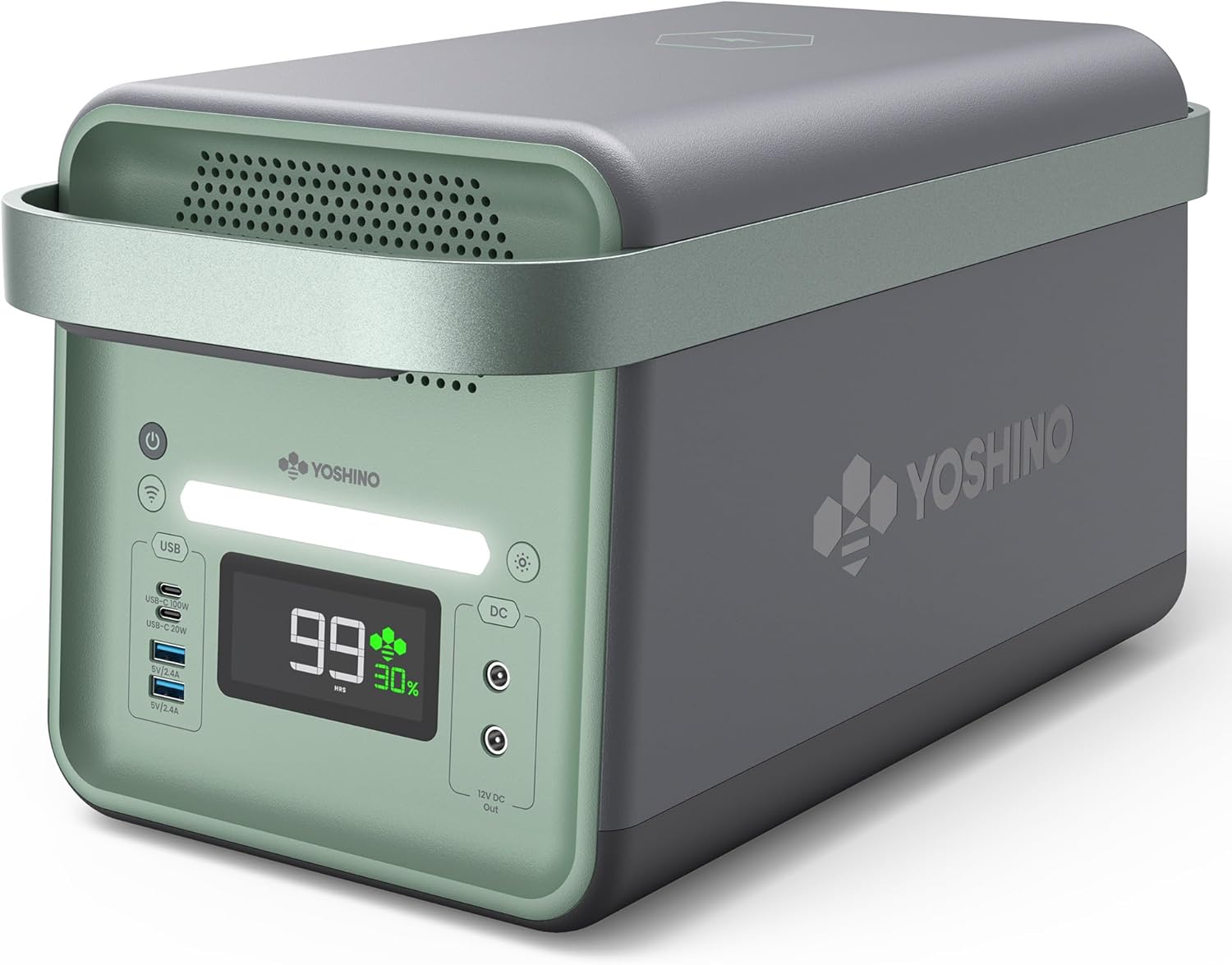
Yoshino
The first solid-state battery power station worth considering. At 31 lbs for 1,326Wh, the Yoshino B2000 SST is remarkably light and powerful — if you trust the new tech.
Capacity
1326Wh
Output
2000W
Weight
31.3 lbs
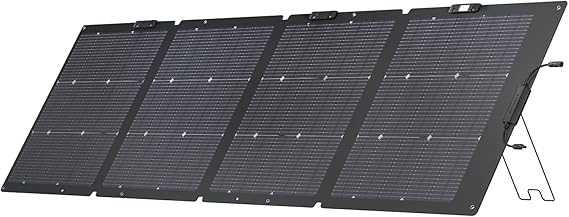
EcoFlow's highest-output portable solar panel with bifacial N-type cells that capture reflected light from both sides. Built-in kickstand and IP68 rating make it ideal for any outdoor setup.
Wattage
220W
Weight
20.7 lbs
Efficiency
23%
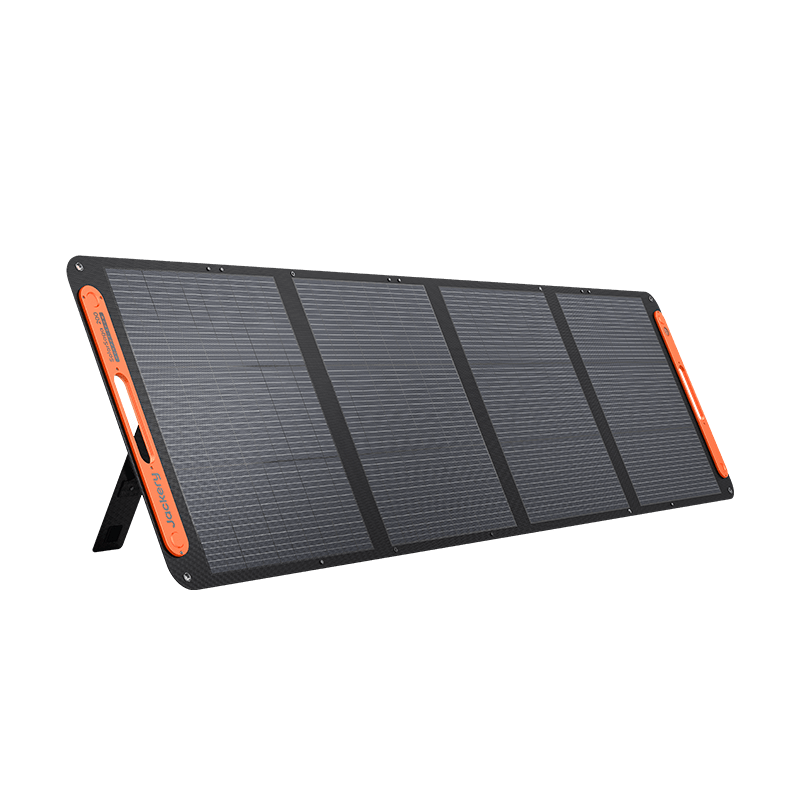
Jackery
Jackery's flagship foldable solar panel with the highest cell efficiency in its class at 24.3%. Designed for seamless pairing with Jackery Explorer power stations.
Wattage
200W
Weight
17.6 lbs
Efficiency
24.3%
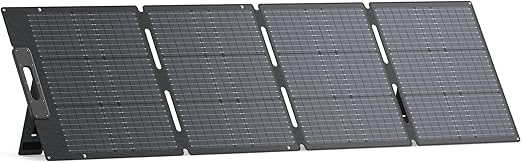
Bluetti
The best value in 200W portable solar panels. Standard MC4 connectors make it compatible with nearly any power station, and at 16 lbs it's the lightest in its class.
Wattage
200W
Weight
16.1 lbs
Efficiency
23.4%
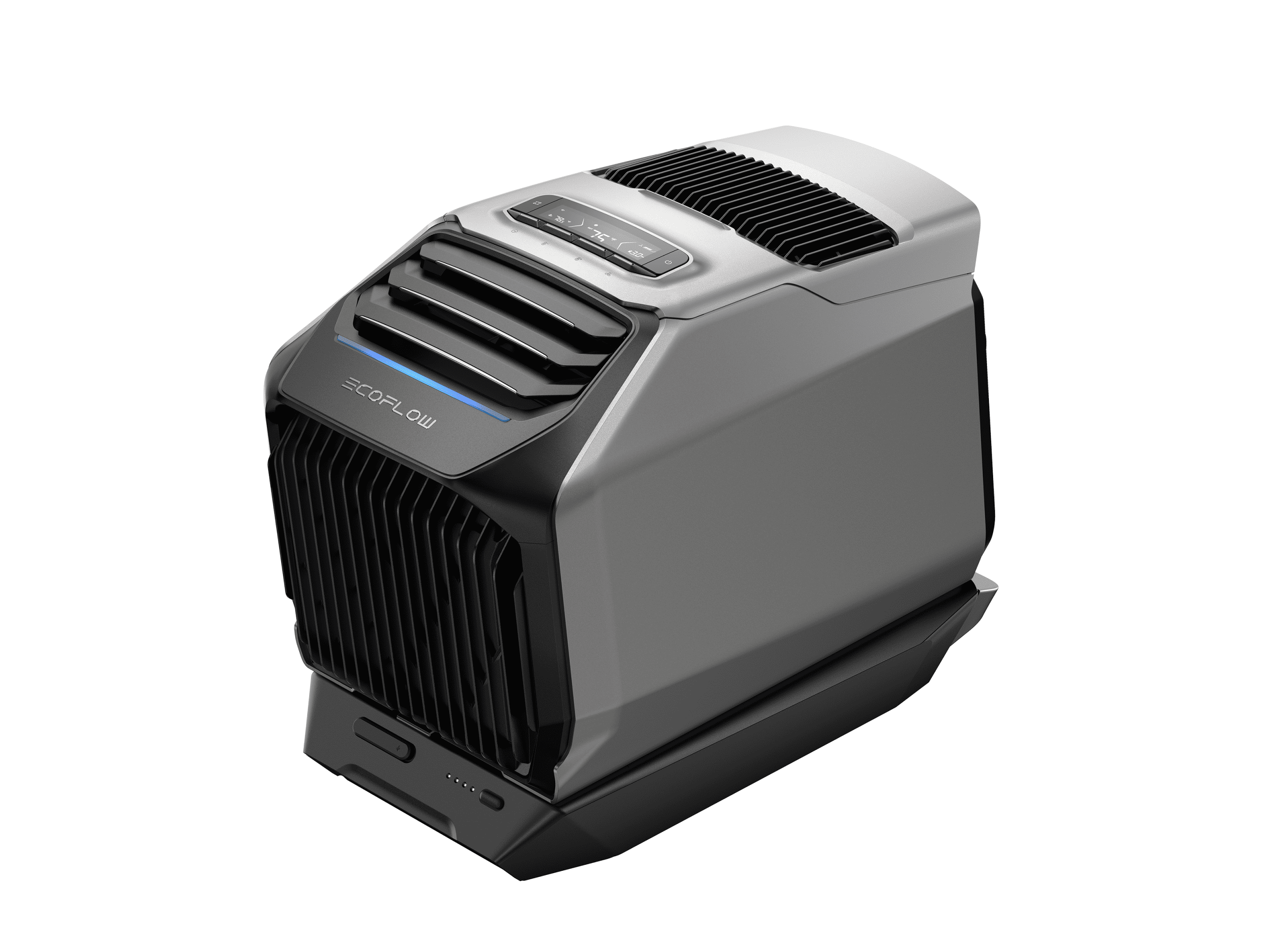
EcoFlow
A battery-compatible portable AC with both cooling and heating. Runs on AC power, 12V DC, or EcoFlow's add-on battery for fully off-grid climate control.
BTU
5100BTU
Weight
30.9 lbs
Battery
1159Wh
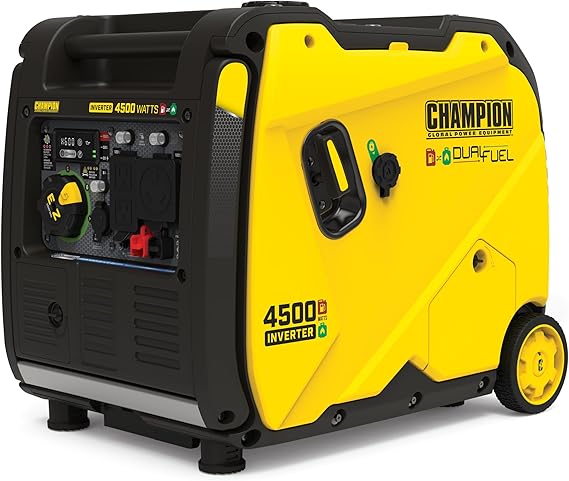
Champion
A powerful dual-fuel inverter generator with electric start and RV-ready outlets. The fuel flexibility and 14-21 hour runtime make it ideal for extended outages and RV trips.
Watts
3500W
Weight
104 lbs
Noise
61dB
Battle Born
The gold standard in lithium RV batteries. Battle Born's 100Ah LiFePO4 offers a 10-year warranty, 3,000-5,000 cycle life, and drop-in replacement simplicity that justifies the premium price.
Capacity
100Ah
Amps
100A
Weight
31 lbs
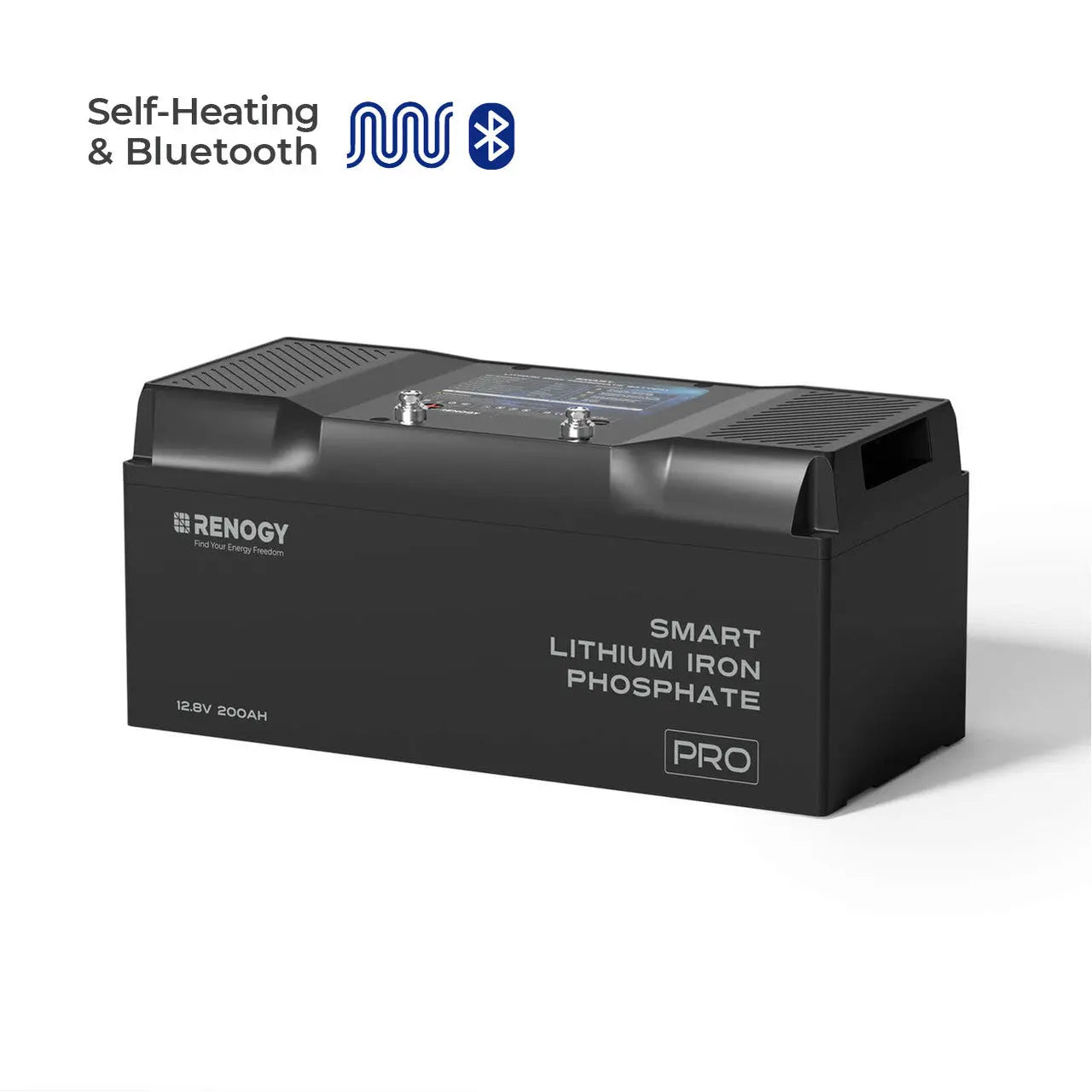
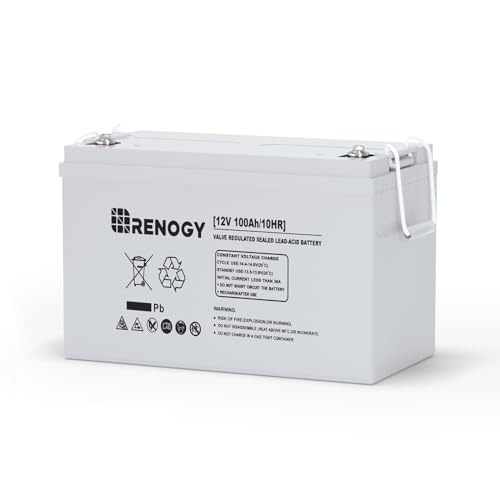
Renogy
The best value in high-capacity RV batteries. 200Ah with built-in Bluetooth monitoring and a self-heating BMS that enables charging in sub-freezing temperatures — all for $700.
Capacity
200Ah
Amps
200A
Weight
52.9 lbs
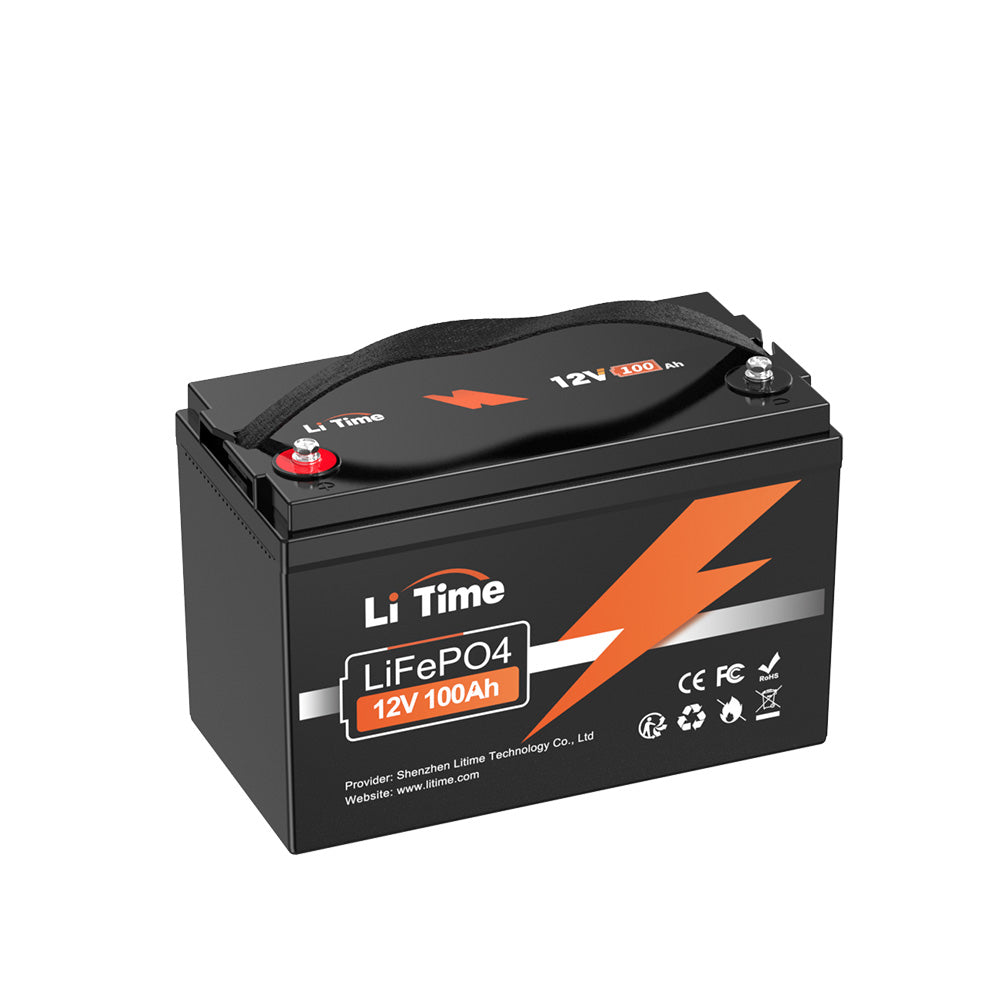
The best budget LiFePO4 battery for RV and marine use. At roughly $260 for 100Ah, LiTime delivers 4,000+ cycle longevity at a fraction of premium brand pricing.
Capacity
100Ah
Amps
100A
Weight
24.3 lbs
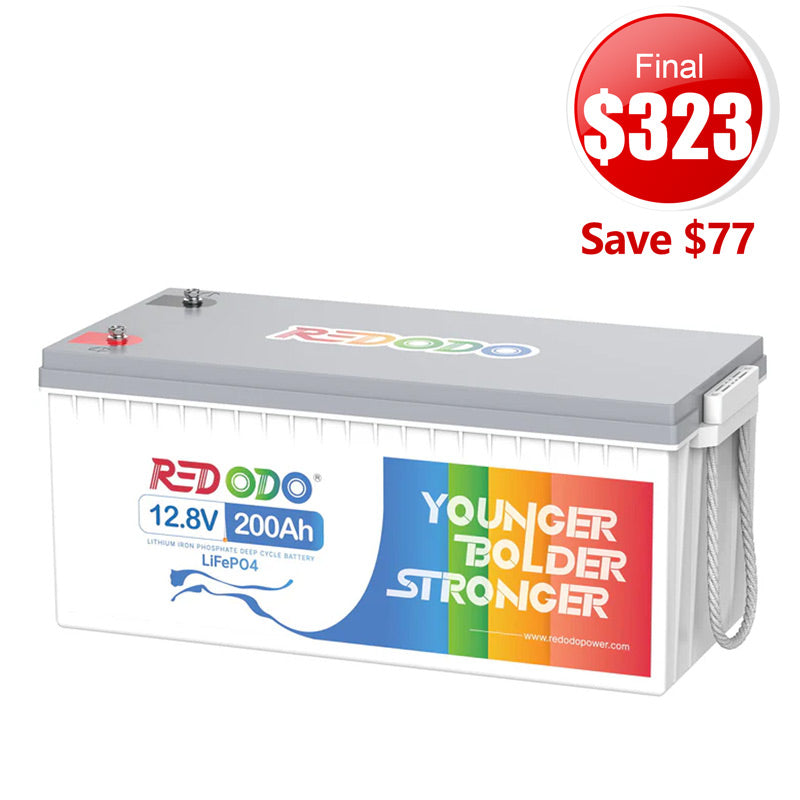
A high-capacity 200Ah battery at a rock-bottom price point. Redodo's 200A BMS and support for series/parallel configurations make it ideal for building large off-grid battery banks.
Capacity
200Ah
Amps
200A
Weight
47.1 lbs
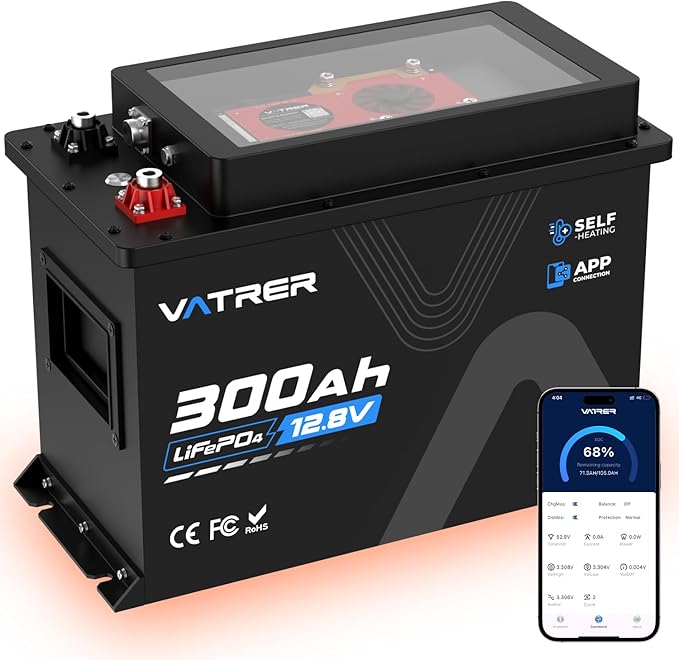
The go-to single-unit high-capacity battery. 300Ah with Bluetooth monitoring at ~$650 eliminates the need for parallel wiring two 150Ah batteries.
Capacity
300Ah
Amps
200A
Weight
67.7 lbs
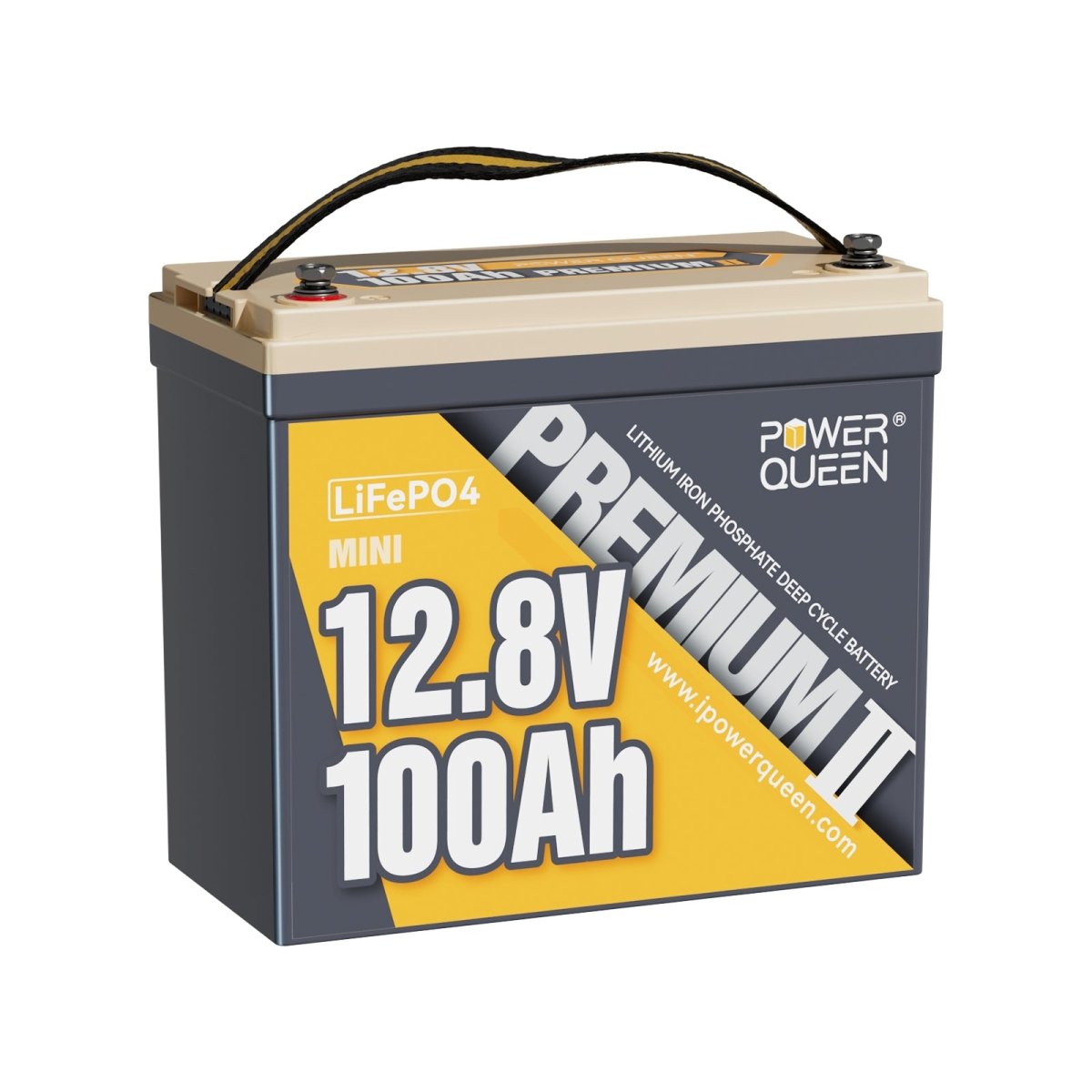
Power Queen
The smallest and lightest 100Ah LiFePO4 battery available. Power Queen's mini form factor and sub-$200 price make it perfect for kayaks, small boats, and tight RV compartments.
Capacity
100Ah
Amps
100A
Weight
18.5 lbs
Dakota Lithium
The premium choice for extreme conditions. Dakota Lithium's 11-year warranty and cold-weather performance justify the higher price for boaters, hunters, and off-gridders who demand reliability.
Capacity
100Ah
Amps
100A
Weight
30 lbs
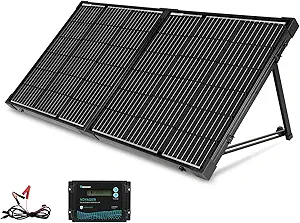
Renogy's best-selling portable panel delivers reliable 100W output in a rugged, foldable package with universal connectors for broad compatibility.
Wattage
100W
Weight
10.6 lbs
Efficiency
23%
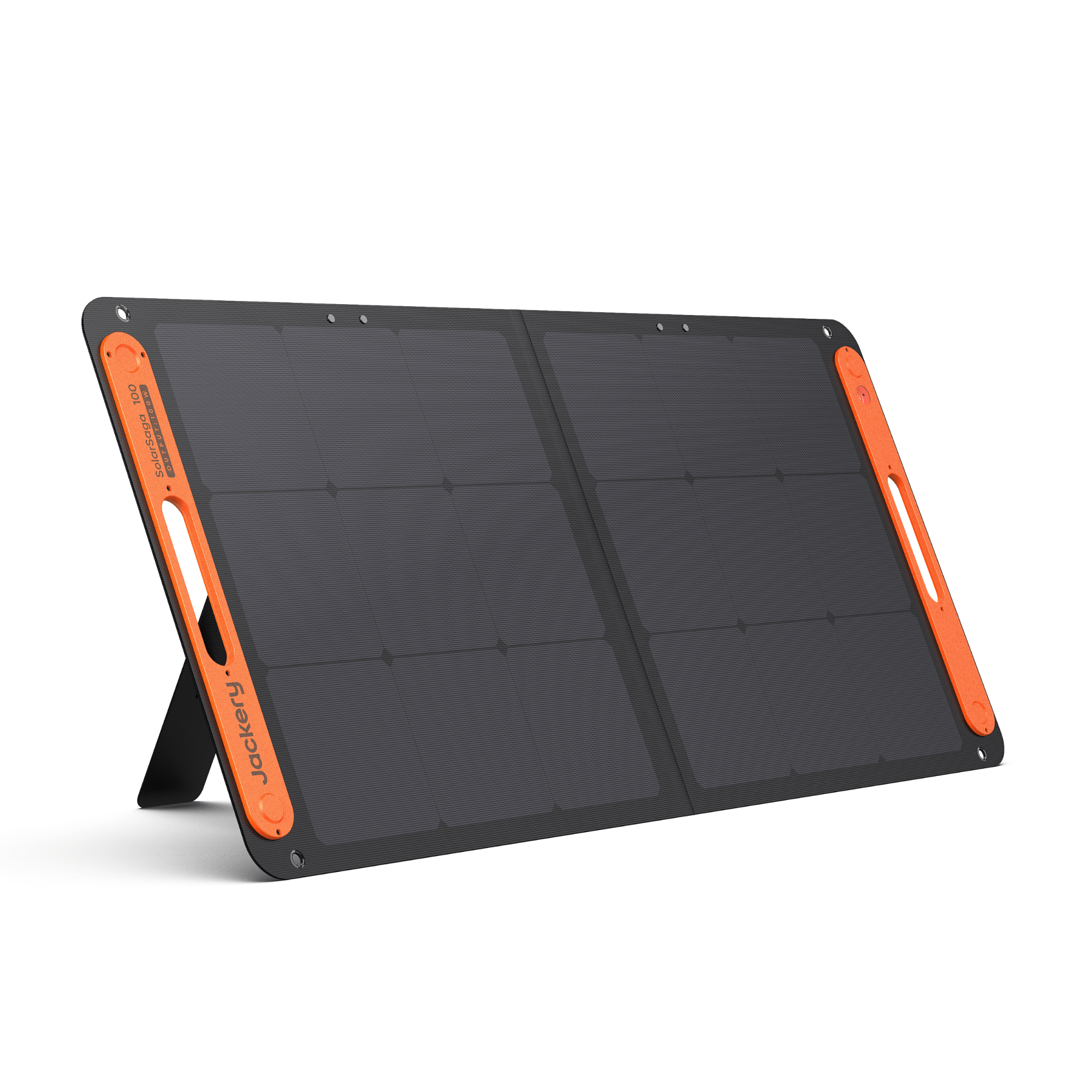
Jackery
Jackery's most popular solar panel with the highest cell efficiency in the 100W class. Built-in USB ports make it great for direct device charging.
Wattage
100W
Weight
10.33 lbs
Efficiency
24%
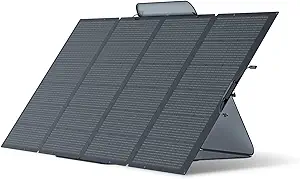
EcoFlow's most powerful portable solar panel delivers 400W from a single foldable unit. Ideal for RV owners who need fast charging.
Wattage
400W
Weight
35.3 lbs
Efficiency
23%
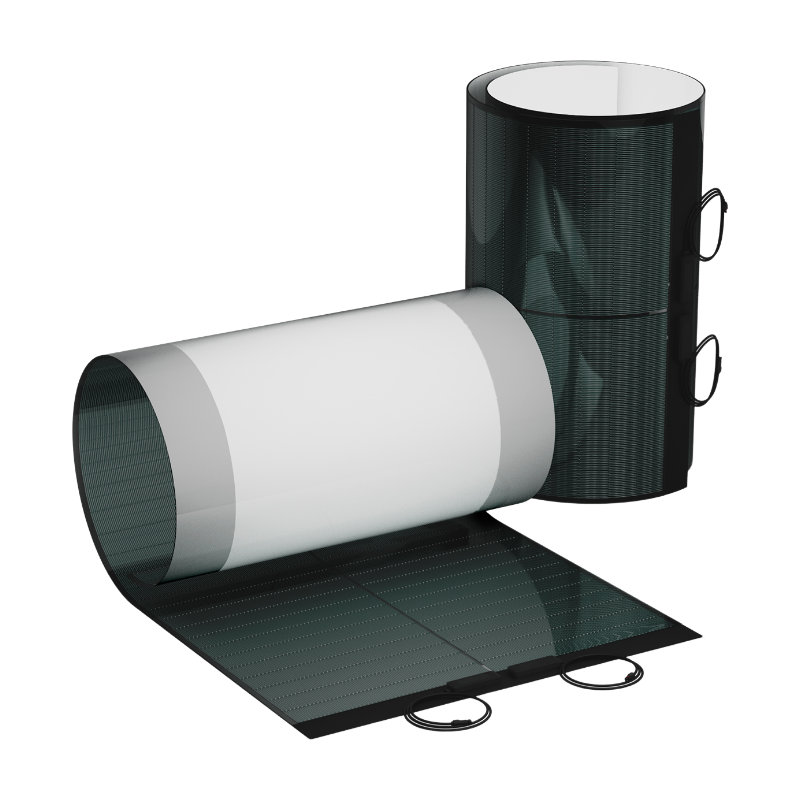
BougeRV's Yuma 200W offers the best price-to-wattage ratio in its class. CIGS thin-film cells give it an edge in cloudy or shaded conditions.
Wattage
200W
Weight
16.1 lbs
Efficiency
23.5%
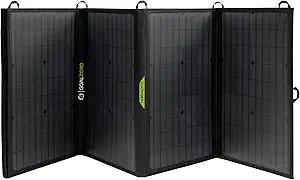
Goal Zero
Goal Zero's premium 100W foldable panel built for durability. Overpriced vs Renogy alternatives, but the build quality justifies it for Goal Zero users.
Wattage
100W
Weight
10 lbs
Efficiency
22%
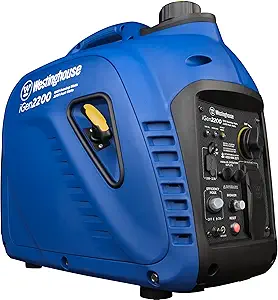
Westinghouse
A reliable inverter generator that delivers Honda-like performance at nearly half the price. The iGen2200 is the best value in the 2200W class.
Watts
1800W
Weight
46 lbs
Noise
52dB
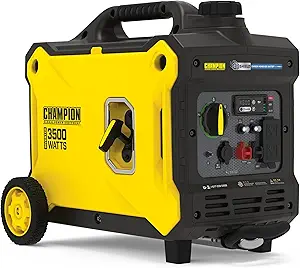
Champion
A mid-range inverter generator with electric start and RV-ready outlets. Strong output for home backup at a reasonable price.
Watts
3150W
Weight
95.7 lbs
Noise
59dB
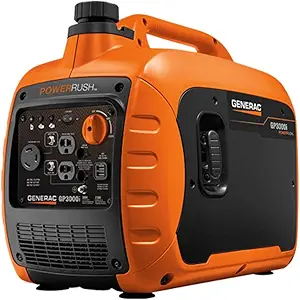
Generac
Generac's portable inverter generator with PowerRush technology for extra starting power. Ideal for RV owners and emergency home backup.
Watts
2300W
Weight
59.5 lbs
Noise
57dB
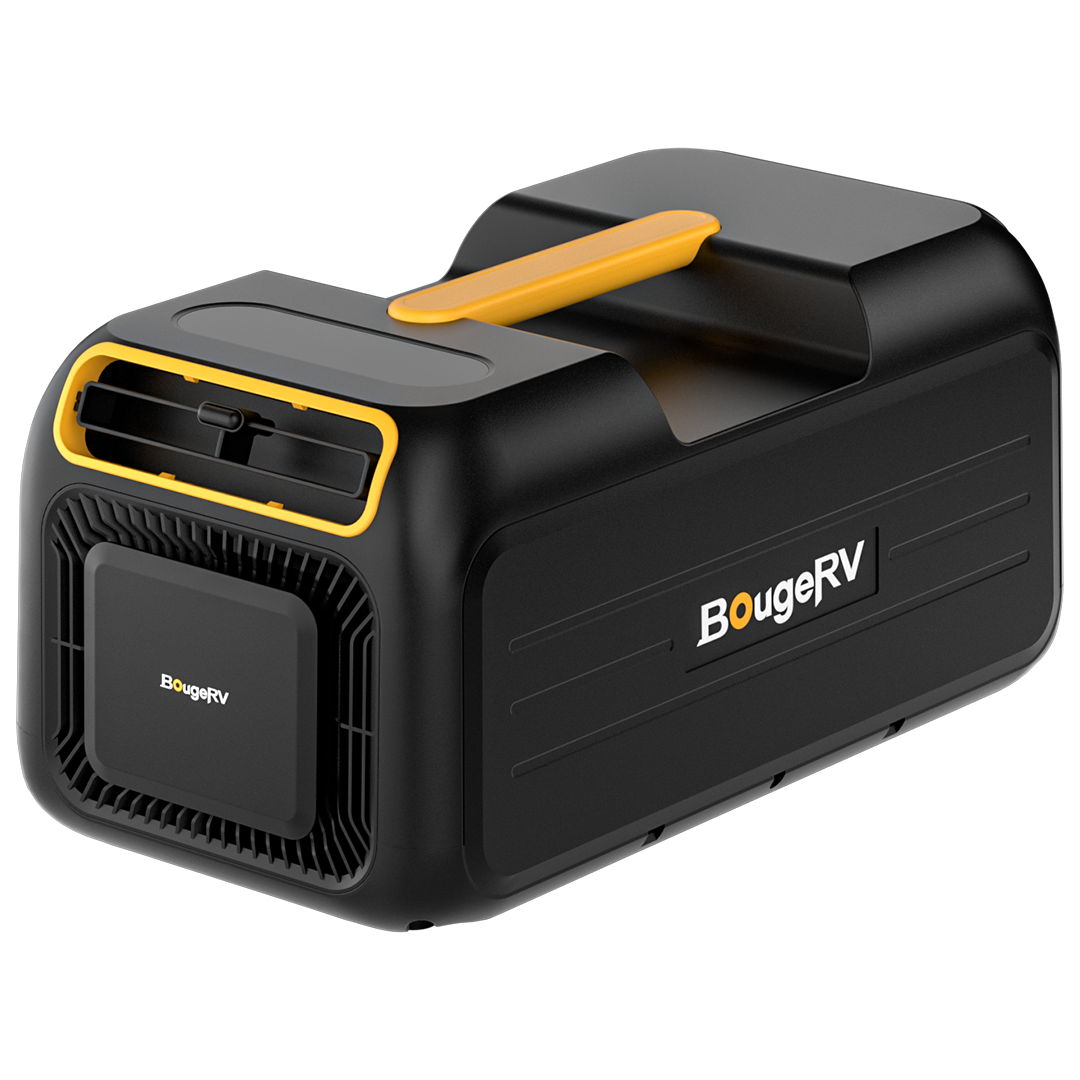
BougeRV
BougeRV's entry into portable AC offers solid cooling at a lower price point. Works on 12V/24V DC power for direct vehicle integration.
BTU
2899BTU
Weight
27.6 lbs
Battery
0Wh
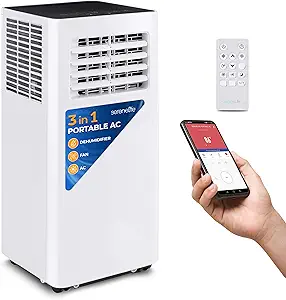
SereneLife
A traditional portable AC sized for RVs and small rooms. At $350 for 10,000 BTU, it delivers real cooling power when you have shore power available.
BTU
10000BTU
Weight
52.9 lbs
Battery
0Wh

BLACK+DECKER
A reliable traditional portable AC from BLACK+DECKER with self-evaporating technology. Best for RVs with shore power or small rooms at home.
BTU
8000BTU
Weight
52.5 lbs
Battery
0Wh
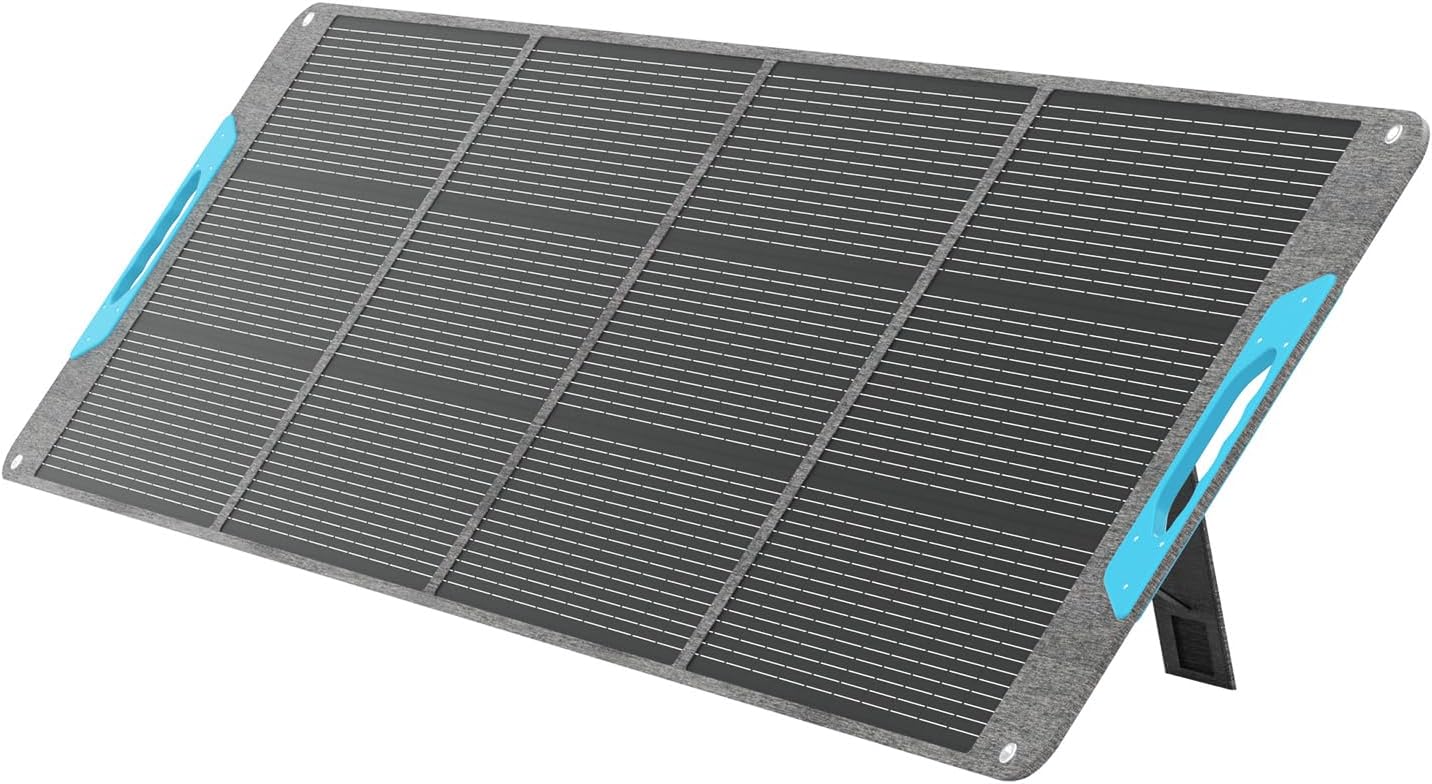
A budget-friendly 200W foldable panel with modern N-Type cells and built-in USB ports. Best value in the 200W class at just $200.
Wattage
200W
Weight
13.89 lbs
Efficiency
25%

Anker
The Gen 2 upgrade to Anker's best-selling power station. Faster charging, higher output, and a smaller, lighter design make it the new benchmark in the 1000Wh class.
Capacity
1024Wh
Output
2000W
Weight
23.9 lbs

Jackery
Jackery's quietest and most efficient 2kWh power station. The v2 rebuild swaps to LiFePO4, cuts weight significantly, and adds UPS functionality — all at a lower price than the 2000 Plus.
Capacity
2042Wh
Output
2200W
Weight
39.5 lbs
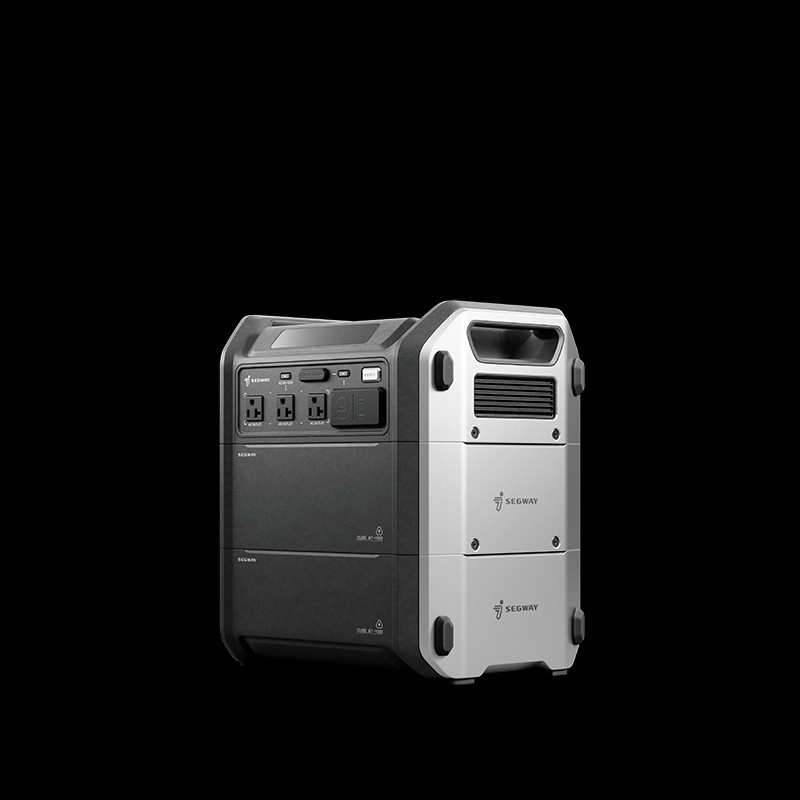
The Segway Cube 2000 delivers 2048Wh of LiFePO4 capacity with IP56 weather protection and expandability to 5kWh — all for an astonishing $539 that makes every competitor look overpriced.
Capacity
2048Wh
Output
2200W
Weight
57.5 lbs
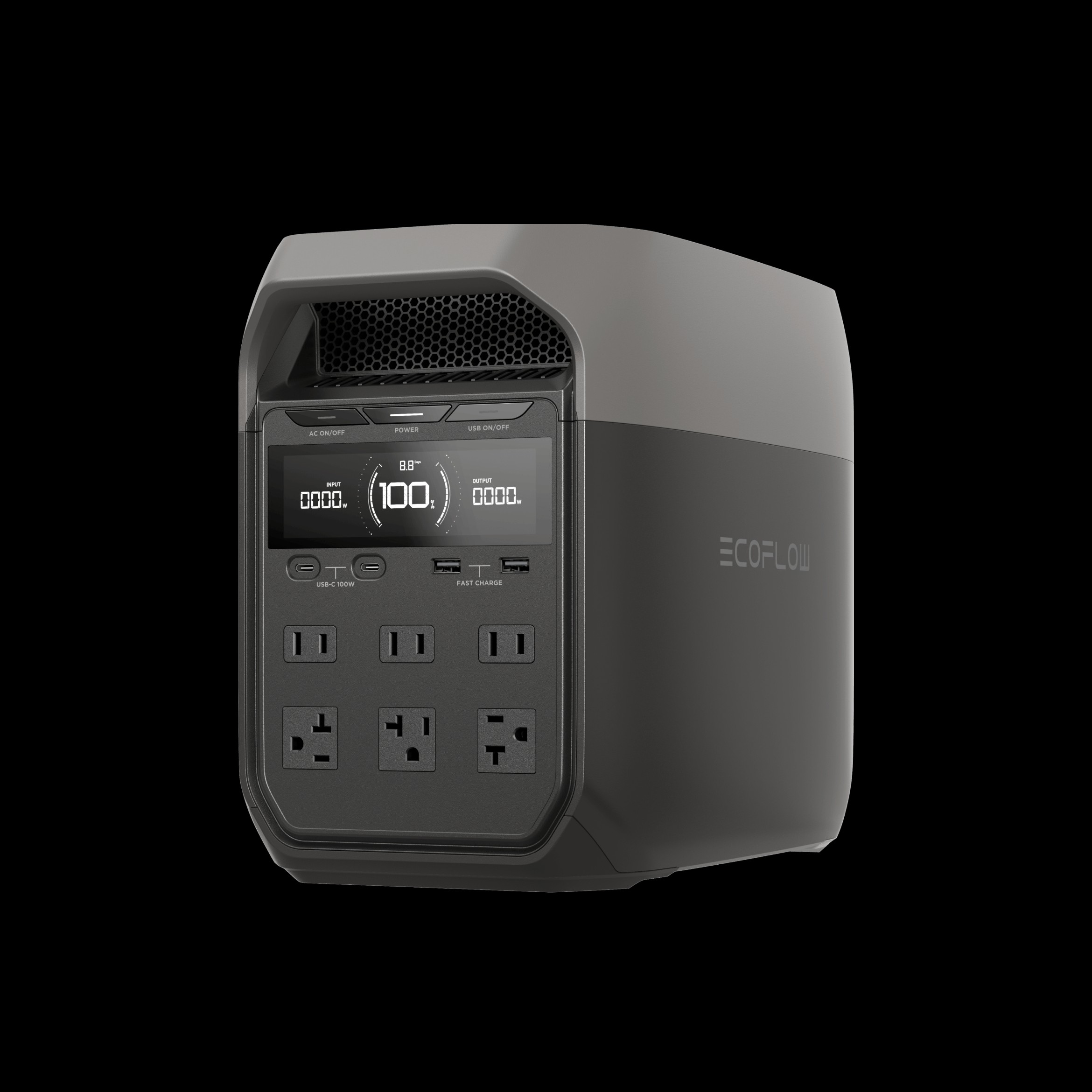
EcoFlow
The EcoFlow DELTA 3 delivers 1024Wh of LiFePO4 power with a 56-minute charge, IP65 battery protection, and whisper-quiet operation — all for $200 less than the DELTA 3 Plus.
Capacity
1024Wh
Output
1800W
Weight
27.6 lbs
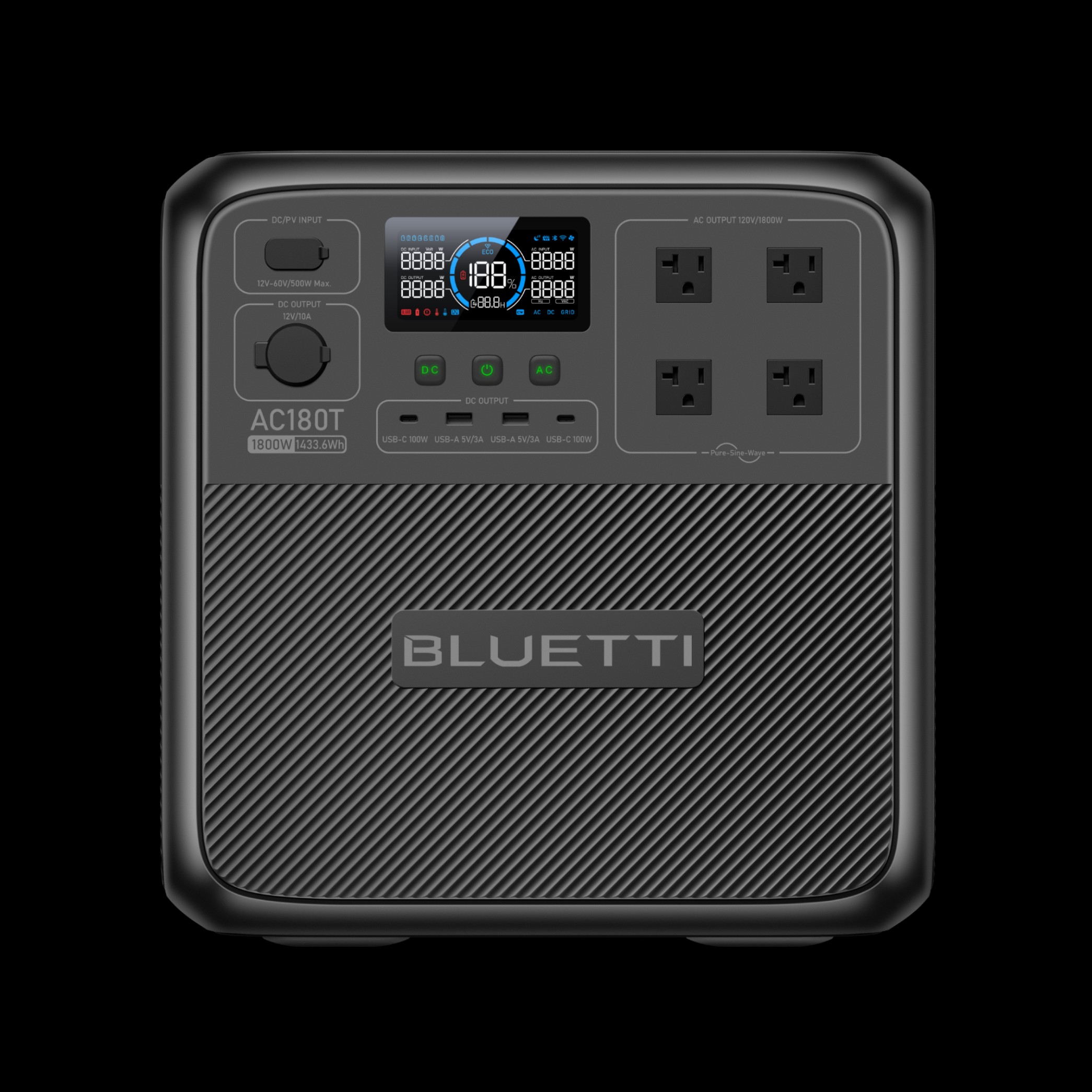
Bluetti
The first power station with hot-swappable batteries. The Bluetti AC180T lets you swap 716Wh battery packs on the fly — share them with BLUETTI's MultiCooler fridge or carry spares for unlimited runtime.
Capacity
1433Wh
Output
1800W
Weight
58.4 lbs
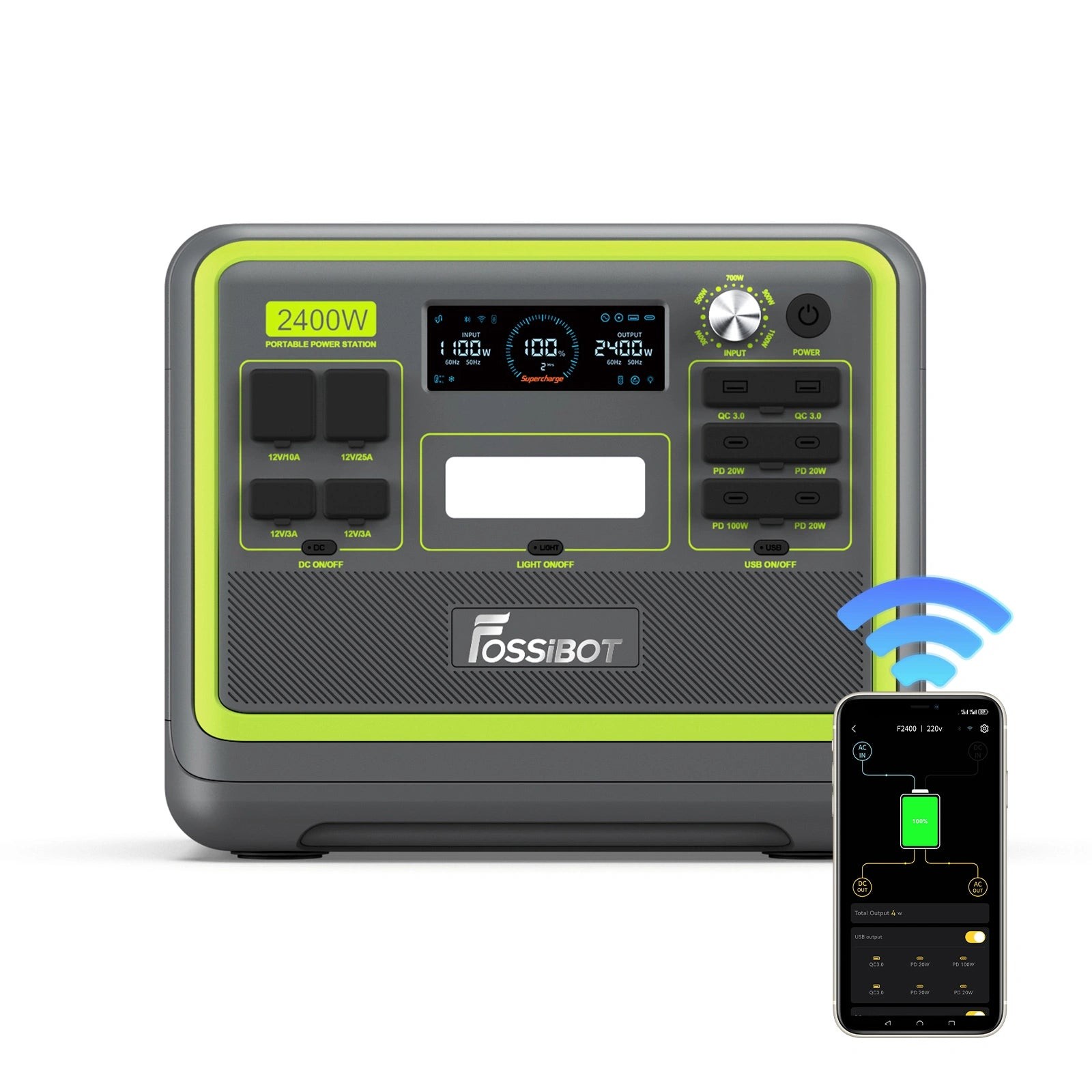
FOSSiBOT
The FOSSiBOT F2400 packs 2048Wh of LiFePO4 capacity and 2400W output into a sub-$600 package — the most watts and watt-hours per dollar you can buy from any brand.
Capacity
2048Wh
Output
2400W
Weight
48.5 lbs
It depends on your usage pattern. For weekend trips with moderate use (LED lights, phone charging, a 12V fridge, and occasional laptop use), a 1,000-2,000Wh station is sufficient. For extended boondocking where you need to run a microwave, coffee maker, or hair dryer, look at 2,000-4,000Wh systems. Full-timers running air conditioning will need 4,000Wh+ with solar panels for daily recharging, or a dedicated LiFePO4 battery bank wired into the RV's system.
Yes, and it is one of the best upgrades you can make. LiFePO4 batteries are a drop-in replacement for lead-acid in most RVs. They weigh about one-third as much, deliver consistent voltage until nearly empty (no dimming lights at 50% charge), and last 3,000-5,000 cycles compared to 300-500 for lead-acid. The main consideration is ensuring your RV's charge controller is compatible with lithium. Most modern converters and solar charge controllers have a lithium setting. Budget $250-$900 per 100Ah battery depending on brand and features.
The ideal setup depends on your roof space and power needs. A common starting point is 200-400W of rooftop panels paired with a 30A MPPT solar charge controller. This can generate 800-1,600Wh per day in good sun, enough to sustain moderate daily use and keep a 200-400Ah lithium battery bank topped off. For portable power stations, matching brand-compatible foldable panels (200W+) is the simplest approach. Mix and match panel brands only if they use standard MC4 connectors.
Power stations are plug-and-play and require zero installation, making them ideal for renters, travel trailers, and anyone who wants to take the power with them when they leave the RV. A dedicated lithium battery bank wired into your RV is more permanent, more powerful, and more cost-effective per watt-hour at scale. Many RVers start with a portable power station and upgrade to a hardwired battery bank as their boondocking ambitions grow.