Jackery
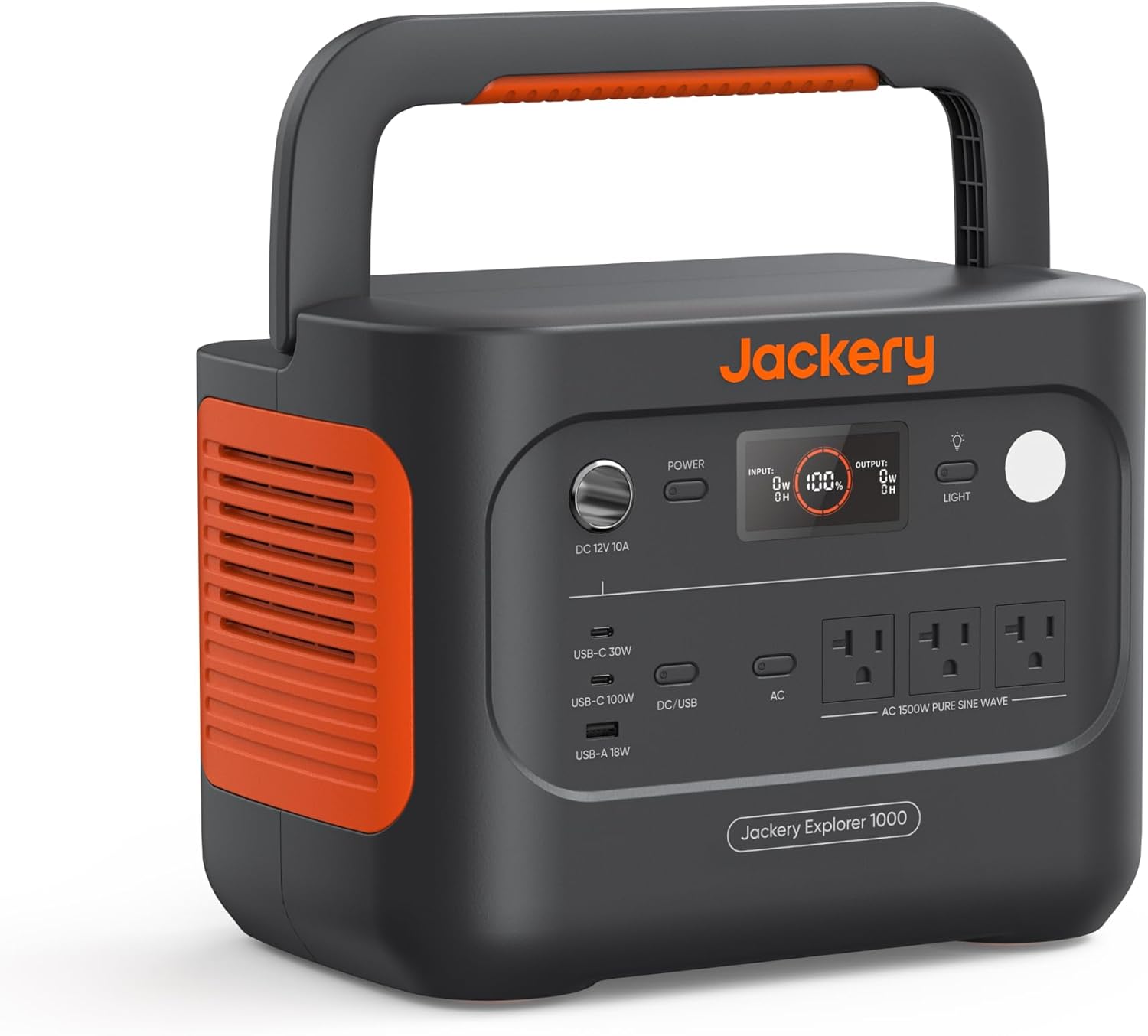
Jackery Explorer 1000 v2
4.5
A reliable, well-rounded power station ideal for camping trips and emergency backup. Fast charging and a lightweight design make it easy to grab and go.
Capacity
1070Wh
Output
1500W
Weight
22 lbs
Whether you are car camping for the weekend or heading deep into the backcountry, the right portable power station keeps your phone charged, your lights on, and your mini-fridge cold. Modern camping power stations have gotten lighter, charge faster with solar panels, and last thousands of cycles thanks to LiFePO4 batteries. We have tested every major option to help you find the best balance of portability, capacity, and ruggedness for your outdoor adventures.
If you are hauling gear to a campsite, every pound matters. Units under 25 lbs are ideal for car camping, while backpackers should look at sub-10 lb models. Check for integrated handles and compact dimensions that fit in your trunk or gear bin.
Solar panels let you recharge off-grid indefinitely. Look for a station with high solar input wattage (200W+) and compatibility with portable panels from the same brand or via standard MC4/XT60 connectors. Bifacial panels can boost output by up to 25%.
LiFePO4 batteries last 3,000 to 6,000 charge cycles, making them the clear winner for frequent campers. They are also safer in high temperatures. Older NMC chemistry is lighter but wears out faster. In 2026, most quality camping stations use LiFePO4.
Think about what you need to charge simultaneously: phones, laptops, LED lights, a CPAP, or a portable fridge. Look for a mix of AC outlets, USB-C (with PD for laptops), USB-A, and a 12V car outlet. More ports means less swapping cables.
Camping means exposure to dust, humidity, and the occasional rain. While most power stations are not fully waterproof, look for units with IP54 or higher ratings, sealed ports, and rugged housing that can handle the outdoors without worry.
Honda · $1149 · 4.8/5
The gold standard in portable inverter generators. Honda's legendary reliability, whisper-quiet 48 dB operation, and clean sine wave output make it the top choice for camping and home backup.
Read full review →EcoFlow · $649 · 4.7/5
EcoFlow's newest mid-range flagship. The DELTA 3 Plus improves on the Delta 2 with faster charging, LiFePO4 chemistry, and UPS functionality — all at a lower price.
Read full review →EcoFlow · $519 · 4.7/5
The EcoFlow DELTA 3 delivers 1024Wh of LiFePO4 power with a 56-minute charge, IP65 battery protection, and whisper-quiet operation — all for $200 less than the DELTA 3 Plus.
Read full review → Jackery
A reliable, well-rounded power station ideal for camping trips and emergency backup. Fast charging and a lightweight design make it easy to grab and go.
Capacity
1070Wh
Output
1500W
Weight
22 lbs
Bluetti
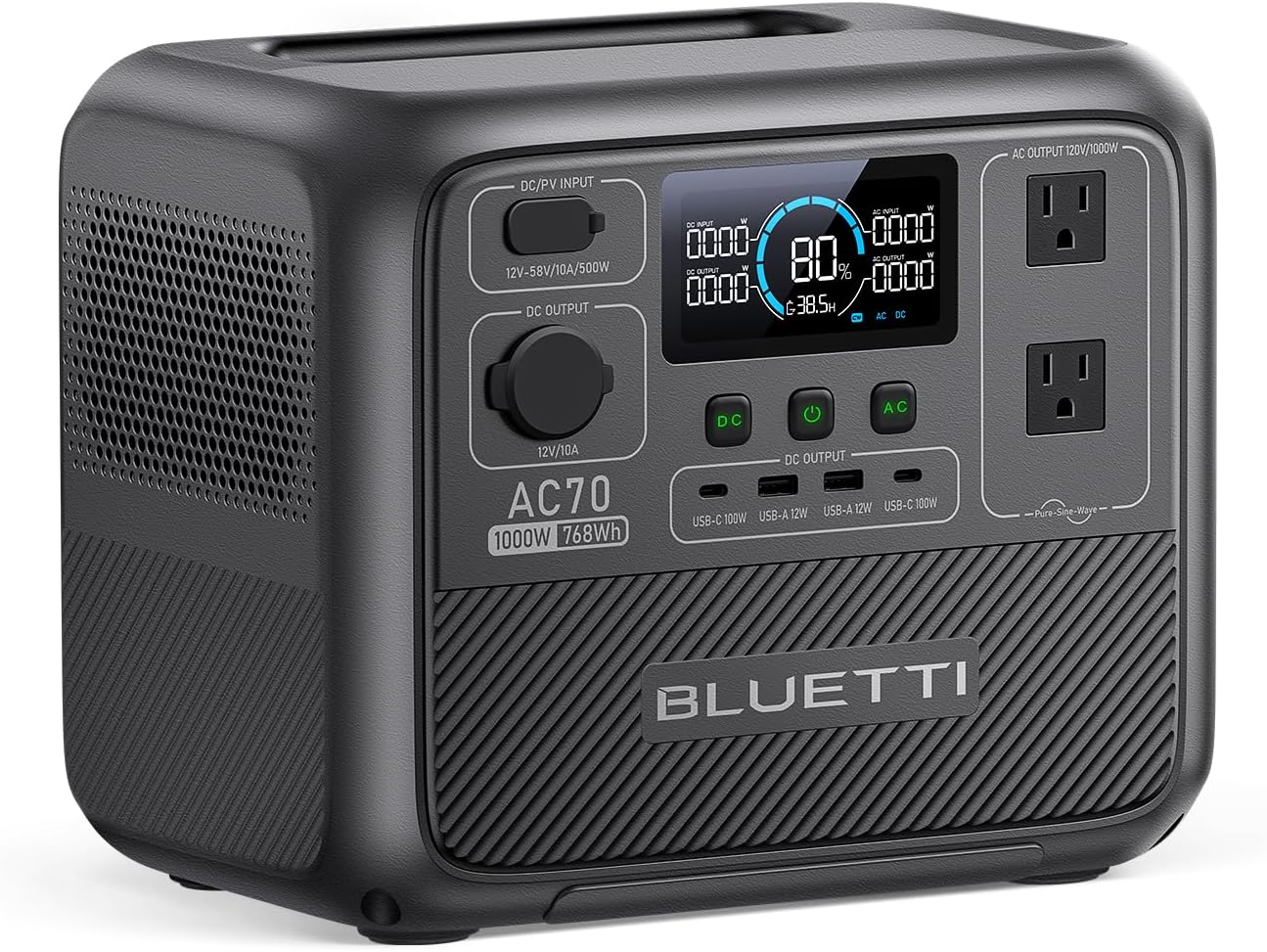
A compact and affordable LiFePO4 power station with blazing-fast charging. The Power Lifting feature lets it punch above its weight class for high-draw appliances.
Capacity
768Wh
Output
1000W
Weight
22.5 lbs
EcoFlow
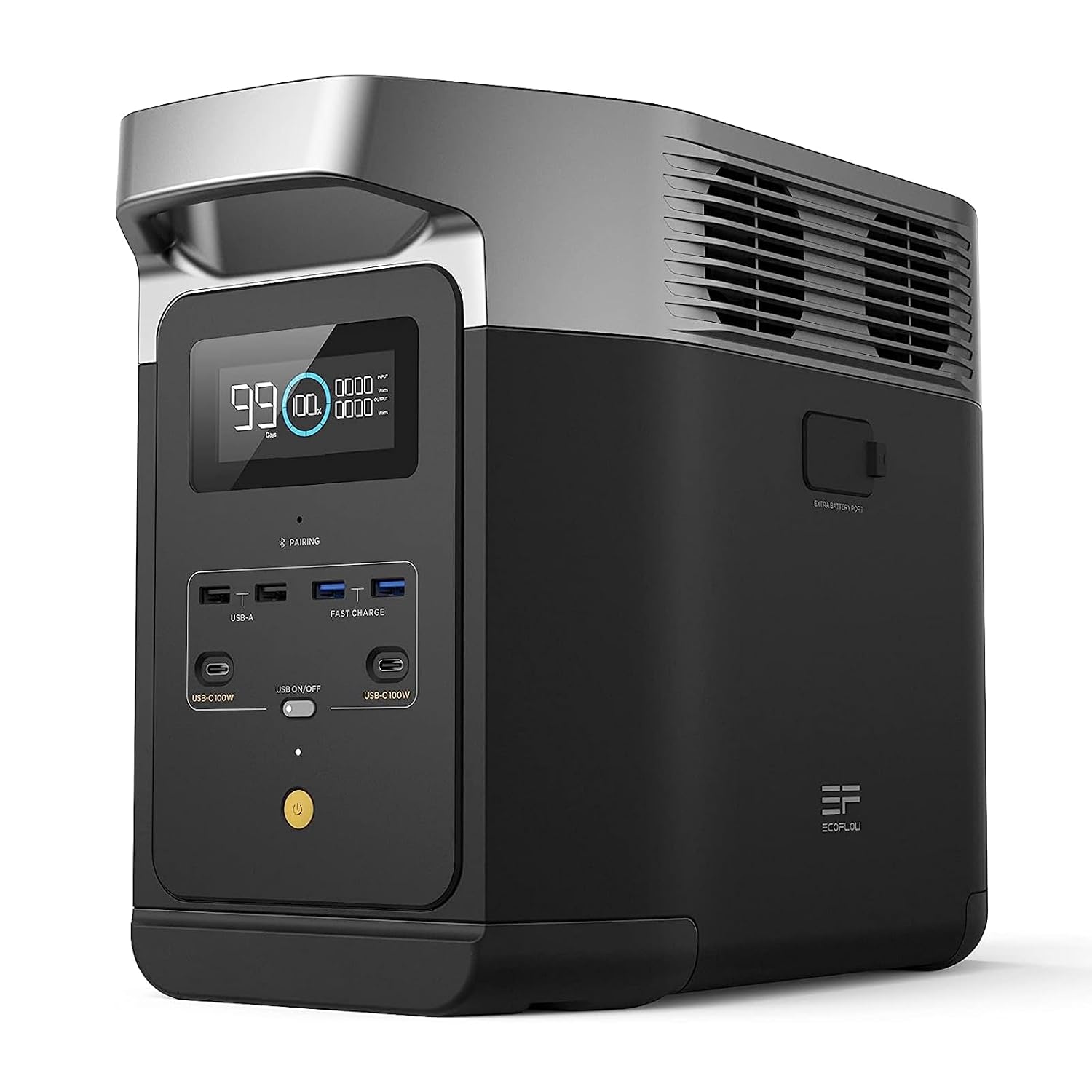
EcoFlow's versatile mid-range station with industry-leading charging speed and expandable capacity. X-Boost technology lets it power appliances beyond its rated wattage.
Capacity
1024Wh
Output
1500W
Weight
27 lbs
Goal Zero
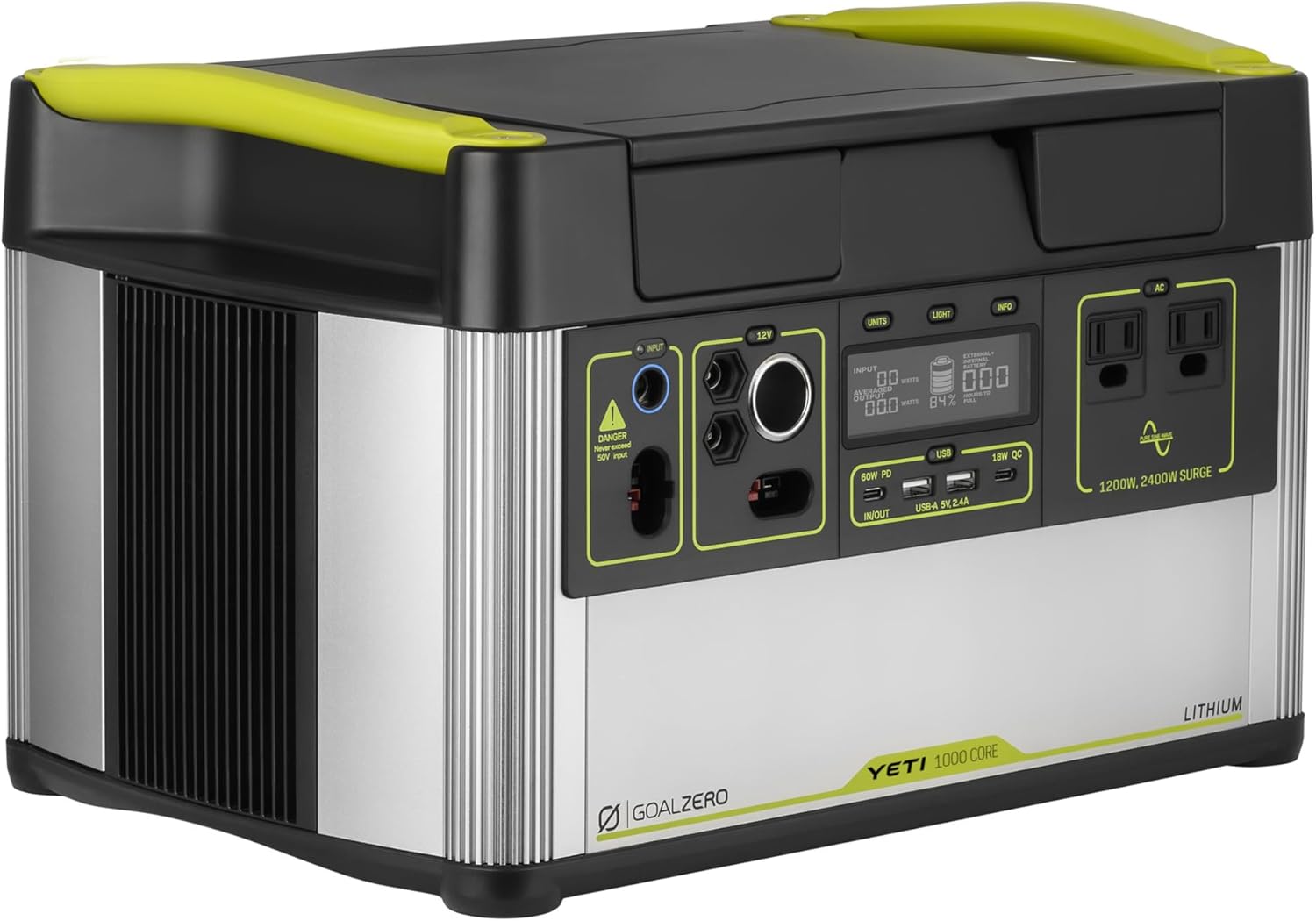
A premium power station from the brand that pioneered portable solar. Excellent build quality but lags behind newer competitors on charging speed and price-to-performance.
Capacity
983Wh
Output
1500W
Weight
31.7 lbs
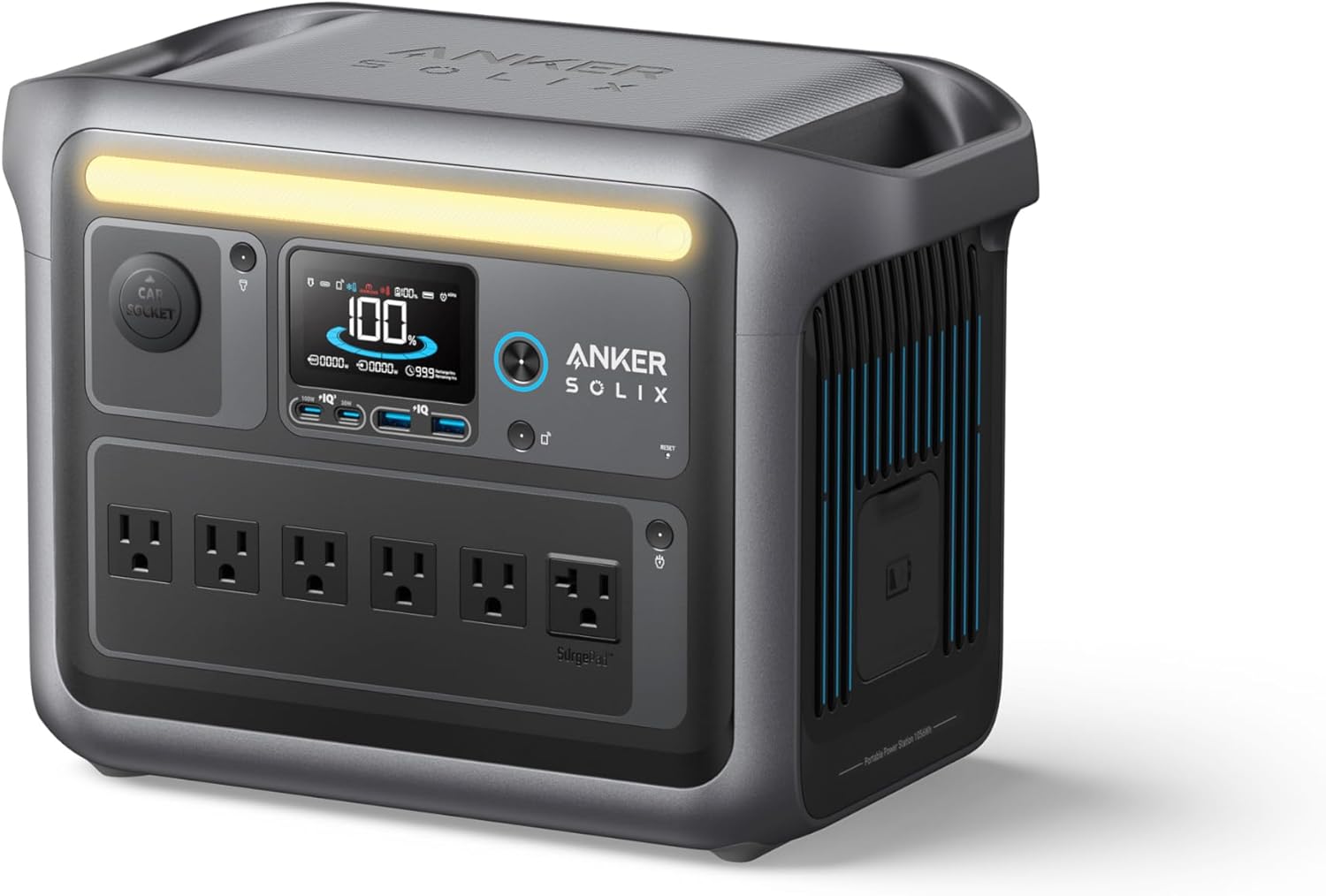
Anker
The best value in the 1000Wh class. Anker brings its charging expertise with a sub-1-hour charge time, LiFePO4 longevity, and an aggressive price that undercuts all competitors.
Capacity
1056Wh
Output
1800W
Weight
26.9 lbs
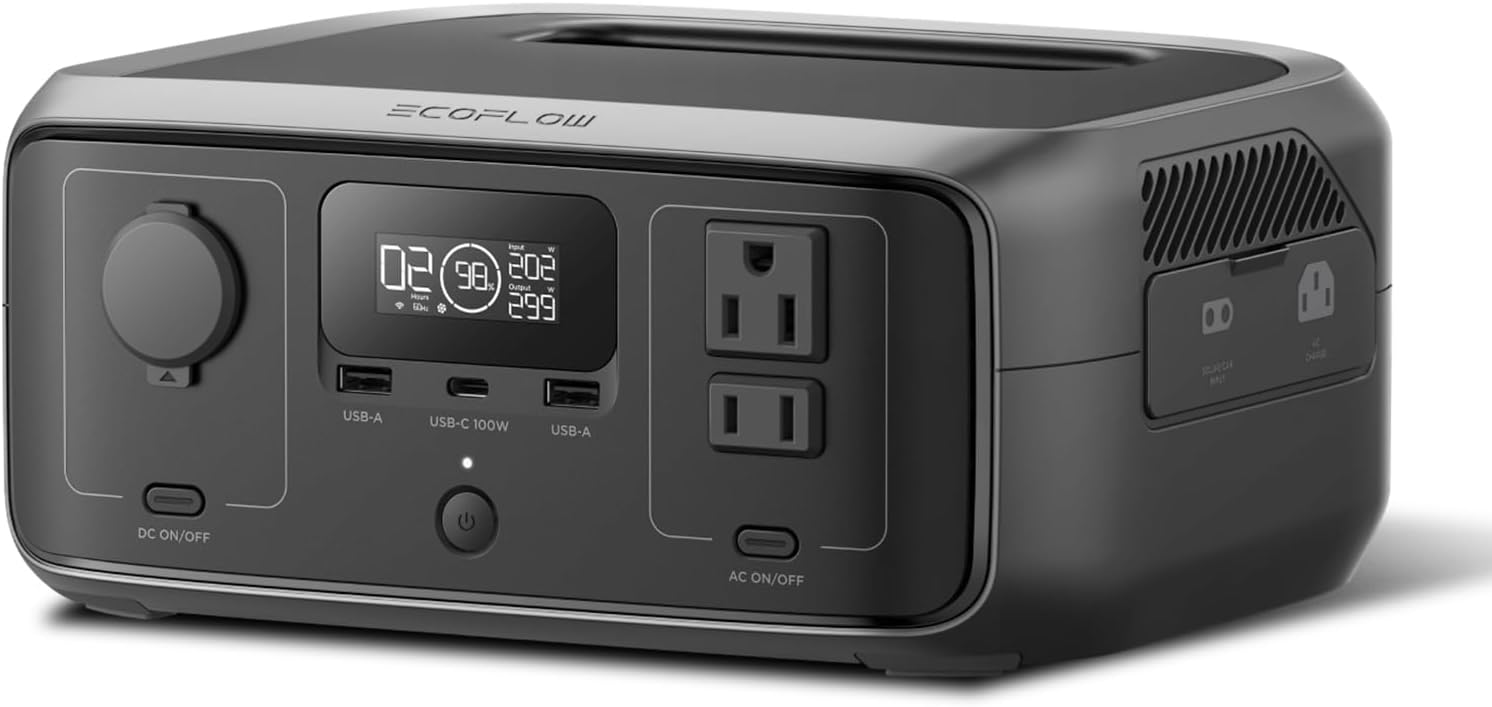
EcoFlow
EcoFlow's most portable power station. At under 8 lbs with a 1-hour charge time, the RIVER 3 is perfect for day trips, phone and laptop charging, and lightweight camping.
Capacity
245Wh
Output
300W
Weight
7.8 lbs
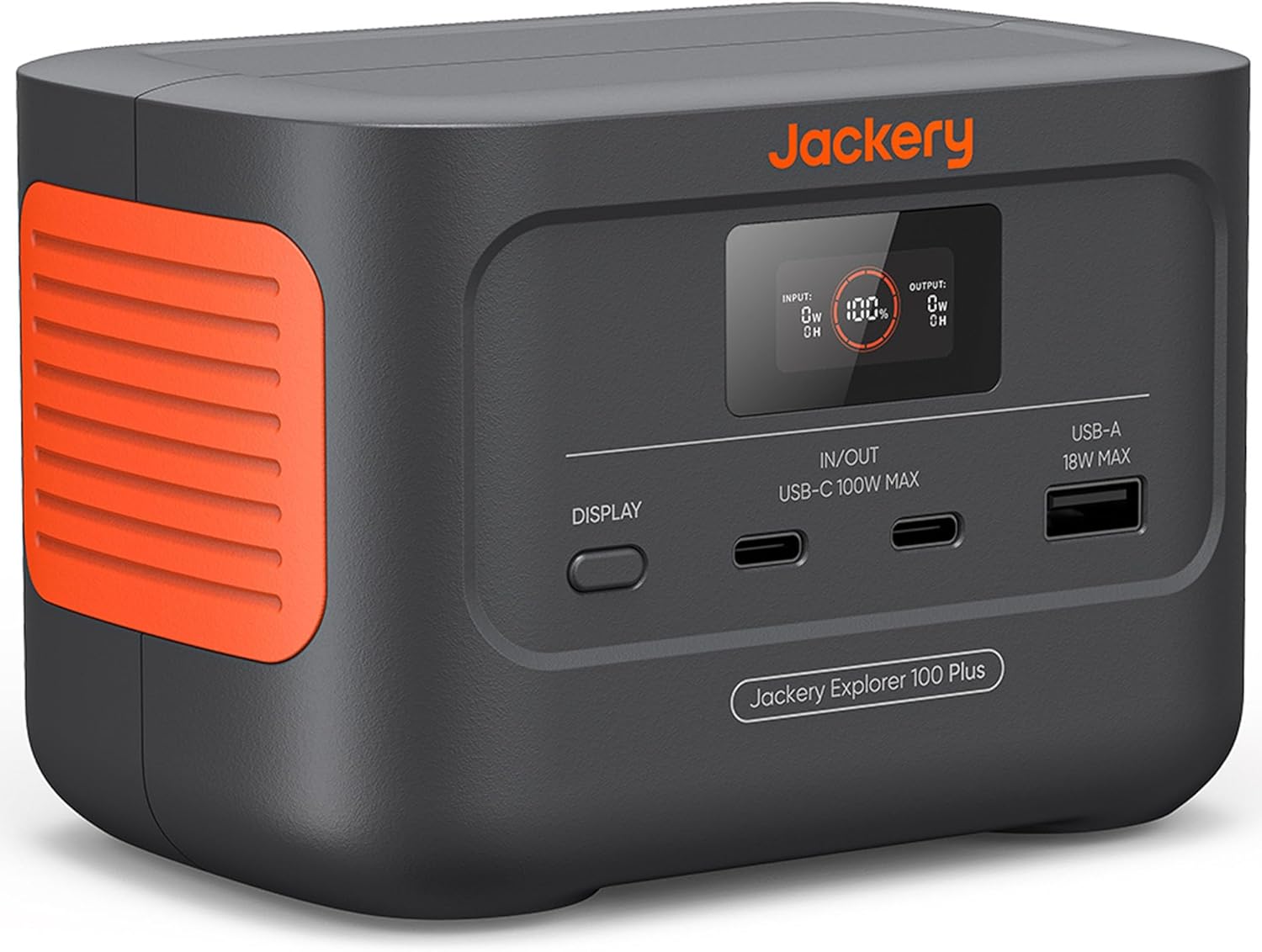
Jackery
The ultimate ultraportable charging station. No AC outlets, but the dual USB-C PD ports can charge laptops and phones anywhere. Weighs about as much as a water bottle.
Capacity
99Wh
Output
128W
Weight
2.1 lbs
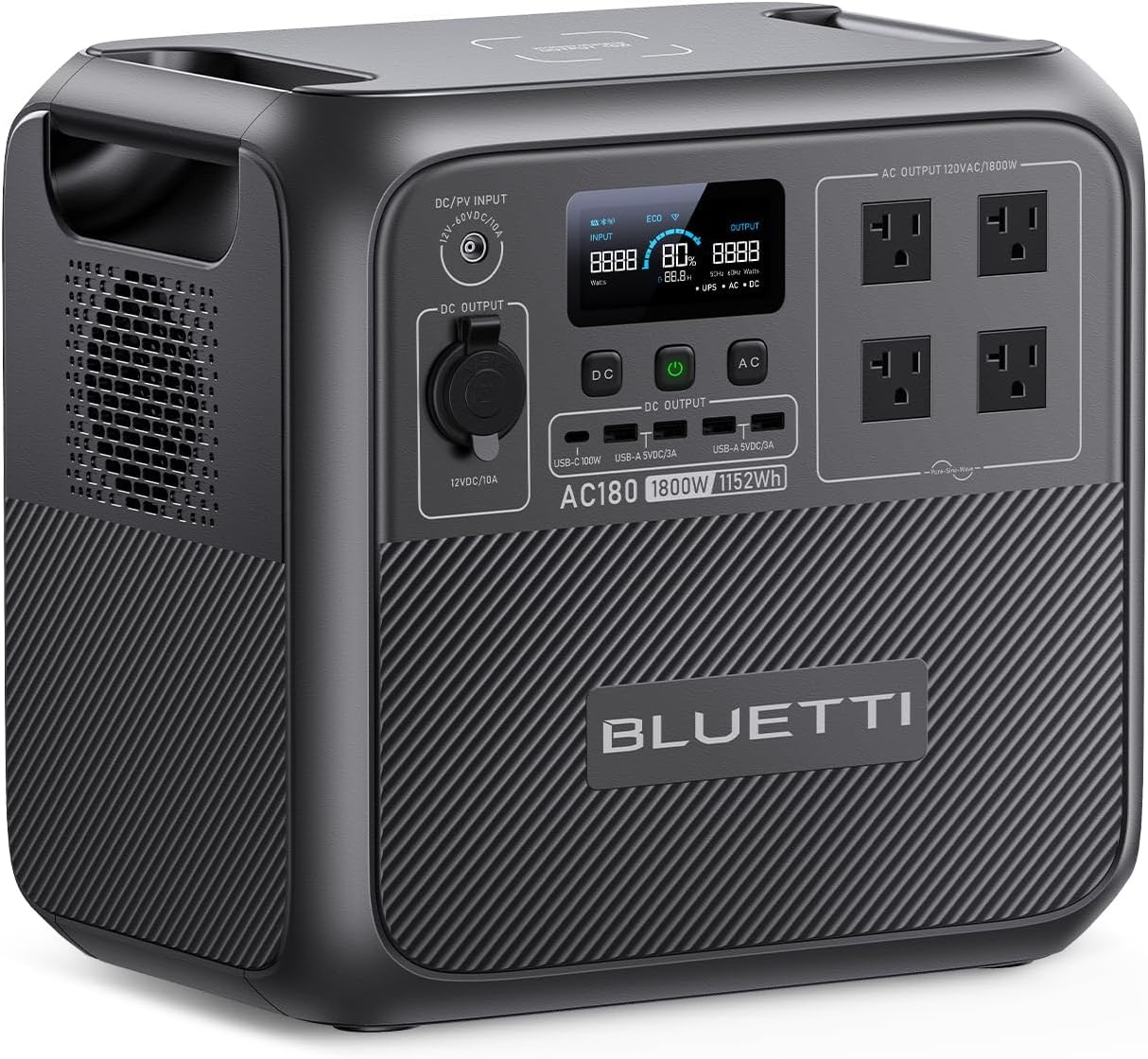
Bluetti
Bluetti's mid-range workhorse with 1,152Wh of LiFePO4 power. The wireless charging pad and Power Lifting mode set it apart from similarly priced competitors.
Capacity
1152Wh
Output
1800W
Weight
35.3 lbs
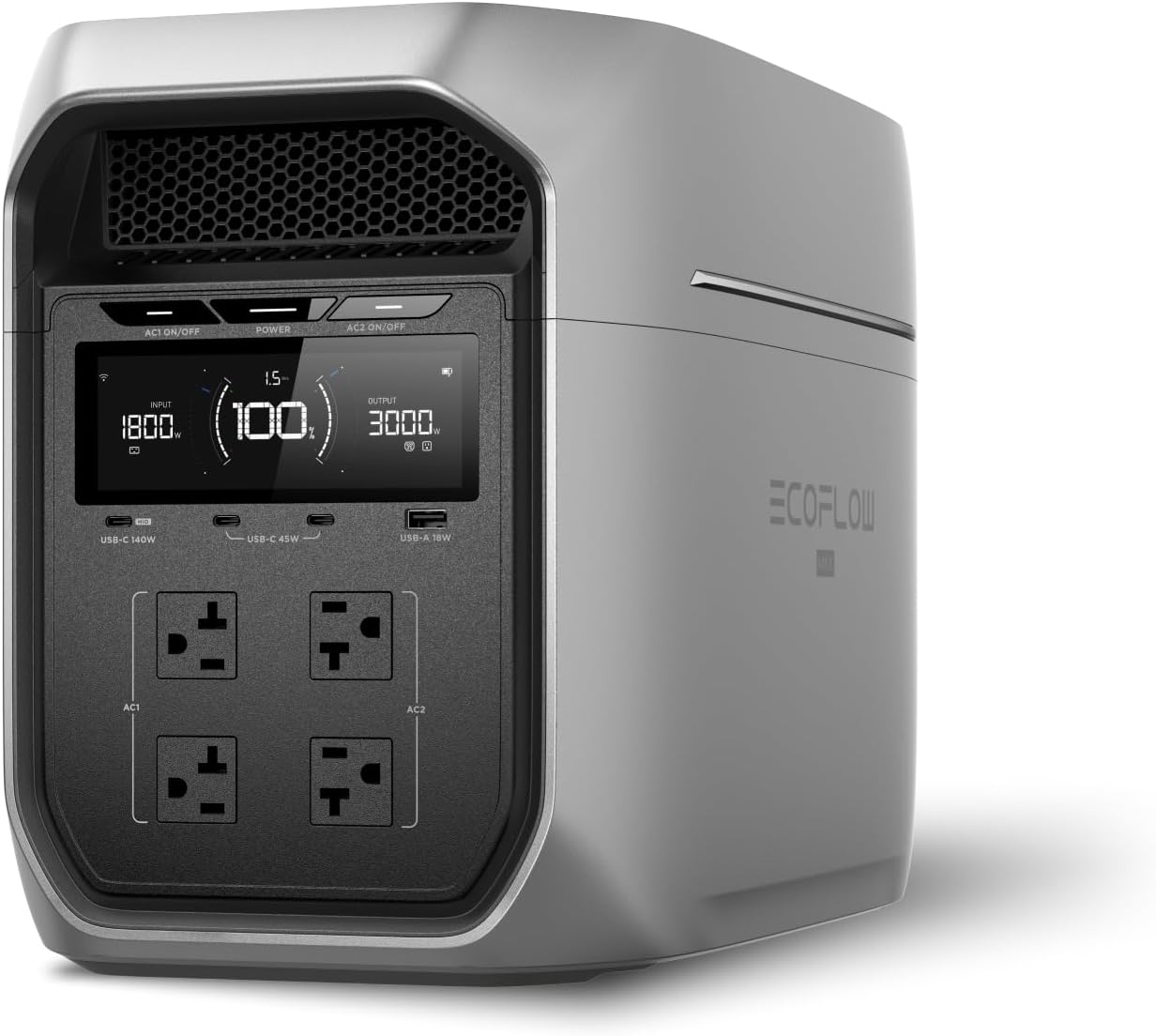
EcoFlow
EcoFlow's newest mid-range flagship. The DELTA 3 Plus improves on the Delta 2 with faster charging, LiFePO4 chemistry, and UPS functionality — all at a lower price.
Capacity
1024Wh
Output
1800W
Weight
27.6 lbs
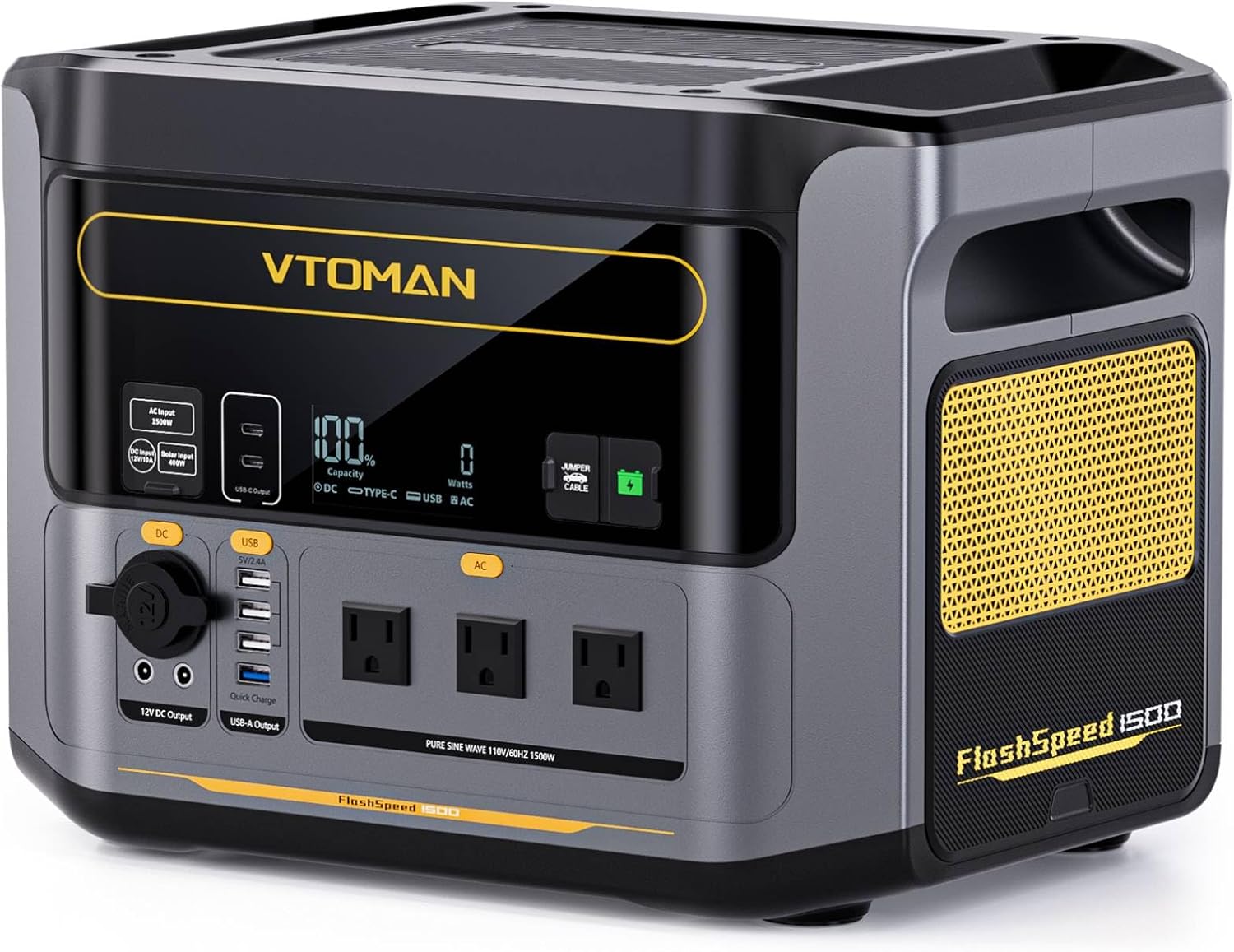
VTOMAN
A value-packed challenger from VTOMAN. The FlashSpeed 1500 offers more capacity per dollar than most big-name competitors, with V-Beyond technology to handle high-draw devices.
Capacity
1548Wh
Output
1500W
Weight
41 lbs
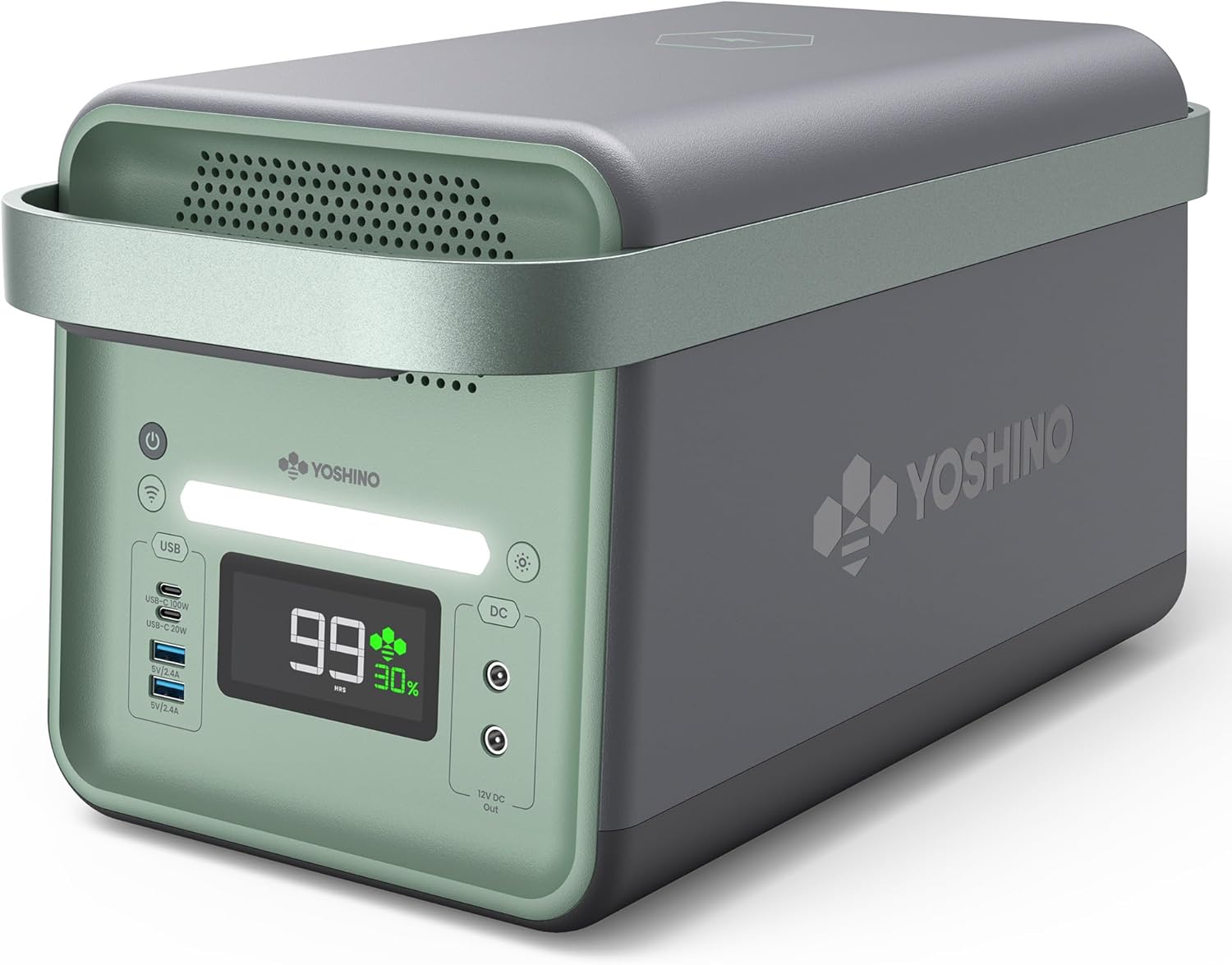
Yoshino
The first solid-state battery power station worth considering. At 31 lbs for 1,326Wh, the Yoshino B2000 SST is remarkably light and powerful — if you trust the new tech.
Capacity
1326Wh
Output
2000W
Weight
31.3 lbs
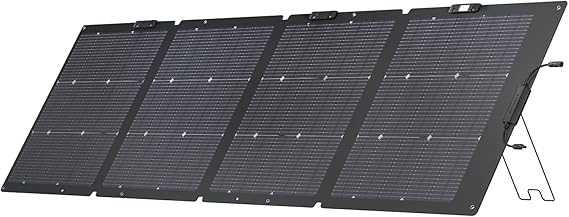
EcoFlow's highest-output portable solar panel with bifacial N-type cells that capture reflected light from both sides. Built-in kickstand and IP68 rating make it ideal for any outdoor setup.
Wattage
220W
Weight
20.7 lbs
Efficiency
23%
Jackery
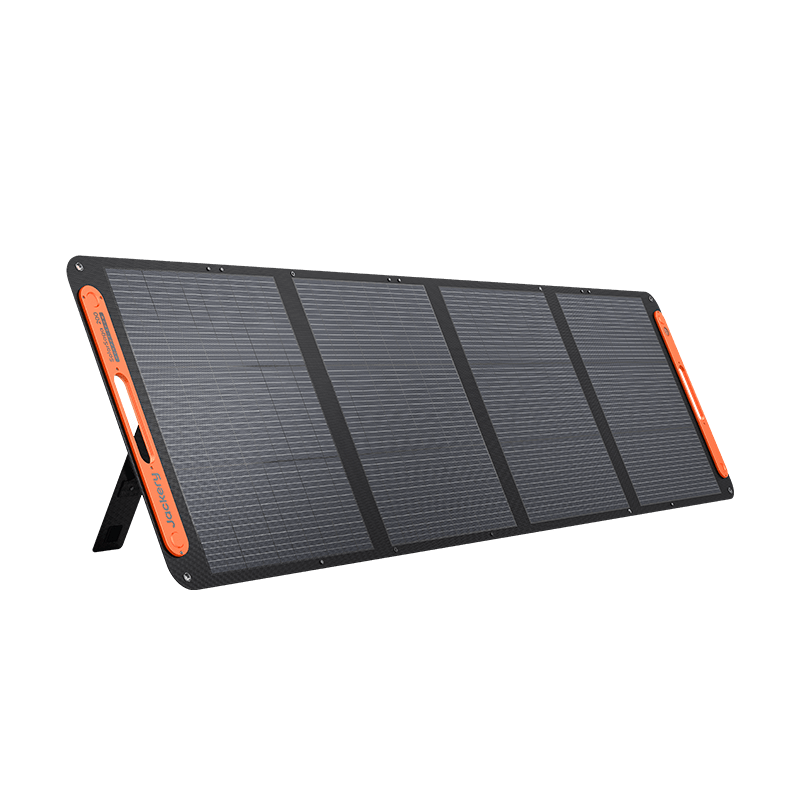
Jackery's flagship foldable solar panel with the highest cell efficiency in its class at 24.3%. Designed for seamless pairing with Jackery Explorer power stations.
Wattage
200W
Weight
17.6 lbs
Efficiency
24.3%
Bluetti
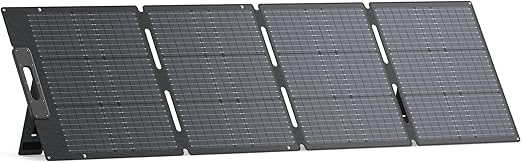
The best value in 200W portable solar panels. Standard MC4 connectors make it compatible with nearly any power station, and at 16 lbs it's the lightest in its class.
Wattage
200W
Weight
16.1 lbs
Efficiency
23.4%
EcoFlow
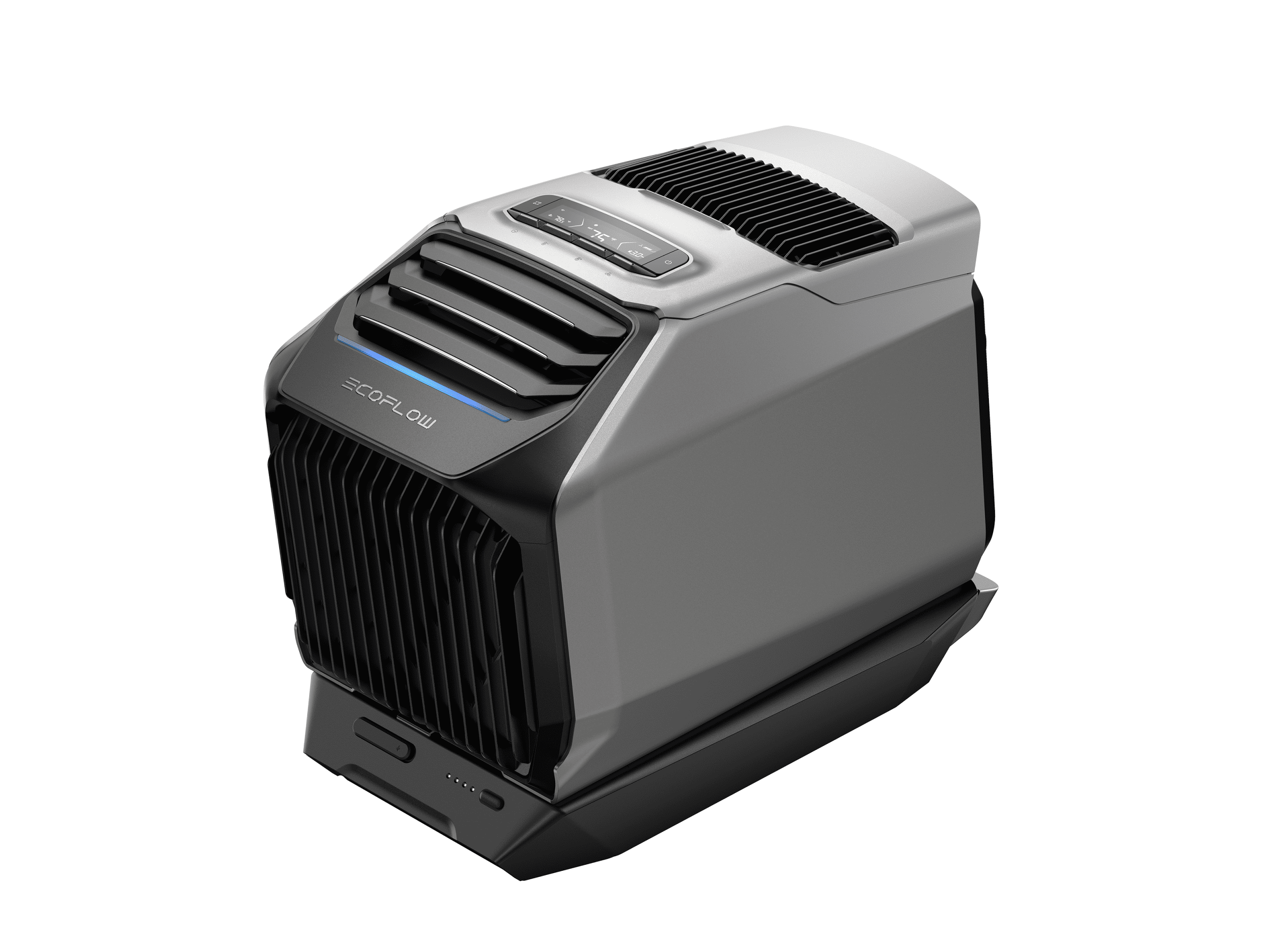
A battery-compatible portable AC with both cooling and heating. Runs on AC power, 12V DC, or EcoFlow's add-on battery for fully off-grid climate control.
BTU
5100BTU
Weight
30.9 lbs
Battery
1159Wh
Zero Breeze
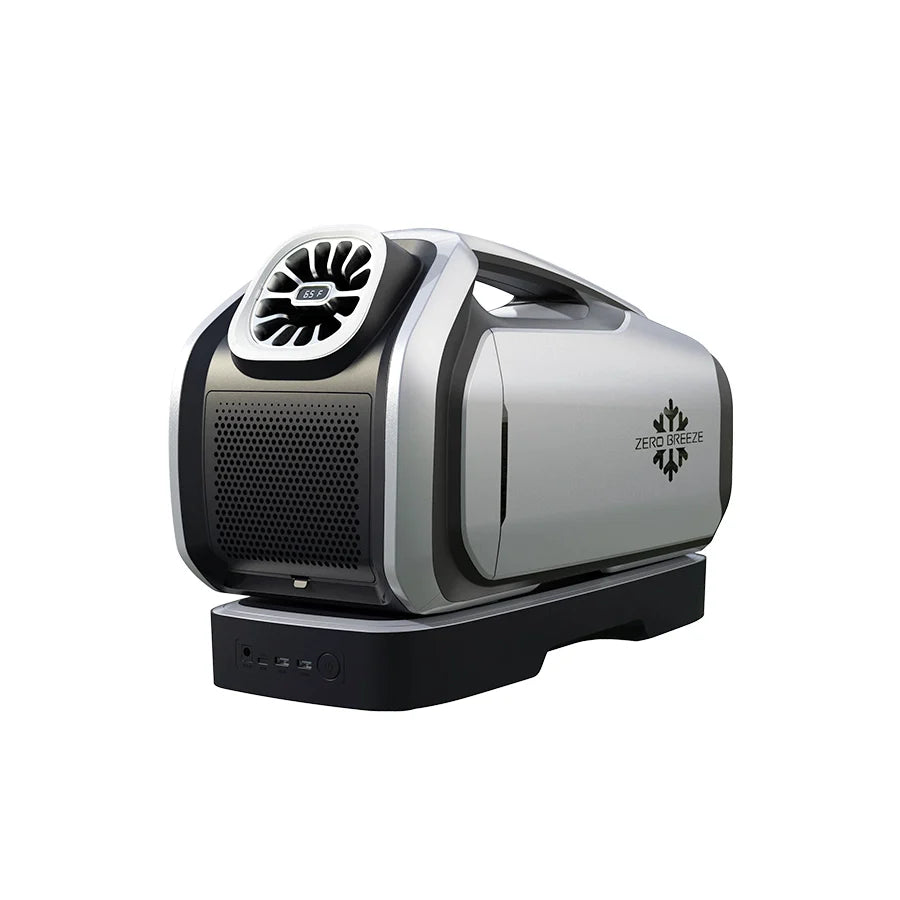
The most portable true compressor-based AC on the market. At 16.5 lbs with battery-powered operation, it's built for tent camping and personal cooling.
BTU
2300BTU
Weight
16.5 lbs
Battery
1100Wh
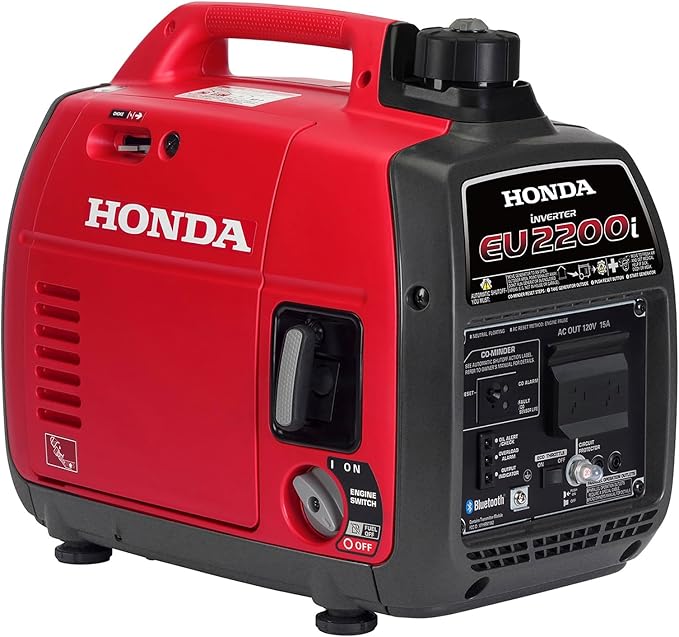
Honda
The gold standard in portable inverter generators. Honda's legendary reliability, whisper-quiet 48 dB operation, and clean sine wave output make it the top choice for camping and home backup.
Watts
1800W
Weight
46.5 lbs
Noise
48dB
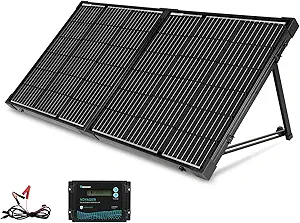
Renogy's best-selling portable panel delivers reliable 100W output in a rugged, foldable package with universal connectors for broad compatibility.
Wattage
100W
Weight
10.6 lbs
Efficiency
23%
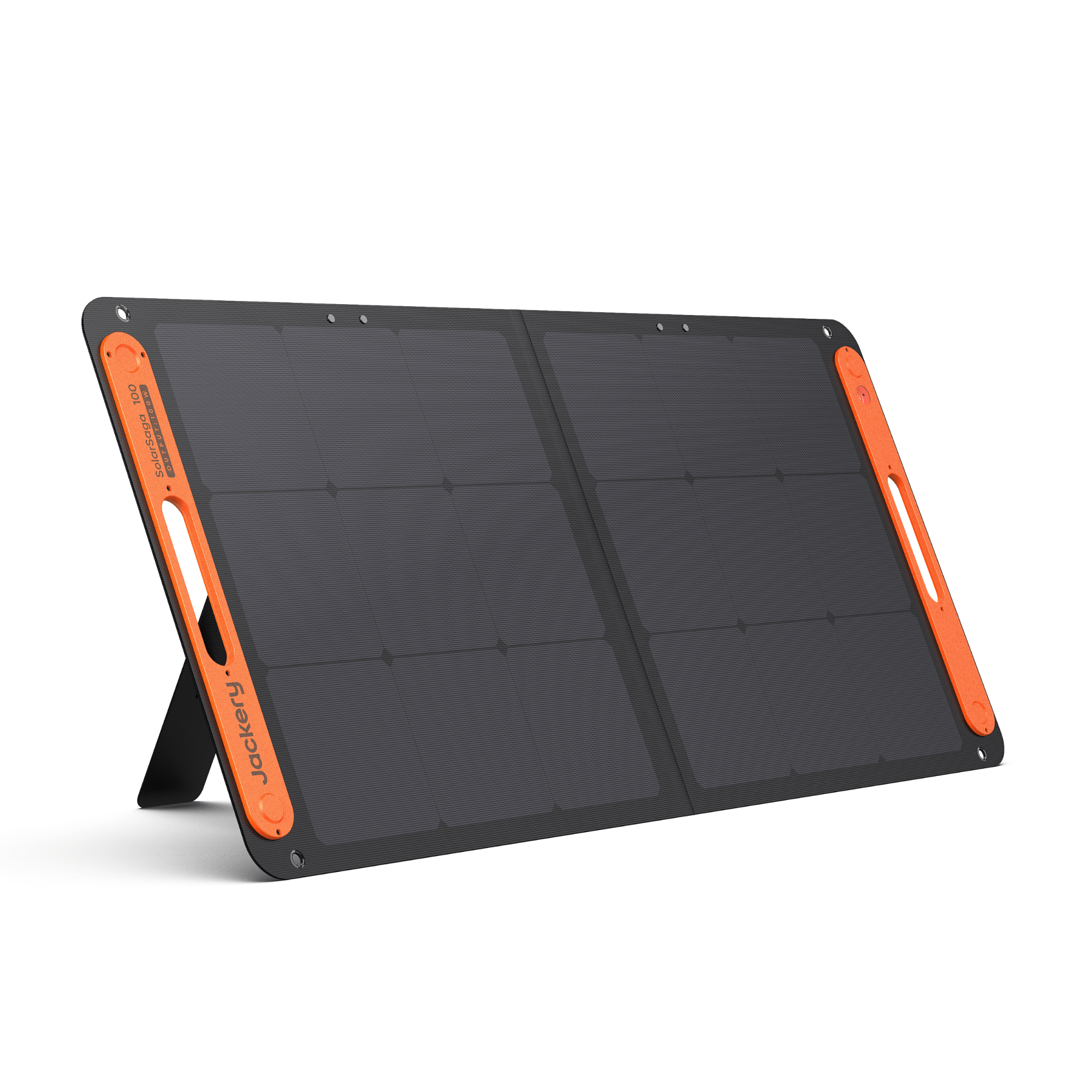
Jackery
Jackery's most popular solar panel with the highest cell efficiency in the 100W class. Built-in USB ports make it great for direct device charging.
Wattage
100W
Weight
10.33 lbs
Efficiency
24%
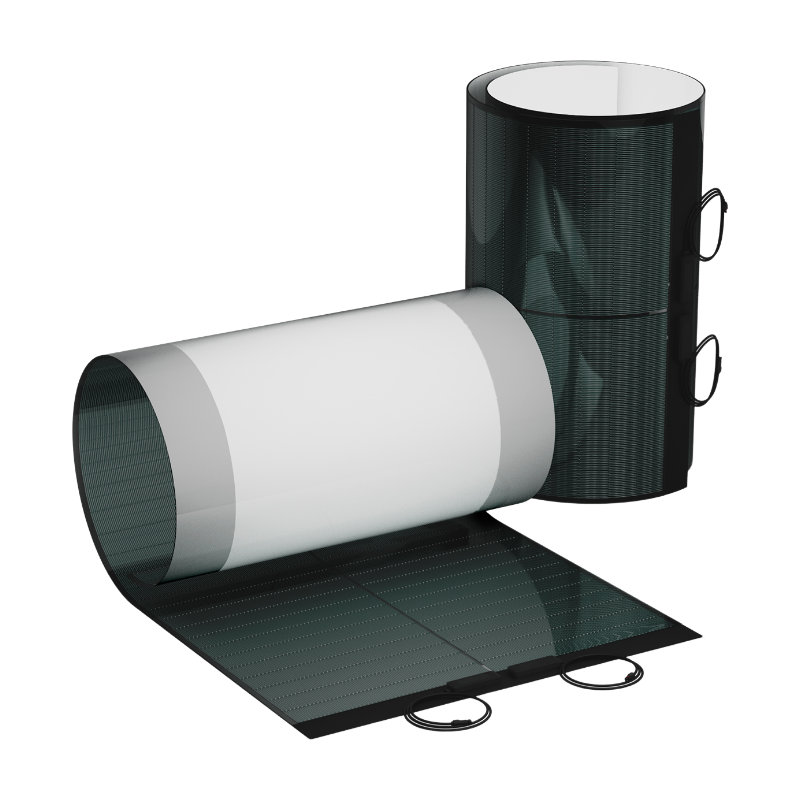
BougeRV's Yuma 200W offers the best price-to-wattage ratio in its class. CIGS thin-film cells give it an edge in cloudy or shaded conditions.
Wattage
200W
Weight
16.1 lbs
Efficiency
23.5%
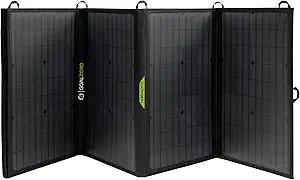
Goal Zero
Goal Zero's premium 100W foldable panel built for durability. Overpriced vs Renogy alternatives, but the build quality justifies it for Goal Zero users.
Wattage
100W
Weight
10 lbs
Efficiency
22%
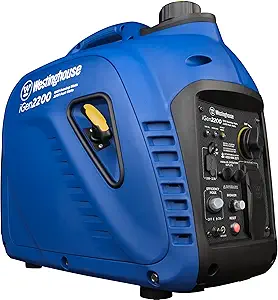
Westinghouse
A reliable inverter generator that delivers Honda-like performance at nearly half the price. The iGen2200 is the best value in the 2200W class.
Watts
1800W
Weight
46 lbs
Noise
52dB
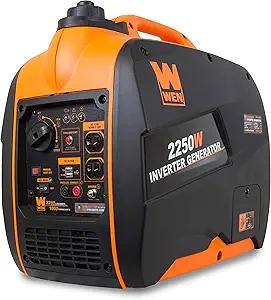
A budget-friendly inverter generator with clean sine wave output. The eco mode and quiet operation make it great for camping.
Watts
1800W
Weight
48.5 lbs
Noise
53dB
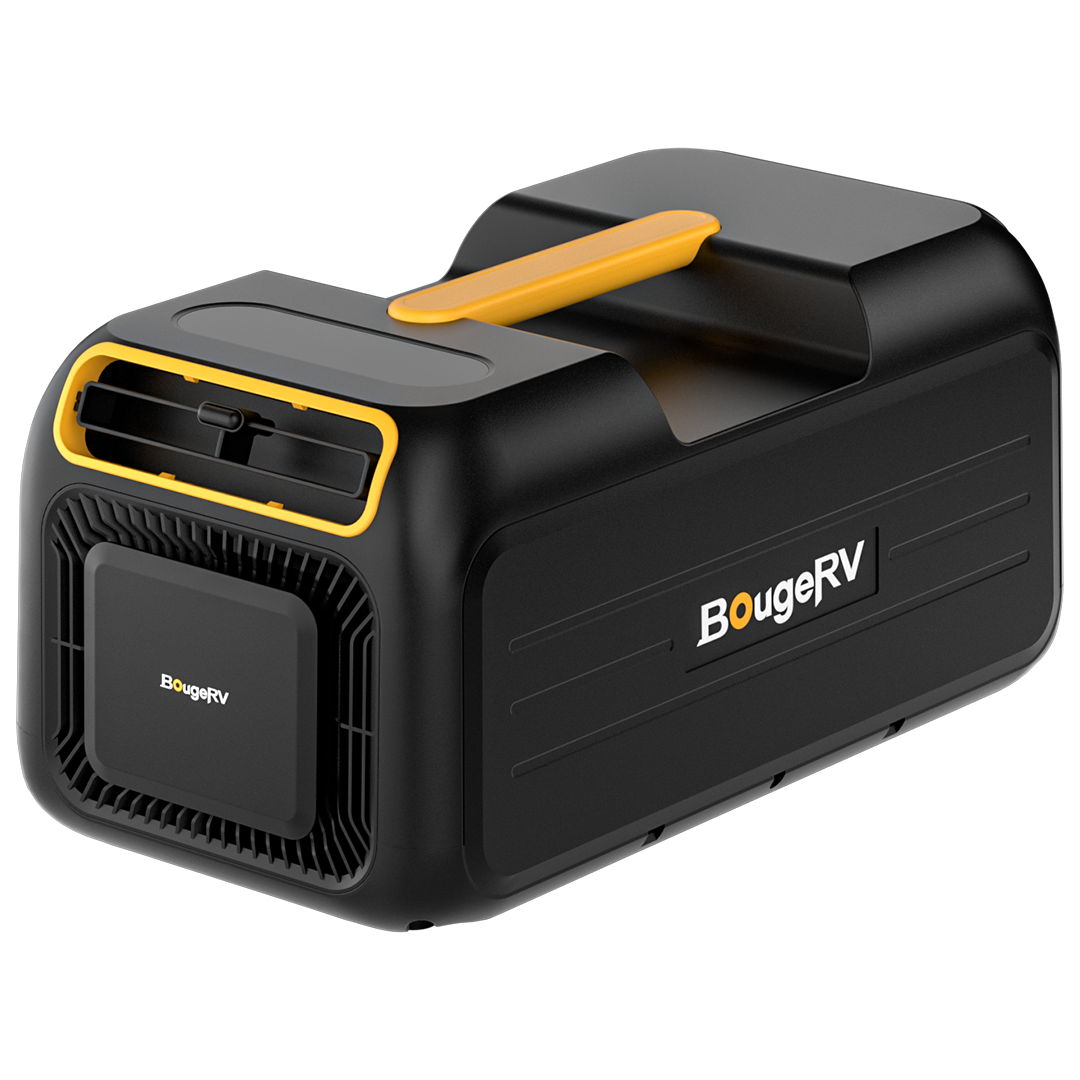
BougeRV
BougeRV's entry into portable AC offers solid cooling at a lower price point. Works on 12V/24V DC power for direct vehicle integration.
BTU
2899BTU
Weight
27.6 lbs
Battery
0Wh
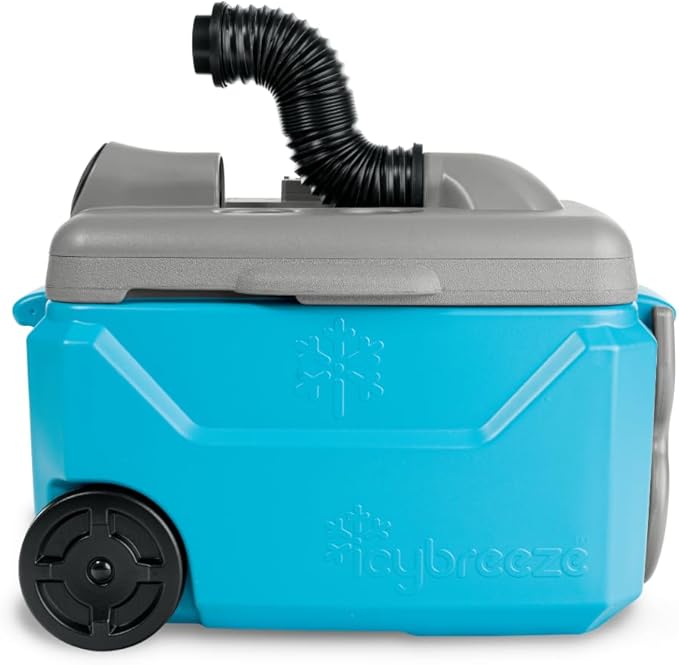
IcyBreeze
A unique hybrid cooler-AC that blows cold air using ice evaporation. Best for personal cooling at tailgates, beaches, and outdoor events — not tent cooling.
BTU
1200BTU
Weight
18 lbs
Battery
240Wh
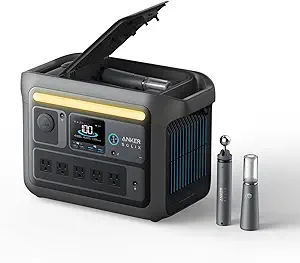
Anker
A feature-rich mid-range power station with blazing-fast 58-minute recharge and unique integrated camping lights. Fills the gap between the SOLIX C1000 and budget options.
Capacity
768Wh
Output
1200W
Weight
20.3 lbs
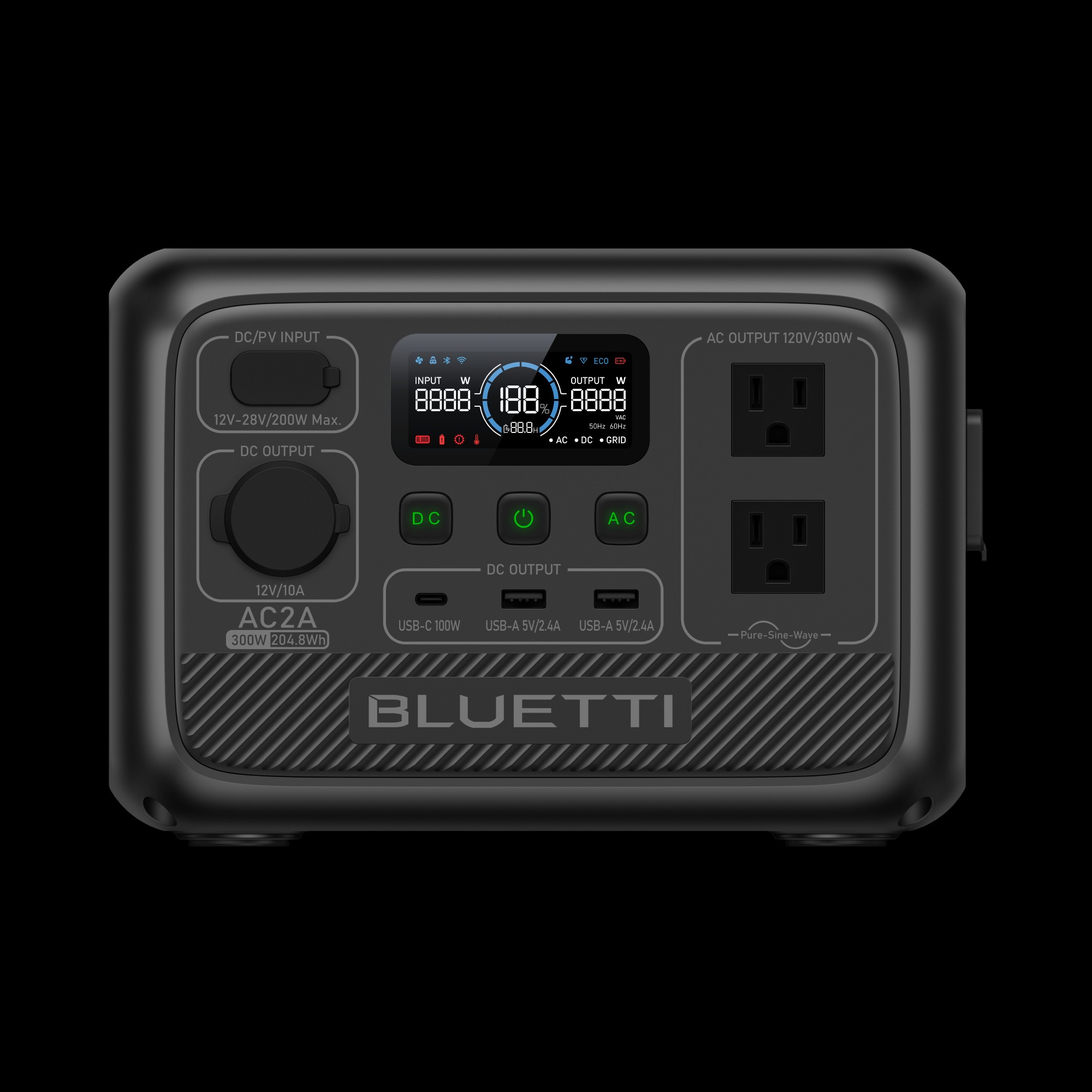
Bluetti
A budget-friendly LiFePO4 power station perfect for light camping, emergency backup, and device charging at just $149.
Capacity
204Wh
Output
300W
Weight
7.9 lbs
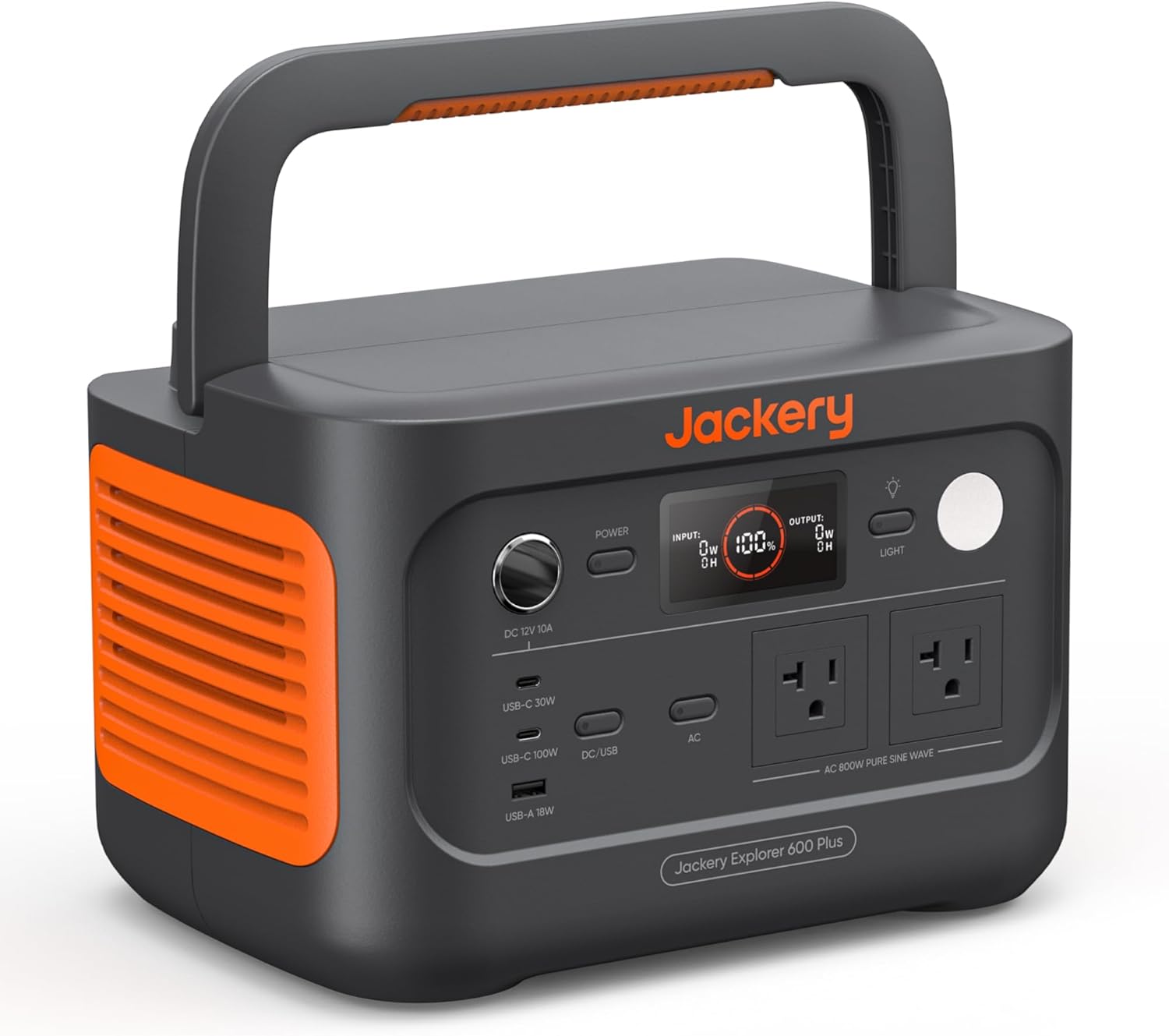
Jackery
Jackery's mid-range LiFePO4 station with 632Wh capacity, 4,000-cycle battery life, and UPS capability. Bridges the gap between the Explorer 100 Plus and Explorer 1000 v2.
Capacity
632Wh
Output
800W
Weight
16.1 lbs
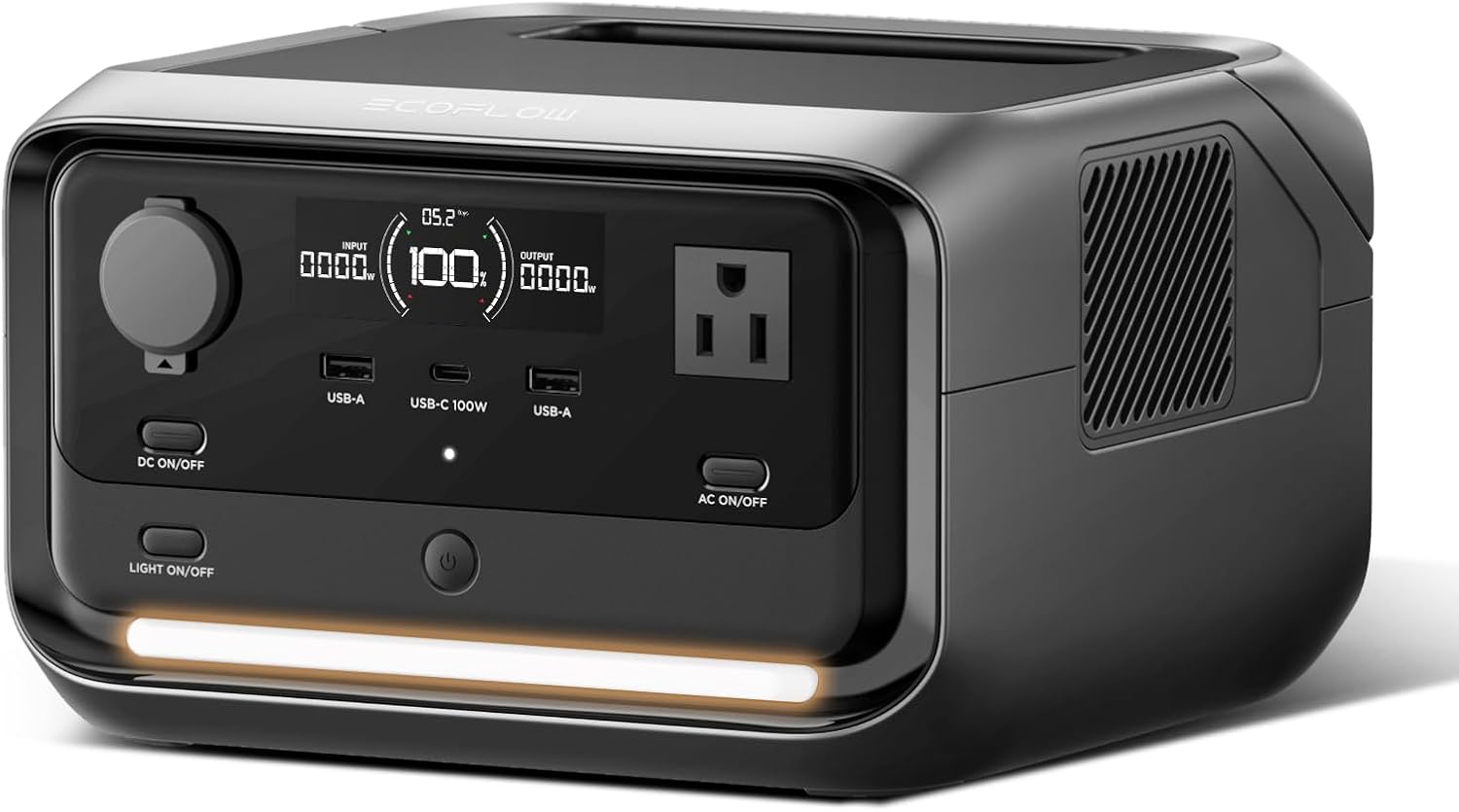
EcoFlow
A compact, whisper-quiet power station with expandable capacity up to 858Wh. Differentiates from the RIVER 3 with 600W output, X-Boost to 1200W, and UPS protection.
Capacity
286Wh
Output
600W
Weight
10.4 lbs
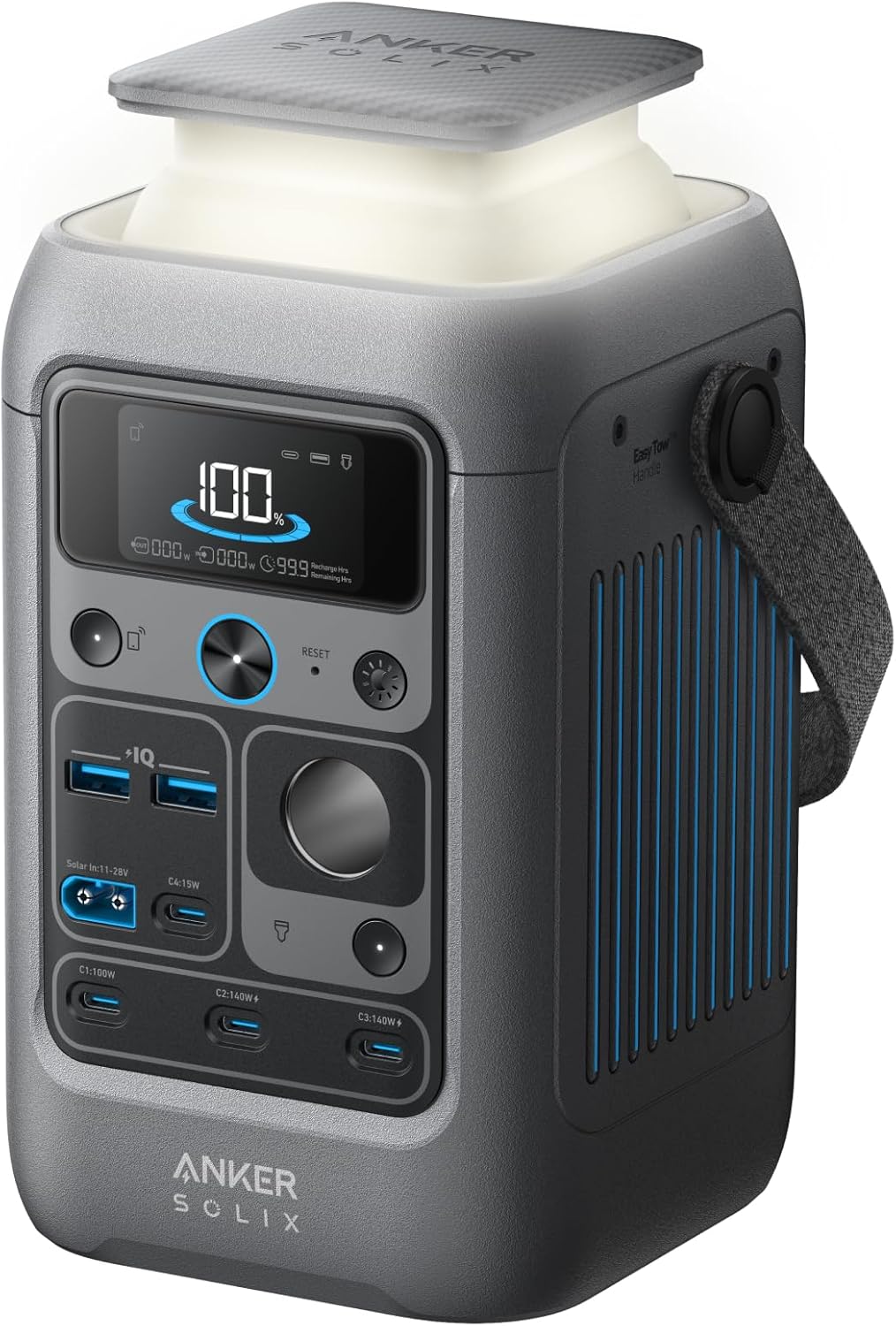
Anker
A unique DC-only power station with 288Wh of LiFePO4 and four USB-C ports. Purpose-built for charging laptops, phones, cameras, and drones — not AC appliances.
Capacity
288Wh
Output
300W
Weight
6.17 lbs
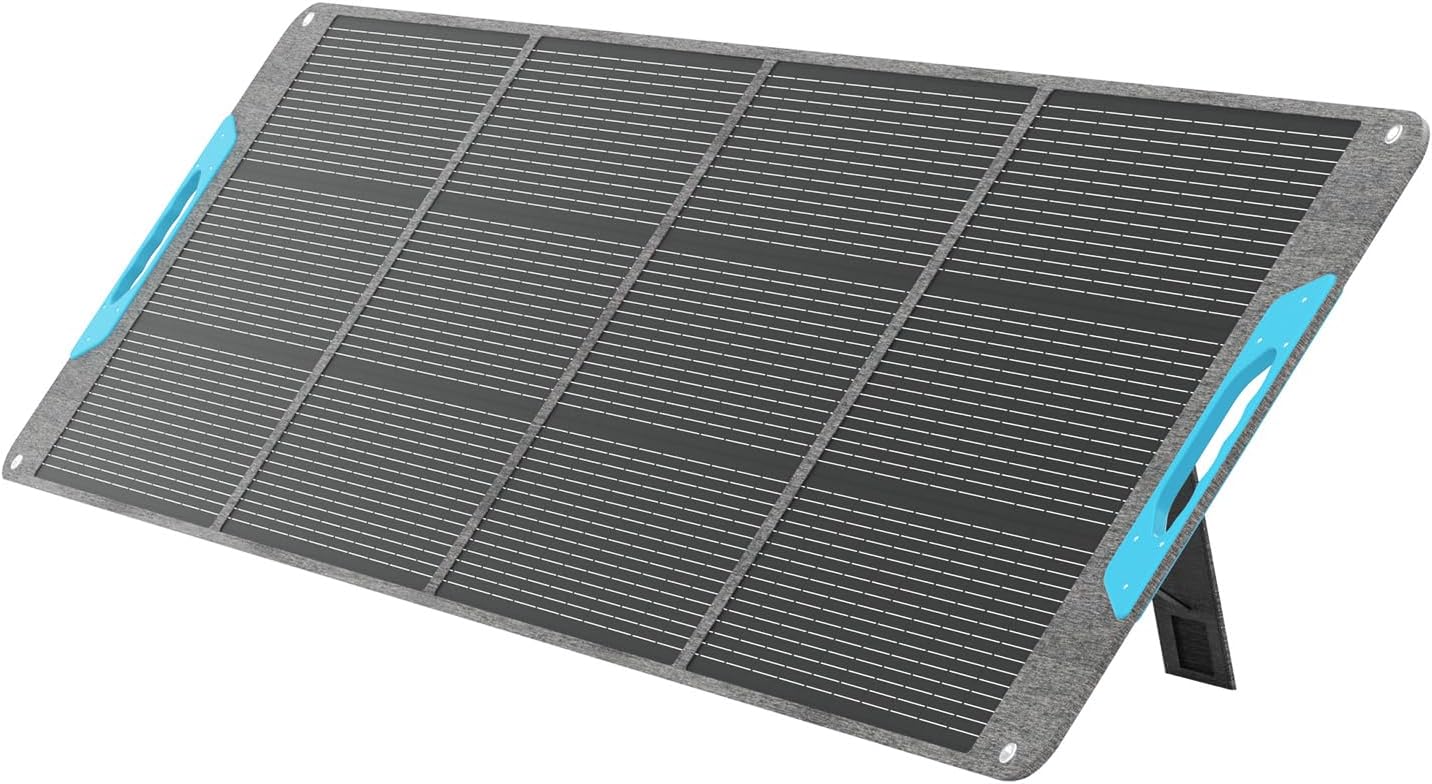
A budget-friendly 200W foldable panel with modern N-Type cells and built-in USB ports. Best value in the 200W class at just $200.
Wattage
200W
Weight
13.89 lbs
Efficiency
25%

Anker
The Gen 2 upgrade to Anker's best-selling power station. Faster charging, higher output, and a smaller, lighter design make it the new benchmark in the 1000Wh class.
Capacity
1024Wh
Output
2000W
Weight
23.9 lbs

Jackery
Jackery's quietest and most efficient 2kWh power station. The v2 rebuild swaps to LiFePO4, cuts weight significantly, and adds UPS functionality — all at a lower price than the 2000 Plus.
Capacity
2042Wh
Output
2200W
Weight
39.5 lbs

A budget powerhouse that delivers 1008Wh of LiFePO4 capacity and 1200W output for under $500. The best value in the 1000Wh class for buyers who prioritize specs over brand prestige.
Capacity
1008Wh
Output
1200W
Weight
28 lbs
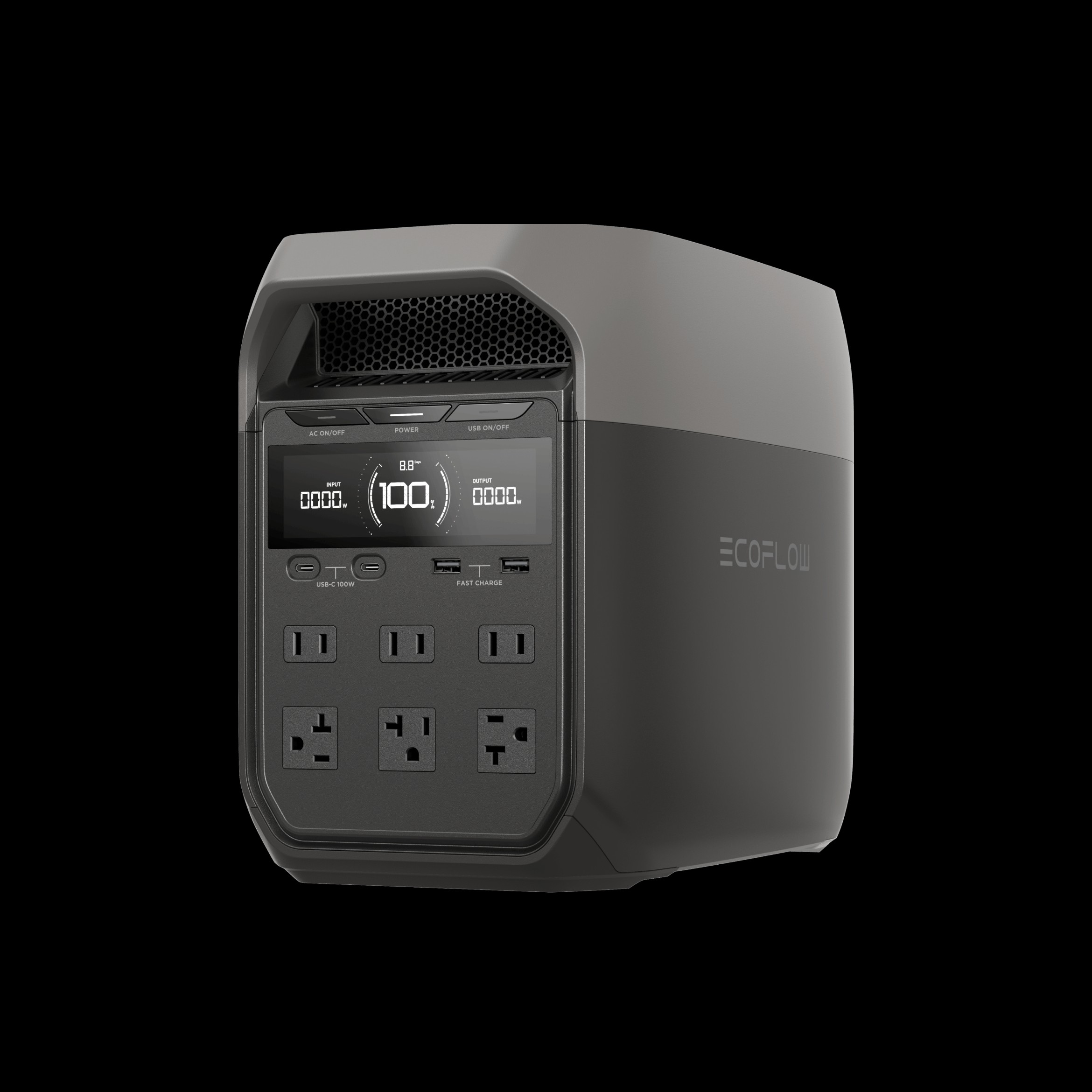
EcoFlow
The EcoFlow DELTA 3 delivers 1024Wh of LiFePO4 power with a 56-minute charge, IP65 battery protection, and whisper-quiet operation — all for $200 less than the DELTA 3 Plus.
Capacity
1024Wh
Output
1800W
Weight
27.6 lbs
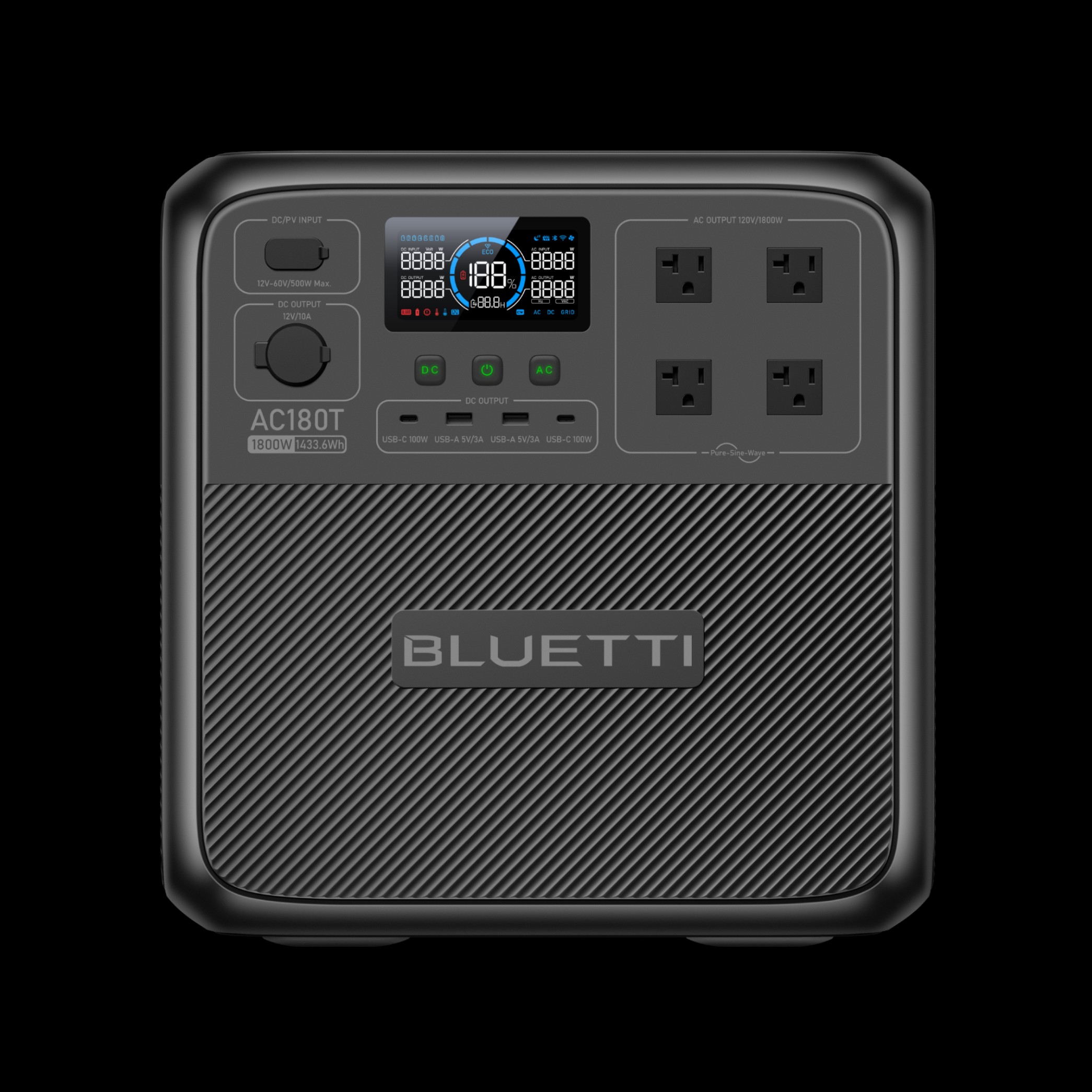
Bluetti
The first power station with hot-swappable batteries. The Bluetti AC180T lets you swap 716Wh battery packs on the fly — share them with BLUETTI's MultiCooler fridge or carry spares for unlimited runtime.
Capacity
1433Wh
Output
1800W
Weight
58.4 lbs
It depends on your gear. Charging phones and running LED lights requires only 200-300Wh. If you want to power a 12V cooler or CPAP machine overnight, aim for 500-1,000Wh. Running a portable mini-fridge, blender, and charging multiple devices over a full weekend typically calls for 1,000Wh or more. Use our power calculator to add up your specific devices and get a personalized recommendation.
Yes, nearly all modern power stations accept solar input. The key is matching the solar panel's voltage and wattage to your station's maximum solar input rating. A 200W panel can typically recharge a 1,000Wh station in about 5-6 hours of direct sunlight. For faster charging, you can chain two or more panels together if your station supports it. Brands like EcoFlow and Jackery offer integrated solar panel ecosystems that simplify compatibility.
Car camping lets you bring larger, heavier units in the 1,000-2,000Wh range since you can drive them right to your site. Look for units in the 25-50 lb range with high output and lots of ports. For backpacking, weight is everything. Stick to compact models under 10 lbs with 200-500Wh capacity, like the EcoFlow RIVER 3 or Jackery Explorer 100 Plus. These are enough for phones, headlamps, and small electronics without weighing down your pack.
For most campers, a power station is the better choice. They are silent, produce zero emissions (safe inside a tent vestibule), require no fuel, and need no maintenance. Generators are louder, require gasoline, and are banned at many campgrounds. The only advantage of a generator is unlimited runtime as long as you have fuel. If you need to power high-draw devices like an electric griddle for days on end, a generator may be necessary. For everything else, a power station paired with solar panels is more convenient.
Portable Power Stations for Camping
Our complete guide to picking the right station for the outdoors.
Best Power Station for Summer Camping 2026
Top picks for the 2026 camping season.
Best Solar Generator for Off-Grid
Power station + solar panel bundles for off-grid adventures.
Power Calculator Tool
Calculate exactly how much capacity you need for your trip.