Guide
Solar Generator vs Gas Generator: Which Is Right for You?

TL;DR
Should you buy a portable power station (solar generator) or a traditional gas generator? We break down cost, noise, maintenance, and use cases.
“Solar generator” is the common name for a portable power station paired with solar panels. They’re increasingly replacing gas generators for many use cases — but not all. Here’s when each makes sense.
What’s the Difference?
Gas generators burn gasoline or propane to create electricity on-demand. They run as long as you have fuel.
Solar generators (portable power stations) store electricity in a battery. They recharge via wall outlet, car, or solar panels. They run until the battery is empty.
Noise
This is the single biggest practical difference.
- Gas generators: 60-80+ dB. As loud as a vacuum cleaner or lawnmower. Many campgrounds ban them. Neighbors will notice.
- Solar generators: 0-40 dB. Silent at idle, quiet whisper of a fan at most. Use them in a tent, bedroom, or apartment without disturbing anyone.
If you’re camping, tailgating, or need power in a residential area, the noise advantage of solar generators is massive.
Fumes and Safety
Gas generators produce carbon monoxide — a deadly, odorless gas. They must be used outdoors, at least 20 feet from buildings, with exhaust pointed away. CO poisoning from indoor generator use kills dozens of people annually during power outages.
Solar generators produce zero emissions. Use them indoors, in a tent, or in a closed garage. No ventilation needed. No CO risk.
Maintenance
Gas generators require regular maintenance: oil changes, spark plug replacement, fuel stabilizer for storage, air filter cleaning, and periodic exercise runs to prevent carburetor issues. Neglected maintenance leads to no-start situations when you need it most.
Solar generators require zero maintenance. Charge them every few months during storage, and they’re ready to go. LiFePO4 models can sit for over a year and still hold a charge.
Cost Comparison
Upfront Cost
- Gas generator (3,500W): $400-800
- Solar generator (1,000Wh): $500-900
- Solar panels (200-400W): $200-600 additional
Gas generators are cheaper upfront, especially for high output. Adding solar panels to a power station increases the total cost.
Operating Cost
- Gas generator: $5-15 per day in fuel (at current gas prices)
- Solar generator: $0 with solar panels, or pennies per charge from wall outlet
Over 5 years of regular use, a solar generator with panels costs less than the fuel for a gas generator alone.
Capacity and Runtime
Here’s where gas generators have an advantage: they run indefinitely as long as you have fuel. A 3-gallon tank might run a gas generator for 8-12 hours. Then you refill it.
A 1,000Wh power station gives you 1,000Wh — period. Once it’s empty, you need to recharge (1-4 hours depending on model). Solar panels can extend runtime but depend on sunlight.
For multi-day power outages without sun, gas generators have the edge. For predictable daily use, solar generators are fine.
Output Power
Gas generators easily produce 3,000-7,000+ watts. Running a central AC, sump pump, and well pump simultaneously? Gas generator territory.
Most portable power stations top out at 1,800-4,000W. The EcoFlow DELTA Pro 3 at 4,000W (expandable) is closing the gap, but gas generators still dominate for raw output.
Best Use Cases for Each
Choose a Solar Generator When:
- Camping (quiet, no fumes, campground-friendly)
- Apartment/condo backup (can use indoors)
- Short power outages (under 24 hours)
- Daily RV/van life use
- Remote work and device charging
- Tailgating and outdoor events
Choose a Gas Generator When:
- Extended multi-day outages without sun
- High-output needs (central AC, well pump, sump pump)
- Construction sites and heavy tools
- Remote locations with no grid access and unpredictable weather
Consider Both:
Many homeowners keep a power station for everyday convenience and short outages, plus a gas generator for extended emergencies. The power station handles 90% of situations quietly and cleanly; the gas generator is the backup for the worst case.
The Bottom Line
For most people in 2026, a solar generator (portable power station) is the better choice. They’re silent, safe, maintenance-free, and increasingly powerful. Gas generators still win on raw output and unlimited runtime, but the gap is closing fast.
Ready to find the right power station? Check our comparison tool or browse our top picks.
Recommended Power Stations
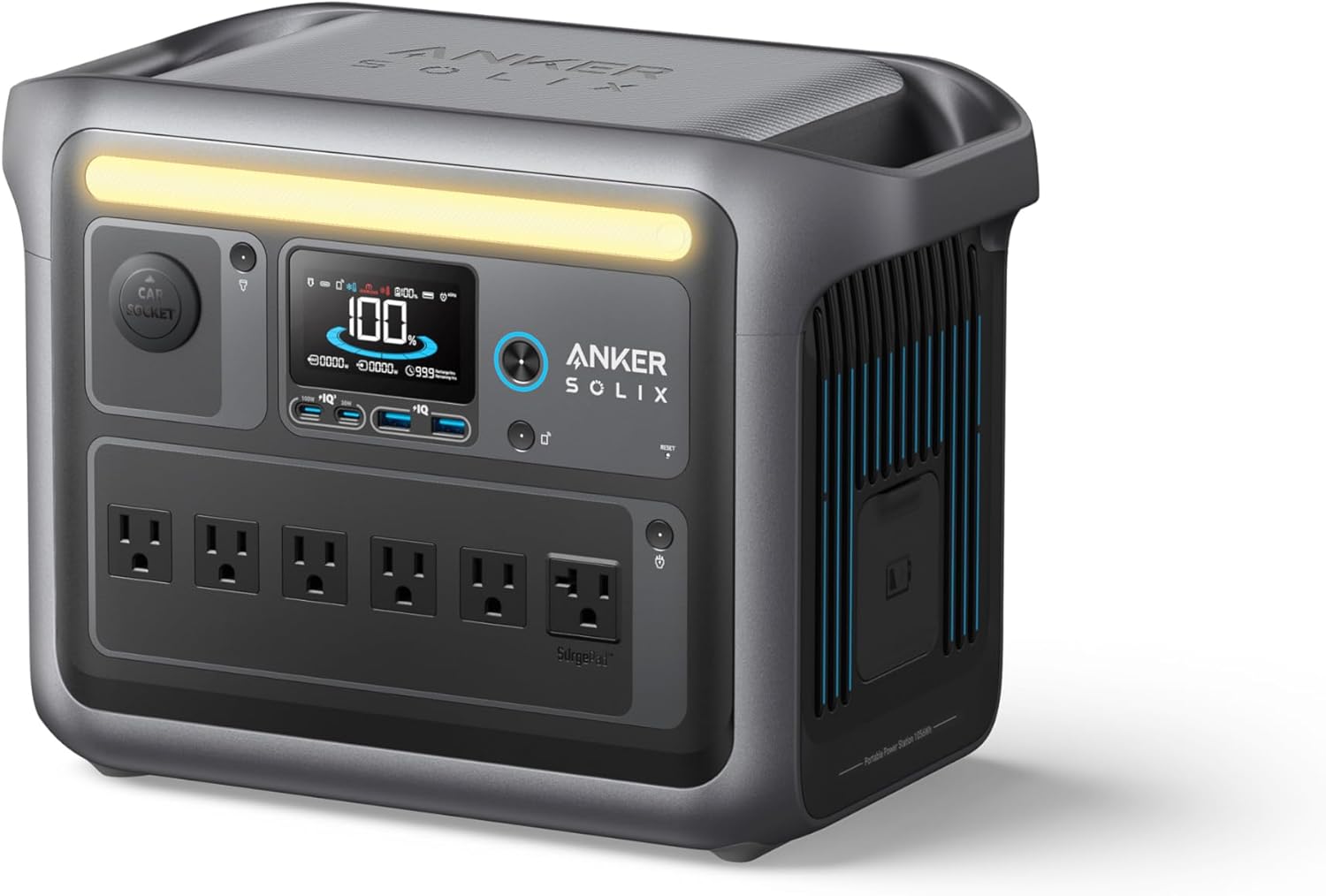
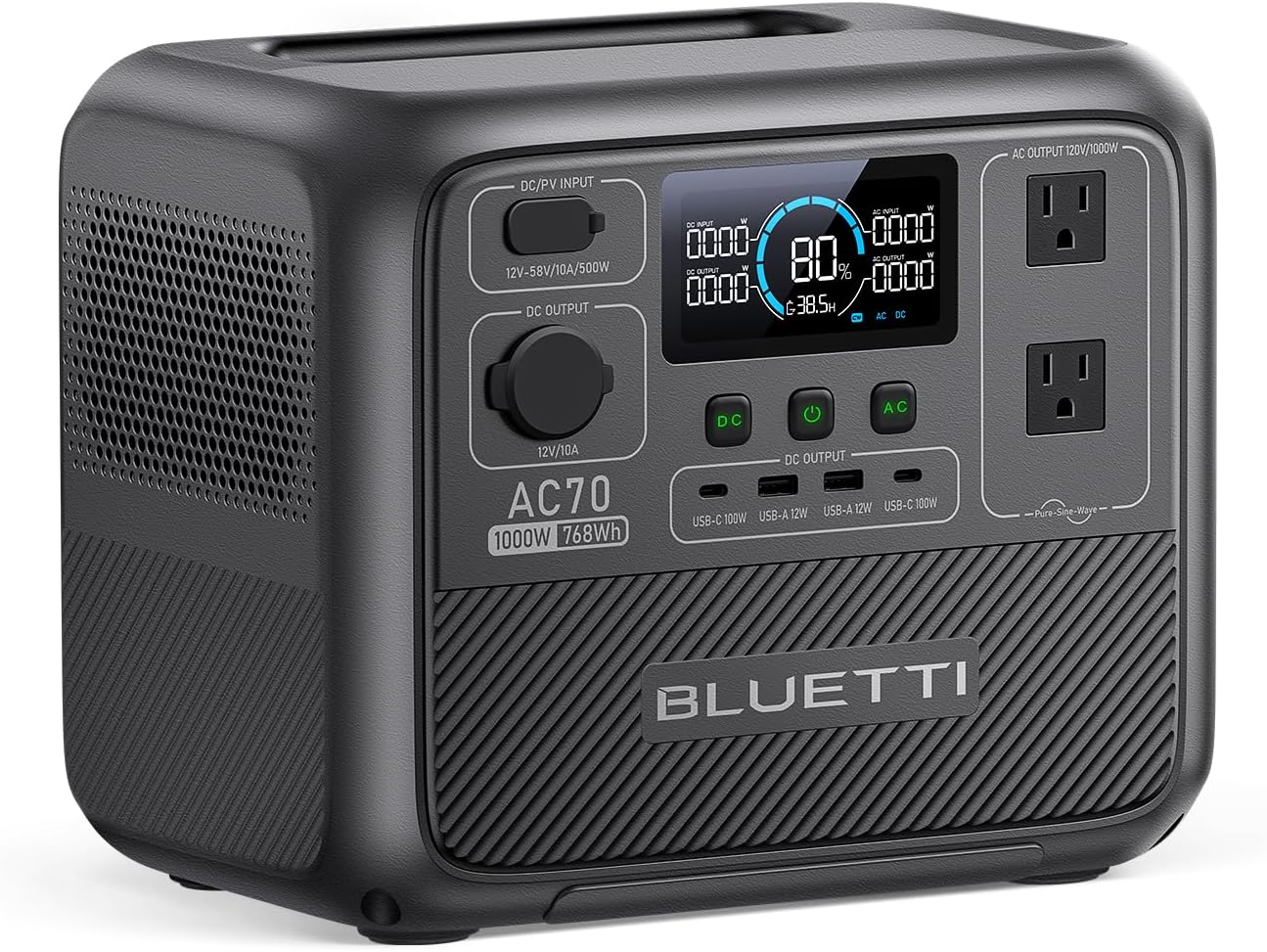
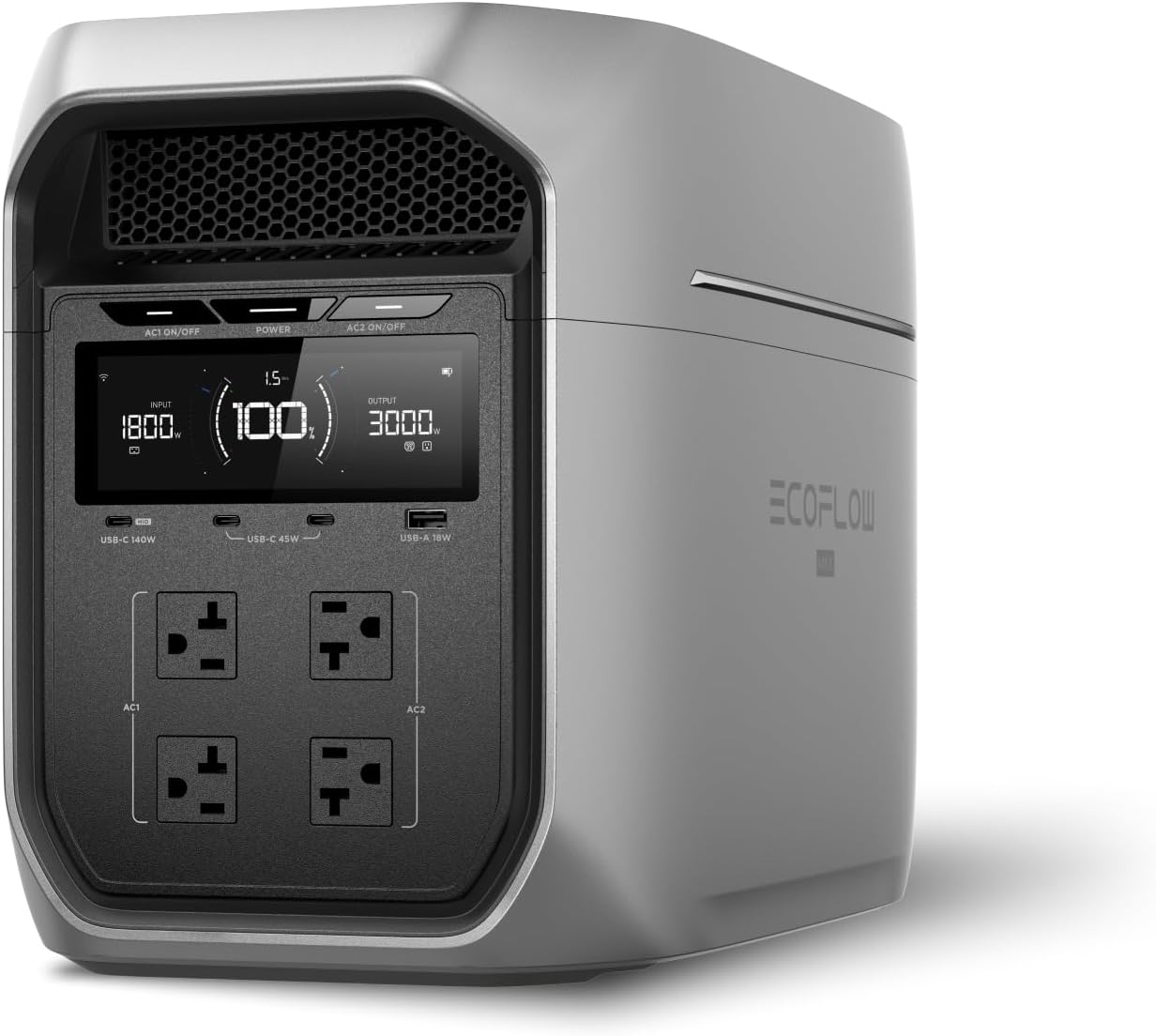
EcoFlow
EcoFlow DELTA 3 Plus
EcoFlow's newest mid-range flagship. The DELTA 3 Plus improves on the Delta 2 with faster charging, LiFePO4 chemistry, and UPS functionality — all at a lower price.
Frequently Asked Questions
Is a solar generator better than a gas generator?
For most home backup and camping needs, yes. Solar generators (portable power stations) are silent, produce no emissions, work indoors, require zero maintenance, and have no fuel costs. Gas generators are only better when you need 3,000W+ continuous output for extended periods, like powering an entire home for days.
Can a solar generator power a house?
A large solar generator like the EcoFlow DELTA Pro 3 (4,096Wh, expandable to 48kWh) can power essential home circuits including a refrigerator, lights, WiFi, and phone chargers for 1-3 days. It cannot run central AC or electric heating. For whole-home power including AC, a gas generator is still needed.
How long does a solar generator last?
Solar generators with LiFePO4 batteries last 3,000-6,000 charge cycles (10-15+ years). They require no oil changes, fuel, or maintenance. Gas generators typically last 2,000-3,000 hours of runtime and need regular oil changes, spark plug replacements, and fuel stabilizer.
Ready to Buy? Here's What We Recommend
Based on our testing and this guide, these are the best options for most people: