Goal Zero Yeti 1000X Review: Premium Build, But Is It Worth the Price?

Our Verdict
A premium power station from the brand that pioneered portable solar. Excellent build quality but lags behind newer competitors on charging speed and price-to-performance.
Goal Zero
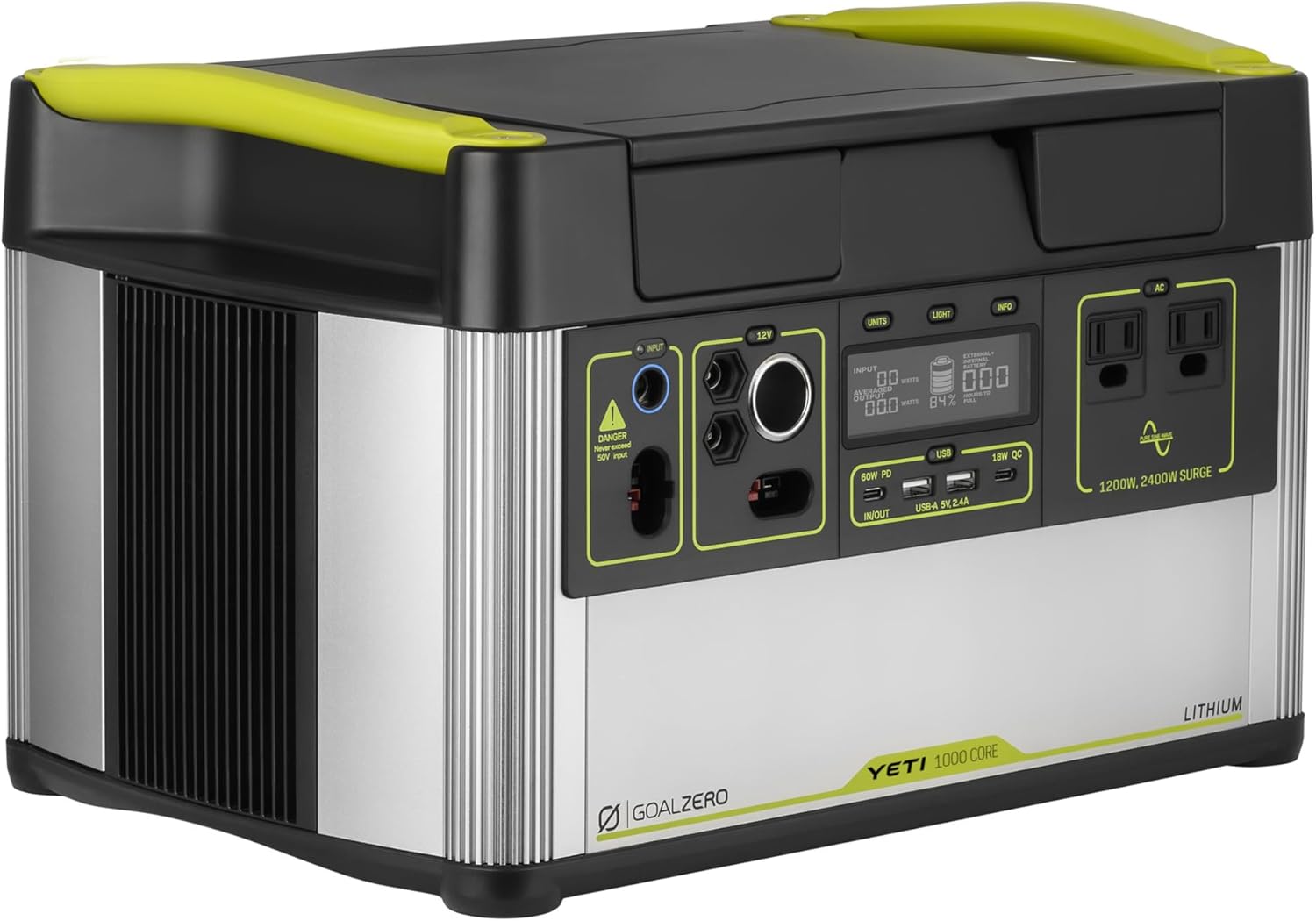
Goal Zero Yeti 1000X
$999
★ 4.3 (876 Amazon ratings)
Capacity
983Wh
Output
1500W
Weight
31.7 lbs
Charge Time
4 hrs
Pros
- Premium build quality and design
- Trusted brand with long track record
- Chainable with Yeti Link expansion
- Works with Goal Zero solar panel ecosystem
Cons
- Slower charging than EcoFlow and Jackery
- Heavier than competitors at this capacity
- Fewer ports than similarly priced units
- Higher price for lower specs
Goal Zero pioneered the portable solar power station category, and the Yeti 1000X carries that heritage. But in a market that’s moved fast, does brand legacy justify a premium price? Let’s find out.
Key Specs at a Glance
- Capacity: 983Wh
- Output: 1,500W (3,000W surge)
- Weight: 31.7 lbs
- Charge Time: ~4 hours (wall outlet)
- Battery Type: Li-NMC
Who Is It For?
The Yeti 1000X appeals to Goal Zero loyalists, people who already own Goal Zero solar panels, and buyers who prioritize build quality and brand trust over cutting-edge specs. If you want the latest tech for the money, there are better options.
Build Quality Is Outstanding
This is where the Yeti 1000X shines. The aluminum chassis feels tank-like. The rubber feet grip any surface. The display is crisp and informative. Every port cover, every button, every detail feels considered and premium. In a room full of power stations, the Yeti 1000X looks and feels like the most expensive — because it is.
The Goal Zero Ecosystem
If you’re already invested in Goal Zero’s solar panel lineup (Boulder, Nomad series), the Yeti 1000X integrates seamlessly. The proprietary charging ports and daisy-chain capability with other Yeti units add flexibility for existing Goal Zero users.
The Yeti Link system allows you to chain multiple Yeti units for expanded capacity, though this requires additional cables and adapters.
Where It Falls Short
The numbers tell the story. At $999 for 983Wh, the Yeti 1000X costs about $1.02 per watt-hour. The Anker SOLIX C1000 offers 1,056Wh for $699 ($0.66/Wh), charges 4x faster, and uses longer-lasting LiFePO4 chemistry.
The 4-hour wall charge time is the biggest weakness. In a world where competitors charge in 60-90 minutes, waiting 4 hours feels like a deal-breaker for many use cases.
The Yeti 1000X also uses older Li-NMC battery chemistry, rated for roughly 2,500 cycles versus 3,000+ for LiFePO4 competitors.
Real-World Performance
Despite the spec disadvantages, the Yeti 1000X performs reliably. In our testing, it powered a mini fridge for 12 hours, charged laptops multiple times, and ran without issues in both cold (35°F) and hot (95°F) conditions. The robust 3,000W surge handling means it starts compressor-based devices without hiccups.
The Bottom Line
The Goal Zero Yeti 1000X is a well-built, reliable power station with a premium price tag that’s increasingly hard to justify. Unless you’re already in the Goal Zero ecosystem or prioritize build quality above all else, newer competitors offer significantly better value. We’d recommend the Anker SOLIX C1000 or EcoFlow Delta 2 instead.
Get the Goal Zero Yeti 1000X
$999
★ 4.3 from 876 Amazon reviews
Check Price on AmazonFree shipping with Amazon Prime. Price may vary.
Comparisons Featuring This Product
Similar Power Stations
Jackery
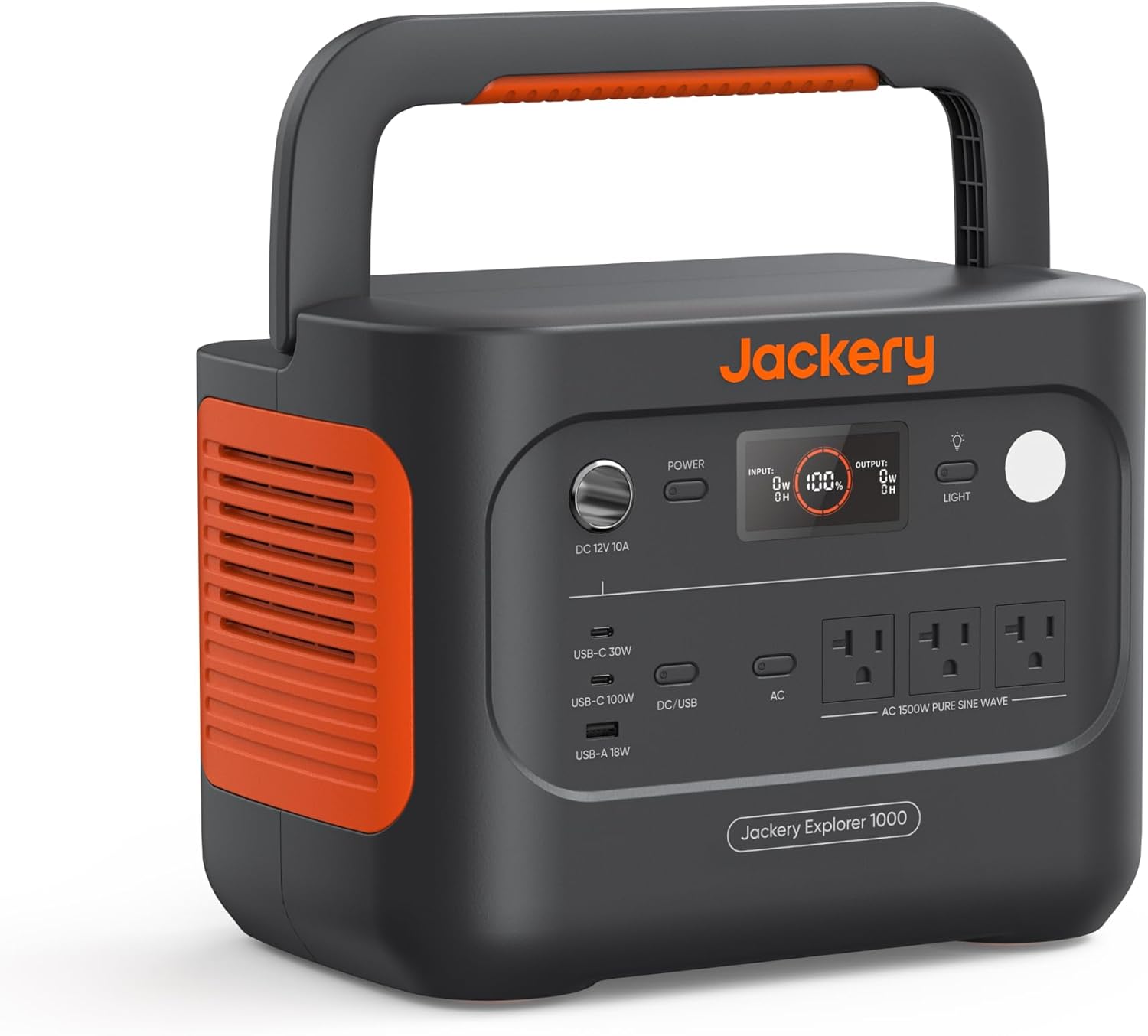
Jackery Explorer 1000 v2
A reliable, well-rounded power station ideal for camping trips and emergency backup. Fast charging and a lightweight design make it easy to grab and go.
Capacity
1070Wh
Output
1500W
Weight
22 lbs
Jackery
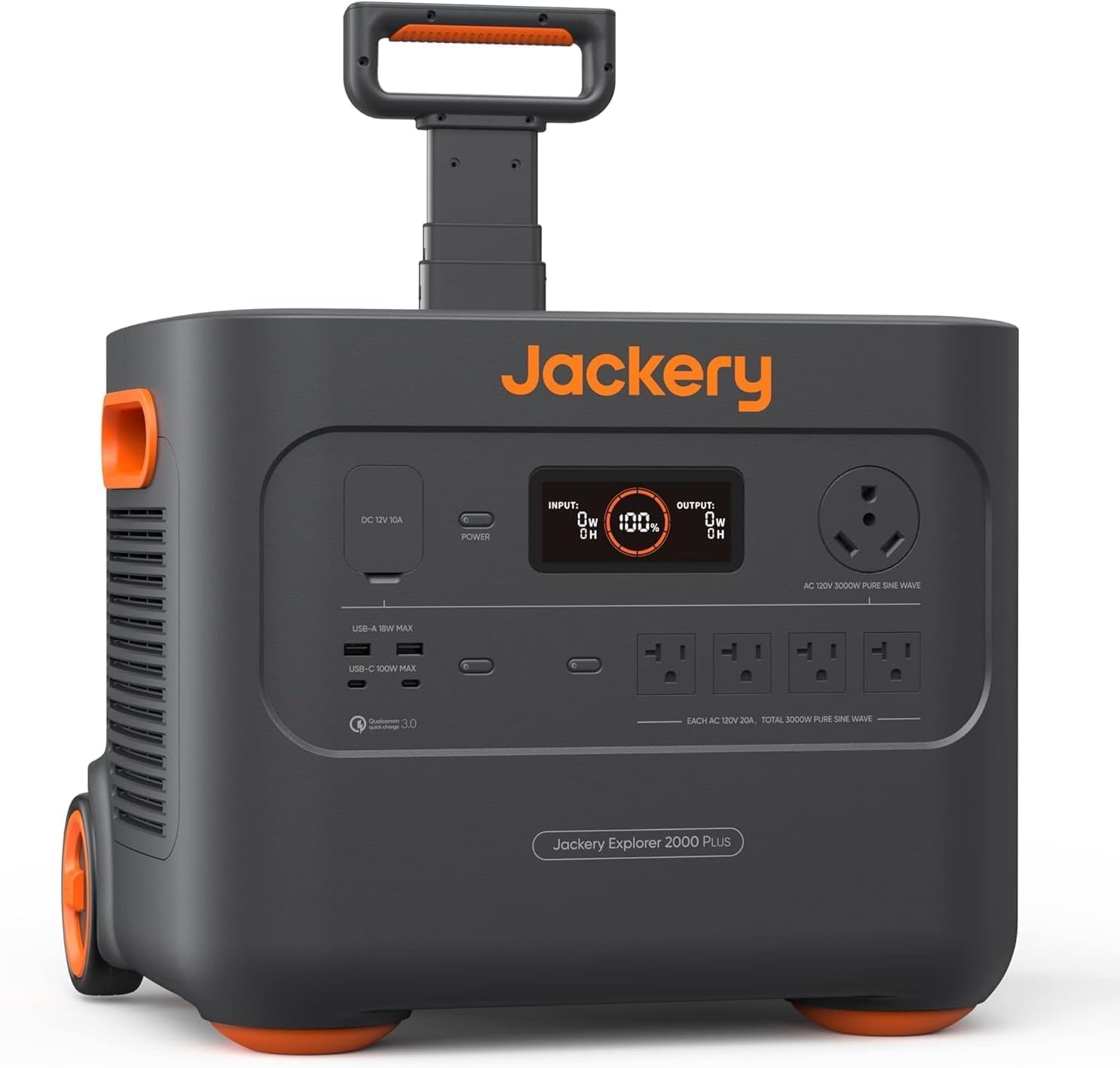
Jackery Explorer 2000 Plus
Jackery's flagship expandable power station. With 2kWh base capacity expandable to 24kWh, it's a serious home backup solution that can also handle RV and off-grid living.
Capacity
2042Wh
Output
3000W
Weight
61.5 lbs
Bluetti
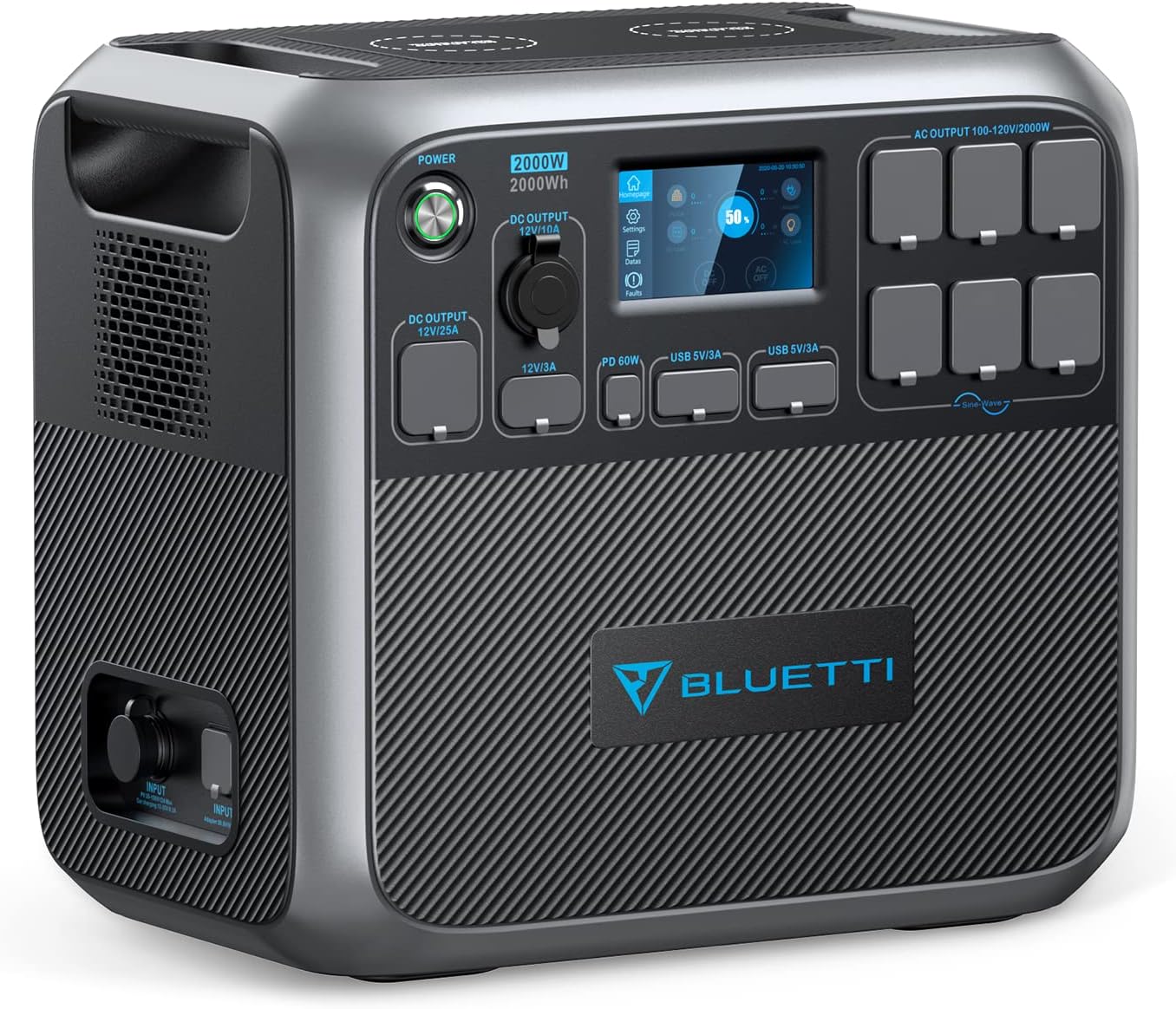
Bluetti AC200P
A budget-friendly 2kWh workhorse. The AC200P packs tons of ports and solid output power at a price point well below competitors with similar capacity.
Capacity
2000Wh
Output
2000W
Weight
60.6 lbs