Guide
LiFePO4 vs Li-NMC Batteries: Why It Matters for Power Stations

TL;DR
LiFePO4 or Li-NMC? Understanding battery chemistry helps you choose a power station that lasts. Here's what the specs actually mean for you.
You’ll see two battery types mentioned on every power station spec sheet: LiFePO4 (lithium iron phosphate) and Li-NMC (lithium nickel manganese cobalt). The difference between them affects how long your power station lasts, how safe it is, and how much you should pay.
The Quick Answer
LiFePO4 is better for most buyers. It lasts longer, is safer, and has become the industry standard. Li-NMC is older technology that’s being phased out. If you’re buying in 2026, choose LiFePO4 unless there’s a compelling reason not to.
Cycle Life: The Biggest Difference
Battery cycle life measures how many times you can fully charge and discharge before the battery degrades to 80% of its original capacity.
- LiFePO4: 3,000-6,000+ cycles
- Li-NMC: 500-2,500 cycles
If you use your power station daily, a LiFePO4 battery lasts 8-16 years before degrading to 80%. An Li-NMC battery lasts 1.5-7 years. For a device you’re spending $500-2,000 on, that longevity difference is enormous.
Which Products Use Which?
LiFePO4 models (longer-lasting):
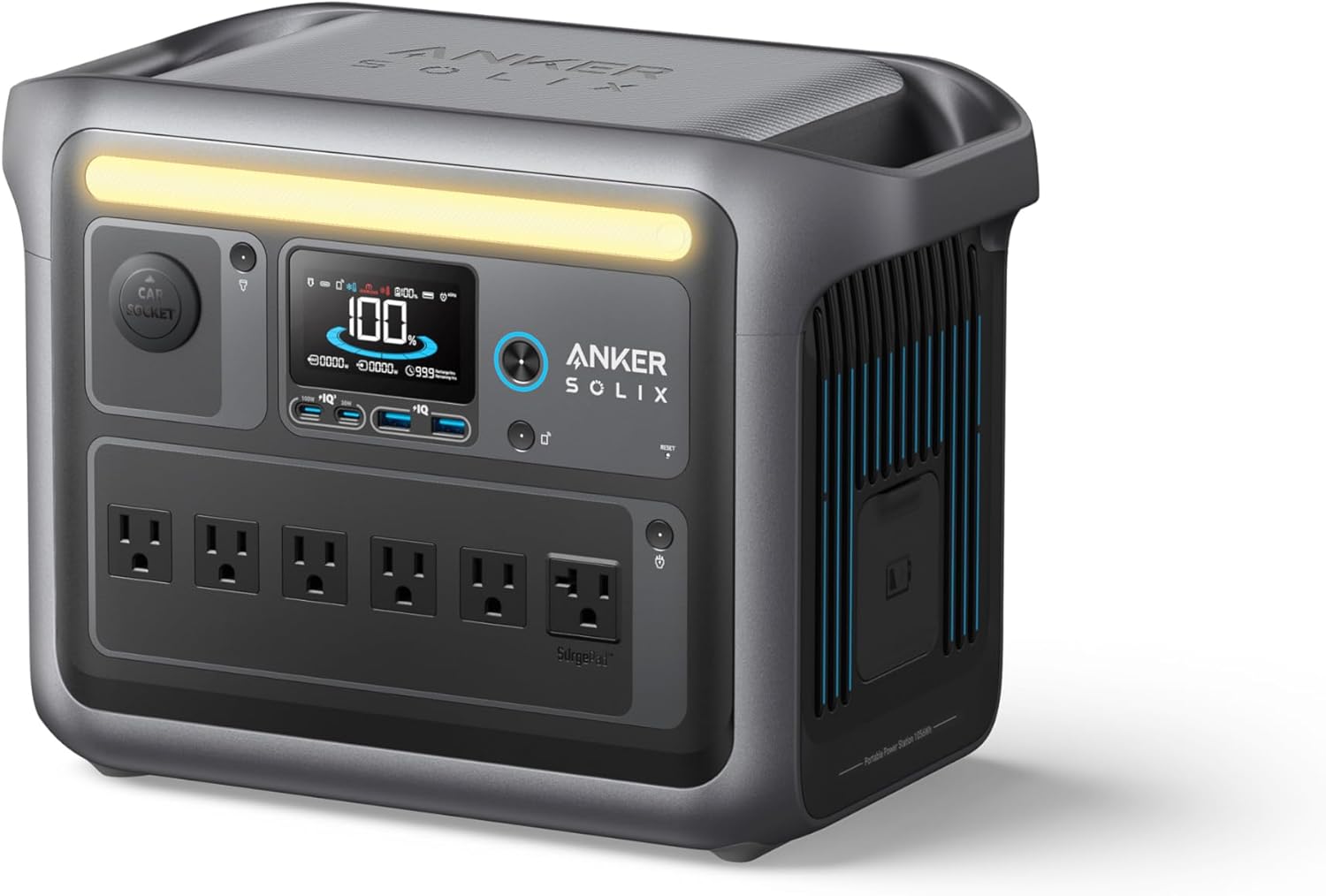
- Anker SOLIX C1000 — 3,000+ cycles
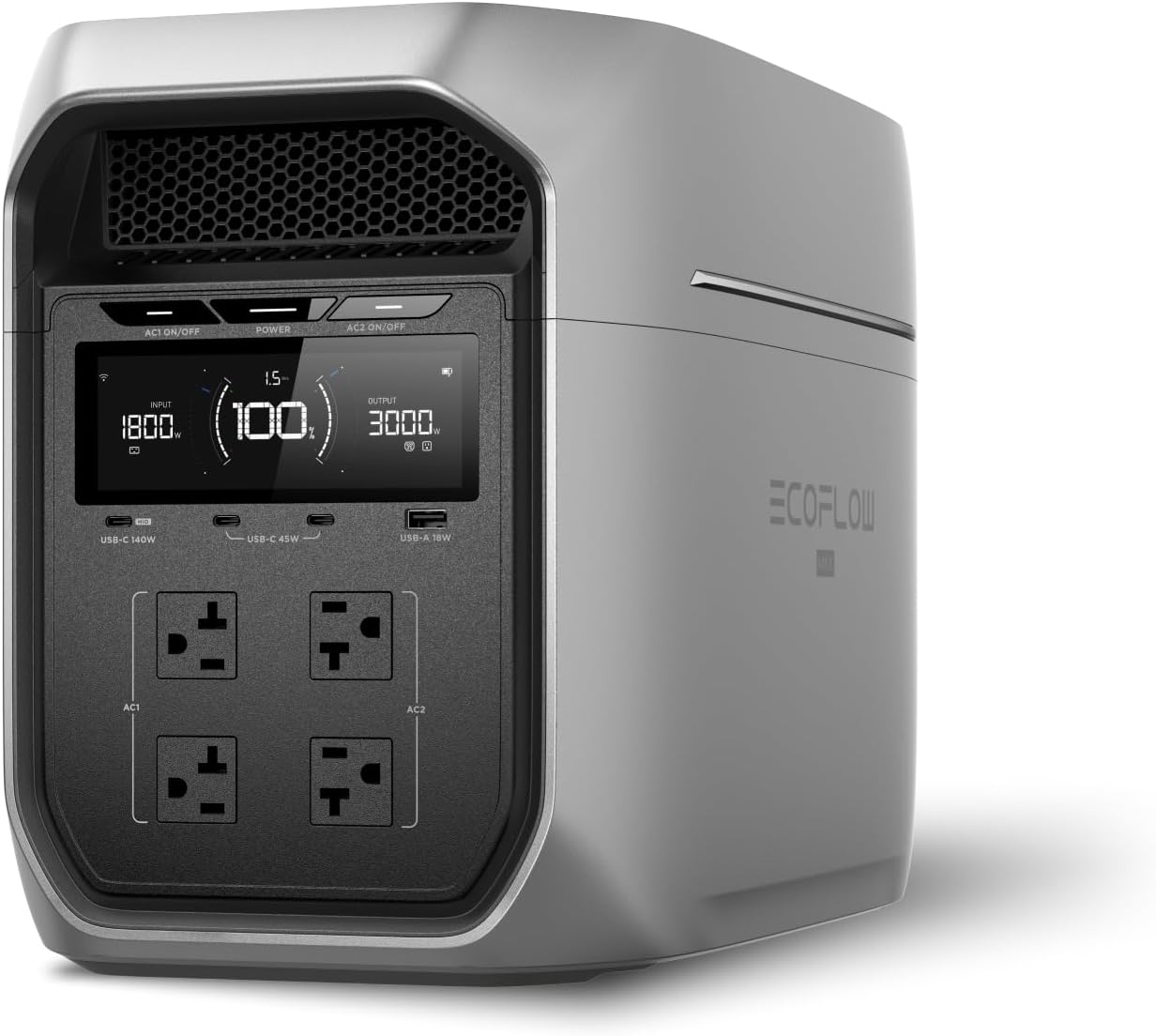
- EcoFlow DELTA 3 Plus — 4,000+ cycles
- Bluetti Elite 200 V2 — 6,000+ cycles
- Jackery Explorer 2000 Plus — 4,000+ cycles
Li-NMC models (shorter-lasting):
- Goal Zero Yeti 1000X — ~2,500 cycles
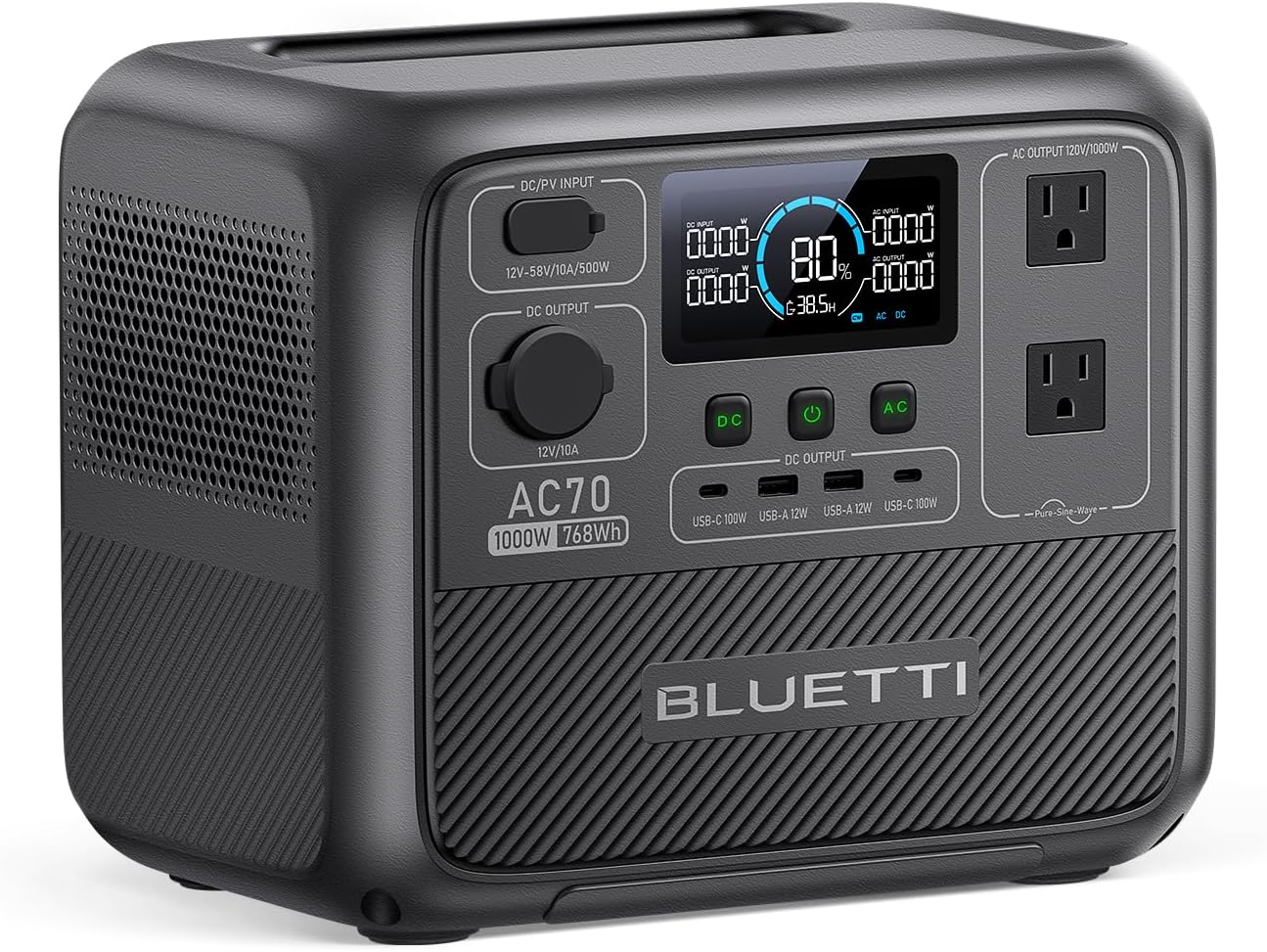
- Bluetti AC200P — ~2,500 cycles
Safety
LiFePO4 batteries are inherently more thermally stable than Li-NMC. They’re more resistant to thermal runaway (the chain reaction that causes lithium battery fires). This doesn’t mean Li-NMC batteries are dangerous — modern power stations have extensive battery management systems. But LiFePO4 provides an extra margin of safety. For a full breakdown of BMS protections, certifications, and safe operating practices, see our portable power station safety guide.
Weight and Energy Density
Here’s where Li-NMC has an edge. Li-NMC batteries pack more energy per pound (about 150-220 Wh/kg) compared to LiFePO4 (about 90-120 Wh/kg). This means Li-NMC power stations can be lighter for the same capacity.
However, the emerging solid-state battery technology (seen in the Yoshino B2000 SST) achieves even higher energy density (~280 Wh/kg) while potentially matching LiFePO4’s longevity.
Charging Speed
LiFePO4 batteries generally handle fast charging better than Li-NMC. They can accept higher charge rates with less degradation. They also hold up better under pass-through charging, where the station simultaneously charges and powers your devices. This is why many of the fastest-charging power stations (like the Anker SOLIX C1000 at 58 minutes) use LiFePO4.
Temperature Performance
LiFePO4 performs better in hot conditions, maintaining capacity and safety at higher temperatures. Li-NMC performs slightly better in extreme cold. For most users, this difference is negligible.
Price
LiFePO4 costs slightly more to manufacture than Li-NMC, but prices have dropped dramatically. In 2026, the price gap is minimal, and the longer lifespan more than compensates. You can find capable LFP stations starting under $500 — see our best power stations under $500 roundup for options.
The Bottom Line
Choose LiFePO4 for:
- Maximum lifespan (daily use for years)
- Best safety margin
- Fast charging durability
- Hot climate use
Consider Li-NMC only if:
- Weight is your top priority
- You’re getting a steep discount on an older model
- You won’t use it frequently enough for cycle life to matter
For 2026 buyers, LiFePO4 is the clear winner. Check our comparison tool to filter by battery type, or use the Power Sizing Calculator to find the right capacity for your needs.
Related Reading
- Power Station Maintenance Tips — how to maximize battery lifespan regardless of chemistry
- Best 1000Wh Power Stations 2026 — all four top picks use LFP batteries
- Portable Power Station Safety Guide — BMS protections, certifications, and safe storage practices
- Best Portable Power Stations 2026 — our overall top picks across all capacity tiers
- Solid-State vs LiFePO4 Batteries — the next generation of battery tech is here. How does solid-state compare to LiFePO4?
- Yoshino B2000 SST Review — the world’s first solid-state battery power station
Recommended Power Stations
EcoFlow
EcoFlow DELTA 3 Plus
EcoFlow's newest mid-range flagship. The DELTA 3 Plus improves on the Delta 2 with faster charging, LiFePO4 chemistry, and UPS functionality — all at a lower price.
Frequently Asked Questions
Is LiFePO4 better than lithium-ion for power stations?
Yes, for most users. LiFePO4 (lithium iron phosphate) lasts 3,000-6,000 cycles vs 500-1,000 for Li-NMC (lithium-ion). It's also safer, more stable in heat, and holds charge better in storage. The tradeoff is slightly heavier weight and lower energy density.
How many years does a LiFePO4 power station last?
A LiFePO4 power station rated for 3,000 cycles will last 10+ years with daily use or 15+ years with weekly use. At 6,000 cycles (like the Bluetti Elite 200 V2), it can last 20+ years. After reaching its rated cycles, the battery still holds about 80% of its original capacity.
Are LiFePO4 power stations worth the extra cost?
Yes. While LiFePO4 power stations may cost 10-20% more upfront, they last 3-6x longer than Li-NMC models. Over a 10-year period, a LiFePO4 station is significantly cheaper because you won't need to replace it. Most new power stations now use LiFePO4 as standard.
Ready to Buy? Here's What We Recommend
Based on our testing and this guide, these are the best options for most people: