Buying Guide
Best Lithium RV & Marine Batteries in 2026

TL;DR
Upgrading from lead-acid to lithium is the single best RV upgrade. Compare Battle Born vs. Renogy — the two most popular LiFePO4 batteries for RVs, boats, and off-grid solar.
Upgrading from lead-acid to lithium is the single most impactful RV upgrade you can make. Less weight, more usable power, faster charging, and a 10x longer lifespan. Here’s how to choose the right lithium battery for your rig.
Quick Answer
Best overall (premium): Battle Born 100Ah 12V LiFePO4 ($925) — 10-year warranty, proven track record, US-based support.
Best value: Renogy 200Ah Smart LiFePO4 ($700) — double the capacity, Bluetooth monitoring, built-in self-heating BMS.
Battle Born vs. Renogy: Side-by-Side
| Spec | Battle Born 100Ah | Renogy 200Ah Smart |
|---|---|---|
| Capacity | 100Ah (1,280Wh) | 200Ah (2,560Wh) |
| Weight | 31 lbs | 52.9 lbs |
| Bluetooth | No | Yes |
| Self-heating | No | Yes (to -4°F) |
| Warranty | 10 years | 5 years |
| Cycle life | 3,000-5,000 | 4,000+ |
| Price | $925 | $700 |
| Price per Ah | $9.25 | $3.50 |
Choose Battle Born if warranty, customer support, and brand reputation are your top priorities. The 10-year warranty is unmatched.
Choose Renogy if value, capacity, and features matter most. At $3.50/Ah vs $9.25/Ah, you get significantly more battery for your dollar — plus Bluetooth monitoring and self-heating for cold-weather charging.
Lithium vs. Lead-Acid
| Feature | LiFePO4 (Lithium) | AGM (Lead-Acid) |
|---|---|---|
| Usable capacity | 100% | 50% |
| Weight | 31 lbs per 100Ah | 65-75 lbs per 100Ah |
| Cycle life | 3,000-5,000 | 300-500 |
| Charge speed | 50A+ (fast) | 10-20A (slow) |
| Self-discharge | <3%/month | 5-15%/month |
| Lifespan | 10-15 years | 3-5 years |
| Upfront cost | $700-$925 per 100Ah | $150-$250 per 100Ah |
| Lifetime cost | ~$0.05-0.10/cycle | ~$0.50-0.80/cycle |
The lifetime cost comparison is what makes lithium the clear winner. A $925 Battle Born battery lasting 5,000 cycles costs $0.19 per cycle. A $200 AGM battery lasting 400 cycles costs $0.50 per cycle.
How Many Batteries Do You Need?
| RV Usage Level | Capacity Needed | Battery Setup |
|---|---|---|
| Weekender (lights, fridge, charging) | 100Ah | 1x Battle Born 100Ah or 1x Renogy 200Ah |
| Full-timer (all above + TV, router) | 200Ah | 2x Battle Born 100Ah or 1x Renogy 200Ah |
| Power user (above + AC, microwave) | 400Ah+ | 4x Battle Born 100Ah or 2x Renogy 200Ah |
Cold Weather Considerations
LiFePO4 batteries cannot be charged below freezing (32°F/0°C). Discharging is fine down to about -4°F, but charging below freezing can permanently damage the cells.
- Battle Born: No built-in heating. You need an external battery heater or heated compartment for cold-weather charging.
- Renogy 200Ah Smart: Built-in self-heating BMS activates automatically at 41°F and allows charging down to -4°F. This is a major advantage for four-season RVers.
The Bottom Line
If you can only make one RV upgrade, make it lithium batteries. The Renogy 200Ah Smart is the best value with built-in Bluetooth and self-heating. The Battle Born 100Ah is the premium choice with the best warranty and support in the industry. Either way, you’ll wonder how you ever lived with lead-acid.
Recommended Power Stations
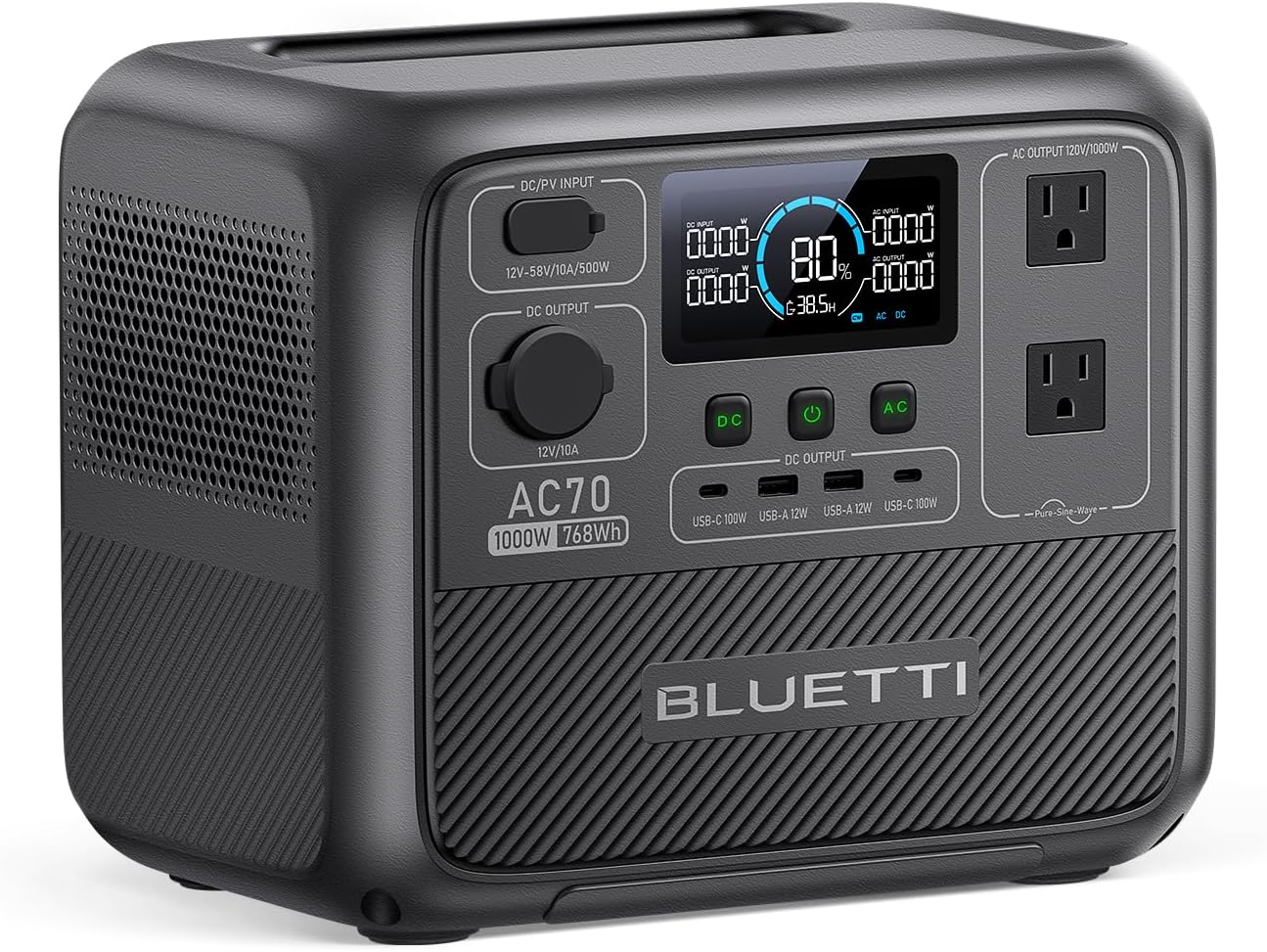
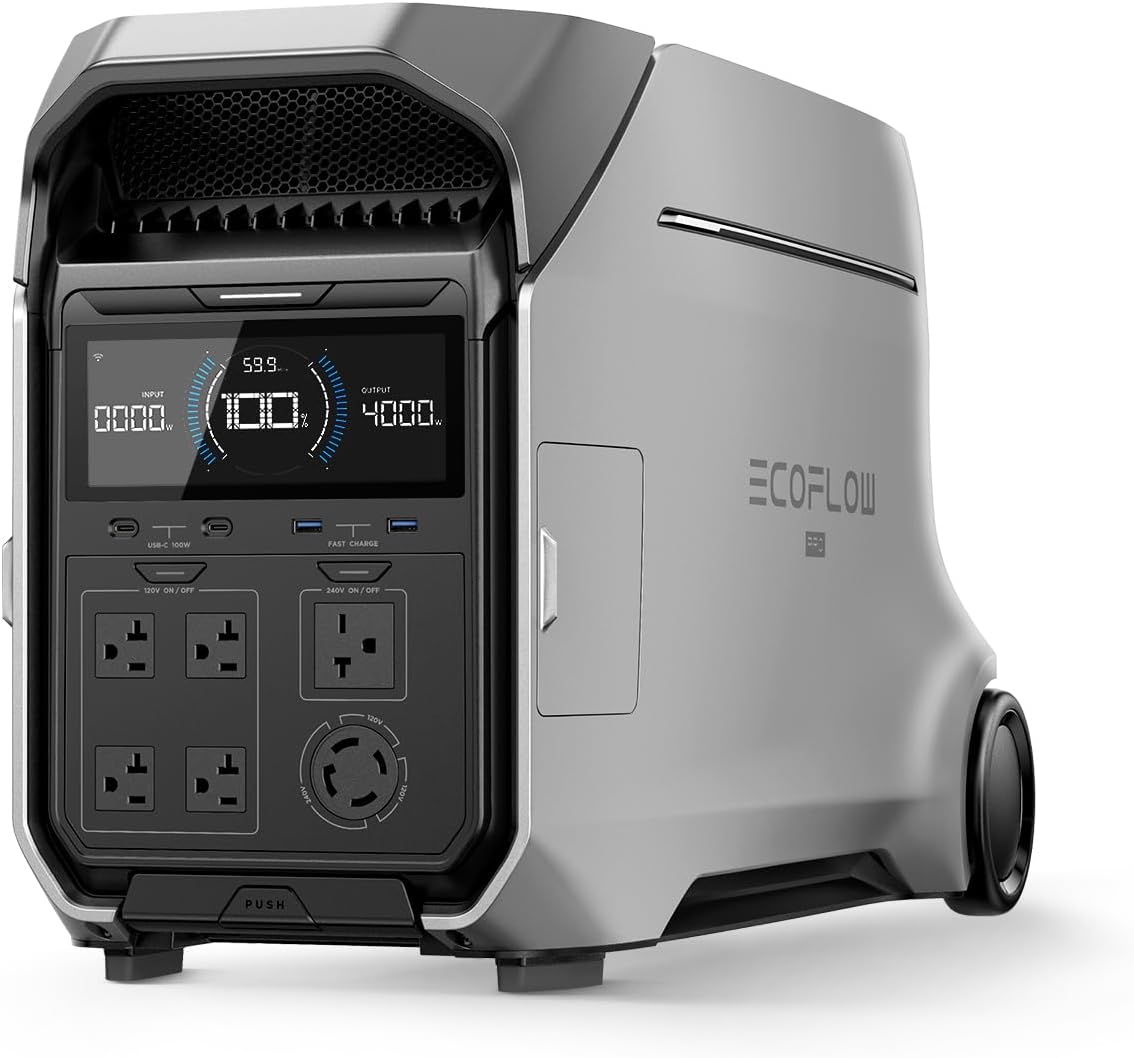
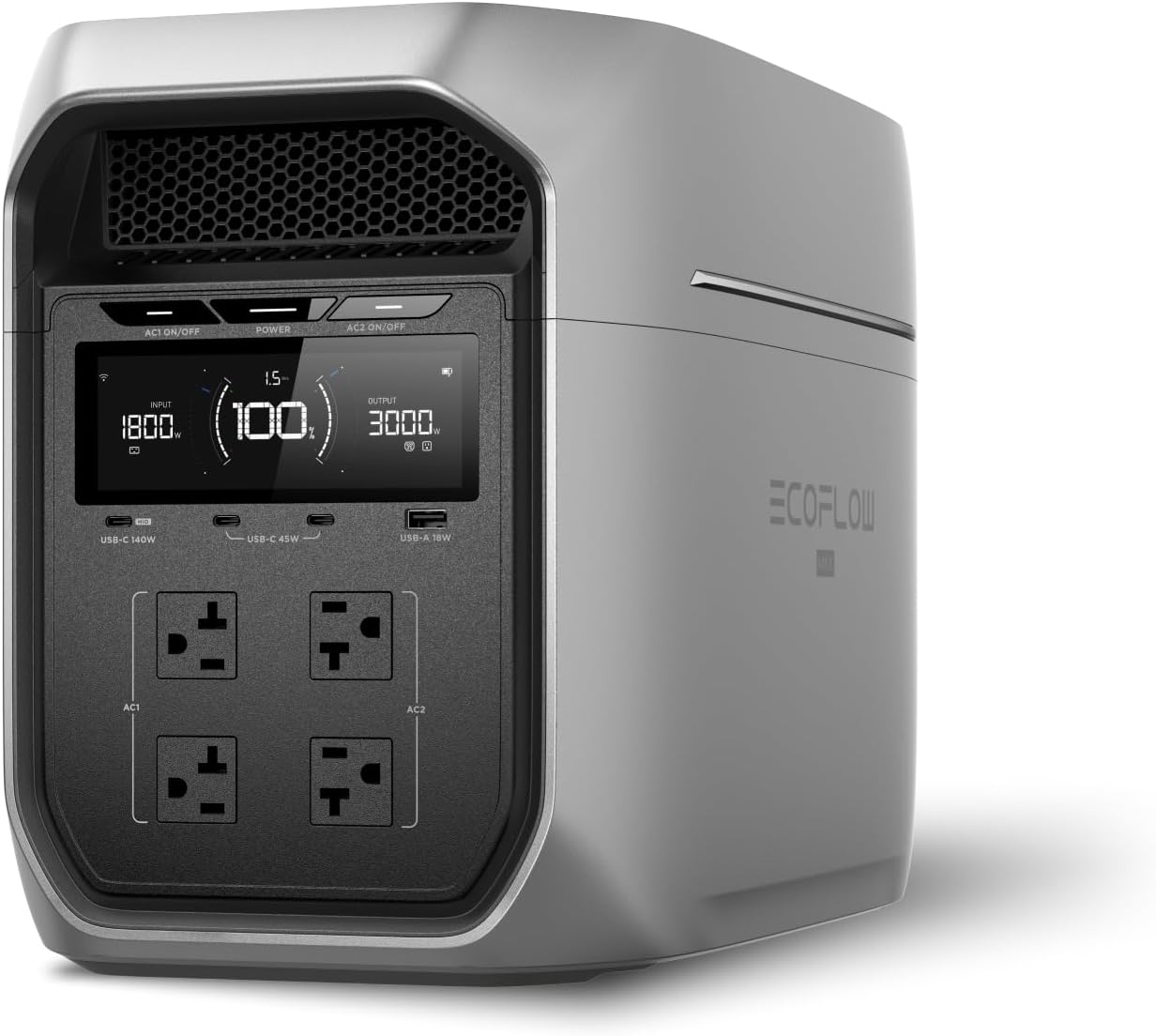
EcoFlow
EcoFlow DELTA 3 Plus
EcoFlow's newest mid-range flagship. The DELTA 3 Plus improves on the Delta 2 with faster charging, LiFePO4 chemistry, and UPS functionality — all at a lower price.
Frequently Asked Questions
Is upgrading to lithium RV batteries worth it?
Yes, for most RV owners. Lithium LiFePO4 batteries weigh 1/3 as much, provide 100% usable capacity (vs. 50% for lead-acid), last 3,000-5,000 cycles (vs. 300-500), and charge much faster. One lithium battery replaces two lead-acid batteries in real-world usable capacity. The 3-5x longer lifespan makes the lifetime cost comparable.
How many lithium batteries does an RV need?
Most RVs need 200-400Ah of lithium battery capacity. Two 100Ah batteries (200Ah total, 2,560Wh) handle typical RV needs: fridge, lights, water pump, phone/laptop charging, and a few hours of TV. If you run an AC unit or lots of appliances, consider 400Ah (four 100Ah or two 200Ah batteries).
Can you charge lithium batteries with an RV alternator?
Yes, but you may need a DC-DC charger or lithium-compatible charge profile. Lithium batteries charge much faster than lead-acid and can draw high current from your alternator. A DC-DC charger like the Renogy DCC50S ($180) regulates charging current to protect both the alternator and batteries.
Ready to Buy? Here's What We Recommend
Based on our testing and this guide, these are the best options for most people: