⚡ The Power Pick

Best Generators of 2026: Buyer's Guide

When battery power stations are not enough, a fuel-powered generator provides virtually unlimited runtime as long as you have gas or propane. Modern inverter generators produce clean, stable power safe for sensitive electronics while running far quieter than older models. Whether you need a compact 2,200W unit for camping or a beefy 4,500W dual-fuel model for whole-home backup, we have tested the leading generators to help you make the right call.

How to Choose a Generator

Wattage (Running vs Surge)

Running watts is the continuous power the generator delivers. Surge watts is the brief extra power available when motors start up. Add up the wattage of everything you want to run simultaneously and add 20% headroom. A 2,200W generator handles most camping needs; 3,500W+ covers home essentials during outages.

Fuel Type

Gasoline-only generators are most common and affordable. Dual-fuel models run on gasoline or propane, giving you flexibility when gas stations are down during emergencies. Propane stores indefinitely and burns cleaner, but delivers slightly less power than gasoline.

Noise Level (dB)

Measured in decibels at 25% load from 23 feet. A whisper-quiet inverter generator runs at 48-52 dB, comparable to a normal conversation. Larger conventional generators can hit 65-75 dB, which is uncomfortably loud. Most campgrounds require generators under 60 dB.

Weight

Compact 2,200W inverter generators weigh 46-50 lbs and are manageable for one person. Larger 3,500W+ models can weigh 95-105 lbs and typically need two people or a wheel kit to move. Consider where you will store and transport the generator before buying.

Inverter vs Conventional

Inverter generators produce clean sine wave power safe for laptops, phones, and sensitive electronics. They also run quieter and are more fuel-efficient. Conventional generators are cheaper and produce more raw power but with dirtier electricity and more noise. For most buyers, inverter is worth the premium.

Our Top Picks

#1 Best Overall

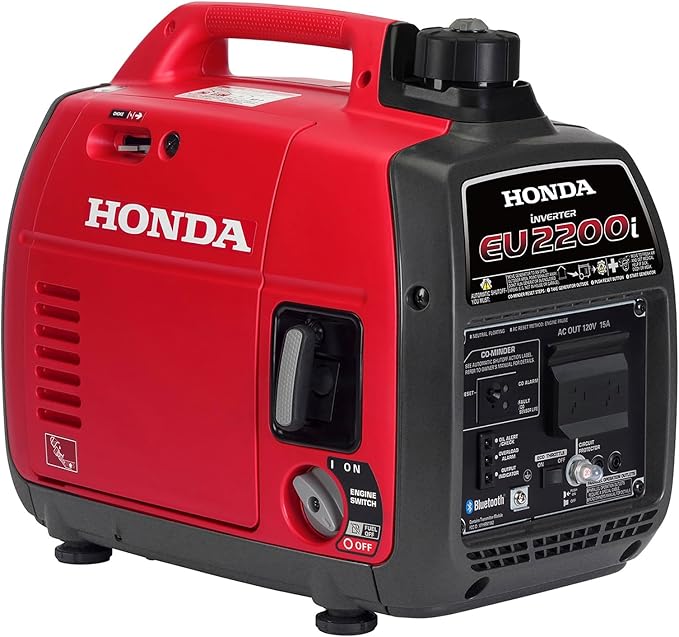
Honda EU2200i

Honda · $1149 · 4.8/5

The gold standard in portable inverter generators. Honda's legendary reliability, whisper-quiet 48 dB operation, and clean sine wave output make it the top choice for camping and home backup.

Read full review →
#2 Runner Up

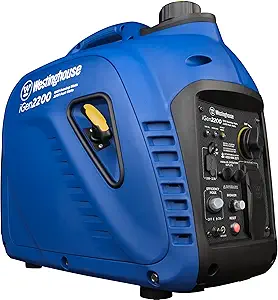
Westinghouse iGen2200

Westinghouse · $449 · 4.5/5

A reliable inverter generator that delivers Honda-like performance at nearly half the price. The iGen2200 is the best value in the 2200W class.

Read full review →
#3 Best Value

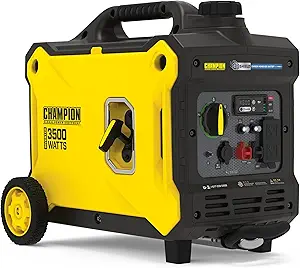
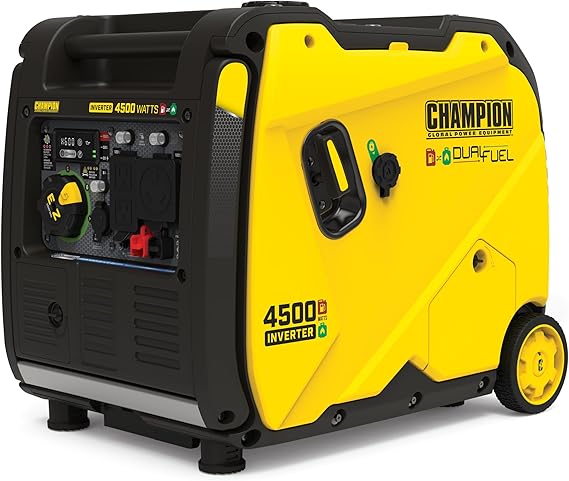
Champion 4500W Dual Fuel

Champion · $999 · 4.4/5

A powerful dual-fuel inverter generator with electric start and RV-ready outlets. The fuel flexibility and 14-21 hour runtime make it ideal for extended outages and RV trips.

Read full review →

All Generators We've Tested

Honda EU2200i
$1149
4.8

The gold standard in portable inverter generators. Honda's legendary reliability, whisper-quiet 48 dB operation, and clean sine wave output make it the top choice for camping and home backup.

Watts

1800W

Weight

46.5 lbs

Noise

48dB
Frequently Asked Questions

Inverter generator vs conventional generator: What is the difference?

An inverter generator converts AC power to DC and back to AC, producing a clean, stable sine wave. This makes it safe for charging laptops, phones, and medical devices. Conventional generators produce rougher power with more harmonic distortion. Inverter generators are also significantly quieter and more fuel-efficient, but cost more per watt.

How loud are portable generators?

Modern inverter generators operate at 48-59 dB at 25% load, which is roughly the volume of a normal conversation. At full load, they can reach 60-65 dB. Older conventional generators are much louder at 65-75 dB. For reference, 50 dB is a quiet office, 60 dB is a restaurant conversation, and 70 dB is a vacuum cleaner.

Gas vs dual fuel: Is it worth the upgrade?

Dual-fuel capability is worth it for emergency preparedness. When a major storm knocks out power, gas stations may be closed or out of fuel. Propane tanks store indefinitely and are easy to stockpile. The typical price premium for dual fuel is $100-200, which is good insurance. For camping-only use, gasoline-only is usually fine.

Can I use a generator indoors?

Never. All fuel-burning generators produce carbon monoxide, an odorless, deadly gas. Always run generators outdoors, at least 20 feet from windows, doors, and vents. For indoor backup power, consider a battery power station instead, which produces zero emissions and is safe for indoor use.

Get the best power station deals in your inbox

Weekly picks, price drops, and new reviews — no spam, unsubscribe anytime.