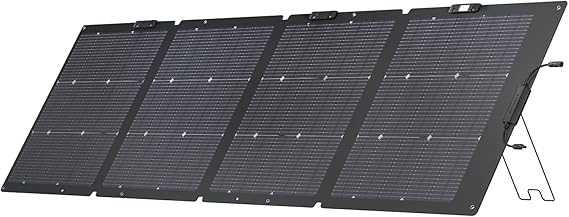
⚡ The Power Pick

Best Portable Solar Panels of 2026: Buyer's Guide

A good solar panel turns your power station into a renewable energy system that can keep you powered indefinitely. Portable solar panels fold up for easy transport, set up in minutes, and can recharge a 1,000Wh power station in as little as 3 hours of direct sunlight. From lightweight 100W panels for weekend camping to high-output 400W models for RV rooftops, we have tested the top options to help you pick the best match for your setup.

How to Choose a Solar Panel

Wattage (W)

The panel's rated power output under ideal conditions. A 200W panel will charge a power station roughly twice as fast as a 100W panel. Higher wattage means faster charging but also more weight and cost. Most campers find 200W to be the sweet spot.

Efficiency (%)

The percentage of sunlight converted into electricity. Top panels hit 23-24% efficiency with monocrystalline cells. Higher efficiency means more power from the same surface area, which matters when space is limited on an RV roof or campsite.

Weight

Portable solar panels range from 10 lbs for a 100W panel to 35+ lbs for a 400W model. If you are hiking or need to carry the panel from your car to a campsite, weight is a deciding factor. For permanent RV rooftop setups, weight matters less.

Connector Type: MC4 vs Proprietary

MC4 connectors are the universal standard and work with almost any power station using an adapter cable. Some brands like Jackery use proprietary Anderson connectors that limit compatibility to their own ecosystem. MC4 gives you the most flexibility.

Weather Rating (IP)

The IP rating tells you how well the panel resists dust and water. IP68 means full dust protection and submersion resistance. IP65 handles rain and splashes. If you plan to leave panels out in all weather, aim for IP67 or higher.

Our Top Picks

#1 Best Overall

EcoFlow 220W Bifacial Solar Panel

EcoFlow · $449 · 4.6/5

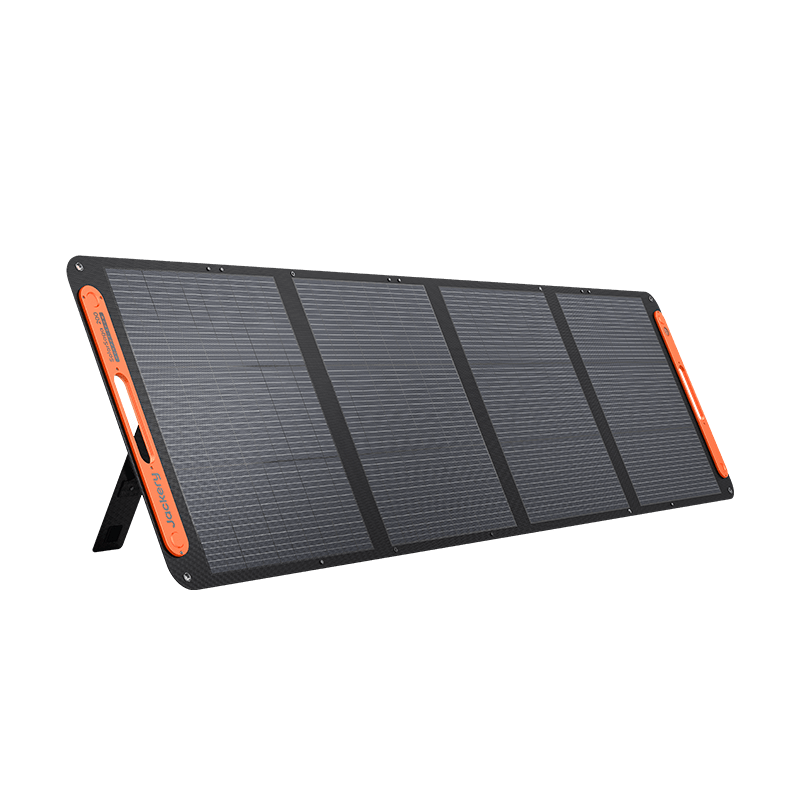
EcoFlow's highest-output portable solar panel with bifacial N-type cells that capture reflected light from both sides. Built-in kickstand and IP68 rating make it ideal for any outdoor setup.

Read full review →
#2 Runner Up

Jackery SolarSaga 100W

Jackery · $299 · 4.5/5

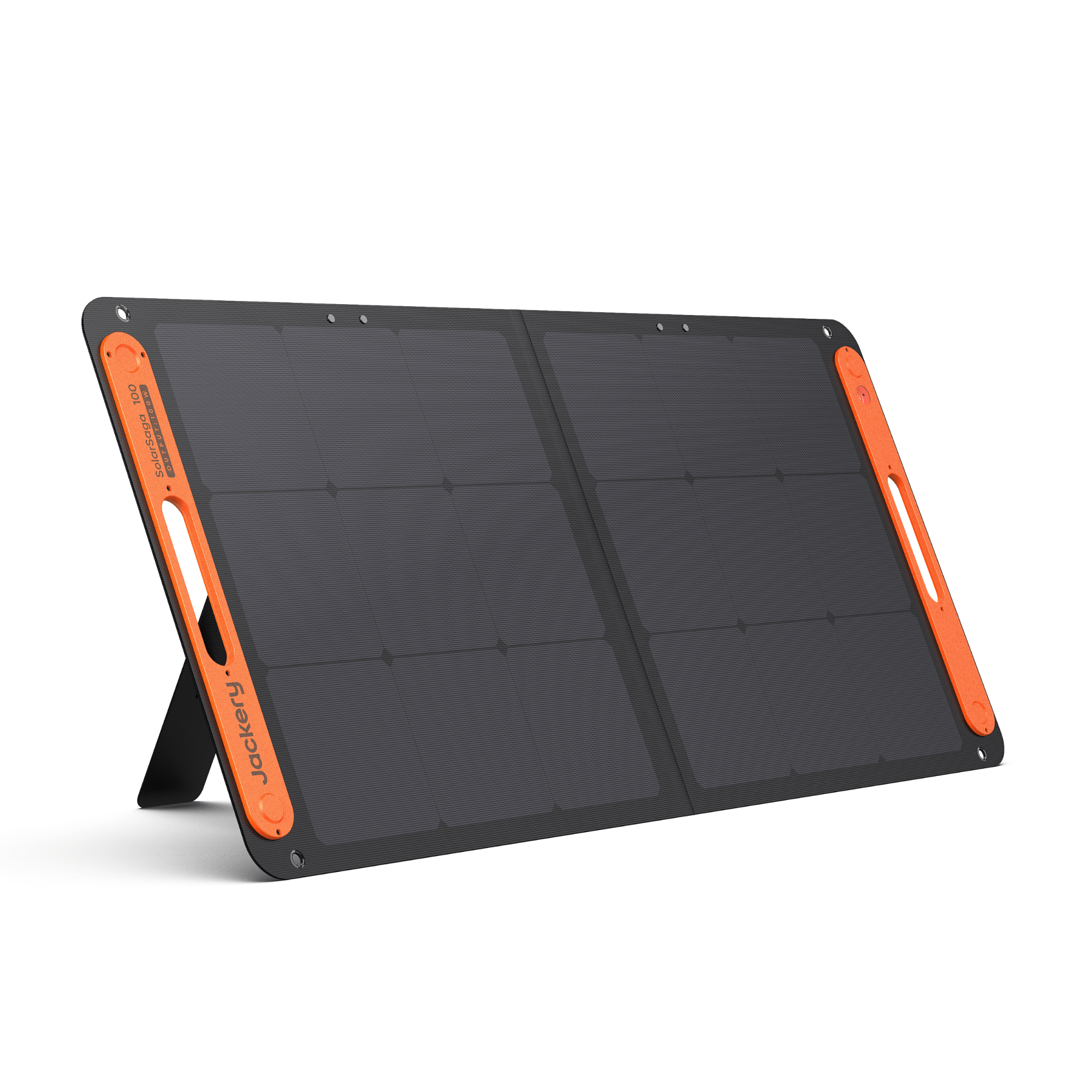
Jackery's most popular solar panel with the highest cell efficiency in the 100W class. Built-in USB ports make it great for direct device charging.

Read full review →
#3 Best Value

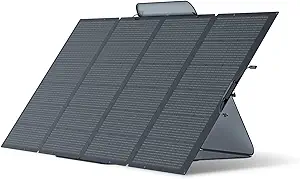
EcoFlow 400W Portable Solar Panel

EcoFlow · $899 · 4.5/5

EcoFlow's most powerful portable solar panel delivers 400W from a single foldable unit. Ideal for RV owners who need fast charging.

Read full review →

All Solar Panels We've Tested

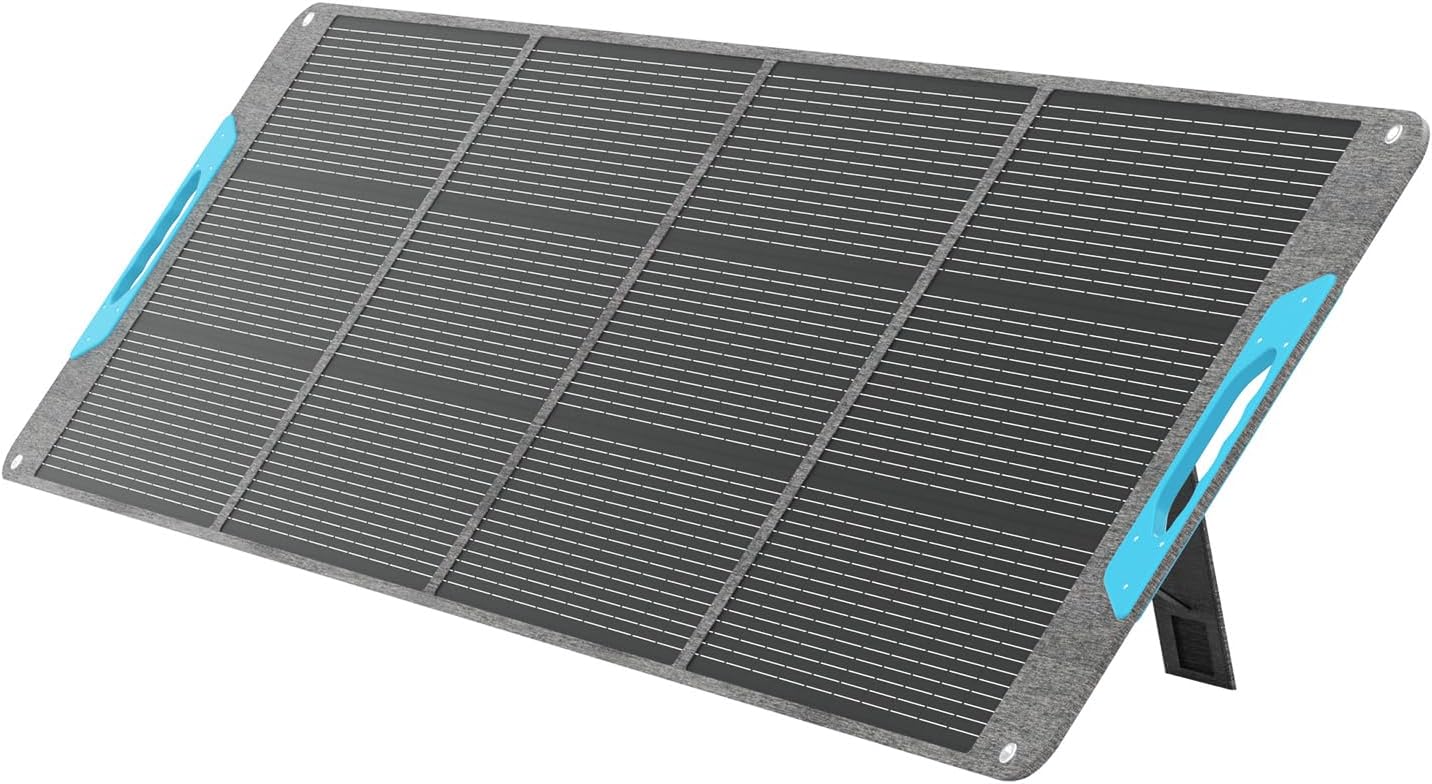
Bluetti PV200

Bluetti

Bluetti PV200

$399
4.3

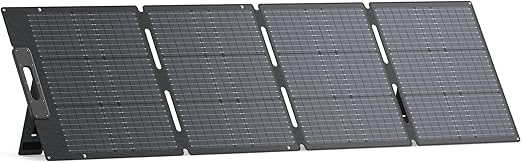
The best value in 200W portable solar panels. Standard MC4 connectors make it compatible with nearly any power station, and at 16 lbs it's the lightest in its class.

Wattage

200W

Weight

16.1 lbs

Efficiency

23.4%

Frequently Asked Questions

How long does it take to charge a power station with a solar panel?

Divide your power station's capacity by the panel's real-world output (roughly 70-80% of rated wattage in good sun). For example, a 200W panel producing about 150W in real conditions will charge a 1,000Wh station in approximately 6-7 hours of direct sunlight. Using two panels in parallel cuts that time in half.

MC4 vs proprietary connectors: Does it matter?

It matters a lot for flexibility. MC4 is the universal solar industry standard, so a panel with MC4 connectors will work with nearly any power station using a simple adapter cable. Proprietary connectors (like Jackery's Anderson plug) lock you into one brand's ecosystem, which can limit your future upgrade options.

Monocrystalline vs CIGS: Which is better?

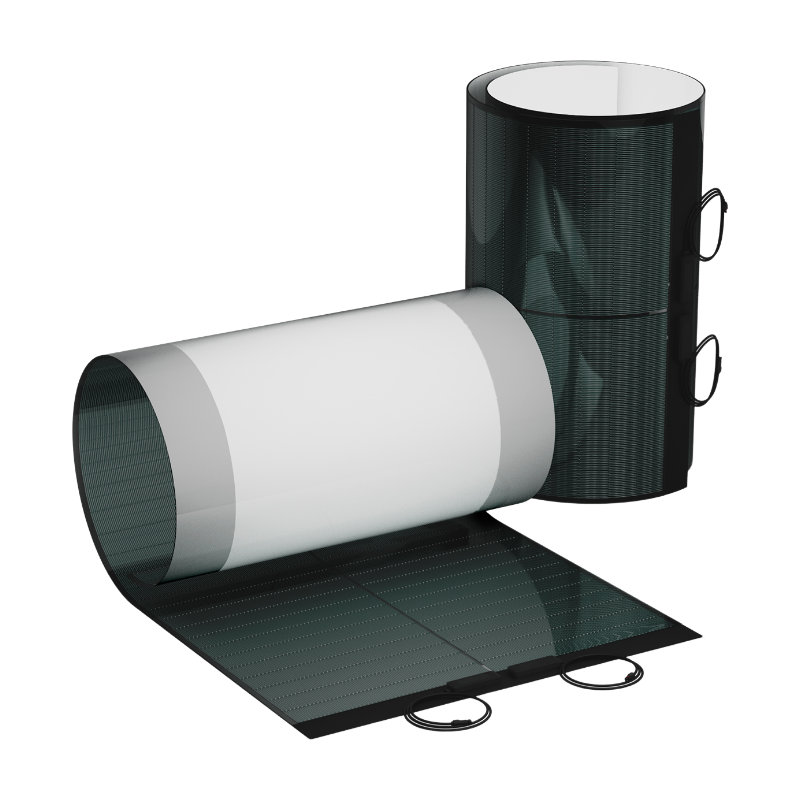
Monocrystalline panels offer the highest peak efficiency (22-24%) and perform best in direct sunlight. CIGS (thin-film) panels are lighter and perform better in low-light and partially shaded conditions, but typically have slightly lower peak efficiency. For most users, monocrystalline is the better all-around choice.

Can I chain multiple solar panels together?

Yes, most power stations support connecting two or more panels in parallel to increase charging speed. Check your station's maximum solar input wattage and voltage range before connecting multiple panels. Panels connected in parallel should be the same wattage for optimal performance.

Get the best power station deals in your inbox

Weekly picks, price drops, and new reviews — no spam, unsubscribe anytime.