⚡ The Power Pick

Best RV & Marine Batteries of 2026: Buyer's Guide

Upgrading to lithium batteries is the single biggest quality-of-life improvement you can make to an RV, boat, or off-grid solar system. LiFePO4 batteries weigh a third of what lead-acid batteries do, last 10 times longer, and deliver consistent power down to 100% depth of discharge. Prices have dropped dramatically in recent years, making the switch more affordable than ever. We have tested the top LiFePO4 batteries across every price point to help you find the right balance of capacity, features, and value.

How to Choose an RV Battery

Capacity (Ah)

Measured in amp-hours (Ah), this tells you how much energy the battery stores. A 100Ah 12V battery holds 1,280Wh. For basic RV use (lights, phone charging, water pump), 100Ah is a starting point. For running a fridge, inverter, and multiple devices, 200-300Ah gives you comfortable multi-day capacity without solar.

BMS Features

The Battery Management System protects against overcharge, over-discharge, short circuit, and overtemperature. Premium BMS features include Bluetooth monitoring (check state of charge from your phone), low-temperature charging cutoff (prevents damage below freezing), and self-heating elements that enable cold-weather charging.

Weight

A 100Ah LiFePO4 battery weighs 18-31 lbs compared to 60-70 lbs for an equivalent lead-acid battery. This weight savings is significant in RVs (improves fuel economy and payload capacity) and critical in marine applications where every pound affects performance. Lighter models use higher-grade prismatic cells.

Warranty

Warranty length varies dramatically: budget brands offer 3-5 years, mid-range brands 5-7 years, and premium brands like Battle Born and Dakota Lithium offer 10-11 years. A longer warranty reflects manufacturer confidence in cell quality. Since LiFePO4 batteries can last 10+ years, a long warranty provides real peace of mind.

Cold Weather Performance

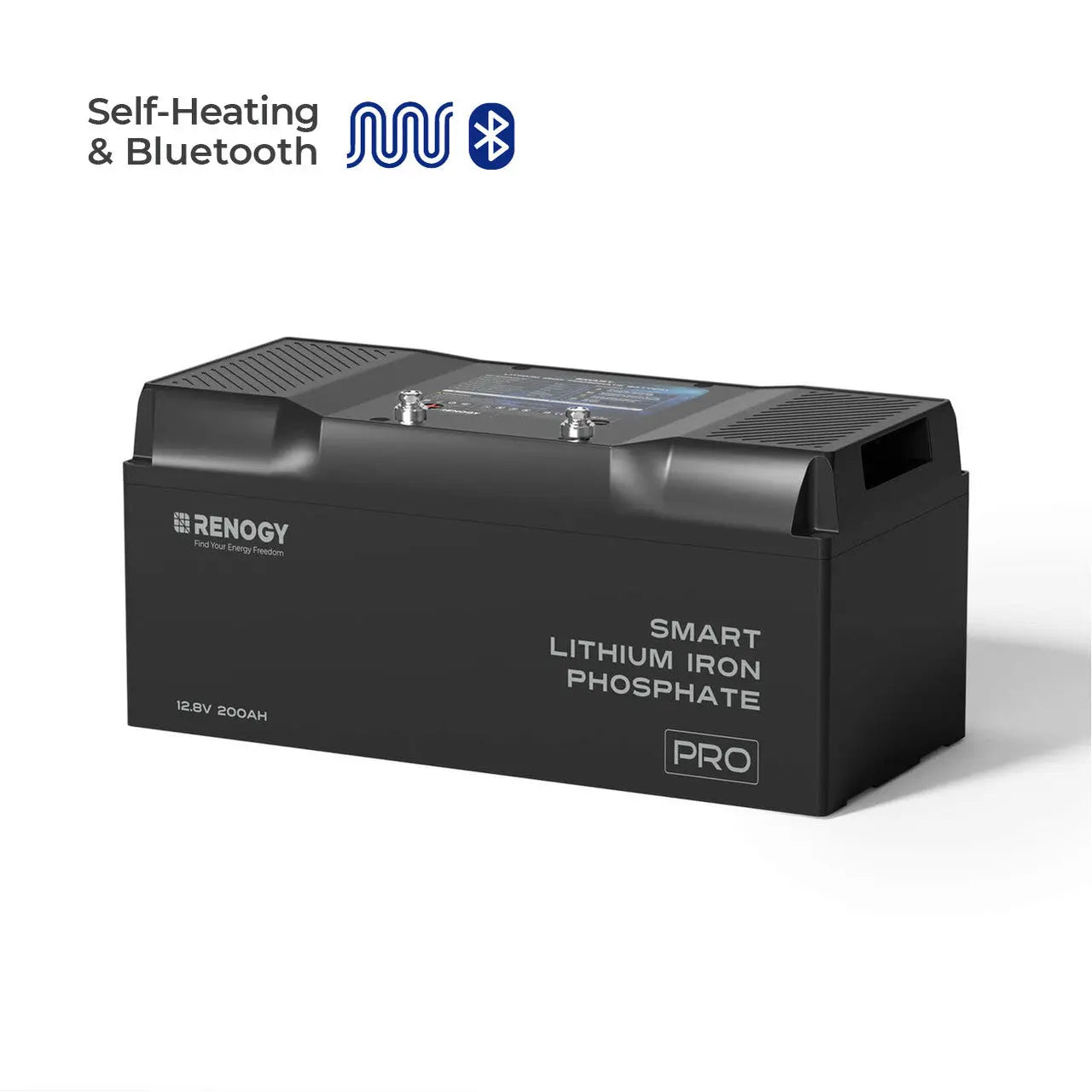
LiFePO4 batteries can discharge in cold weather (down to -4 to -20 degrees F depending on the model) but should never be charged below freezing (32 degrees F) unless they have a self-heating BMS. If you camp or boat in cold climates, look for batteries with built-in heating elements like the Renogy 200Ah Smart that enables sub-freezing charging.

Our Top Picks

#1 Best Overall

Battle Born 100Ah 12V LiFePO4

Battle Born · $925 · 4.7/5

The gold standard in lithium RV batteries. Battle Born's 100Ah LiFePO4 offers a 10-year warranty, 3,000-5,000 cycle life, and drop-in replacement simplicity that justifies the premium price.

Read full review →
#2 Runner Up

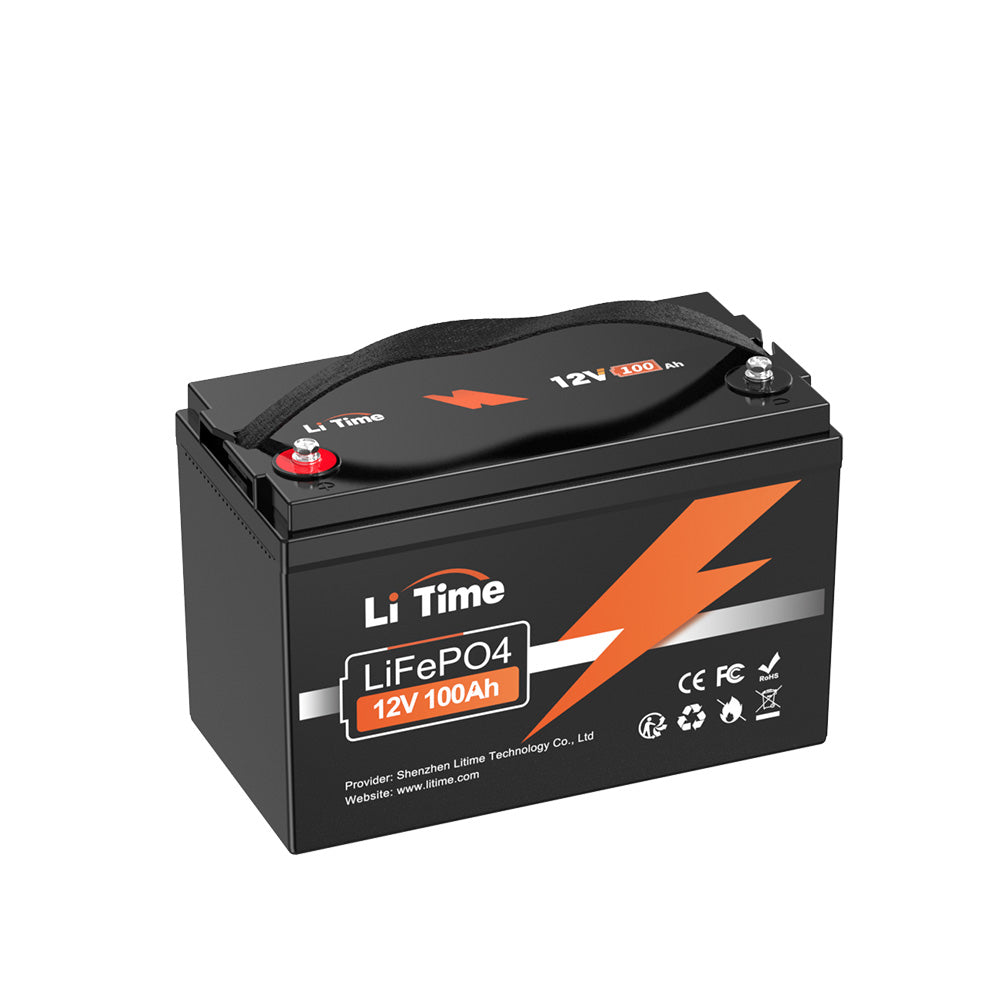
LiTime 12V 100Ah LiFePO4 Battery

LiTime · $260 · 4.6/5

The best budget LiFePO4 battery for RV and marine use. At roughly $260 for 100Ah, LiTime delivers 4,000+ cycle longevity at a fraction of premium brand pricing.

Read full review →
#3 Best Value

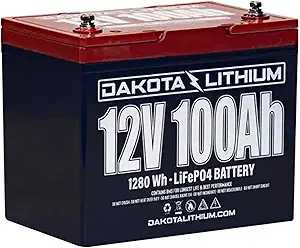
Dakota Lithium 12V 100Ah LiFePO4

Dakota Lithium · $750 · 4.6/5

The premium choice for extreme conditions. Dakota Lithium's 11-year warranty and cold-weather performance justify the higher price for boaters, hunters, and off-gridders who demand reliability.

Read full review →

All RV & Marine Batteries We've Tested

Frequently Asked Questions

LiFePO4 vs lead-acid: Is the upgrade worth it?

Yes, for most RV and marine applications. LiFePO4 batteries last 3,000-5,000+ cycles vs 300-500 for lead-acid, weigh 60-70% less, and can be discharged to 100% vs only 50% for lead-acid (effectively doubling usable capacity). While the upfront cost is 3-5x higher, the cost per cycle is actually lower over the battery's lifetime. The weight savings alone can be worth it for RV fuel economy.

How many amp-hours do I need for my RV?

Add up your daily consumption: LED lights (2-5Ah), water pump (5-8Ah per day), phone charging (2-3Ah), 12V fridge (30-60Ah per day), and any other devices. A typical RV without AC uses 50-100Ah per day. For weekend trips without solar, 200Ah gives you 2-3 days. With solar panels recharging daily, 100Ah is often sufficient as a buffer.

Can I charge LiFePO4 batteries below freezing?

Charging LiFePO4 below 32 degrees F (0 degrees C) can cause permanent damage by lithium plating on the anode. Most batteries have a BMS that cuts off charging below freezing to prevent this. Some premium models like the Renogy 200Ah Smart include a built-in heating element that warms the cells before charging, allowing operation in sub-freezing temperatures. Discharging in cold weather is safe down to -4 to -20 degrees F depending on the model.

Can I use my existing RV converter/charger with LiFePO4?

Most RV converters designed for lead-acid batteries will work with LiFePO4, but they may not fully charge the battery because LiFePO4 requires a slightly different charge profile (14.4-14.6V absorption vs 14.4-14.8V for lead-acid, and no float stage). For optimal charging, upgrade to a LiFePO4-compatible converter/charger. Many RV owners use a DC-DC charger for alternator charging and a dedicated LiFePO4 AC charger for shore power.

Get the best power station deals in your inbox

Weekly picks, price drops, and new reviews — no spam, unsubscribe anytime.