Guide
Portable Power for Content Creators and Photographers: 2026 Guide
TL;DR
The best portable power stations and power banks for content creators, photographers, and videographers in 2026. Keep cameras, laptops, drones, and lighting powered on location.
Content creation increasingly happens outside the studio. Whether you’re shooting on location, filming at events, running a photography business on the go, or creating content from a van — reliable power for your gear is non-negotiable. Dead batteries kill productivity and cost you money.
Here’s how to build a portable power setup that keeps your cameras, laptops, drones, lights, and audio gear running wherever the work takes you.
What Content Creators Actually Need to Power
Before choosing equipment, let’s map out the real power demands of a typical creator kit:
| Device | Power Draw | Hours on 1,000Wh Station |
|---|---|---|
| Camera battery charger | 10-30W | 33-100 hours |
| Laptop (editing) | 50-80W | 12-20 hours |
| LED panel light (per unit) | 30-150W | 6-33 hours |
| Drone battery charger | 60-90W | 11-16 hours |
| External monitor | 20-40W | 25-50 hours |
| Audio recorder/mixer | 5-15W | 66-200 hours |
| Phone charging | 15-25W | 40-66 hours |
The key insight: most creator gear is low-wattage. You don’t need a massive power station — you need consistent, reliable power over a long day. A 1,000Wh station handles a full production day for most creators with capacity to spare.
Best Power Stations for Content Creators
Best Overall: EcoFlow DELTA 3 Plus ($649)
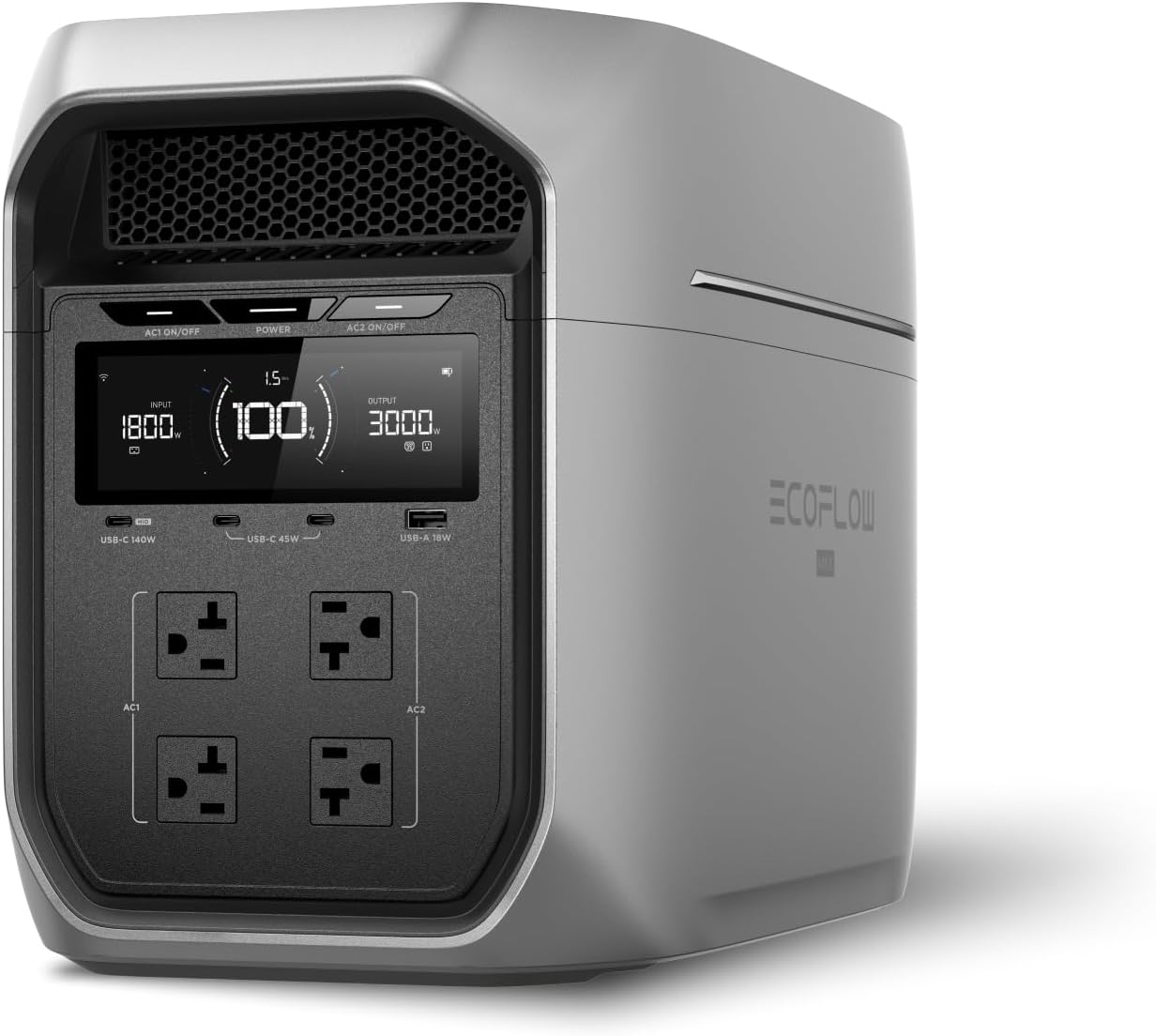
The EcoFlow DELTA 3 Plus is the ideal creator companion. At 1,024Wh, it powers a laptop, two LED lights, a camera charger, and a drone charger simultaneously for a full 8-10 hour shoot day. The 56-minute charge time means you can refill it during a lunch break if needed. And at 27.6 lbs, one person can carry it from a car to a location.
Why creators love it:
- Charges fully in 56 minutes — top up between shoots
- 1,800W output handles anything creators throw at it
- UPS mode keeps your editing workstation running during power flickers
- Expandable to 5kWh for multi-day location shoots
- The EcoFlow app monitors power usage in real-time so you can plan your day
Best for Run-and-Gun: EcoFlow RIVER 3 ($199)
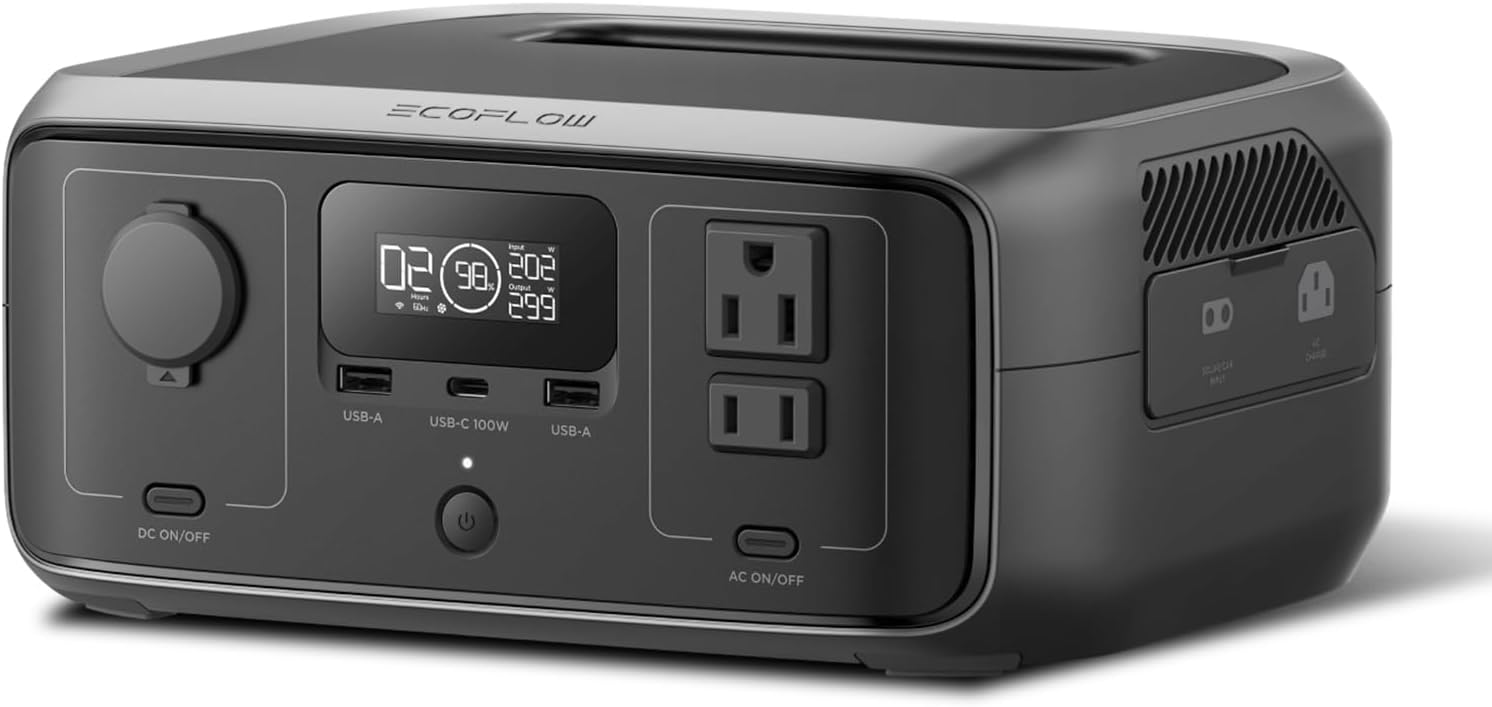
The EcoFlow RIVER 3 is for creators who prioritize mobility. At 245Wh and under 8 lbs, it fits in a pelican case alongside your camera gear. It won’t run studio lights all day, but it keeps laptops charged, camera batteries topped up, and phones alive through a day of shooting. The IP54 weather rating means you can use it outdoors without worry.
Best for: Solo photographers, run-and-gun videographers, event photographers who need to stay mobile.
Best for Multi-Day Shoots: Bluetti Elite 200 V2 ($1,099)
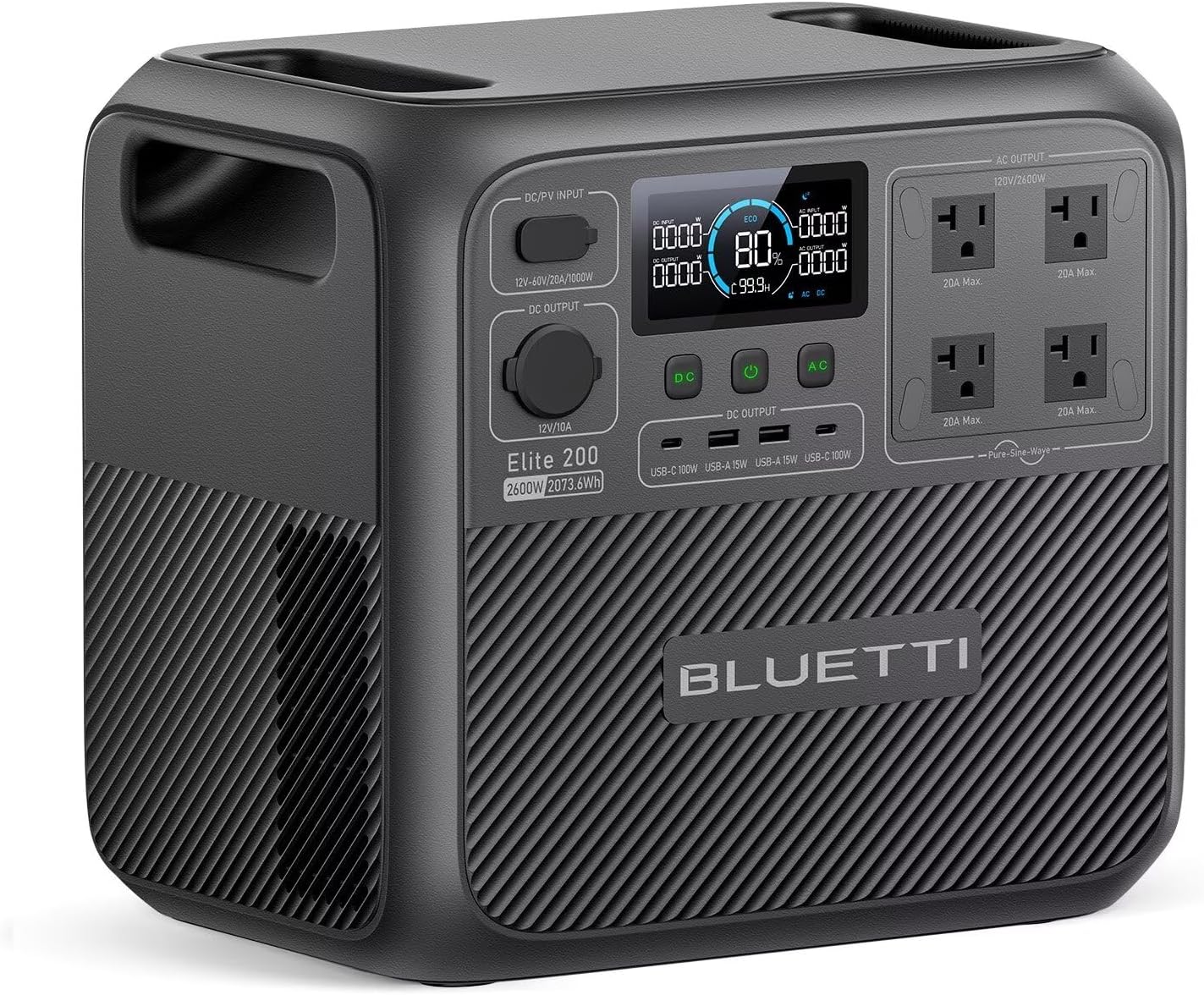
The Bluetti Elite 200 V2 makes sense when you’re shooting on location for days at a time — destination weddings, multi-day festivals, or remote documentary work. At 2,073Wh, it handles 2-3 full production days without recharging. Pair it with a 200W solar panel and you can stay powered indefinitely.
Best for: Wedding photographers, documentary filmmakers, multi-day event coverage.
Best for Studio-on-Location: EcoFlow DELTA Pro 3 ($1,999)
For creators who need to replicate a studio setup in the field — multiple high-power lights, monitors, a desktop workstation, and charging stations for an entire crew — the EcoFlow DELTA Pro 3 at 4,096Wh handles it all. The 4,000W output runs power-hungry studio strobes without breaking a sweat.
Best for: Commercial production crews, studio photography on location, film sets.
Best Power Banks for Creators on the Move
Not every situation calls for a power station. Sometimes you need something that fits in your camera bag.
Baseus Blade 2 — Best for Laptops and Cameras
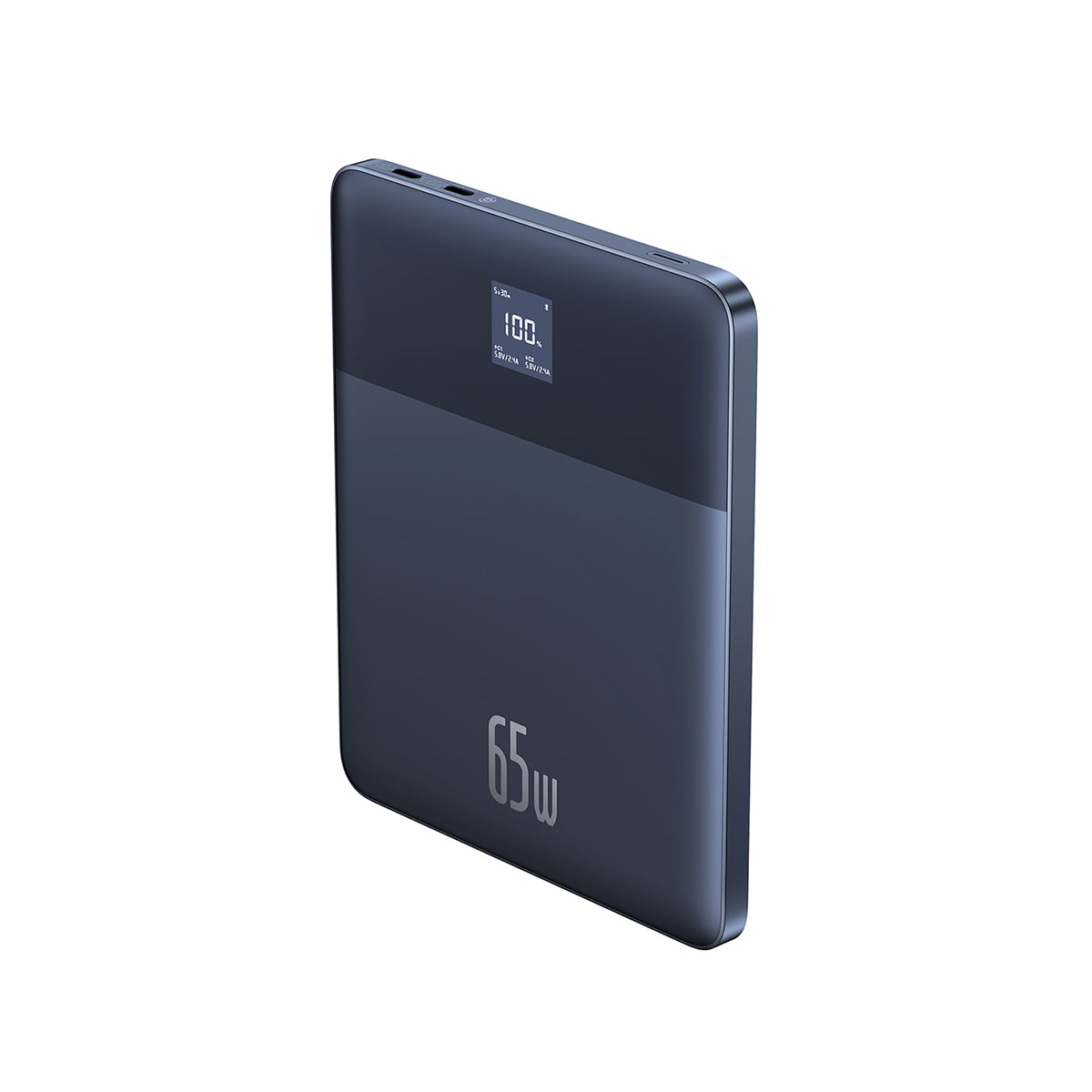
The Baseus Blade 2 packs 20,000mAh with 140W USB-C PD output — enough to fully charge a MacBook Air or give a MacBook Pro 80%+ charge. It also charges cameras directly via USB-C PD, eliminating the need for a separate battery charger. The flat, laptop-sized form factor slides into a bag without adding bulk.
Anker 737 PowerCore 24K — Best for Heavy Use
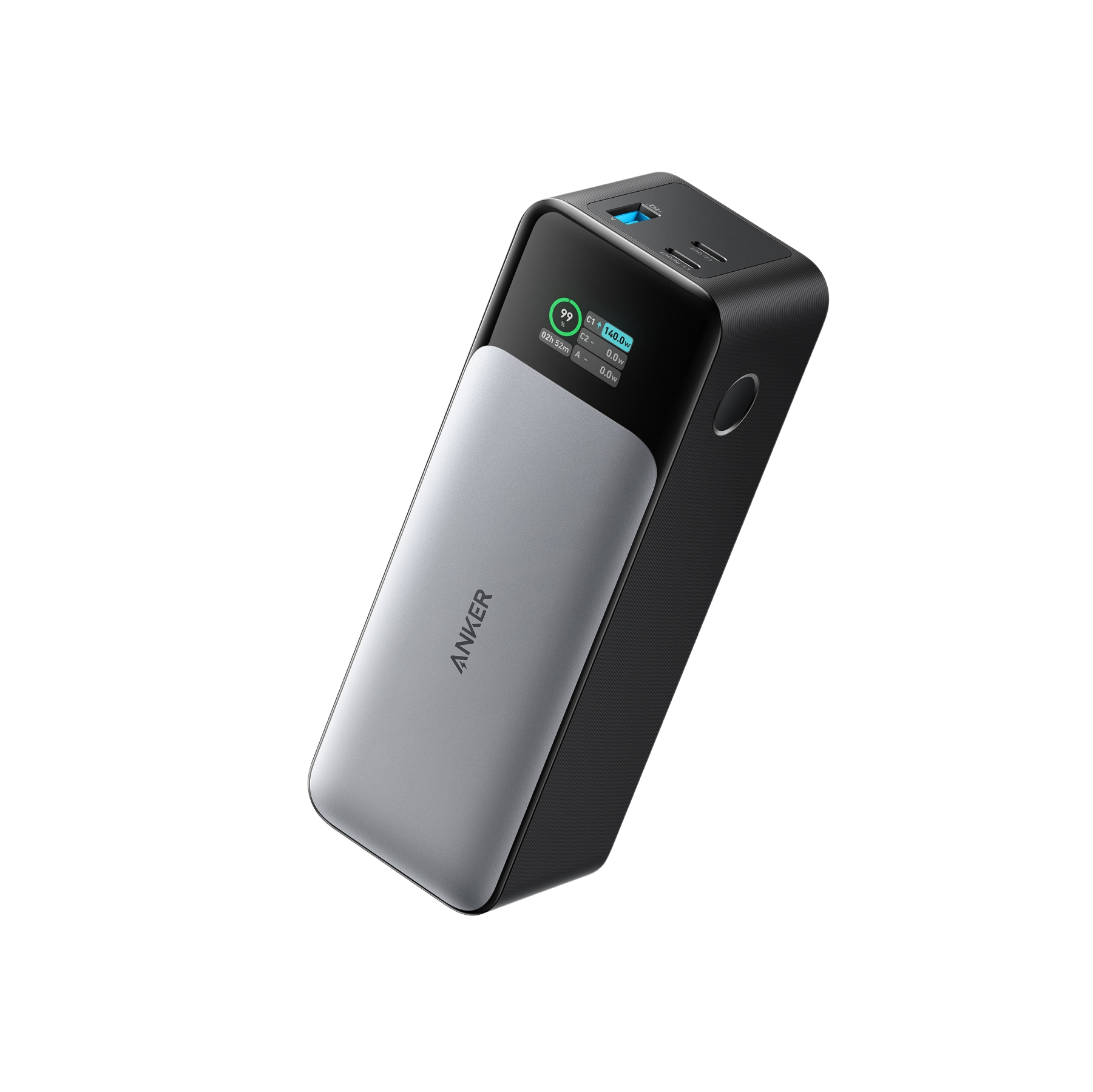
The Anker 737 PowerCore 24K delivers 24,000mAh with 140W output and a built-in display showing remaining capacity, input/output wattage, and estimated time to empty or full. It’s slightly larger than the Baseus but offers more capacity and Anker’s proven reliability.
Anker Nano 10,000mAh — Best Ultralight Option
The Anker Nano 10,000mAh is for creators who just need to keep their phone and small devices alive. It’s pocket-sized, charges quickly, and costs under $30. Throw one in every bag you own.
Power Setups by Creator Type
Solo Photographer / Portrait Shooter
- Power station: EcoFlow RIVER 3 ($199) or skip entirely
- Power bank: Baseus Blade 2 ($70)
- Extra: 2-3 spare camera batteries
- Total budget: $100-$270
You’re mostly charging camera batteries and your phone. A good power bank covers most situations. Add the RIVER 3 if you shoot with LED continuous lights on location.
Wedding / Event Photographer
- Power station: EcoFlow DELTA 3 Plus ($649)
- Power bank: Anker 737 PowerCore 24K ($120)
- Extra: 200W solar panel for outdoor receptions
- Total budget: $770-$1,100
You need all-day power for cameras, flashes, a laptop for quick edits and client previews, and backup charging for everything. The DELTA 3 Plus handles a 12-hour wedding day comfortably.
YouTube / Video Creator
- Power station: EcoFlow DELTA 3 Plus ($649) or Bluetti Elite 200 V2 ($1,099)
- Power bank: Baseus Blade 2 ($70)
- Extra: Spare USB-C cables, multi-port charger
- Total budget: $720-$1,170
Cameras, microphones, monitors, laptops for editing and uploading, lighting, and drone charging add up fast. The 1kWh class handles single-day shoots. Go 2kWh+ for multi-day projects.
Commercial Production Crew
- Power station: EcoFlow DELTA Pro 3 ($1,999) + expansion batteries
- Backup: Champion 3500W generator for redundancy
- Power banks: Multiple Anker 737 units for crew
- Total budget: $2,500-$5,000+
When client work and crew salaries are on the line, redundancy matters. A large power station handles primary needs, a generator provides backup, and individual power banks keep everyone’s personal devices charged.
Tips for Creators Using Portable Power
Calculate your day’s power budget. Add up the wattage of everything you’ll run, multiply by hours of use, and add 20% buffer. That’s your minimum capacity requirement. Our Power Station Calculator does this math for you.
Charge overnight, not on set. Plug your power station in the night before. Fast-charging on set is noisy (fans spin at full speed) and draws attention. Start the day at 100%.
Use USB-C PD whenever possible. Modern cameras and laptops charge faster and more efficiently via USB-C than through AC adapters. Fewer adapters also means less weight in your bag.
Bring more cables than you think you need. USB-C cables fail, get lost, and get borrowed. Pack extras.
Label everything. When running multiple devices off one station, label each cable so you know what’s charging without tracing wires.
Monitor your consumption. Use the power station’s app (EcoFlow, Bluetti, and Anker all have apps) to track real-time power draw. This tells you exactly how much runway you have left.
The Bottom Line
Content creators don’t need the biggest power station — they need the right one. For most solo creators and small teams, the EcoFlow DELTA 3 Plus at $649 delivers a full day of power for every device in your kit. Supplement with a Baseus Blade 2 power bank for run-and-gun mobility, and you’re covered for virtually any shooting scenario.
The days of hunting for outlets on location or watching your laptop die during an edit session are over. Budget $200-$700 for portable power and never worry about it again.
Recommended Power Stations
EcoFlow
EcoFlow DELTA 3 Plus
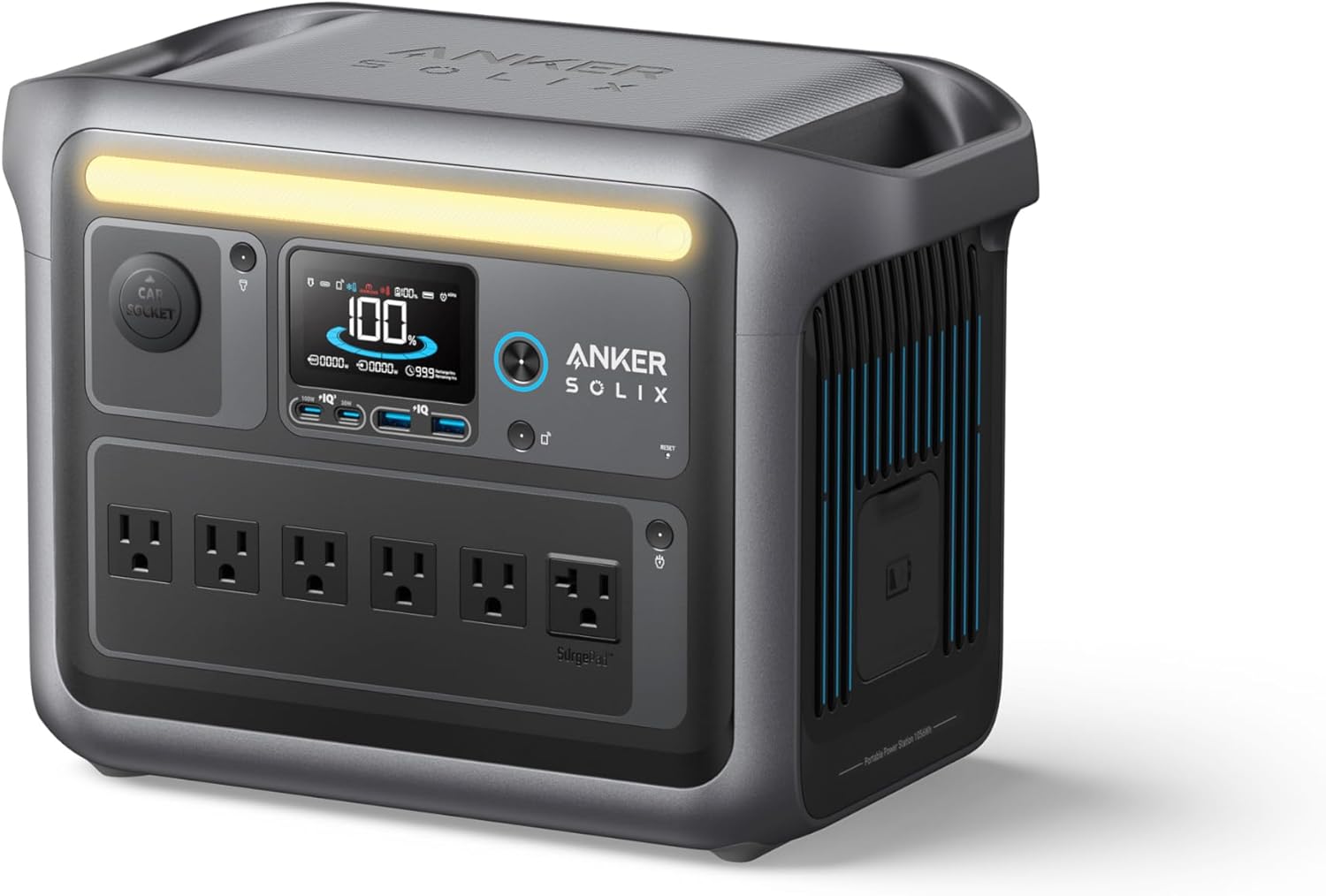
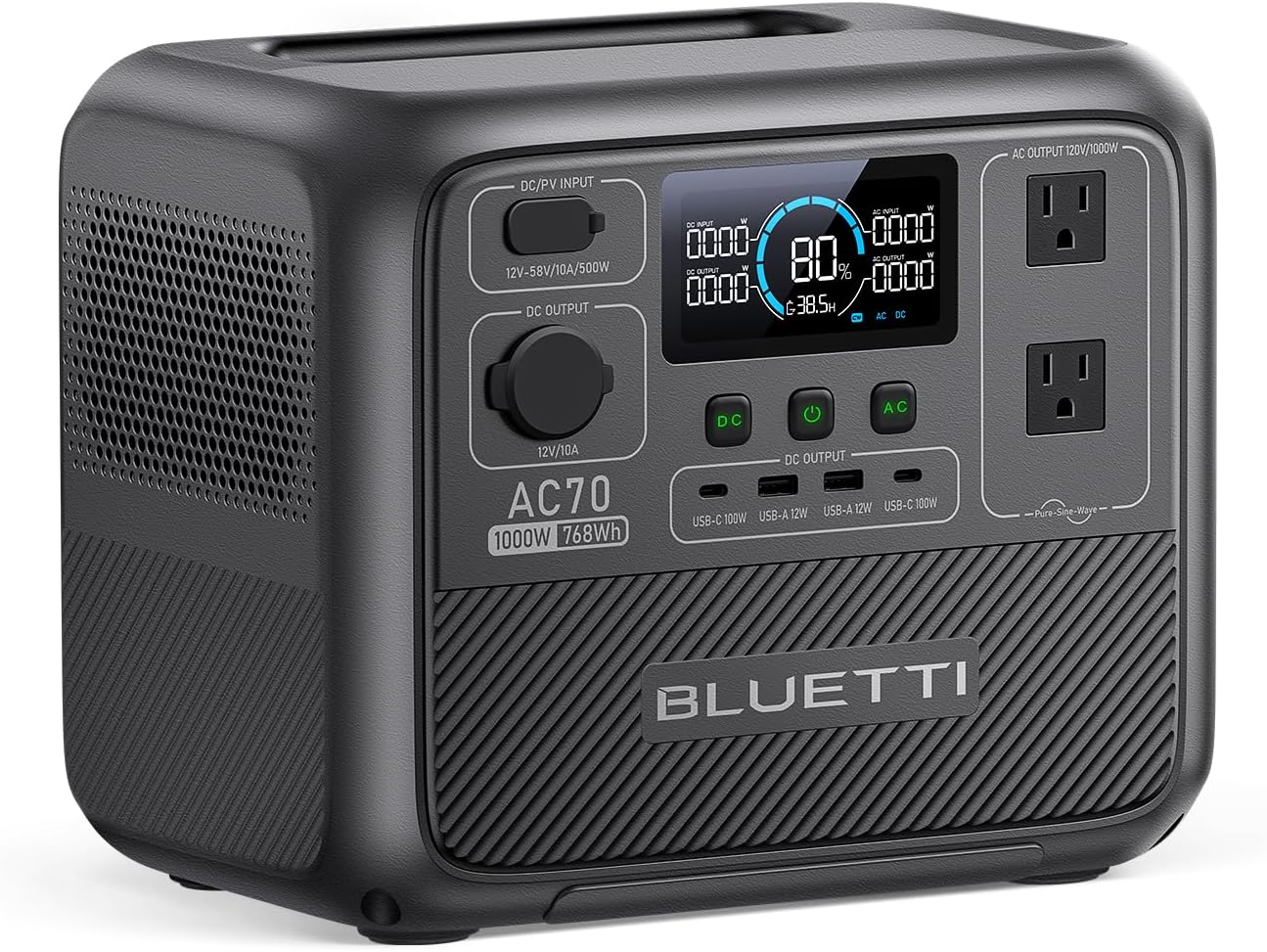
EcoFlow's newest mid-range flagship. The DELTA 3 Plus improves on the Delta 2 with faster charging, LiFePO4 chemistry, and UPS functionality — all at a lower price.
Frequently Asked Questions
What size power station do content creators need?
Most content creators need 500-1,000Wh for a full day of shooting. A mirrorless camera uses 10-15Wh per battery, a laptop draws 50-80W, LED panel lights draw 30-150W each, and drone batteries need 60-90Wh per charge. A 1,000Wh station like the EcoFlow DELTA 3 Plus ($649) handles all of these simultaneously and still has capacity left over. For lighter setups (just camera and laptop), a 245Wh station like the EcoFlow RIVER 3 is sufficient.
Can you charge camera batteries with a power station?
Yes. Most camera battery chargers draw 10-30W from a standard AC outlet. Any power station with AC output handles this easily. You can also charge cameras directly via USB-C if your camera supports USB Power Delivery (most modern Sony, Canon, and Nikon mirrorless cameras do). A 1,000Wh station can charge 30-50+ camera batteries on a single charge.
What is the best power bank for photographers?
The Baseus Blade 2 (20,000mAh, 140W) is the best power bank for photographers who need to charge cameras and laptops on the go. It supports USB-C PD for direct camera charging and laptop top-ups, fits in a camera bag, and costs around $70. For phone-only charging, the Anker Nano 10,000mAh is lighter and cheaper.
Can a portable power station run studio lights?
Yes. LED panel lights typically draw 30-150W each, which any power station with 300W+ output handles easily. A 1,000Wh station can run a two-light LED setup (200W total) for 4-5 hours continuously. For traditional hot lights or strobes, check the wattage — some studio strobes draw 500-1,000W per flash head, which requires a larger station like the Bluetti Elite 200 V2 or EcoFlow DELTA Pro 3.
Ready to Buy? Here's What We Recommend
Based on our testing and this guide, these are the best options for most people: