Guide
Beginner's Guide to Home EV Charging: Levels, Costs, and Installation

TL;DR
Everything you need to know about charging your EV at home. Level 1 vs Level 2, installation costs, electrical requirements, and our top charger picks.
You bought an electric vehicle. Now you need to charge it at home without spending a fortune or burning down your garage. This guide covers everything: charging levels, how much power you actually need, what installation costs, and which chargers are worth buying.
The Three Levels of EV Charging
EV charging comes in three levels, and only two matter for home use.
Level 1: Your Standard Wall Outlet (120V)
Every EV comes with a Level 1 charging cable that plugs into a regular 120V household outlet. It draws about 12A and adds 3-5 miles of range per hour.
The math: 120V x 12A = 1.44 kW. A 60 kWh battery takes roughly 42 hours to charge from empty. That’s nearly two full days.
The verdict: Level 1 is free (no equipment to buy) and works if you drive under 30 miles per day. For everyone else, it’s painfully slow. If you come home with a half-empty battery on a Friday night, you won’t have a full charge until Sunday morning.
Level 2: The 240V Home Charger (What You Actually Want)
Level 2 chargers use a 240V circuit — the same kind that powers your dryer or oven. At 48A, they deliver 30-40 miles of range per hour.
The math: 240V x 48A = 11.5 kW. That same 60 kWh battery charges from empty in about 5-6 hours. Plug in when you get home from work, wake up with a full battery. Every single morning.
The verdict: Level 2 is the gold standard for home EV charging. The upfront cost ($500-1,500 including installation) pays for itself quickly when you stop paying for public fast charging sessions.
Level 3: DC Fast Charging (Not for Home)
Level 3 (DC fast charging) uses 400-800V and can charge an EV to 80% in 20-45 minutes. These are the ChargePoint, Electrify America, and Tesla Supercharger stations you see in public. They require industrial-grade electrical infrastructure and cost $50,000+ to install. This isn’t a home option.
How Many Amps Do You Need?
Level 2 chargers come in different amperage ratings. Here’s what each delivers:
| Charger Amperage | Breaker Required | Charging Speed (kW) | Miles/Hour Added |
|---|---|---|---|
| 16A | 20A | 3.8 kW | ~12 mph |
| 32A | 40A | 7.7 kW | ~25 mph |
| 40A | 50A | 9.6 kW | ~30 mph |
| 48A | 60A | 11.5 kW | ~37 mph |
Our recommendation: Buy a 48A charger. Even if your current panel can only support 32A right now, a charger like the ChargePoint Home Flex lets you adjust the amperage from 16A to 50A. Install it at 32A now, upgrade your panel later, and bump it up to 48A without buying a new charger.
Electrical Panel Requirements
This is where most of the complexity lives. Your home’s electrical panel needs to support the additional load of an EV charger.
Panel capacity: Most homes have 100A or 200A service panels. A 48A charger on a 60A breaker uses a significant portion of a 100A panel. If you already have central AC, an electric dryer, and an electric water heater, a 100A panel may not have room. You’ll need either a panel upgrade to 200A ($1,500-3,000) or a charger with load-sharing capability.
Available breaker slots: Even if your panel has enough total amperage, you need two open breaker slots for a double-pole 240V breaker. Full panels may need a sub-panel ($500-1,000) or tandem breakers to free up space.
Distance from panel to garage: The farther your charger is from the electrical panel, the more copper wire you need, and the more installation costs. Runs over 50 feet may require thicker gauge wire to prevent voltage drop, adding $200-500 to installation costs.
Get a professional assessment. Before buying a charger, have a licensed electrician evaluate your panel. This typically costs $100-200 for a site visit and saves you from buying equipment you can’t actually install.
Installation Costs: What to Budget
Here’s a realistic breakdown of total costs:
The charger itself: $400-700
- Budget: Grizzl-E Classic at ~$400 (no smart features, but built like a tank)
- Mid-range: Tesla Wall Connector at $475 or Wallbox Pulsar Plus at $649
- Premium: ChargePoint Home Flex at ~$700
Basic installation (outlet already exists): $0-200 If you already have a NEMA 14-50 240V outlet in your garage on a properly rated circuit, a plug-in charger is literally plug-and-play. An electrician to verify the outlet and circuit costs $100-200.
Standard installation (new circuit needed): $300-800 Running a new 240V circuit from your panel to a nearby garage wall, including the breaker, wire, conduit, and labor.
Complex installation (panel upgrade or long run): $1,500-3,000+ If you need a 100A-to-200A panel upgrade, a long conduit run across the house, or trenching for a detached garage, costs add up quickly.
Total realistic budget for most homeowners: $700-1,500
NEMA 14-50 Plug-In vs. Hardwired
You’ll choose between two installation types:
NEMA 14-50 plug-in: The charger plugs into a 240V dryer-style outlet. You can unplug it, take it with you when you move, and swap chargers easily. Installation is simpler and cheaper. The ChargePoint Home Flex and Wallbox Pulsar Plus both offer NEMA 14-50 versions.
Hardwired: The charger connects directly to your electrical system with no plug. It looks cleaner, requires no outlet box, and some jurisdictions require it for permanently installed equipment. The Tesla Wall Connector is hardwired-only.
Our recommendation: Go with NEMA 14-50 plug-in unless you have a specific reason to hardwire. The portability and simplicity outweigh the marginal aesthetic benefit of hardwiring. If you move, you take the charger with you and just need a new outlet installed at your next home.
Smart Features Worth Paying For
Not all smart features are gimmicks. These actually matter:
Scheduling. Charge only during off-peak hours (usually 9pm-6am) when electricity rates are lowest. On time-of-use plans, this alone can save $20-50/month. Every smart charger offers this, including the ChargePoint Home Flex and Wallbox Pulsar Plus.
Energy monitoring. Track exactly how many kWh you’re using and what it costs. Essential for separating EV charging costs from your overall electric bill, especially if you expense charging for work.
Amperage adjustment. Set the charging speed to match your panel’s capacity or share power when running other appliances. The ChargePoint Home Flex adjusts from 16A to 50A via the app.
Power sharing. If you have two EVs, some chargers like the Tesla Wall Connector and Wallbox Pulsar Plus can share a single circuit between two units, charging both cars sequentially or splitting power simultaneously.
What you can skip: Voice assistant integration sounds cool but you’ll never use it. Alexa, start charging my car? You’ll just plug in and let the schedule handle it.
How Long to Charge Different EVs at Level 2 (48A)
| Vehicle | Battery Size | Empty to Full (48A) | Daily Top-Up (30 mi) |
|---|---|---|---|
| Nissan Leaf | 40-62 kWh | 4-6 hours | ~1 hour |
| Tesla Model 3 | 60-82 kWh | 5-7 hours | ~1.5 hours |
| Tesla Model Y | 60-82 kWh | 5-7 hours | ~1.5 hours |
| Hyundai Ioniq 5 | 58-77 kWh | 5-7 hours | ~1.5 hours |
| Ford F-150 Lightning | 98-131 kWh | 9-12 hours | ~2 hours |
| Rivian R1S | 105-135 kWh | 9-12 hours | ~2 hours |
The “daily top-up” column is what matters for most people. If you drive 30 miles per day (the US average), you’re only adding about 1-2 hours of charging each night. You’ll plug in, go to bed, and never think about it.
Our Top Charger Picks
Best overall: ChargePoint Home Flex — Adjustable 16-50A, excellent app, 23-foot cable, NEMA 14-50 or hardwired. It’s the most flexible charger you can buy.
Best for Tesla owners: Tesla Wall Connector — Seamless Tesla integration, sleek design, power sharing across up to 6 units. At $475, it’s competitively priced.
Best design: Wallbox Pulsar Plus 48A — The smallest Level 2 charger on the market with a great app, 25-foot cable, and power sharing. Worth the premium if aesthetics matter.
Best budget: Grizzl-E Classic — No smart features, but 40A charging, a 24-foot cable, and NEMA 4 weather rating for $400. If you just want reliable charging without an app, this is it.
Browse all our EV charger reviews and comparisons to find the right fit for your setup. And for our detailed ranking, see the best Level 2 EV chargers for 2026.
Related Reading
- Best Level 2 EV Chargers 2026 — our full ranked recommendations
- Browse All EV Chargers — compare specs, prices, and ratings
- Are Portable Power Stations Worth It? — for those considering battery backup alongside EV charging
- How to Charge a Power Station With Solar Panels — if you want to charge your EV with solar
Recommended Power Stations
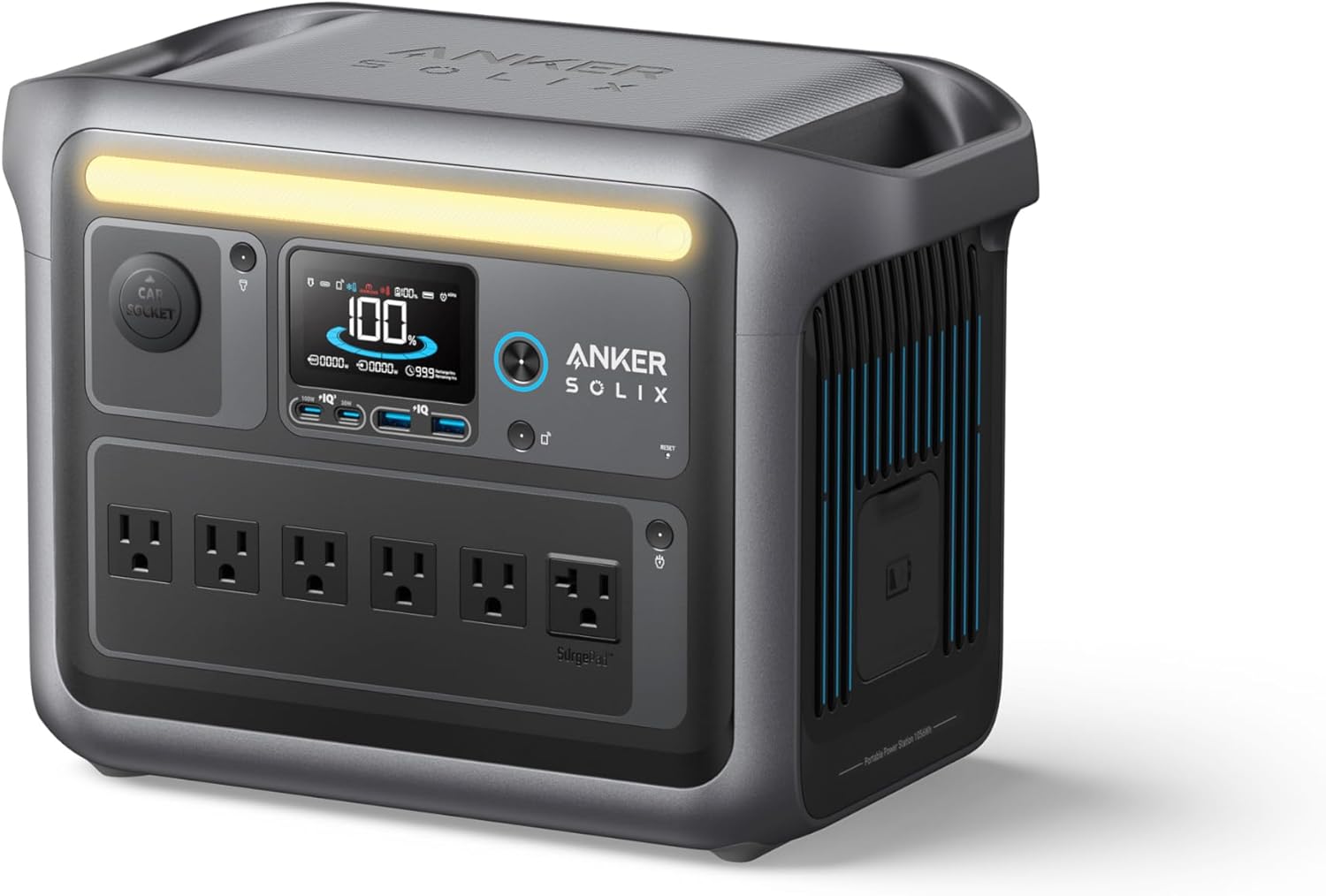
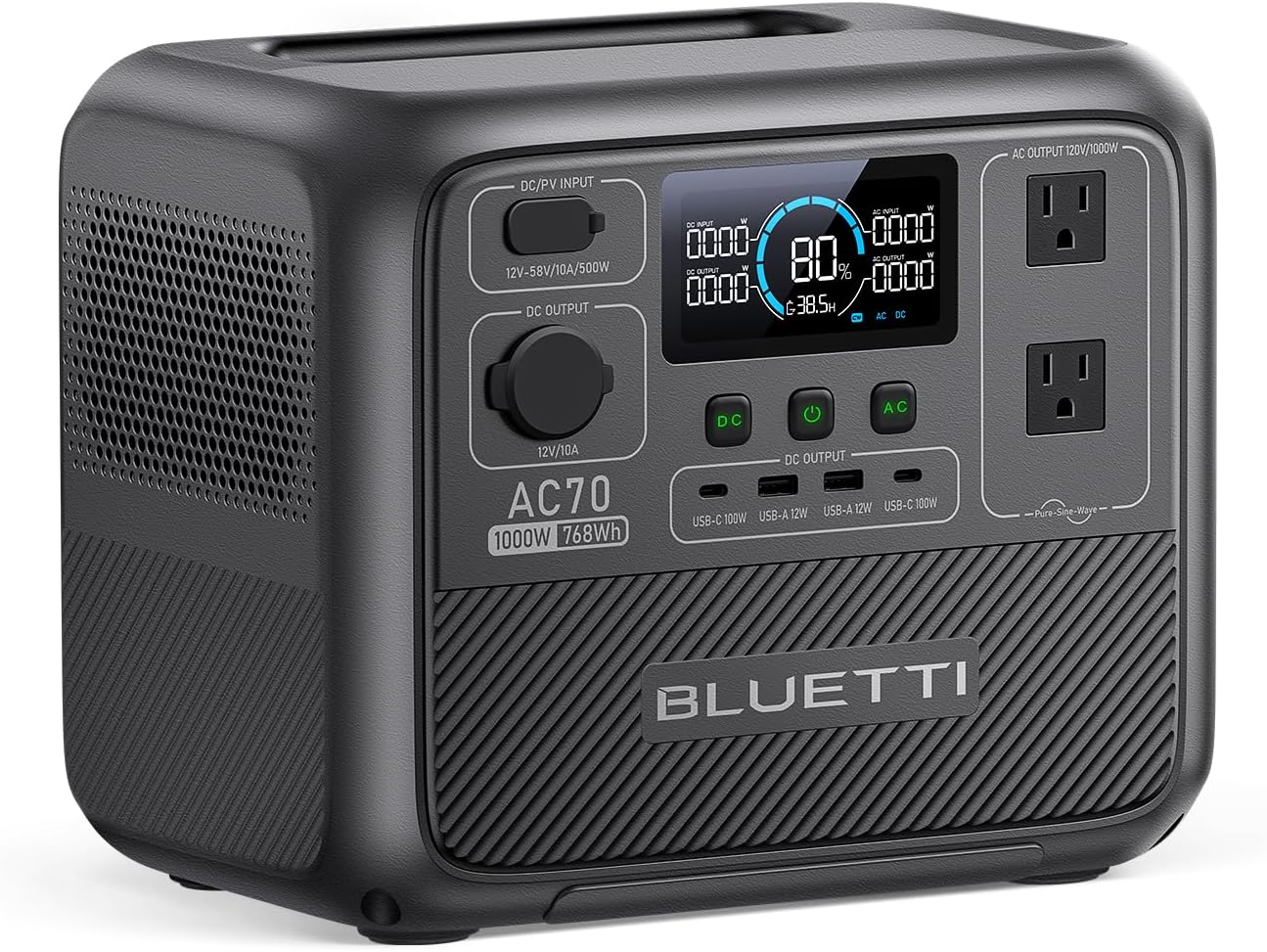
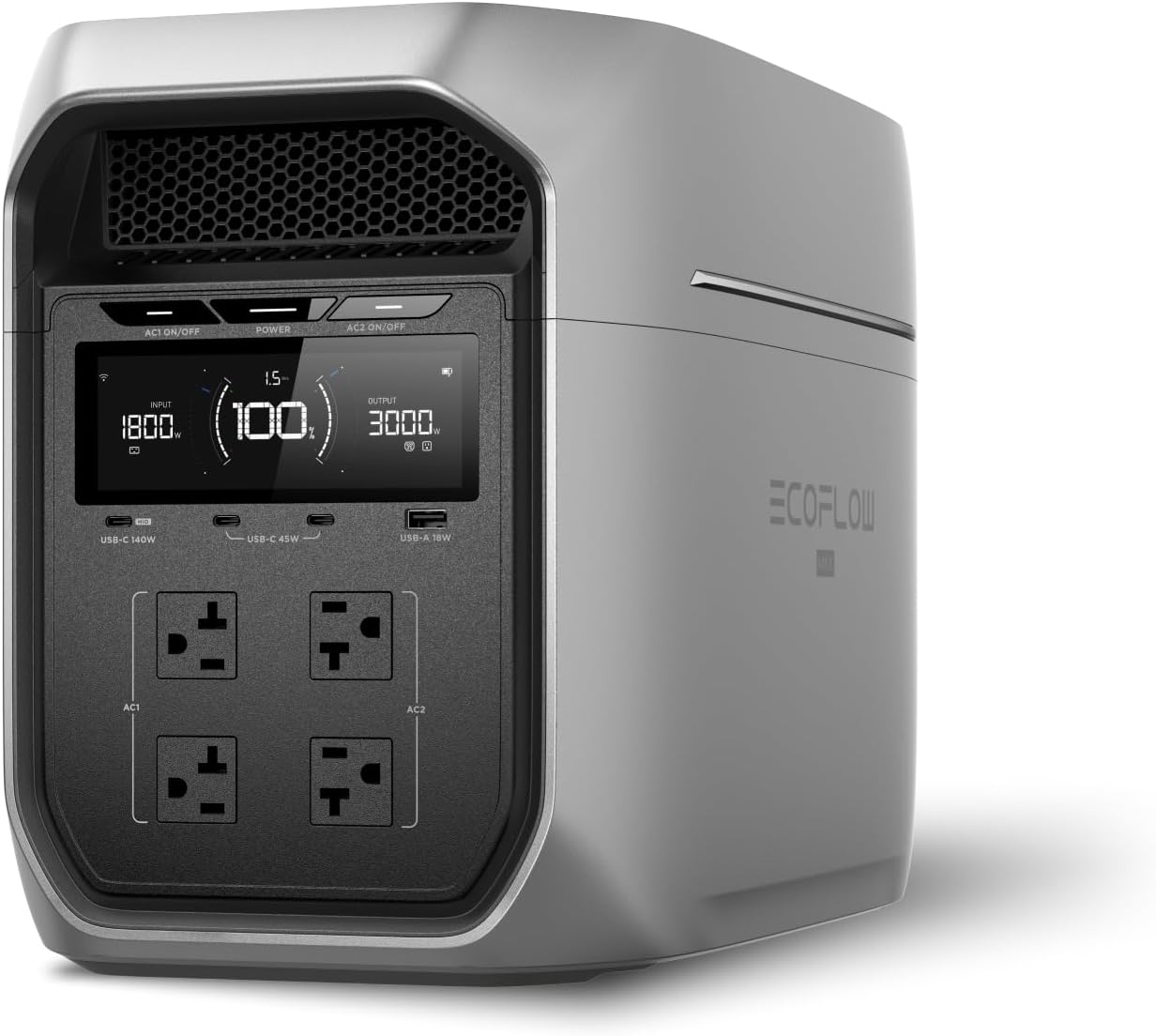
EcoFlow
EcoFlow DELTA 3 Plus
EcoFlow's newest mid-range flagship. The DELTA 3 Plus improves on the Delta 2 with faster charging, LiFePO4 chemistry, and UPS functionality — all at a lower price.
Frequently Asked Questions
How much does it cost to install a Level 2 EV charger at home?
A Level 2 EV charger costs $300-800 for the unit itself, plus $200-800 for installation depending on your electrical panel situation. If your panel already has room for a 40-60A breaker and you have a 240V outlet nearby, installation is on the lower end. If you need a panel upgrade or long conduit runs, total costs can reach $2,000+.
How long does it take to charge an EV at home with Level 2?
A 48A Level 2 charger adds about 30-40 miles of range per hour, fully charging most EVs in 6-10 hours overnight. A Tesla Model 3 (60 kWh battery) charges from empty in about 6 hours. A Ford F-150 Lightning (131 kWh) takes about 12 hours. Most people plug in at night and wake up to a full charge.
Can I install a Level 2 EV charger myself?
If you use a NEMA 14-50 plug-in charger and already have a 240V outlet on a properly rated circuit, yes — it's plug-and-play. Hardwired installations require a licensed electrician in most jurisdictions. Even for plug-in setups, have an electrician verify your panel capacity and outlet wiring if you're unsure.
What size breaker do I need for a Level 2 EV charger?
Most 48A Level 2 chargers require a 60A breaker (the NEC 80% rule means a 48A continuous load needs a 60A breaker). A 40A charger needs a 50A breaker. Check your electrical panel for available space and total capacity before installation. If your panel is maxed out, you may need a panel upgrade ($1,500-3,000).
Ready to Buy? Here's What We Recommend
Based on our testing and this guide, these are the best options for most people: