Buying Guide
Best Portable Power Stations for Home Backup (2026)

TL;DR
The best portable power stations for home emergency backup in 2026. Keep your fridge, medical devices, and internet running during outages with these tested picks.
When the power goes out, the clock starts ticking. Your refrigerator has about 4 hours before food starts spoiling. Medical devices like CPAP machines stop working immediately. And without internet, you lose access to weather alerts and communication right when you need them most.
A portable power station solves all of these problems — silently, safely, and without a drop of gasoline. Unlike gas generators, you can run a power station inside your home with zero emissions, and many offer UPS (uninterruptible power supply) functionality that kicks in the instant the grid fails.
We evaluated the best portable power stations specifically for home emergency backup, focusing on capacity, output wattage, UPS capability, and expandability. Use our power calculator to figure out exactly how much capacity your household needs, and check our emergency checklist to make sure you’re fully prepared.
Our Top Home Backup Picks at a Glance
| Rank | Product | Capacity | Output | Price | Best For |
|---|---|---|---|---|---|
| 1 | EcoFlow DELTA Pro 3 | 4,096Wh | 4,000W | $1,999 | Best Overall |
| 2 | Bluetti Elite 200 V2 | 2,073Wh | 2,700W | $1,099 | Best Mid-Range |
| 3 | Jackery Explorer 2000 Plus | 2,042Wh | 3,000W | $1,999 | Most Expandable |
| 3b | Jackery Explorer 2000 v2 | 2,042Wh | 2,200W | $799 | Quietest 2kWh |
| 4 | EcoFlow DELTA 3 Plus | 1,024Wh | 1,800W | $649 | Best Budget Pick |
1. EcoFlow DELTA Pro 3 — Best Overall for Home Backup ($1,999)
The EcoFlow DELTA Pro 3 is the gold standard for portable home backup in 2026. With 4,096Wh of LiFePO4 capacity and 4,000W of continuous output, it can run a refrigerator, lights, internet equipment, and medical devices simultaneously for well over 24 hours.
Why it’s our top pick:
- 4,096Wh capacity runs a fridge for 2-3 days on a single charge
- 4,000W output handles heavy loads including space heaters and well pumps
- UPS mode with <10ms automatic switchover — your devices never lose power
- Expandable to 12,288Wh with additional batteries for multi-day outages
- Dual charging at 2,600W means a full recharge in under 2 hours
- LiFePO4 battery rated for 4,000+ cycles (10+ years of daily use)
At 52 lbs, the DELTA Pro 3 is heavy but still portable enough to move between rooms. Its 240V output capability is a standout — you can power hardwired appliances through your home’s electrical panel with the optional transfer switch. For anyone serious about home backup, this is the unit to beat.
Read our full EcoFlow DELTA Pro 3 review →
2. Bluetti Elite 200 V2 — Best Mid-Range ($1,099)
The Bluetti Elite 200 V2 hits a compelling sweet spot: 2,073Wh of capacity at roughly half the price of the DELTA Pro 3. For homeowners who need to keep essential circuits running for 12-24 hours rather than multiple days, this is the smarter buy.
What stands out:
- 2,073Wh capacity — enough to run a fridge for 24+ hours plus charge devices
- 2,700W continuous output with 3,500W surge handles most household appliances
- LiFePO4 battery with 3,500+ cycle lifespan
- Built-in UPS functionality for seamless failover
- 1,200W solar charging input for pairing with panels
- Weighs 55 lbs with integrated handle design
The Elite 200 V2 is a strong pick for anyone who wants meaningful home backup without the $2,000 price tag. It won’t run your entire house, but it will comfortably keep the essentials — fridge, internet, lights, phones, and a CPAP machine — going through a typical 12-24 hour outage.
3. Jackery Explorer 2000 Plus — Most Expandable ($1,999)
The Jackery Explorer 2000 Plus starts at 2,042Wh but can expand to a massive 12,000Wh with add-on battery packs. If you want to start with a solid foundation and scale up your backup capacity over time, this modular approach is hard to beat.
Key strengths:
- 2,042Wh base capacity, expandable to 12,000Wh (up to 5 add-on batteries)
- 3,000W continuous output handles high-draw appliances
- LiFePO4 battery with 4,000+ cycle rating
- ChargeShield technology protects battery health during fast charging
- Compatible with Jackery SolarSaga panels for off-grid recharging
- Quiet operation — no fan noise to disturb sleep during nighttime outages
The modular design is the real story here. You can buy the base unit now and add battery packs as your budget allows, building up to a system that rivals whole-home battery installations at a fraction of the cost. The 3,000W output means you won’t need to worry about overloading it with typical household essentials.
Read our full Jackery Explorer 2000 Plus review →
4. EcoFlow DELTA 3 Plus — Best Budget Home Backup ($649)
Not everyone needs 4,000Wh of backup capacity. The EcoFlow DELTA 3 Plus delivers 1,024Wh — enough to run a fridge for 8-10 hours, keep your internet on for over a day, or power a CPAP machine for 3-4 nights — all for $649.
Why it’s our budget pick:
- 1,024Wh LiFePO4 capacity at the most competitive price in its class
- 1,800W continuous output is plenty for fridges, medical devices, and electronics
- Full charge in just 56 minutes — the fastest in its category
- Expandable to 5,120Wh with add-on batteries if you need more capacity later
- UPS mode with <10ms switchover for uninterrupted operation
- Weighs just 23 lbs — easy to carry and reposition
The DELTA 3 Plus is ideal for apartment dwellers, renters, or anyone whose primary concern is keeping a few critical devices running during a short outage. Its ultra-fast charging is a major advantage — if you get a brief warning before a storm hits, you can go from empty to full in under an hour.
Read our full EcoFlow DELTA 3 Plus review →
What to Look For in a Home Backup Power Station
Choosing the right portable power station for home backup comes down to five key factors:
Capacity (Wh)
Capacity determines how long your devices run. A fridge draws about 150W average, so a 1,000Wh station gives you roughly 6-7 hours of fridge time (accounting for inverter efficiency). For full-day backup, aim for 2,000Wh or more. Use our power calculator to add up your specific needs.
Output Power (W)
This determines what you can run simultaneously. A fridge, router, lamp, and phone charger together might draw 300-500W — well within any station on this list. But if you need a space heater (1,500W) or a well pump (1,000W+), you’ll need 2,000W+ output.
UPS Functionality
For medical devices and always-on equipment, UPS mode is critical. Stations with UPS capability detect a grid outage and switch to battery power in under 10-20ms — fast enough that your devices never notice the interruption. All four of our picks include this feature.
Battery Chemistry
Every station on this list uses LiFePO4 (lithium iron phosphate) batteries, which offer 3,000-4,000+ charge cycles compared to 500-1,000 for older Li-NMC chemistry. For a home backup station that may sit idle for weeks between uses, LiFePO4’s superior longevity and thermal stability are non-negotiable.
Expandability
Your power needs may grow over time. Stations with add-on battery support let you start with a base unit and scale up later. The DELTA Pro 3 expands to 12,288Wh, the Explorer 2000 Plus to 12,000Wh, and the DELTA 3 Plus to 5,120Wh — all without buying a new station.
The Bottom Line
For comprehensive home backup, the EcoFlow DELTA Pro 3 is the clear winner — its 4,096Wh capacity and 4,000W output can handle virtually any household essential for days, not hours. If your budget is tighter, the Bluetti Elite 200 V2 delivers excellent mid-range performance at $1,099, while the EcoFlow DELTA 3 Plus proves that meaningful home backup is possible for under $700.
Whatever you choose, pair your station with a plan. Check our emergency checklist to make sure you know exactly which devices to prioritize when the lights go out.
Budget pick: The Segway Cube 2000 delivers 2,048Wh with IP56 weatherproofing for just $539 — ideal for garage or outdoor placement during outages. See our Segway vs Jackery 2000 v2 comparison.
Recommended Power Stations
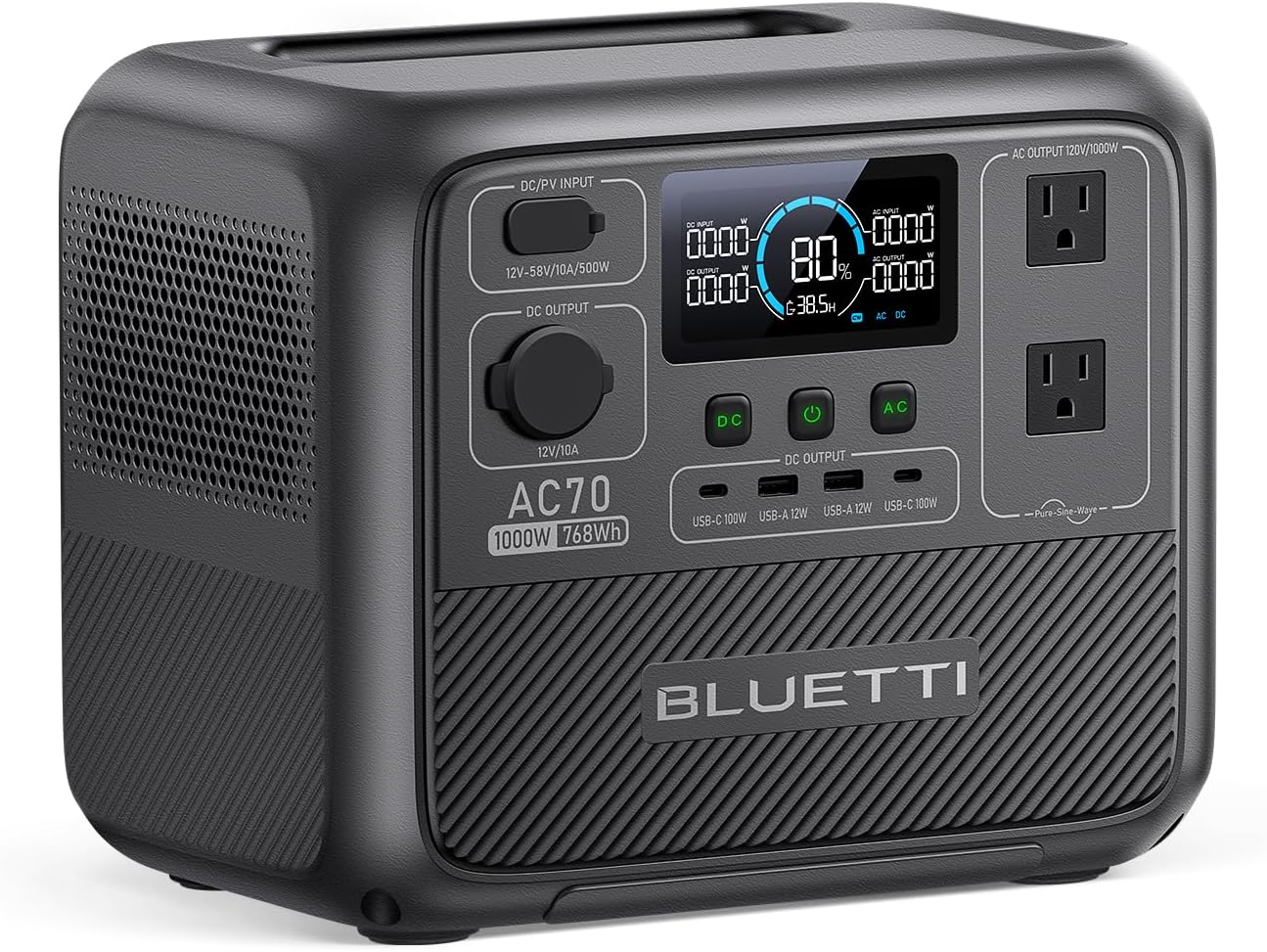
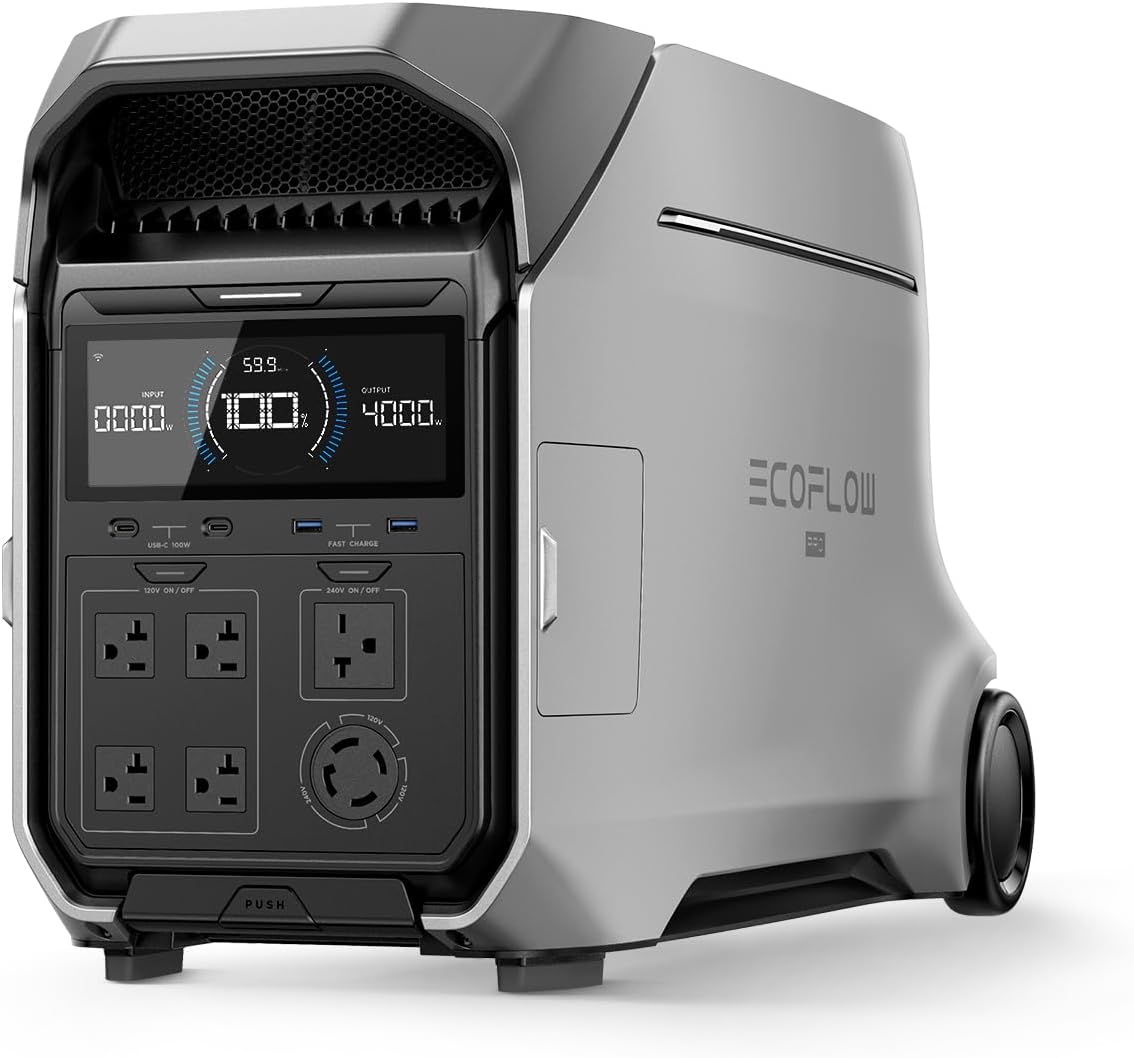
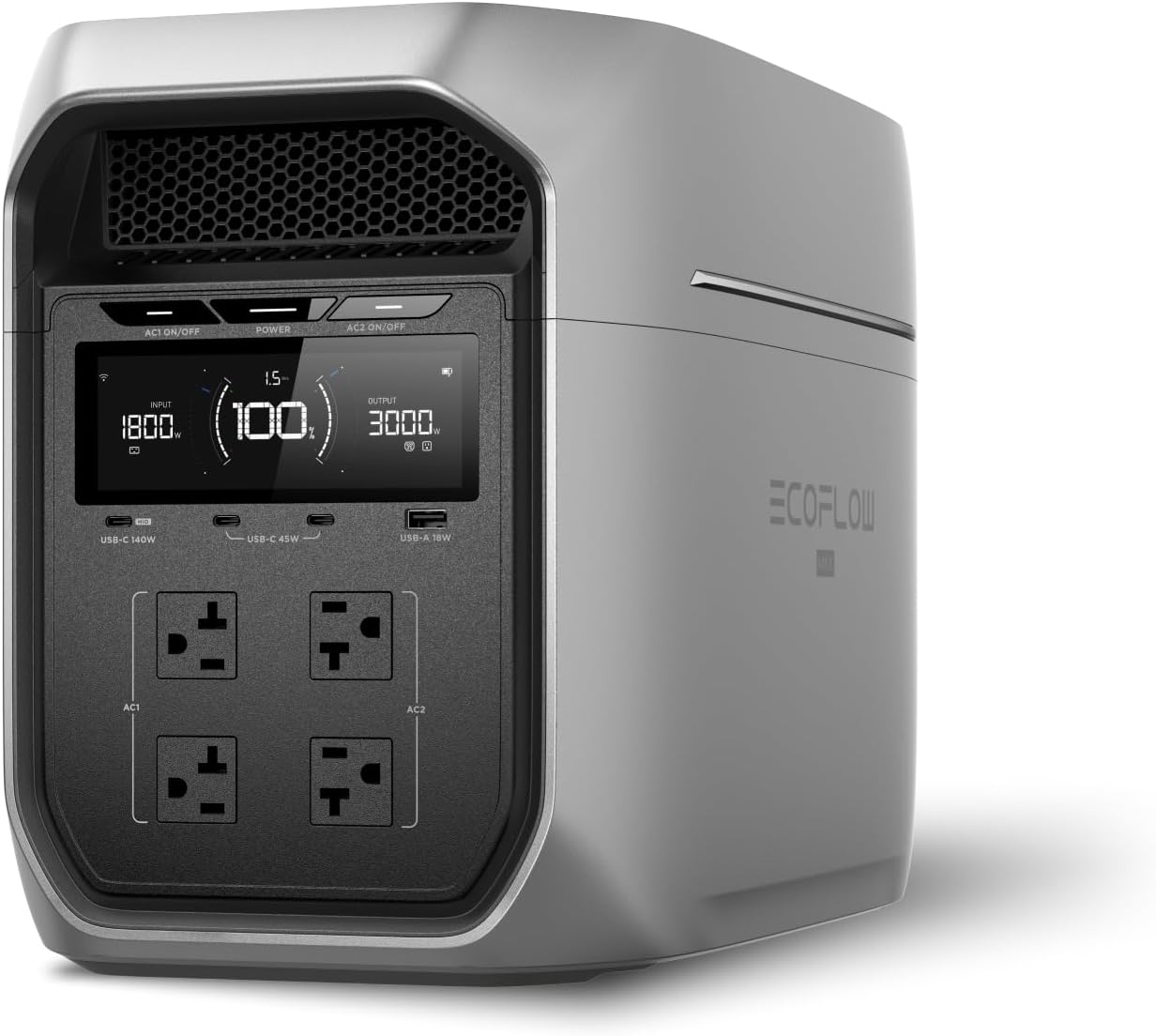
EcoFlow
EcoFlow DELTA 3 Plus
EcoFlow's newest mid-range flagship. The DELTA 3 Plus improves on the Delta 2 with faster charging, LiFePO4 chemistry, and UPS functionality — all at a lower price.
Frequently Asked Questions
Can a portable power station run a full-size refrigerator?
Yes. A full-size fridge draws 100-400W running (1,200W surge). Power stations with 1,500W+ output and at least 1,000Wh capacity can run a fridge for 8-24 hours. The EcoFlow DELTA Pro 3 (4,096Wh) can keep a fridge running for 2-3 days.
How long will a portable power station keep my internet running during an outage?
A typical modem and router draw 20-40W combined. A 1,024Wh power station can keep your internet running for 25-50 hours. Larger units like the DELTA Pro 3 (4,096Wh) can sustain internet for 4+ days on a single charge.
Can I use a portable power station for medical devices like a CPAP?
Yes. Most CPAP machines draw 30-60W. A 1,000Wh power station provides 3-5 nights of CPAP use. For critical medical devices, choose a station with UPS functionality (under 10ms switchover) so there's no interruption when the grid goes down.
Is a portable power station better than a gas generator for home backup?
For most homeowners, yes. Portable power stations are silent, produce zero emissions (safe indoors), require no fuel storage, and need virtually no maintenance. Gas generators provide more sustained power but can't be used inside and require regular upkeep.
Ready to Buy? Here's What We Recommend
Based on our testing and this guide, these are the best options for most people: