Segway Cube 2000 vs Jackery Explorer 2000 v2: Value vs Refinement

TL;DR
Segway Cube 2000 vs Jackery Explorer 2000 v2 — two 2kWh LiFePO4 power stations at wildly different price points. We compare specs, build quality, and real-world value to help you decide.
Specs Comparison
| Spec | Segway Portable Power Station Cube 2000 | Jackery Explorer 2000 v2 |
|---|---|---|
| Rating | 4.1 | 4.5 |
| Capacity | 2048Wh ✓ | 2042Wh |
| Output | 2200W ⬤ | 2200W ⬤ |
| Weight | 57.5 lbs | 39.5 lbs ✓ |
| Surge | 4400W ✓ | 4000W |
| Price | $539 ✓ | $799 |
| Charge Time | 1.8 hrs | 1.7 hrs ✓ |
| AC Outlets | 3 | 3 |
| USB-C | 2 | 2 |
| USB-A | 4 | 2 |
| Check Price on Amazon | Check Price on Amazon |
Two power stations, nearly identical capacity, and a $260 price gap. The Segway Cube 2000 and Jackery Explorer 2000 v2 both deliver roughly 2,048Wh of LiFePO4 power with 2,200W output — but they take very different paths to get there. Segway wins on price and weather resistance. Jackery wins on weight, noise, and brand reputation. Here is how they compare across every metric that matters.
Specs at a Glance
| Feature | Segway Cube 2000 | Jackery Explorer 2000 v2 |
|---|---|---|
| Capacity | 2,048Wh | 2,042Wh |
| Output | 2,200W / 4,400W surge | 2,200W / 4,000W surge |
| Weight | 57.5 lbs | 39.5 lbs |
| Battery | LiFePO4 (4,000+ cycles) | LiFePO4 (10-year lifespan) |
| Charge Time | ~1.8 hours | ~1.7 hours |
| AC Outlets | 3 | 3 |
| USB-C | 2x 100W PD | 2x (110W + 30W) |
| USB-A | 4 | 2 |
| Weather Rating | IP56 | None |
| Expandable | Yes (to 5kWh) | No |
| Noise | Standard (~45dB) | Under 30dB |
| UPS | Not specified | 20ms switchover |
| Price | $539 | $799 |
| Cost per Wh | $0.26 | $0.39 |
Price: Segway Wins by a Landslide
The Cube 2000’s current Amazon price of $539 — down from an original MSRP of $1,700 — makes it the best value in the 2kWh class by a wide margin. The Jackery 2000 v2 at $799 is a fair price for what you get, but $260 more buys you refinement rather than raw specs. Both use LiFePO4 chemistry rated for 4,000+ cycles, so longevity is a wash. If budget is your primary concern, the Segway is a no-brainer.
Weight: Jackery Wins Decisively
This is the Cube 2000’s biggest weakness. At 57.5 lbs, the Segway requires two hands and real effort to move. The Jackery 2000 v2 at 39.5 lbs — 18 lbs lighter — is genuinely portable for one person. If you need to move your power station between rooms, load it into a car for camping, or carry it any meaningful distance, the weight difference is not trivial. For a stationary home backup role, the weight matters less.
Noise: Jackery Wins Dramatically
The Jackery Explorer 2000 v2 operates at under 30dB — quieter than a whisper. The Segway Cube 2000 runs at typical power station noise levels around 45dB. If you plan to use your power station overnight in a bedroom (for a CPAP machine, for example), or in a quiet home office, the Jackery is the clear choice. The 15dB difference is significant — it is the difference between inaudible and noticeably present.
Weather Protection: Segway Wins
The Cube 2000’s IP56 rating means full protection against dust and sustained water jets. The Jackery 2000 v2 has no weather rating. If your power station lives in a garage, sits on a patio, or goes to rainy campsites, the Segway’s weather protection is a genuine safety advantage. For purely indoor use, this does not matter.
Expandability: Segway Wins
The Cube 2000 supports BTX-1000 expansion batteries up to 5kWh total. The Jackery 2000 v2 is locked at 2,042Wh with no expansion option. If you anticipate needing more capacity in the future, the Segway gives you a growth path. For comparison, the Jackery Explorer 2000 Plus offers expandability up to 24kWh — but costs $1,999 for the base unit.
Ports: Tie With Different Strengths
Both units have 3 AC outlets. The Segway offers 4 USB-A ports to Jackery’s 2, giving it an edge for charging multiple small devices. Jackery’s 110W USB-C port is stronger than either of Segway’s 100W ports for laptop charging, but the difference is marginal. The Segway includes a car outlet, as does the Jackery. Overall, the port selection is comparable.
Brand and Support
Jackery has been making power stations since 2012 — 14 years of track record, extensive warranty support, and a massive user community. Segway entered the power station market in 2024. Jackery offers a 5-year warranty; Segway’s warranty terms vary by retailer. If brand reputation and long-term support confidence matter to you, Jackery has the clear advantage.
The Verdict
Buy the Segway Cube 2000 if: Budget is your top priority, you need weather protection, or you want expandability. At $539 for 2,048Wh, the raw value is extraordinary. It is the right choice for home backup scenarios where the unit stays in one place and weight is irrelevant.
Buy the Jackery Explorer 2000 v2 if: You need portability (18 lbs lighter), whisper-quiet operation (under 30dB), or the confidence of a proven brand with a 14-year track record. The $260 premium buys genuine refinement and peace of mind.
Still undecided? If you can afford $799, the Jackery is the better all-around product. If $539 is your ceiling, the Segway delivers nearly identical specs for $260 less. Both are excellent 2kWh LiFePO4 power stations — you cannot go wrong with either.
Frequently Asked Questions
Can the Segway Cube 2000 really be used in the rain?
The IP56 rating protects against sustained water jets from any direction — you can use it in rain without issue. However, we recommend keeping the ports covered when not in use and never submerging the unit.
Is the Jackery 2000 v2 quiet enough for a bedroom?
Yes. At under 30dB, the Jackery 2000 v2 is quieter than a whisper and will not disturb sleep. It is the quietest 2kWh power station available.
Which charges faster?
They are nearly identical — the Jackery at ~1.7 hours and the Segway at ~1.8 hours from wall outlet. The difference is negligible in practice.
Can either replace a whole-home generator?
At 2kWh, both can power essential circuits (refrigerator, lights, phones, router) for 8-12 hours. For whole-home power through extended outages, you would need multiple units or a traditional generator.
Read the Full Reviews
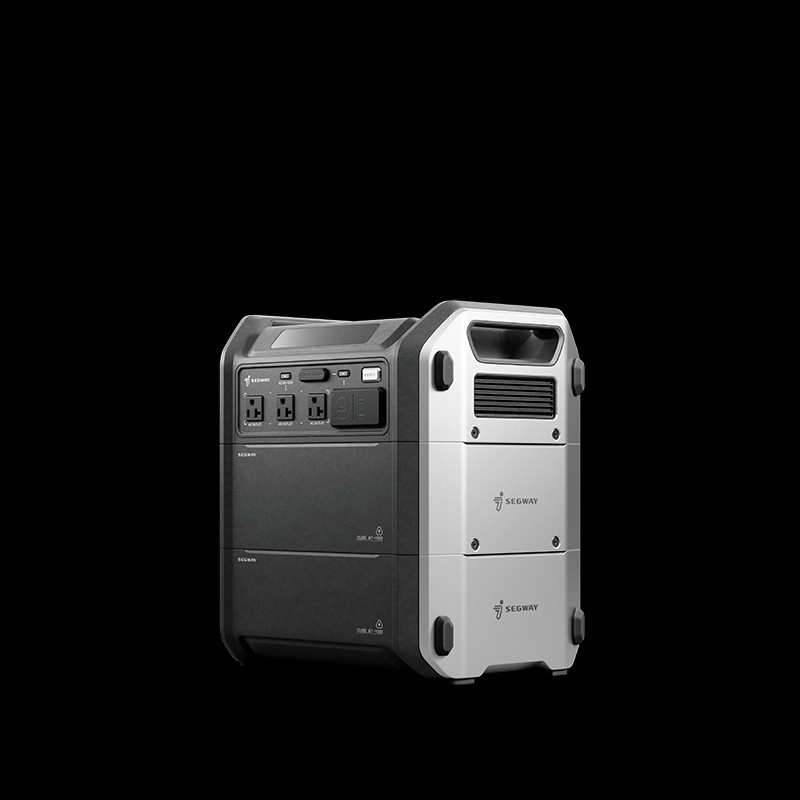
The Segway Cube 2000 delivers 2048Wh of LiFePO4 capacity with IP56 weather protection and expandability to 5kWh — all for an astonishing $539 that makes every competitor look overpriced.
Capacity
2048Wh
Output
2200W
Weight
57.5 lbs

Jackery
Jackery Explorer 2000 v2
Jackery's quietest and most efficient 2kWh power station. The v2 rebuild swaps to LiFePO4, cuts weight significantly, and adds UPS functionality — all at a lower price than the 2000 Plus.
Capacity
2042Wh
Output
2200W
Weight
39.5 lbs
More Comparisons
Anker SOLIX C1000 Gen 2 vs EcoFlow DELTA 3 Plus: The Ultimate 1kWh Showdown (2026)
Read comparison →
Anker SOLIX C800 Plus vs Bluetti AC70: Best Mid-Range Power Station Under $650?
Read comparison →
Battle Born 100Ah vs LiTime 100Ah: Which RV Battery Is Better?
Read comparison →
Best 1000Wh Power Station 2026: 4-Way Comparison
Read comparison →
Best 2,000Wh Power Station for Home Backup: Jackery vs EcoFlow vs Bluetti
Read comparison →
Best Portable Power Stations for Camping in 2026
Read comparison →
Best Power Station for RV and Van Life: EcoFlow vs Jackery vs Bluetti
Read comparison →
Bluetti AC180 vs EcoFlow Delta 2: Best Mid-Range Power Station?
Read comparison →
Bluetti AC200P vs Elite 200 V2: Is the Upgrade Worth It?
Read comparison →
Bluetti AC70 vs Anker SOLIX C1000: Best Budget Power Station for Camping
Read comparison →
ChargePoint Home Flex vs Wallbox Pulsar Plus: Which EV Charger Is Better?
Read comparison →
EcoFlow 220W Bifacial vs Jackery SolarSaga 200W: Which Solar Panel Is Better?
Read comparison →
EcoFlow Delta 2 vs Delta 2 Max: Which EcoFlow Should You Buy?
Read comparison →
EcoFlow DELTA 3 Plus vs Anker SOLIX C1000: Which 1kWh Station Wins?
Read comparison →
EcoFlow DELTA 3 Plus vs Anker SOLIX C1000: Which 1,000Wh Power Station Is Better?
Read comparison →
EcoFlow DELTA 3 vs DELTA 3 Plus: Is the Plus Worth $130 More?
Read comparison →
EcoFlow DELTA Pro 3 vs Jackery Explorer 2000 Plus: Best Large Power Station?
Read comparison →
EcoFlow RIVER 3 Plus vs Jackery Explorer 600 Plus: Compact Power Compared
Read comparison →
EcoFlow RIVER 3 vs Jackery Explorer 100 Plus: Best Compact Power Station?
Read comparison →
EcoFlow vs Jackery 2026: Which Brand Is Better?
Read comparison →
EcoFlow Wave 2 vs Zero Breeze Mark 2: Best Portable AC for Camping in 2026
Read comparison →
Emporia Energy Level 2 vs Lectron V-BOX 48A: Best Budget EV Charger 2026
Read comparison →
Goal Zero Yeti 1000X vs Jackery Explorer 1000 v2: Premium vs Value
Read comparison →
Honda EU2200i vs EcoFlow DELTA Pro 3: Generator vs Power Station
Read comparison →
Jackery Explorer 1000 v2 vs Anker SOLIX C1000: Best Mid-Range Power Station
Read comparison →
Jackery Explorer 2000 v2 vs 2000 Plus: Which Jackery 2kWh Station Should You Buy?
Read comparison →
Jackery SolarSaga 200W vs Bluetti PV200: Which Solar Panel Is Better?
Read comparison →
Jackery vs Bluetti 2026: Which Brand Makes the Better Power Station?
Read comparison →
Renogy 200Ah Smart vs Redodo 200Ah: Which RV Battery Is Better?
Read comparison →
Tesla Wall Connector vs ChargePoint Home Flex: Which EV Charger Is Better?
Read comparison →
VTOMAN FlashSpeed 1500 vs Bluetti AC180: Mid-Range Showdown
Read comparison →
VTOMAN FlashSpeed 1500 vs EcoFlow DELTA 3 Plus: Value Challenger vs Proven Champion
Read comparison →
Yoshino B2000 SST vs Bluetti Elite 200 V2: Next-Gen 2kWh Battle
Read comparison →