Guide
Winter Storm Power Outage Guide: How to Stay Warm & Connected

TL;DR
How to survive a winter storm power outage with a portable power station or generator. Heating strategies, pipe protection, CPAP solutions, and carbon monoxide safety.
Winter storms cause the longest power outages in the United States. While a summer thunderstorm might knock out power for a few hours, an ice storm can take down lines for days or even weeks. And unlike summer outages, winter outages come with a potentially life-threatening twist: you need to stay warm.
Here’s how to keep your household safe, warm, and connected when a winter storm kills the power.
The Heating Problem: Why Winter Outages Are Different
The fundamental challenge of a winter outage is heating. A standard space heater draws 1,500W — that’s more than most portable power stations can sustain for long, and even if yours can handle the wattage, it’ll drain a 1,000Wh battery in about 40 minutes.
This means the standard advice for summer outages (buy a 1,000Wh power station) doesn’t directly apply to winter. You need a different strategy.
Strategy 1: Electric Blankets Over Space Heaters
An electric blanket draws just 50-75W on its highest setting, and most people run them on medium (around 40W). That’s 1/30th the draw of a space heater.
The math:
- Space heater: 1,500W = drains a 1,000Wh station in ~40 minutes
- Electric blanket: 50-75W = runs for 13-20 hours on a 1,000Wh station
An electric blanket keeps one person warm. For a family, buy one per person — even running four electric blankets (300W total) off a single 1,000Wh power station gives you 3+ hours of warmth, and you can cycle them (heat up, turn off, repeat) to stretch runtime much further.
Our recommended power stations for electric blanket use:
- Bluetti AC70 ($499, 768Wh) — runs 2 blankets for 5-7 hours
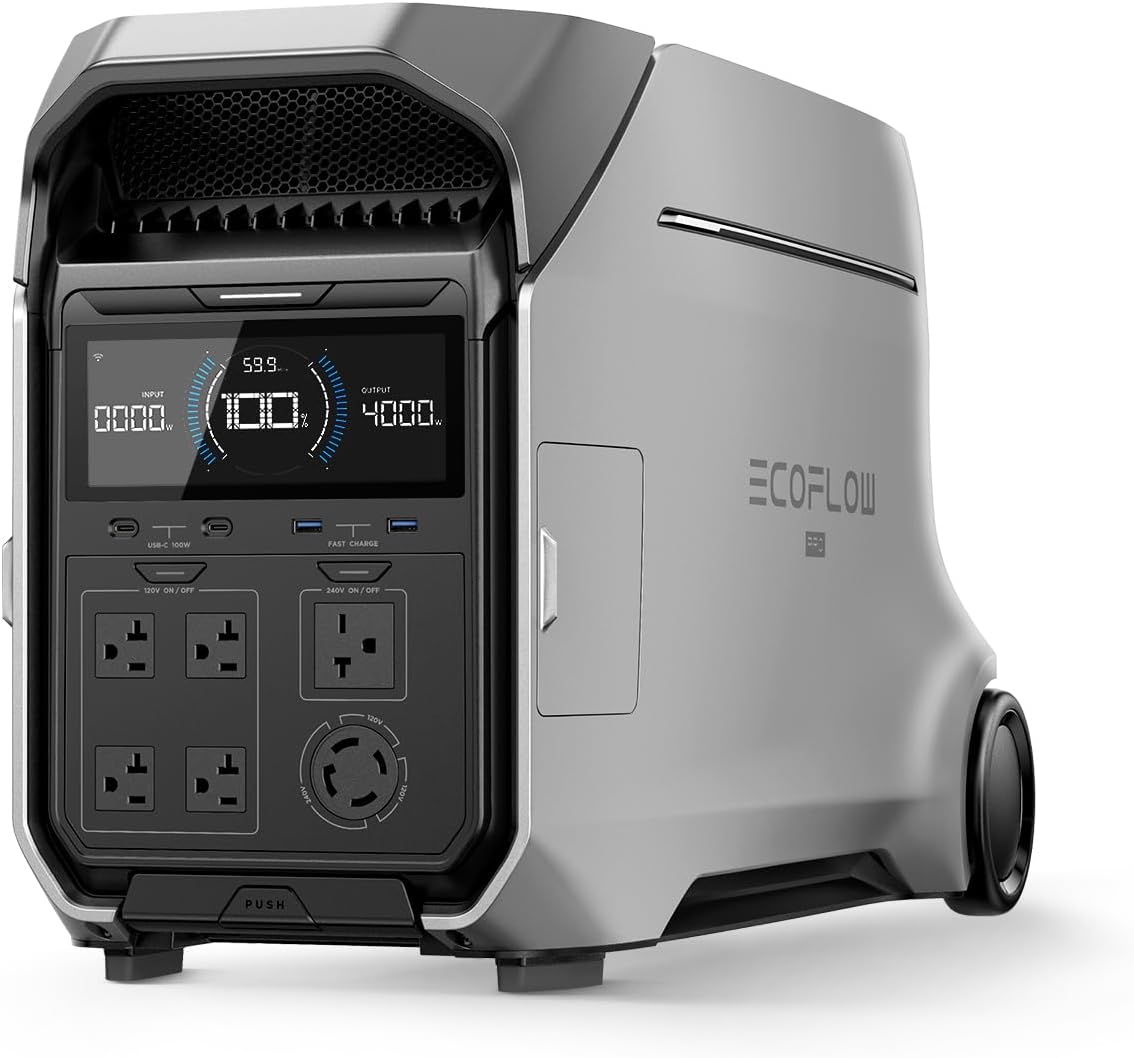
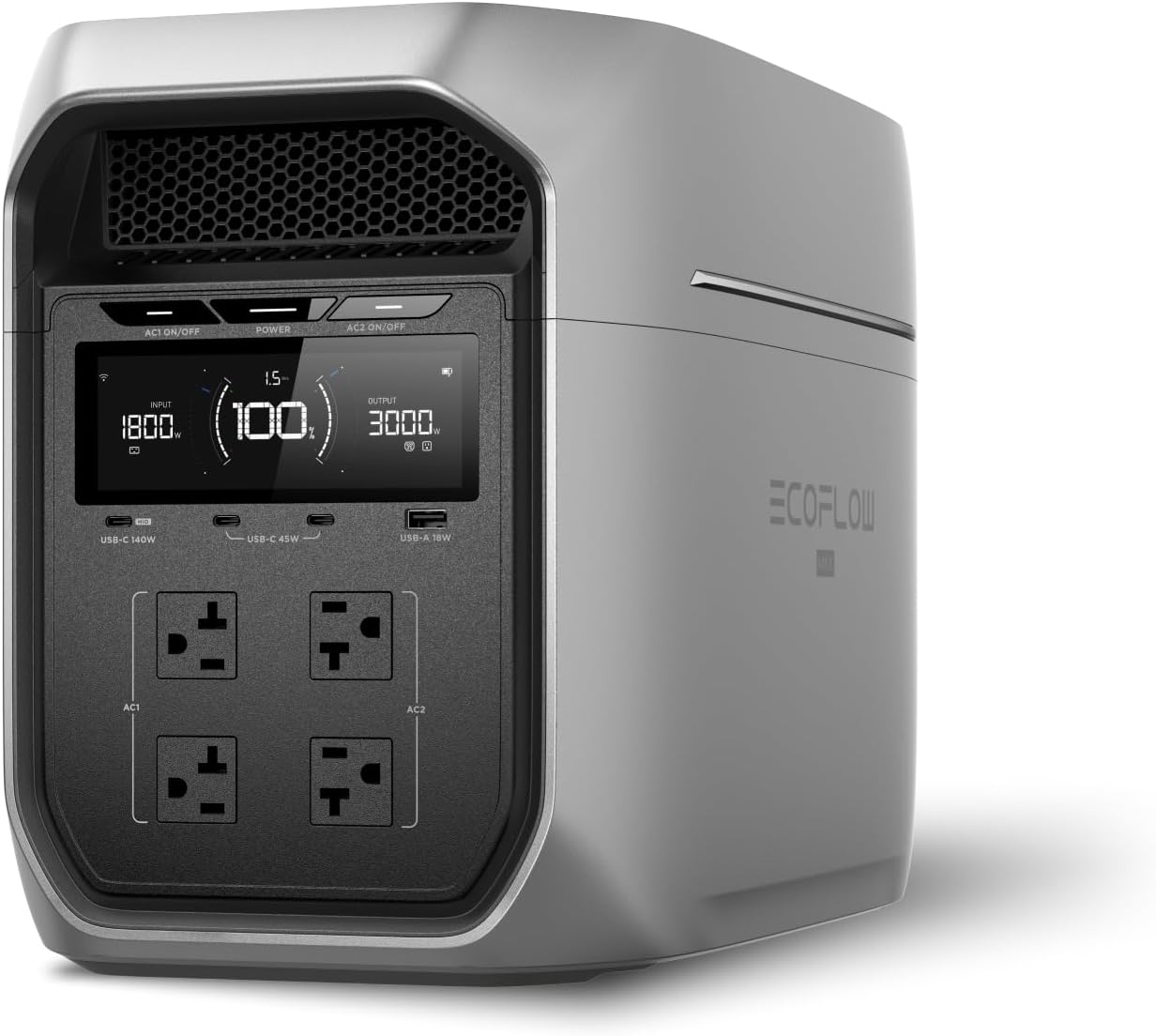
- EcoFlow DELTA 3 Plus ($649, 1,024Wh) — runs 2-3 blankets for 7-10 hours
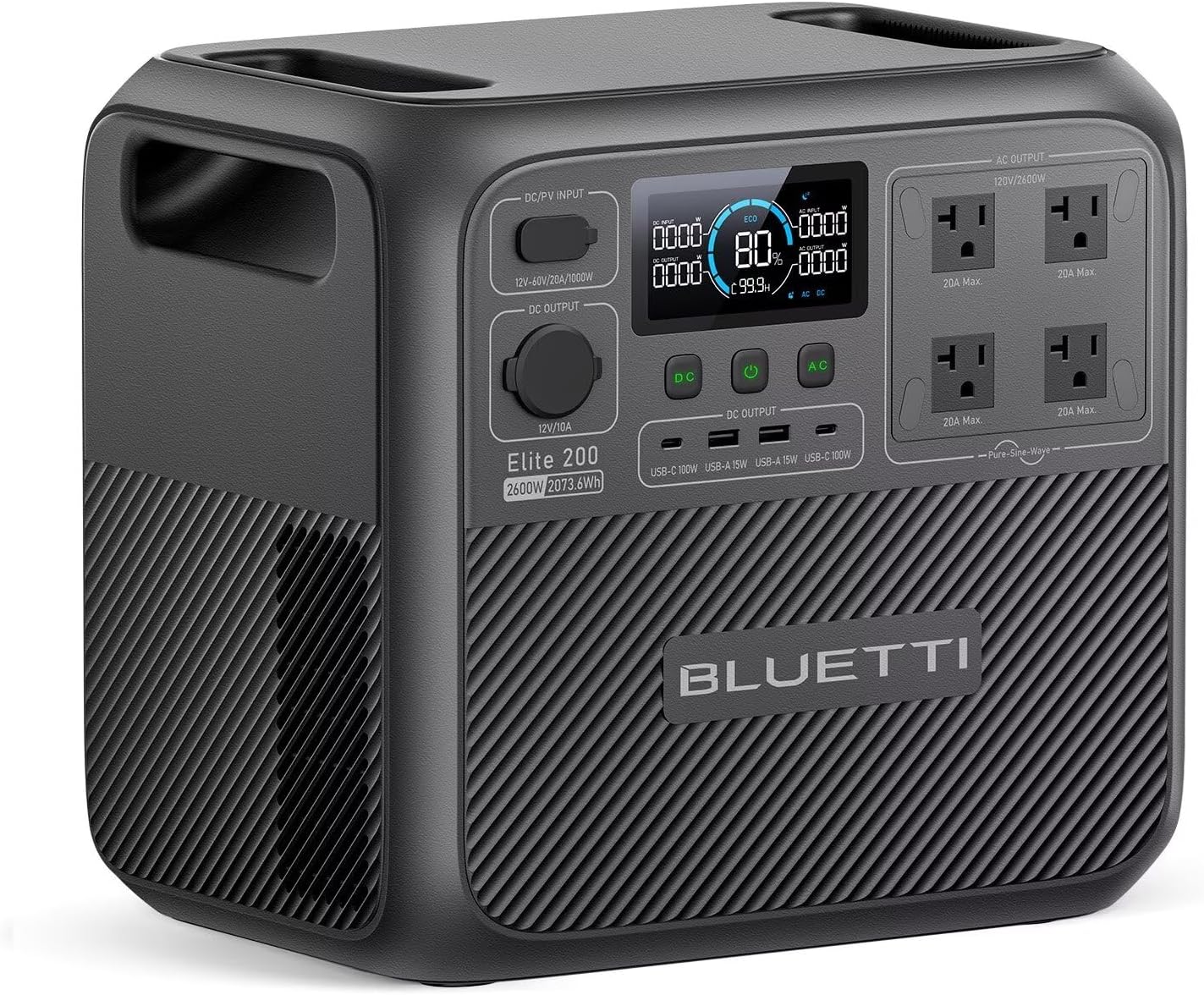
- Bluetti Elite 200 V2 ($1,099, 2,073Wh) — runs 4 blankets overnight
Strategy 2: Generator for Heating, Power Station for Everything Else
If you need to heat a room with a space heater or run a furnace blower, a generator is the practical choice. A 2,000-3,500W inverter generator handles a space heater with room to spare.
Good generator options:
- WEN 2250W — budget-friendly, quiet, handles one space heater
- Honda EU2200i — the gold standard for reliability
- Champion 3500W — enough for a space heater plus other appliances
Use the generator for heating during the day, then switch to a power station at night for quiet, fume-free operation with electric blankets. This combo is what many experienced winter-outage preppers rely on.
Strategy 3: Contain and Conserve
Regardless of your power equipment, reduce the space you’re trying to keep warm:
- Pick one room. Close off the rest of the house. Hang blankets over doorways.
- Choose an interior room. Interior rooms retain heat longer than rooms with exterior walls.
- Use sleeping bags. A good sleeping bag is warmer than any blanket and requires zero electricity.
- Layer clothing. Thermal underwear, wool socks, and a hat go a long way.
- Block drafts. Stuff towels under doors and around windows.
CPAP Users: You Need a Plan
If you or someone in your household uses a CPAP machine, a winter outage is a medical situation, not just an inconvenience. A CPAP draws 30-60W depending on the model and humidifier settings.
Runtime estimates on common power stations:
- EcoFlow RIVER 3 (245Wh): 4-8 hours — one night, barely
- Bluetti AC70 (768Wh): 12-25 hours — 1-2 nights
- Anker SOLIX C1000 (1,056Wh): 17-35 hours — 2-3 nights
- EcoFlow DELTA 3 Plus (1,024Wh): 17-34 hours — 2-3 nights
Turn off the humidifier to cut power draw nearly in half. Use our power calculator with your specific CPAP model to get exact runtime numbers. Read our complete CPAP power guide for detailed recommendations.
Protecting Your Pipes
Frozen pipes can burst and cause thousands of dollars in water damage. Here’s how to protect them during a power outage:
- Open cabinet doors under kitchen and bathroom sinks, especially on exterior walls. Let warmer room air circulate around pipes.
- Let faucets drip. A slight drip keeps water moving, which resists freezing. Focus on faucets served by pipes running through exterior walls or unheated spaces.
- Use a heat lamp near vulnerable pipes. A 60-100W heat lamp aimed at exposed pipes under a sink is far more efficient than heating an entire room. A power station can run a 100W heat lamp for 10+ hours.
- Insulate with towels. Wrap exposed pipes with towels, blankets, or foam pipe insulation.
- Know your shut-off valve. If pipes do freeze, shut off the main water supply immediately to limit damage if a pipe bursts.
Carbon Monoxide: The Silent Killer
This section is not optional reading. More people die from carbon monoxide poisoning during winter storms than from the cold itself.
The rules are absolute:
- NEVER run a gas or propane generator indoors. Not in the garage, not in the basement, not with the windows open. Outdoors only, at least 20 feet from any opening to your home.
- NEVER use a gas stove or oven for heating. This is a common and deadly mistake.
- NEVER bring a charcoal grill or camp stove inside.
- Install battery-operated CO detectors on every level of your home. Test them now, before you need them.
Portable power stations produce zero emissions and are completely safe to use indoors. This is one of their biggest advantages over generators during winter storms — you can run one right next to your bed powering an electric blanket and CPAP with zero risk.
Solar Panels in Winter: Limited but Useful
Winter’s short days and low sun angle reduce solar panel output significantly — expect 30-50% of rated capacity compared to summer. Cloud cover and snow further reduce output. But even diminished solar charging extends your runtime meaningfully.
A 200W solar panel in winter might produce 300-500Wh on a partly sunny day. That’s enough to recover 30-50% of a 1,000Wh station’s capacity, adding hours of runtime for blankets, CPAP machines, and device charging.
Tip: Angle your panel steeply (50-60 degrees) to maximize winter sun capture and let snow slide off. Brush off any accumulated snow first thing in the morning.
Your Winter Storm Checklist
Run through our emergency power checklist to make sure you’re covered. At minimum, have:
- Power station or generator (tested and fully charged)
- Electric blankets (one per person)
- Battery-powered CO detectors (tested)
- Flashlights and LED lanterns with fresh batteries
- Sleeping bags rated for cold weather
- Extra fuel for generators (stored safely outdoors)
- Phone charging cables and power banks
- Battery-powered radio for weather updates
- CPAP battery plan if applicable
The Bottom Line
Winter storm outages require a different approach than summer outages. Space heaters and power stations don’t mix well — instead, focus on electric blankets for warmth, a generator if you need real heating, and strict carbon monoxide safety protocols. A 1,000Wh power station paired with electric blankets keeps a family warm and connected through cold nights. For extended outages, pair it with solar panels for daytime recharging or use a generator for heavy heating loads during the day.
Prepare now, while the weather is calm and the stores are stocked. Our emergency checklist tool walks you through exactly what you need.
Recommended Power Stations
EcoFlow
EcoFlow DELTA 3 Plus
EcoFlow's newest mid-range flagship. The DELTA 3 Plus improves on the Delta 2 with faster charging, LiFePO4 chemistry, and UPS functionality — all at a lower price.
Frequently Asked Questions
Can a power station run a space heater?
Technically yes, but it's impractical. A standard space heater draws 1,500W and uses 1,500Wh per hour — a 1,000Wh power station would last about 40 minutes. A much better strategy is using an electric blanket (50-75W), which a 1,000Wh station can run for 13-20 hours. For space heater use, you need a generator.
How do I keep pipes from freezing during a power outage?
Open cabinet doors under sinks to let warmer room air reach pipes. Let faucets drip slightly (moving water resists freezing). If you have a power station, use a small heat lamp (60-100W) near vulnerable pipes — much more efficient than heating the whole room. Insulate exposed pipes with towels or foam. Drain water lines as a last resort if temperatures will stay below freezing for days.
Is it safe to use a generator indoors?
Never. Gas and propane generators produce carbon monoxide (CO), which is odorless, invisible, and lethal. Run generators outdoors only, at least 20 feet from windows, doors, and vents, with the exhaust pointing away from your home. Install battery-powered CO detectors on every level of your home. More people die from CO poisoning during winter storms than from the cold itself.
Ready to Buy? Here's What We Recommend
Based on our testing and this guide, these are the best options for most people: