EcoFlow DELTA 3 Review: The Smarter Buy Over the DELTA 3 Plus?

Our Verdict
The EcoFlow DELTA 3 delivers 1024Wh of LiFePO4 power with a 56-minute charge, IP65 battery protection, and whisper-quiet operation — all for $200 less than the DELTA 3 Plus.
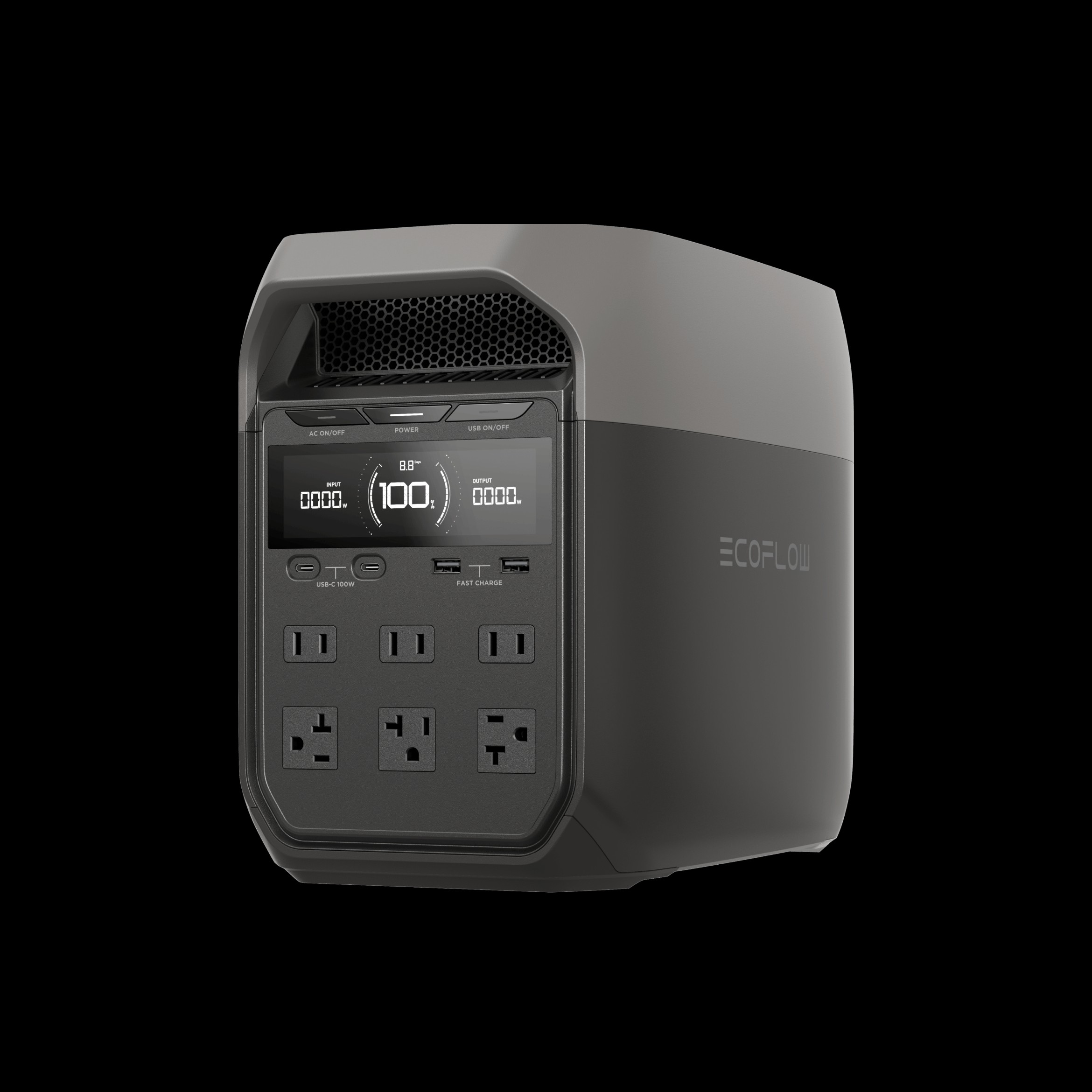
EcoFlow
EcoFlow DELTA 3
$519
★ 4.7 (3,542 Amazon ratings)
Capacity
1024Wh
Output
1800W
Weight
27.6 lbs
Charge Time
0.93 hrs
Pros
- Sub-1-hour full charge (56 minutes)
- IP65-rated battery pack for dust and water resistance
- Sub-30dB noise at loads under 600W
- Expandable to 5kWh with Smart Extra Batteries
Cons
- X-Boost needed for devices over 1800W
- No 140W USB-C PD 3.1 like Anker C1000 Gen 2
- Heavier than some 1kWh competitors at 27.6 lbs
- No built-in wireless charging
The EcoFlow DELTA 3 Plus has been our top overall pick for months. So when EcoFlow dropped the standard DELTA 3 at $200 less with nearly identical core specs, the obvious question is: do you actually need the Plus? For most buyers, the answer is no — and the DELTA 3 might be the smarter purchase.
Key Specs at a Glance
- Capacity: 1,024Wh (LiFePO4)
- Max Output: 1,800W continuous / 3,600W surge (2,200W with X-Boost)
- Weight: 27.6 lbs
- Battery Type: LiFePO4 (4,000+ cycles to 80%)
- Charge Time: 56 minutes (1,500W AC input)
- Ports: 6 AC, 2x USB-C (100W), 2x USB-A (18W), 1x car outlet, 2x DC5521
- IP Rating: IP65 battery pack
- Noise: Under 30dB at loads below 600W
Who Is It For?
Everyone who was considering the DELTA 3 Plus but winced at the price. The standard DELTA 3 shares the same 1,024Wh LiFePO4 platform, the same 56-minute charge time, the same 4,000+ cycle battery, and the same expandability to 5kWh. At $519 on sale (vs $649 for the Plus), it is the best value 1kWh power station on the market — edging out even the Anker SOLIX C1000 Gen 2 on price while matching it on nearly every spec. Campers, home backup users, remote workers, and RV owners will all find this covers their needs.
Sub-1-Hour Charging
EcoFlow’s X-Stream charging technology pulls up to 1,500W from the wall, filling the DELTA 3 from empty to full in 56 minutes. This matches the DELTA 3 Plus exactly and beats the Jackery Explorer 1000 v2 (1.7 hours) and Bluetti AC70 (~1 hour). Solar charging accepts up to 500W, completing a full charge in about 2.5 hours with high-wattage panels like the EcoFlow 400W.
IP65 Battery Protection
The DELTA 3’s battery pack carries an IP65 rating — fully protected against dust and low-pressure water jets. This is not full-unit waterproofing (the ports are still exposed), but it means the battery cells and BMS are protected against the elements. For garage storage, outdoor use in light rain, or dusty job sites, this is a meaningful safety feature that the Anker C1000 Gen 2 and most Jackery units do not offer.
Whisper-Quiet Under 30dB
At loads below 600W — which covers phone charging, laptop power, LED lights, and router/modem backup — the DELTA 3 operates under 30dB. That is quieter than a whisper. The Jackery Explorer 2000 v2 matches this at under 30dB across all loads, but among 1kWh stations, the DELTA 3’s quiet mode is best-in-class. For CPAP users and bedroom backup, this matters enormously.
DELTA 3 vs DELTA 3 Plus: What Do You Lose?
The Plus model ($649) adds a few features over the standard DELTA 3 ($519):
| Feature | DELTA 3 | DELTA 3 Plus |
|---|---|---|
| Price | $519 | $649 |
| Capacity | 1,024Wh | 1,024Wh |
| Output | 1,800W | 1,800W |
| Charge Time | 56 min | 56 min |
| UPS Switchover | 10ms | 10ms |
| X-Boost | 2,200W | 2,200W |
| Battery Cycles | 4,000+ | 4,000+ |
| 12V Car Outlet | Yes | Yes (higher rated) |
The differences are minor: the Plus has slightly better port specs and marginally higher continuous DC output. For $130 less, the standard DELTA 3 delivers the same capacity, same charge speed, same battery life, and same expandability. See our full DELTA 3 vs DELTA 3 Plus comparison for a detailed breakdown.
Expandable to 5kWh
Like the Plus, the standard DELTA 3 supports EcoFlow’s Smart Extra Batteries, scaling from 1,024Wh to approximately 5kWh. This transforms it from a camping companion to a serious home backup system. The expansion batteries connect via a simple plug-in cable and are recognized automatically by the EcoFlow app. For users who want to start small and grow, this future-proofing is a significant advantage over non-expandable units like the Anker C1000 Gen 2 or ALLWEI 1200W.
What Could Be Better
The 1,800W continuous output is adequate but not class-leading — the Anker C1000 Gen 2 pushes 2,000W. X-Boost extends this to 2,200W for compatible devices, but pure sine wave output tops out at 1,800W. The USB-C ports max at 100W, while the Anker offers 140W PD 3.1. At 27.6 lbs, it is not the lightest 1kWh option — the Anker at 23.9 lbs is easier to carry. And the EcoFlow app, while feature-rich, can be slow to connect over Bluetooth.
The Bottom Line
The EcoFlow DELTA 3 is the best value in the 1kWh class for March 2026. It matches the DELTA 3 Plus on every spec that matters for most buyers — capacity, charge speed, battery life, expandability, and quiet operation — while saving $130. At $519, it undercuts the Anker SOLIX C1000 Gen 2 while offering expandability and IP65 battery protection that Anker lacks. If you do not need the Plus’s incremental port upgrades, the standard DELTA 3 is the smarter buy.
Compare it: DELTA 3 vs DELTA 3 Plus | Best power stations under $1,000 | Best portable power stations 2026
Get the EcoFlow DELTA 3
$519
★ 4.7 from 3,542 Amazon reviews
Check Price on AmazonFree shipping with Amazon Prime. Price may vary.
Comparisons Featuring This Product
Similar Power Stations
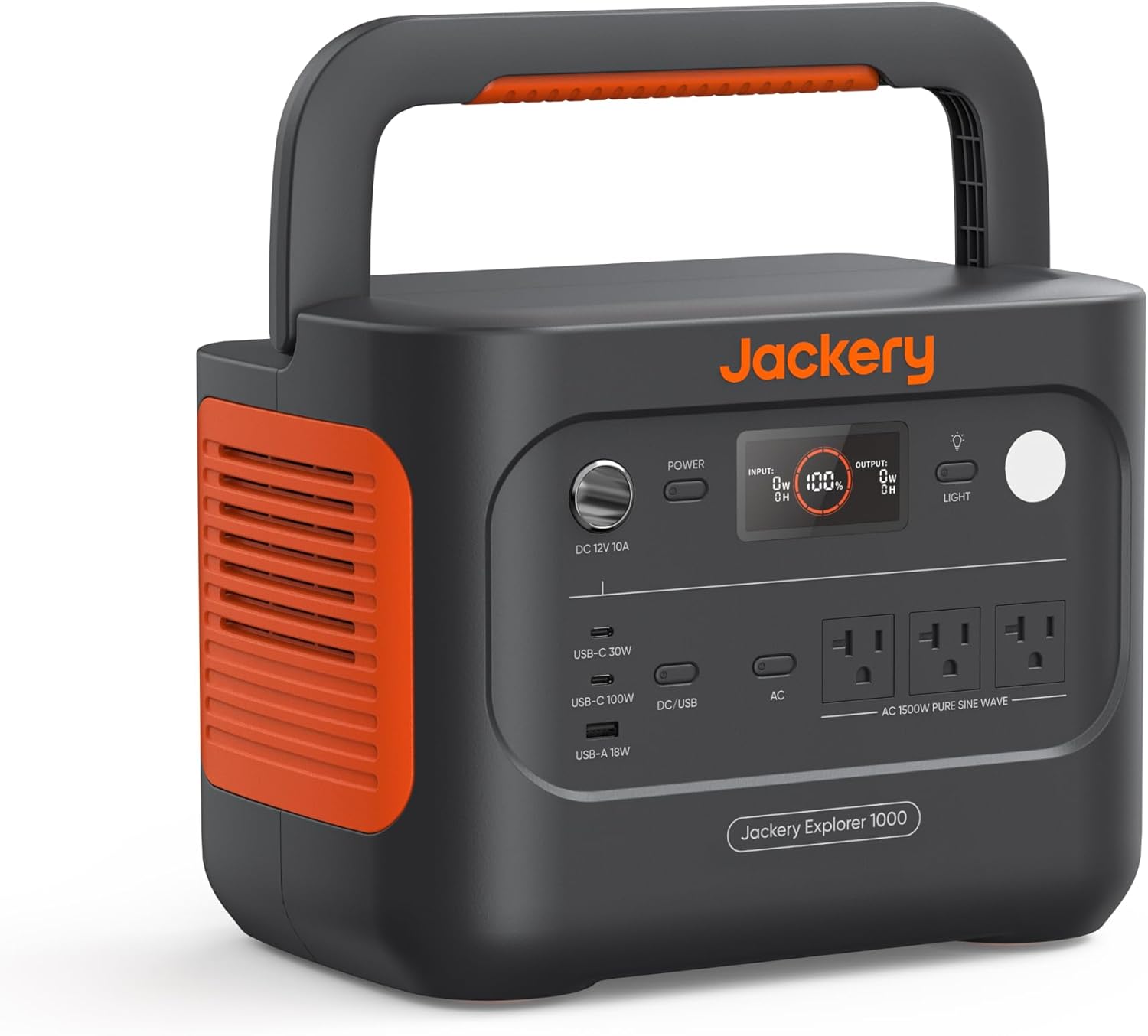
Jackery
Jackery Explorer 1000 v2
A reliable, well-rounded power station ideal for camping trips and emergency backup. Fast charging and a lightweight design make it easy to grab and go.
Capacity
1070Wh
Output
1500W
Weight
22 lbs
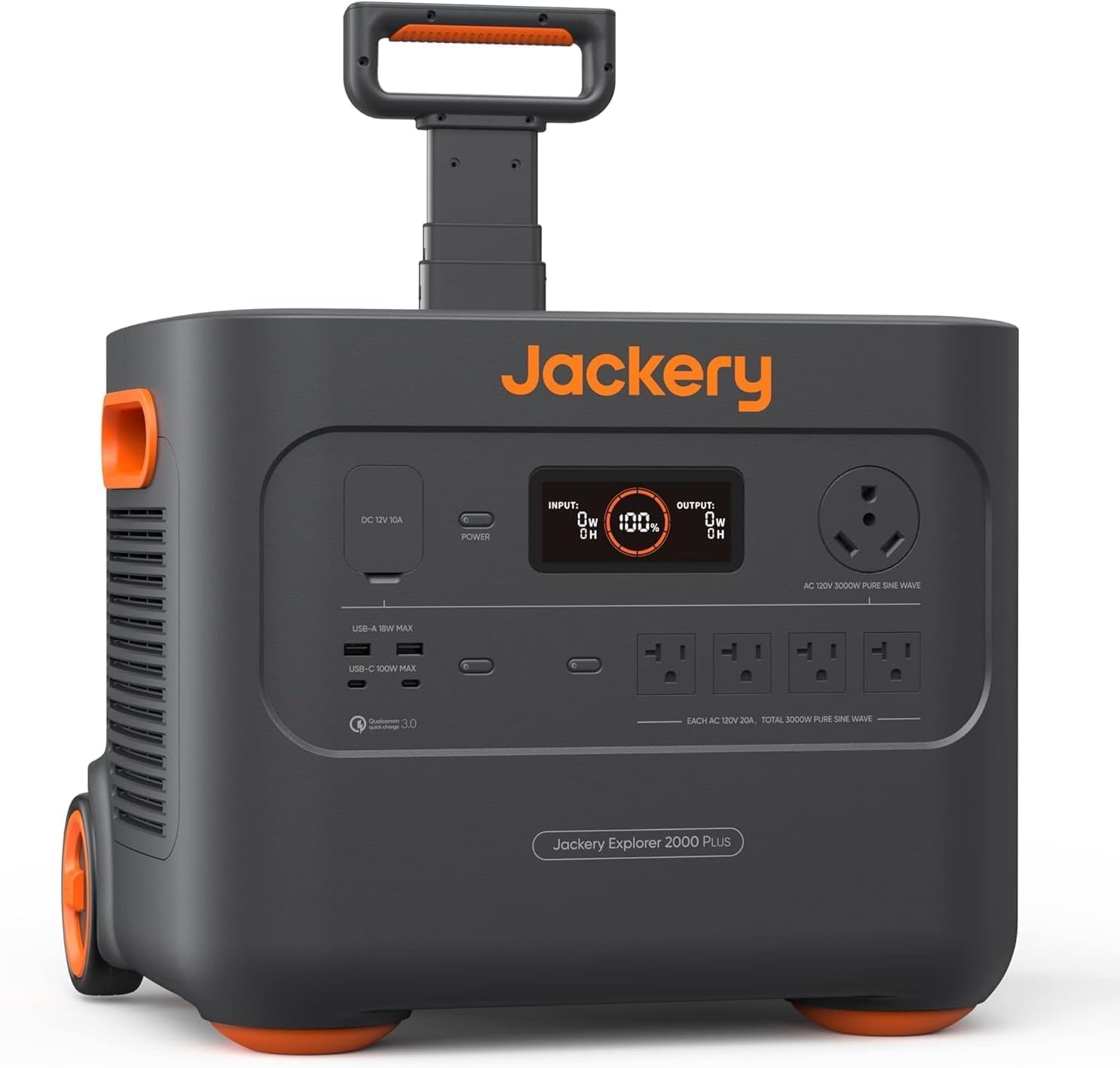
Jackery
Jackery Explorer 2000 Plus
Jackery's flagship expandable power station. With 2kWh base capacity expandable to 24kWh, it's a serious home backup solution that can also handle RV and off-grid living.
Capacity
2042Wh
Output
3000W
Weight
61.5 lbs
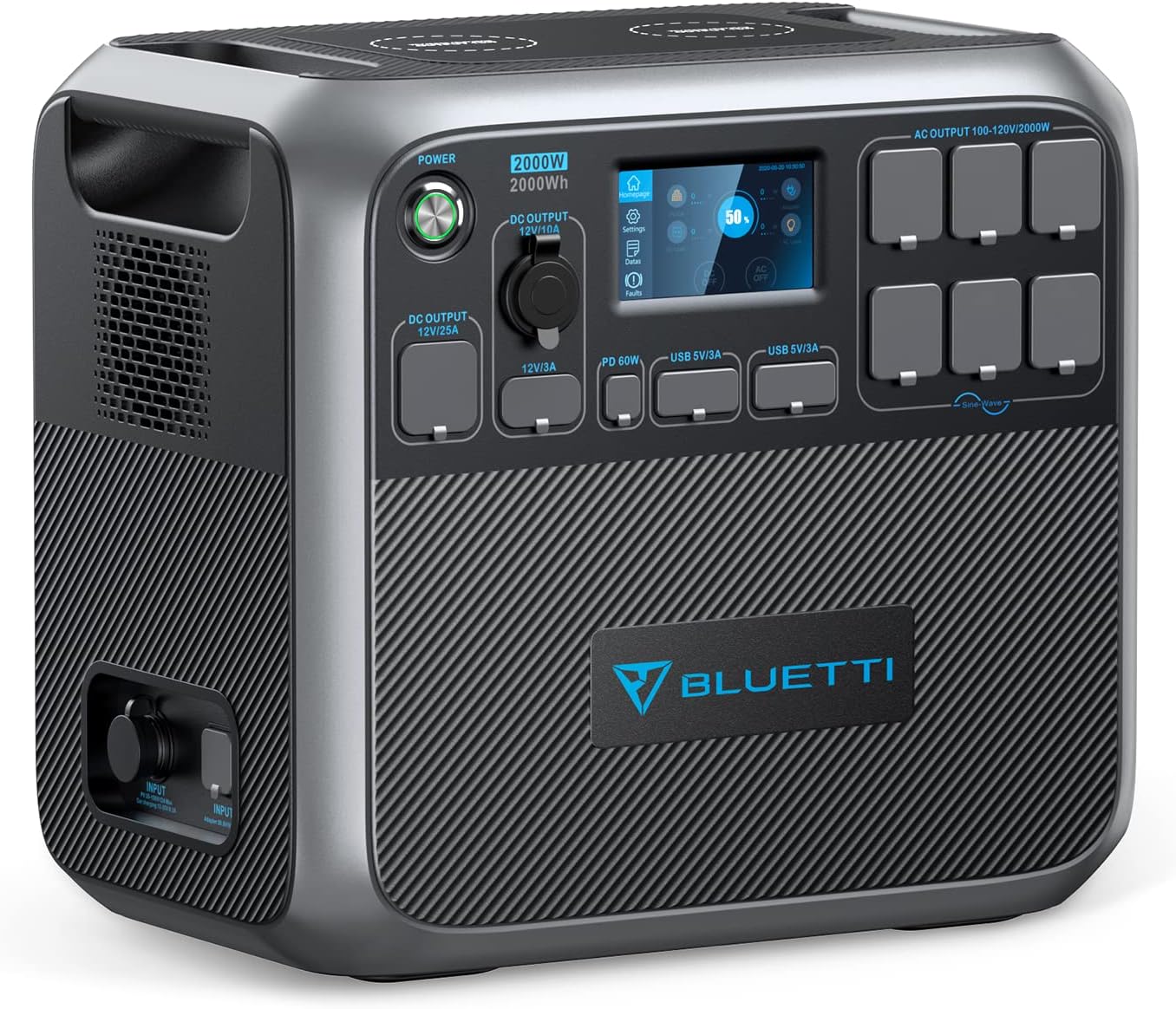
Bluetti
Bluetti AC200P
A budget-friendly 2kWh workhorse. The AC200P packs tons of ports and solid output power at a price point well below competitors with similar capacity.
Capacity
2000Wh
Output
2000W
Weight
60.6 lbs