Guide
EV Road Trip Season: Power Up Your EV Charging Stops Across America

TL;DR
Road trip season starts in May. Here's my field-tested guide to EV charging networks, home charger prep, and route planning for a stress-free electric road trip across America in 2026.
I bought my first EV — a Ford Mustang Mach-E — in early 2024, and I’ve since put more than 36,000 miles on it, a big chunk of those on road trips with two kids and a dog crammed in the back. I’ve driven from Texas to the Smoky Mountains, down the Gulf Coast, and out to the New Mexico high desert, all on electrons. I’ve also installed home chargers for about 40 friends and family members, so I’ve watched plenty of first-time EV owners panic about whether they can actually road trip in one.
Here’s the short answer: yes, absolutely, and 2026 is the easiest year yet to do it. But there’s a rhythm to it, and a little prep goes a long way. Road trip season kicks off in May, so let me walk you through exactly how I plan charging stops, prep my home setup, and pack portable power before a long haul.
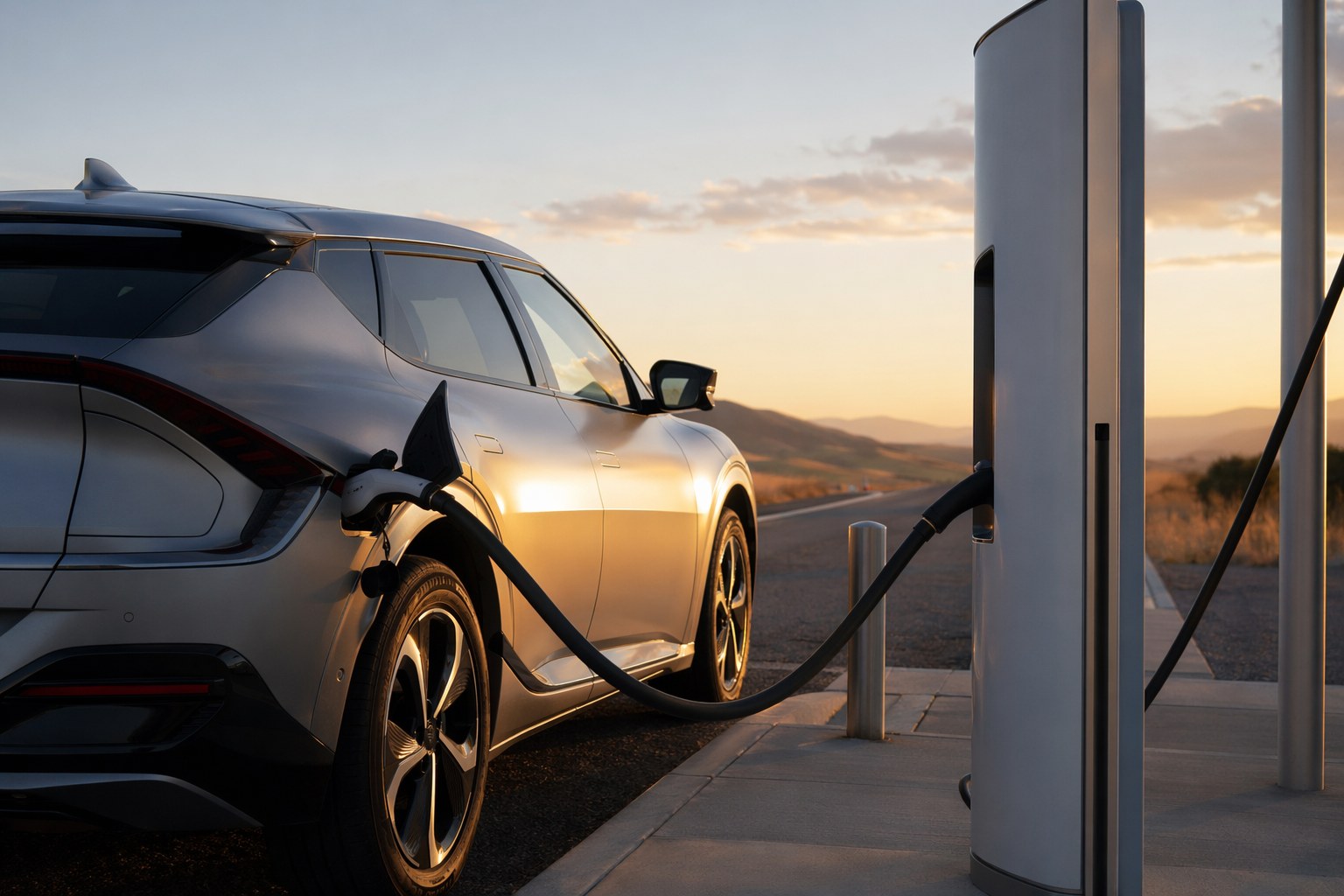
The EV Road Trip Mindset Shift
The single biggest mistake new EV road trippers make is trying to drive like a gas car. In a gas car, you run the tank to nearly empty, fill up to 100% in five minutes, and repeat. An EV punishes that exact behavior.
DC fast charging is fastest between roughly 10% and 60% state of charge. Above 80%, the car deliberately slows the charge to protect the battery — that last 20% can take as long as the first 60%. So the winning move is to drive your battery down to 10-20%, charge back to 60-80%, and roll out. You make slightly more frequent stops, but each one is short.
In real numbers, my Mach-E with about 290 miles of range covers a 500-mile day with two charging stops of 25-30 minutes each. Those stops line up with lunch and a leg-stretch, so they barely feel like delays. If you’ve got young kids, you were stopping every two and a half hours anyway. For more on why the charging curve behaves this way and how the levels differ, my EV Charging 101 guide breaks it down from the ground up.
Step One: Prep Your Home Charger Before You Leave
Your road trip really starts in your own garage. The goal is to pull out of the driveway at 100% so your first leg costs nothing and skips a stop.
A standard 120V wall outlet (Level 1) only adds 3-5 miles of range per hour. If you get home from work at 6 p.m. with a half-empty battery and want to leave at 6 a.m., Level 1 simply can’t top you off in time. A Level 2 charger on a 240V circuit adds 25-37 miles per hour and fills any EV overnight.
If you’re road tripping more than once or twice a year, a home Level 2 charger is the upgrade I recommend first. Here are the units I actually trust:
- The Tesla Wall Connector delivers 48A (11.5 kW), has a clean 24-foot cable, and now works beautifully with non-Tesla EVs thanks to NACS adoption. If your home charger and your road-trip network are both Tesla, the ecosystem is seamless.
- The ChargePoint Home Flex is my pick for most homes. Adjustable from 16A to 50A, excellent scheduling app, and energy tracking so you can see exactly what your pre-trip charge cost.
- The Wallbox Pulsar Plus 48A is compact, hardwireable, and genuinely good-looking on a garage wall, with solid power-sharing if you have two EVs.
- The Lectron V-Box 48A is the value play — a no-nonsense 48A charger that costs less than the smart units and just works.
- The Emporia Energy Level 2 48A is the one I install for friends who care about energy monitoring on a budget. It integrates with the Emporia home-energy ecosystem and supports load management.
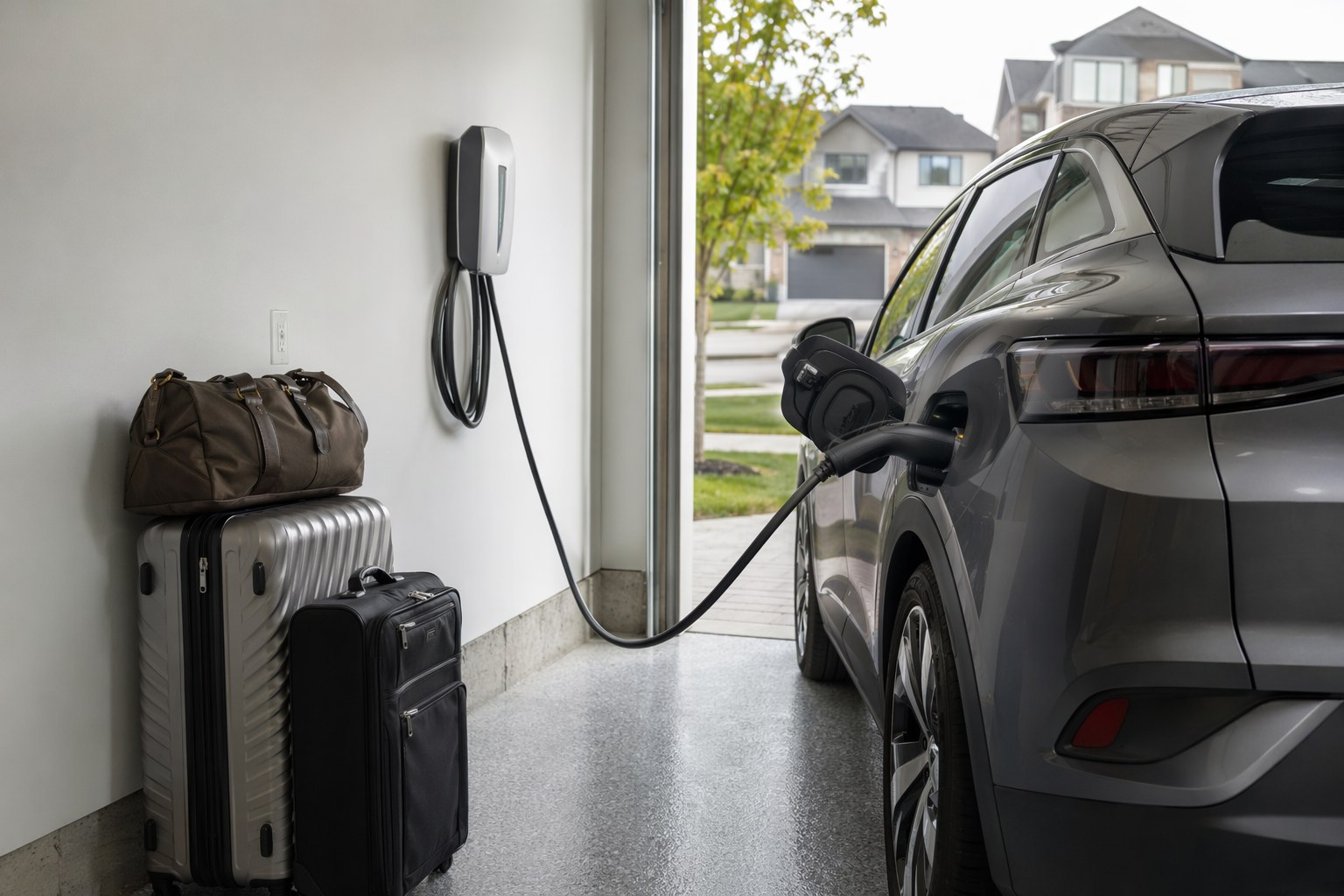
One practical note before you commit: your charging speed is capped by the weakest link among the charger, the circuit, and your car’s onboard charger. A 48A wall unit won’t charge faster than 32A if your EV only has a 7.2 kW onboard charger. Check your car’s spec before paying for a 60A circuit you can’t use. If you’re weighing models, I compared the full field in my best Level 2 EV charger guide.
The night before departure, set your charge limit to 100% (override the usual 80% daily limit just this once), schedule charging to finish around your departure time so the battery is warm, and you’re set.
Step Two: Know Your Charging Networks
The biggest change in 2026 versus a couple of years ago is connector unification. Most new non-Tesla EVs now ship with NACS ports or come with a NACS adapter, which unlocks the Tesla Supercharger network for nearly everyone. This single shift made EV road trips dramatically less stressful. Here’s how the major networks stack up for trip planning.
| Network | Coverage | Typical Price | Reliability | Best For |
|---|---|---|---|---|
| Tesla Supercharger | Largest, dense interstate coverage | $0.25-0.48/kWh | Excellent | Default for NACS-equipped EVs |
| Electrify America | Wide CCS interstate coverage | $0.43-0.64/kWh | Variable | CCS cars, cross-country interstates |
| EVgo | Strong in metro areas | $0.34-0.55/kWh | Good | Urban and regional fill-ins |
| ChargePoint | Mixed L2 and DCFC, large network | $0.15-0.55/kWh | Good | Destination and overnight charging |
My honest advice: don’t marry one network. I keep active accounts with Tesla, Electrify America, and EVgo, with the apps installed and a payment card loaded in each. The number of times a “broken” charger on one network was solved by driving five minutes to another network is too high to count. Public charging costs roughly 2-3x what you pay at home, but it’s still competitive with gas — I dug into the exact per-mile math in my EV vs gas cost breakdown.
A word on courtesy while you’re out there: occupied stalls, ICE-blocked spaces, and people charging to 100% on a busy bank are the friction points of road trip charging. Unplug promptly once you hit your target, don’t park in a charging stall after you’re done, and move along. I put together a full rundown in my public EV charging etiquette guide — it’s worth a read before a holiday weekend when stations fill up.
Step Three: Plan the Route, Not Just the Destination
In a gas car you can wing it. In an EV, ten minutes of planning saves an hour of anxiety. I use two tools on every trip.
A Better Route Planner (ABRP) is the gold standard. Plug in your specific car model, set your arrival buffer (I use 15%), and it maps charging stops, charge durations, and even adjusts for elevation, temperature, and your real driving speed. It’s eerily accurate — usually within a few percent of my actual arrival state of charge.
PlugShare is my reality check. Before I commit to a stop, I look at recent user check-ins to confirm the station is live and not down for maintenance. A charger that exists on a map isn’t always a charger that works that day.
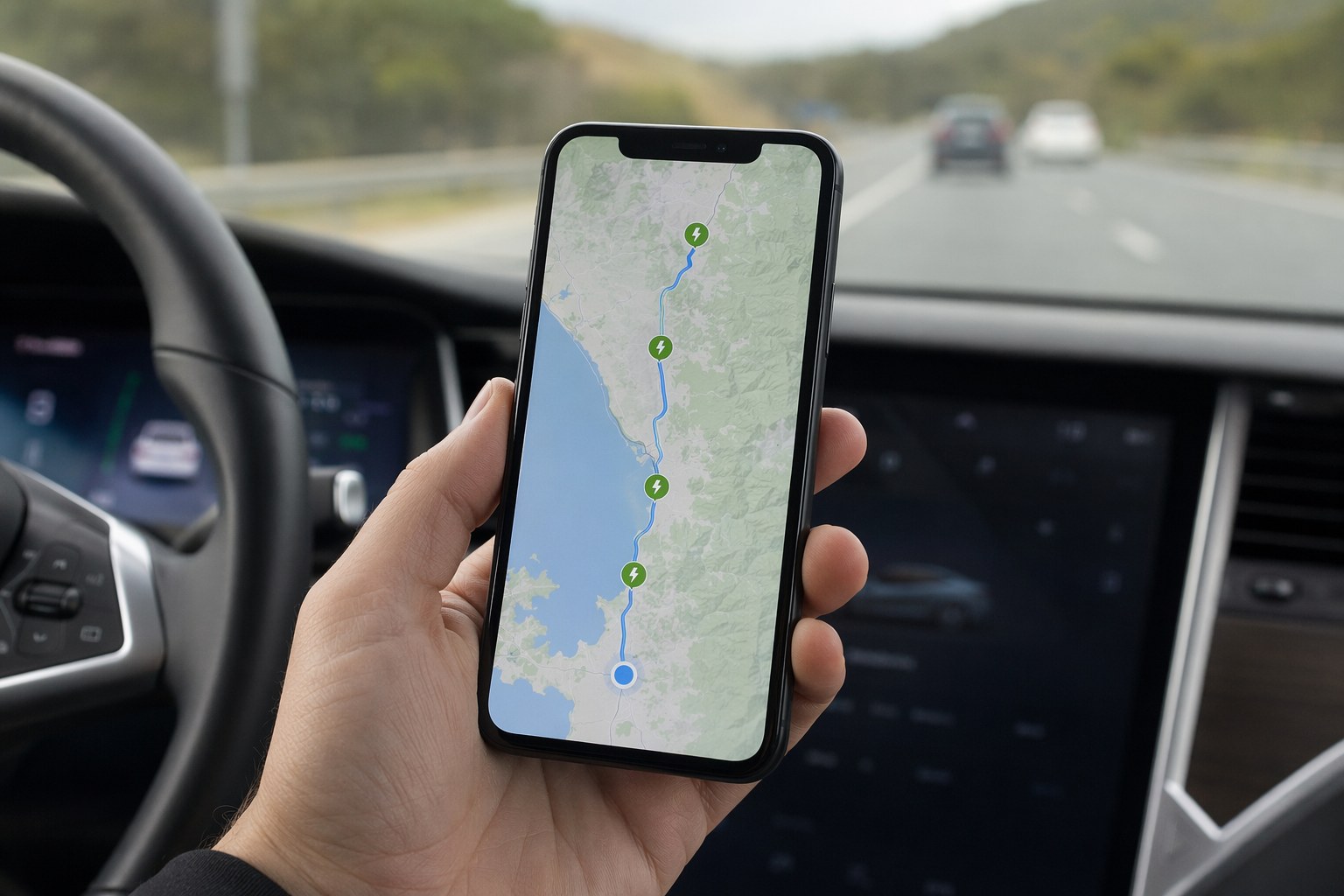
A few hard-won route-planning rules I follow:
- Always have a Plan B charger. For every stop, know the next station 10-15 miles down the road in case yours is occupied or broken.
- Precondition the battery. Set your car’s navigation to the fast charger as your destination. Most EVs will warm the battery en route so it accepts a faster charge on arrival — this can cut a winter charge stop nearly in half.
- Don’t chase 100%. Charge to whatever gets you to the next stop with a 15% buffer, not to full. Stopping at 70% and rolling out beats waiting 20 extra minutes for that last sliver.
- Slow down a little. Dropping from 75 to 68 mph on the interstate can extend my range by 20-30 miles. On a long day that’s one fewer stop.
- Account for weather. Cold weather can cut range 20-30%, and headwinds and rain add more drag. Build margin in on rough-weather days.
Step Four: Pack Portable Power for the Cabin
Here’s the nuance that trips people up: a portable power station is fantastic for road trips, but not for charging your car. A 1,000Wh unit holds about 1 kWh — that’s only 3-4 miles of EV range. Even a big 4,000Wh station gets you maybe 12-15 miles, which is strictly an emergency “limp to a charger” cushion, not a real charging solution.
What portable power is great for on an EV road trip is everything else. While the car is fast-charging, I’d rather not idle the vehicle’s 12V system or run the climate off the main battery for 30 minutes. A power station handles the laptop, the kids’ tablets, a 12V cooler, a portable fan, or charging a drone between scenic stops — all without touching your driving range. For a beginner overview of how to charge a power station from solar on multi-day trips, see how to charge a power station with solar panels.
If you’re camping along the way or doing the “sleep in the car at a Supercharger” thing on a budget cross-country run, a mid-size station also runs a CPAP, a 12V fridge, and overnight device charging without draining your traction battery. Pre-cooling or pre-heating the cabin off shore power before you unplug each morning is a nice luxury too.
A Real Sample Day From My Logbook
To make this concrete, here’s an actual driving day from a trip last spring — Austin to the Texas Hill Country and back to a friend’s place near Dallas, about 480 miles.
| Leg | Distance | Arrive SoC | Charge To | Stop Time |
|---|---|---|---|---|
| Home (overnight L2) → Stop 1 | 175 mi | 18% | 72% | 28 min (lunch) |
| Stop 1 → Stop 2 | 165 mi | 14% | 65% | 24 min (coffee, dog walk) |
| Stop 2 → Destination | 140 mi | 16% | — (charge overnight) | — |
Total charging time on the road: 52 minutes across two stops, both of which doubled as meals or breaks I’d have taken anyway. I left home full thanks to the overnight Level 2 charge, and I plugged into my friend’s NEMA 14-50 outlet on arrival. Total public charging cost for the day was about $19 — versus roughly $55 in gas for the same trip in my old hybrid.
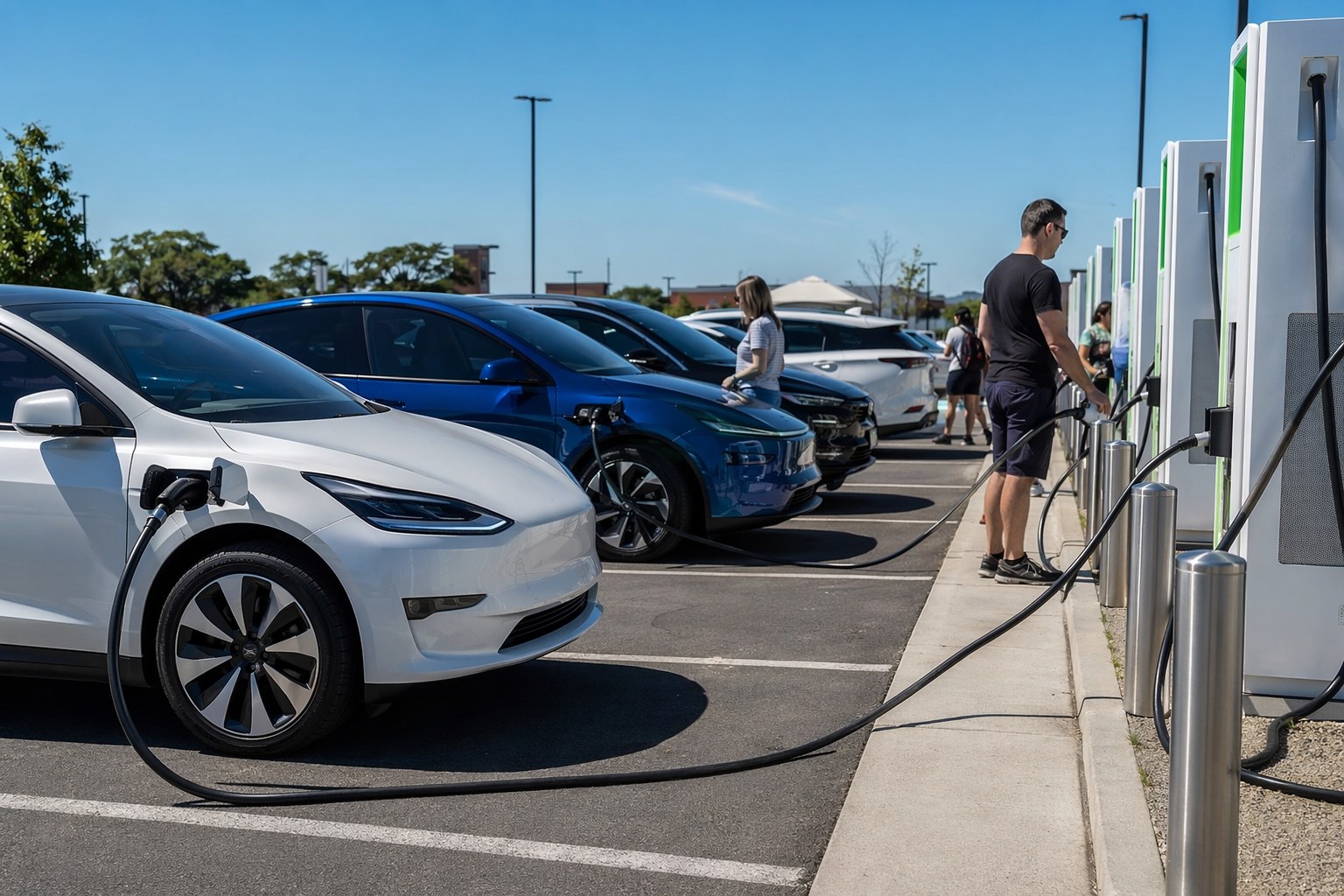
The Bottom Line
EV road trips in 2026 are genuinely easy once you internalize the rhythm: leave home full from a Level 2 charger, drive your battery down to 10-20%, charge back to 60-80% during natural breaks, and keep accounts on multiple networks so a single broken charger never strands you. Add ABRP for planning, PlugShare for confirmation, and a portable power station for cabin extras, and you’ll wonder why you ever worried.
The prep that pays off most is the home charger. If you’re going to road trip this season — and beyond — start there. Take a look at my best Level 2 EV charger guide to match a unit to your car and panel, then go plan that trip. The country looks great at 65 mph with the regen humming.
Recommended Power Stations
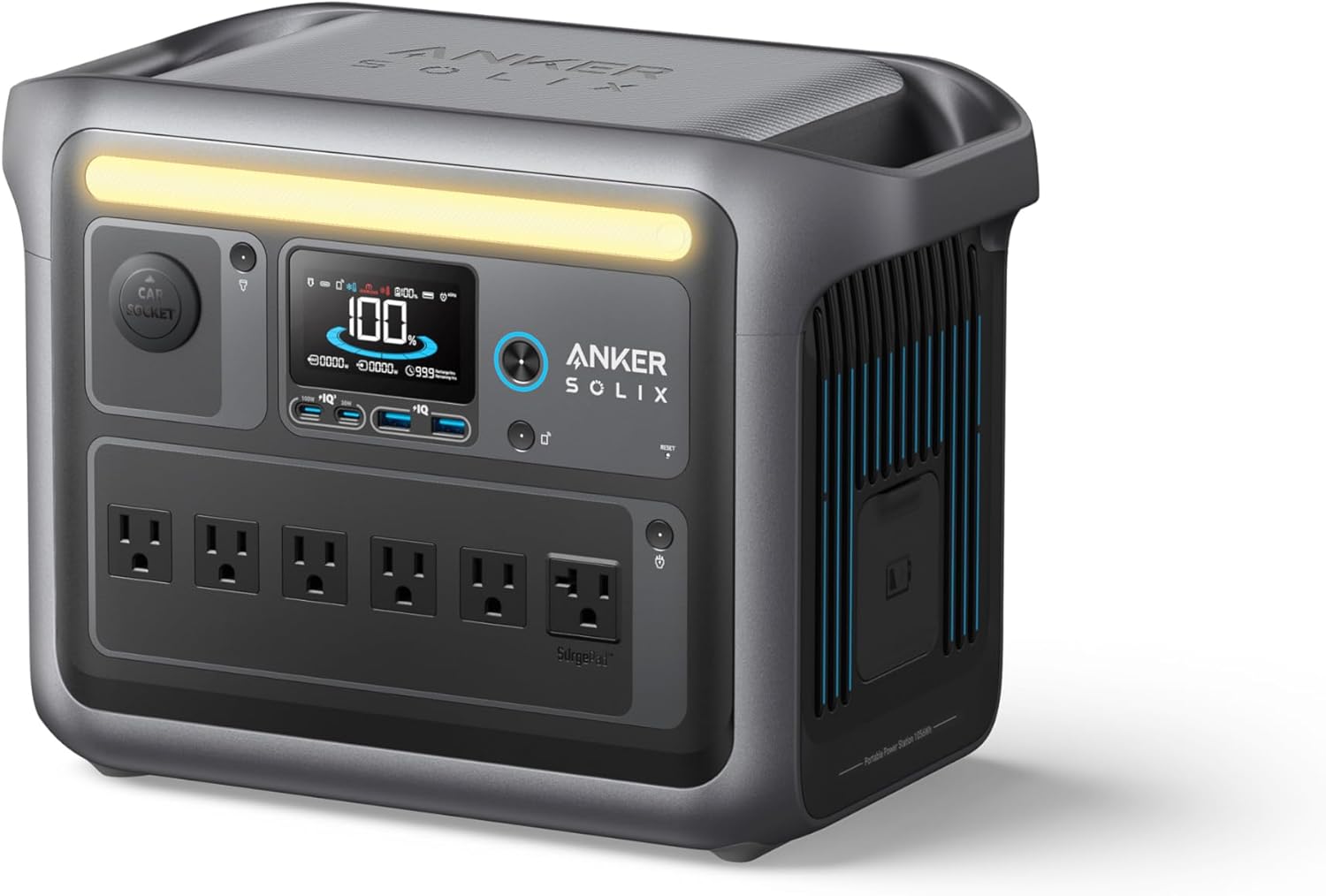
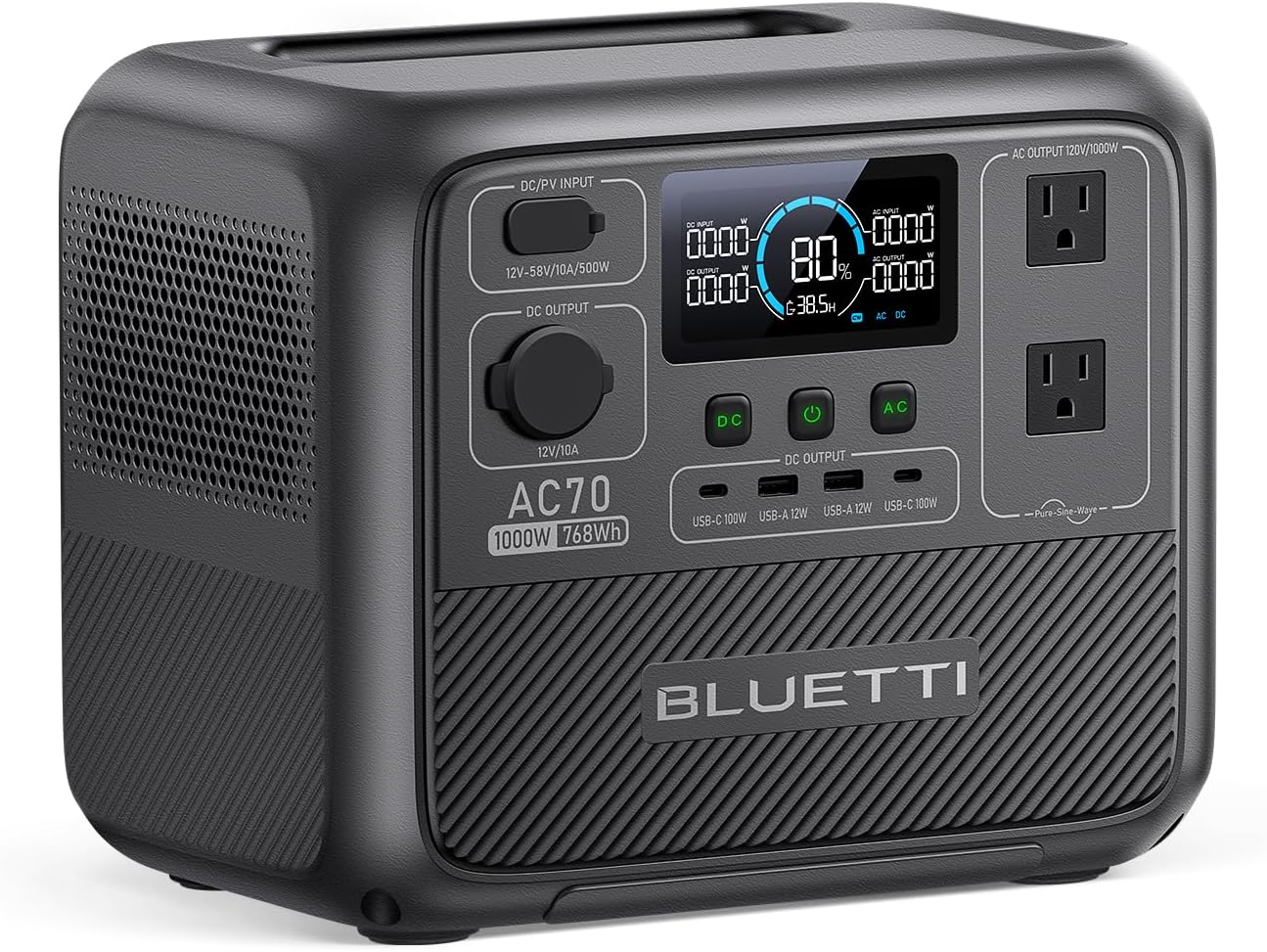
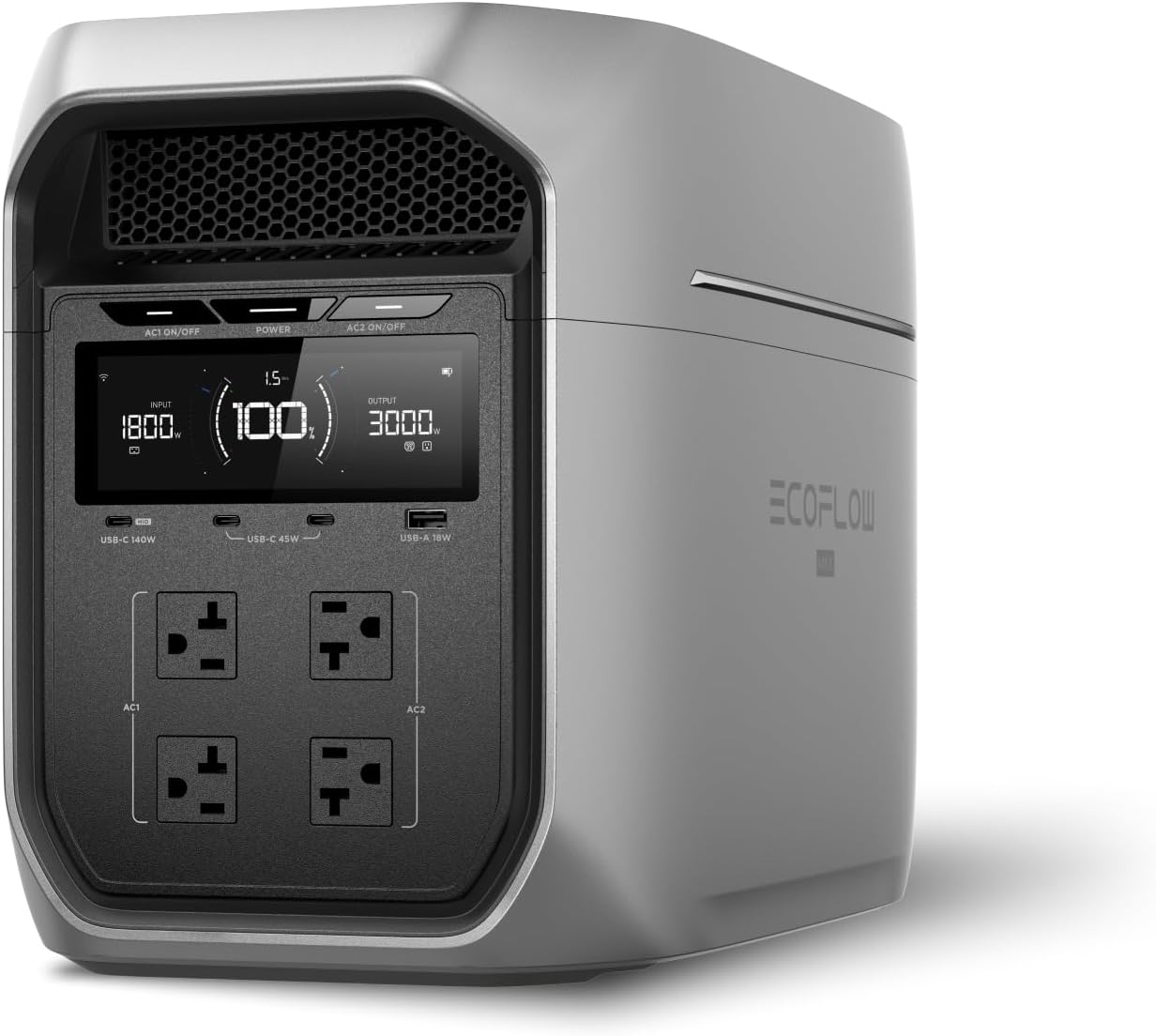
EcoFlow
EcoFlow DELTA 3 Plus
EcoFlow's newest mid-range flagship. The DELTA 3 Plus improves on the Delta 2 with faster charging, LiFePO4 chemistry, and UPS functionality — all at a lower price.
Frequently Asked Questions
How often do you have to stop and charge on an EV road trip?
On a modern EV with 250-320 miles of EPA range, you'll typically stop every 150-200 miles for a 20-35 minute DC fast charge. That's because you rarely use the full battery on the highway — you arrive at chargers around 10-20% and charge to 60-80%, which is the fastest part of the curve. In practice, over a 500-mile day I make two or three charging stops, each timed to lunch, a bathroom break, or stretching the legs. Highway speed matters a lot: at 75 mph you'll burn through range noticeably faster than at 65 mph because aerodynamic drag rises with the square of your speed.
Which EV charging network is best for road trips in 2026?
It depends on your car's connector and where you're driving. Tesla's Supercharger network is the largest and most reliable in the US, and now that most non-Tesla EVs have NACS adapters or native NACS ports, it's the default choice for many road trippers — typically $0.25-0.48/kWh. Electrify America has the widest CCS coverage along interstates but reliability is more hit-or-miss and pricing runs $0.43-0.64/kWh. EVgo and ChargePoint fill in regional gaps. My advice: don't pick one network. Keep accounts with Tesla, Electrify America, and EVgo so you're never stranded by a single network's downtime.
Do I need a home Level 2 charger before a road trip?
You don't strictly need one, but it changes the whole experience. Leaving home with a full battery from an overnight Level 2 charge means your first leg is free and you skip a charging stop on day one. A Level 1 wall outlet only adds 3-5 miles per hour, so topping off to 100% before a 6 a.m. departure is basically impossible without Level 2. If you road trip more than a couple of times a year, a home Level 2 charger pays for itself in convenience alone — and saves real money versus relying on public DC fast charging at home.
Ready to Buy? Here's What We Recommend
Based on our testing and this guide, these are the best options for most people: