Guide
EV vs Gas Fuel Costs in 2026: What I Actually Pay Driving 18,000 Miles a Year

TL;DR
I've tracked every mile and every kWh for my EV across two years. Here's the actual data on how much electric vehicle charging costs versus gas — including home electricity rates, public charging premiums, and total annual savings.
I bought my first EV — a Ford Mustang Mach-E — in early 2024 after seven years of driving a hybrid. Between day-job commuting, weekend road trips, and shuttling my kids around, I put roughly 18,000 miles on it every year. I’ve also installed home chargers for about 40 friends and family members, which has given me a front-row seat to the actual economics of EV ownership across a wide range of situations.
After two years and 36,000 miles, here’s the unvarnished data on what EV charging actually costs compared to gas.
My Personal Numbers (2024-2025)
I track every charging session and every gas fill-up (for our second car, which is still ICE) in a spreadsheet. Here’s my 2024-2025 summary for the Mach-E:
Annual miles driven: 18,346 Total kWh consumed: 5,890 (3.1 miles/kWh overall efficiency) Home charging (90% of miles): 5,301 kWh × $0.13/kWh = $689 Public DC fast charging (8% of miles): 471 kWh × $0.42/kWh avg = $198 Destination/free charging (2% of miles): 118 kWh × $0 = $0
Total annual charging cost: $887
For comparison, my previous hybrid at 45 MPG and current gas prices around me (~$3.20/gallon) would have consumed 408 gallons for the same miles — $1,306 in gas per year. A comparable non-hybrid at 28 MPG would burn 655 gallons at $2,096. A comparable ICE crossover at 24 MPG (honest equivalent to the Mach-E) would burn 764 gallons at $2,445.
My annual savings vs. comparable gas vehicle: roughly $1,550.
Over five years, that’s $7,750 — more than the price difference between the Mach-E and a comparable ICE crossover. The “EVs are expensive” narrative doesn’t match my math.
The Components: What Drives EV Costs
Residential electricity rates
This is the single biggest factor. US rates vary dramatically:
| State | Avg Residential Rate | Monthly EV Cost (1,000 mi) |
|---|---|---|
| Idaho | $0.11/kWh | $33 |
| Texas (varies) | $0.13/kWh | $39 |
| US Average | $0.16/kWh | $48 |
| New York | $0.22/kWh | $66 |
| California | $0.30/kWh | $90 |
| Hawaii | $0.42/kWh | $126 |
In Hawaii, the cost advantage vs gas is still real but narrower. In Idaho and Texas, EV driving costs less than half of gas driving.
Pro tip: Time-of-use (TOU) rate plans can cut EV charging costs by 40-50%. My utility offers a plan where electricity is $0.07/kWh from 11pm-6am — exactly when I’m charging. That dropped my home charging cost from $689 to about $380 when I switched.
Smart chargers like the ChargePoint Home Flex let you schedule charging automatically for off-peak hours. Set it once and forget it.
Public charging premiums
DC fast charging is dramatically more expensive than home charging:
| Network | Typical Rate | Cost per 100 miles |
|---|---|---|
| Home (avg) | $0.16/kWh | ~$5 |
| Tesla Supercharger | $0.28/kWh avg | $9 |
| Electrify America | $0.48/kWh | $15 |
| EVgo | $0.45/kWh | $14 |
| ChargePoint DCFC | $0.45/kWh | $14 |
| Destination Level 2 | $0.15-0.30/kWh | $5-10 |
| Free public Level 2 | $0 | $0 |
On a long road trip, DC fast charging costs 2-3x what home charging does. But it’s still roughly comparable to gas per mile, not catastrophically expensive.
Home charger installation
One-time cost for Level 2 home charging setup:
- Charger unit: $300-700. My pick: ChargePoint Home Flex ($699).
- Electrical work: $400-1,500 depending on panel distance and whether your panel has capacity.
- Permits: $50-300 depending on jurisdiction.
Total typical install: $800-2,200.
If your existing panel is full, add $1,500-3,000 for a panel upgrade. If you need service upgraded from 100A to 200A, add another $1,500-3,000. For some homes the total can approach $5,000.
I paid $1,460 for my install in 2023 (panel had room, electrician used an existing breaker location). 30% federal tax credit (Section 30C) knocked that down to $1,022 effective.
The Total Cost of Ownership Picture
Charging is one piece. Full TCO comparison:
My Ford Mustang Mach-E GT ($58,000 new, 2024):
- Annual charging: $887
- Annual insurance: $1,820
- Tires (replace every 30k mi): ~$300/yr
- Maintenance (no oil changes, minimal brake wear): $180/yr
- 3-year depreciation (estimated): $6,000/yr
- Total: ~$9,187/year
Comparable ICE crossover (say, Ford Edge ST, ~$52,000 new):
- Annual fuel: $2,445 (24 MPG, 18,000 mi, $3.20/gal)
- Annual insurance: $1,700
- Tires (30k mi replacement): $240/yr
- Maintenance (oil changes, brakes, plugs, etc.): $700/yr
- 3-year depreciation: $6,500/yr
- Total: ~$11,585/year
Annual TCO difference: $2,398 in favor of the EV.
This doesn’t account for the $7,500 EV tax credit (which I didn’t take because of income limits, but many buyers will). With the credit, payback on the price premium happens within 2 years for most drivers.
The Reality of Public Charging
On road trips, the convenience factor outweighs cost optimization. Here’s what a typical trip looks like for me:
Austin, TX → Dallas, TX (195 miles one-way):
- Depart with 90% charge (~220 mi range)
- Arrive in Dallas at 15-20% — just enough margin
- Charge to 80% on a Tesla Supercharger (I use a Magic Dock station or adapter): 30-40 minutes, costs ~$18
- Return trip uses most of that charge; arrive home at 20%
- Slow home-charge to 80% overnight
Total round-trip cost: $18 + $8 home charge = $26 Equivalent gas trip (24 MPG at $3.20/gal): $52
The inconvenience cost is the 30-40 minute stop in Dallas. Honestly, it’s about the same time I’d spend at a gas station plus stopping for food/coffee anyway.
When EV Charging Doesn’t Save Money
It’s worth being honest: EVs don’t save everyone money.
Apartment dwellers with no home charging: Relying exclusively on public DC fast charging costs $0.08-0.15 per mile — similar to gas, sometimes more. Without home charging, the main EV advantages are environmental and driving experience, not fuel savings.
Low-mileage drivers: If you drive less than 5,000 miles per year, charging savings don’t offset the higher EV purchase price quickly. The break-even timeline could be 5-8 years.
Hawaii and California TOU-less customers: Electricity is expensive enough in some markets that EV savings vs. gas are narrow — still positive, but not dramatic.
Weekly road-trippers: If most of your driving is highway trips requiring DC fast charging, the cost advantage shrinks significantly.
Related Reading
- EV Charging 101: Complete Beginner’s Guide — if you’re new to EVs
- Best Level 2 EV Charger — our top home charger picks
- Beginner’s Guide to Home EV Charging — installation walkthrough
- Best EV Charger for Tesla — Tesla-specific options
- Tesla Wall Connector vs ChargePoint Home Flex — head-to-head
Recommended Power Stations
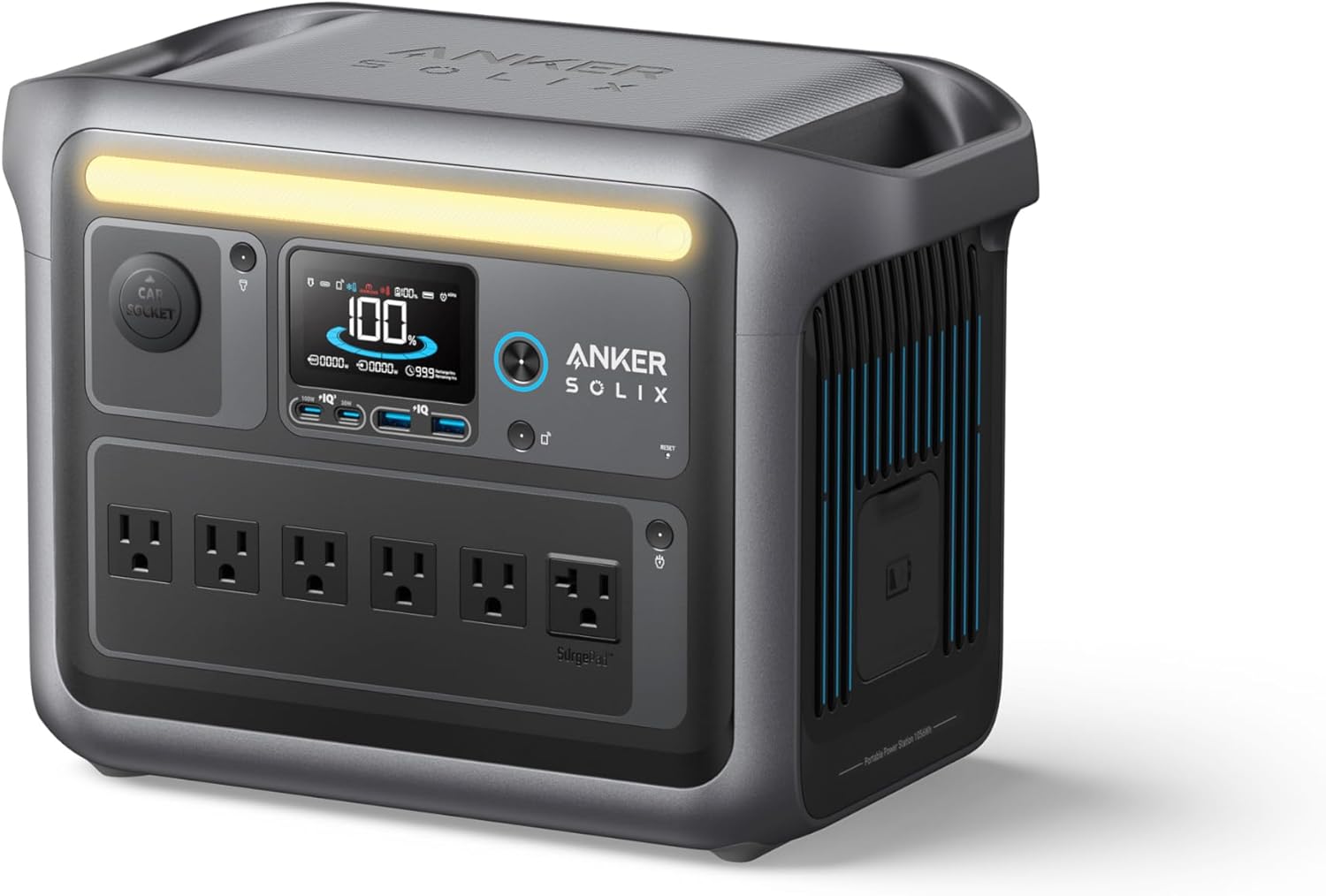
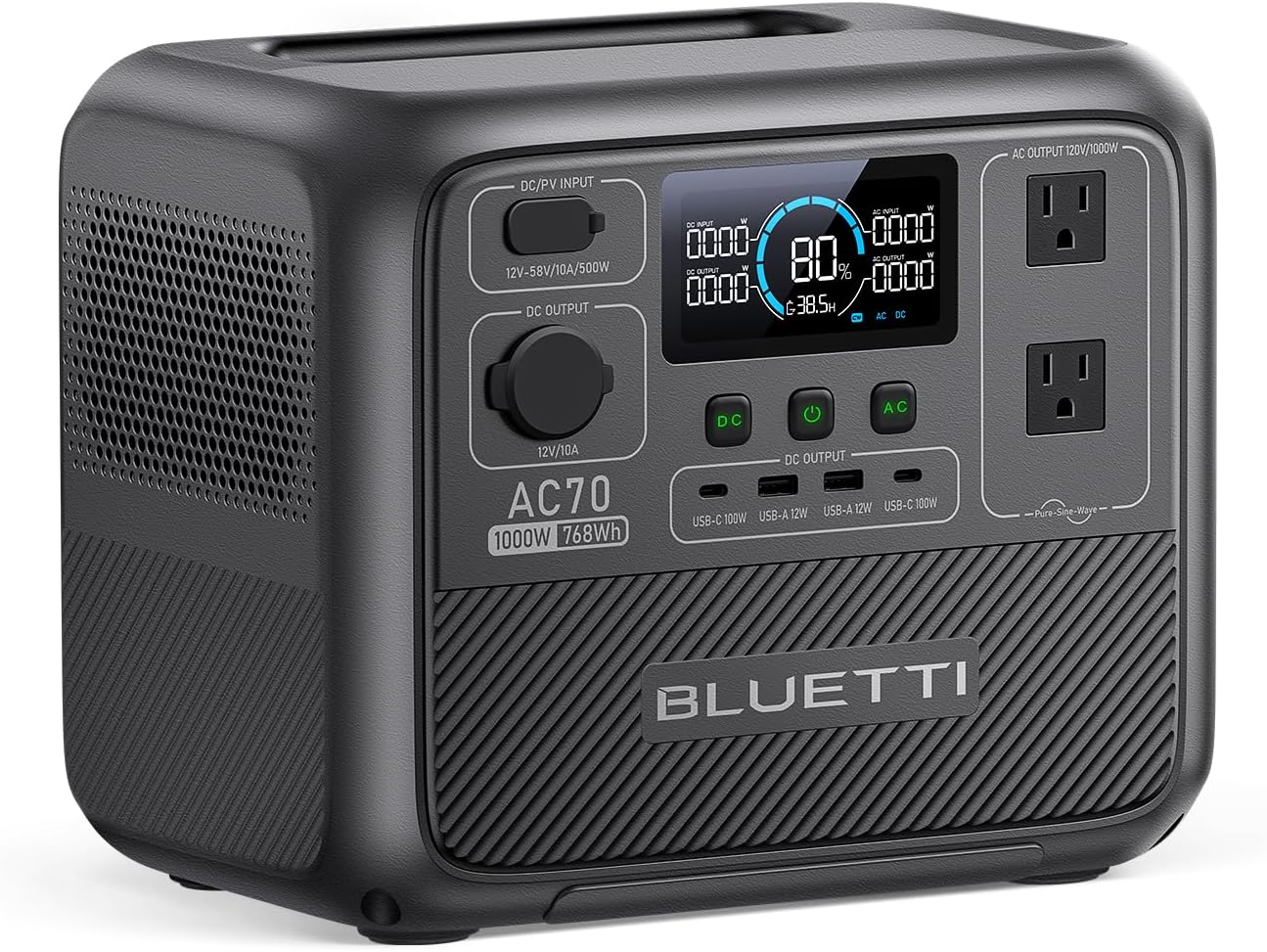
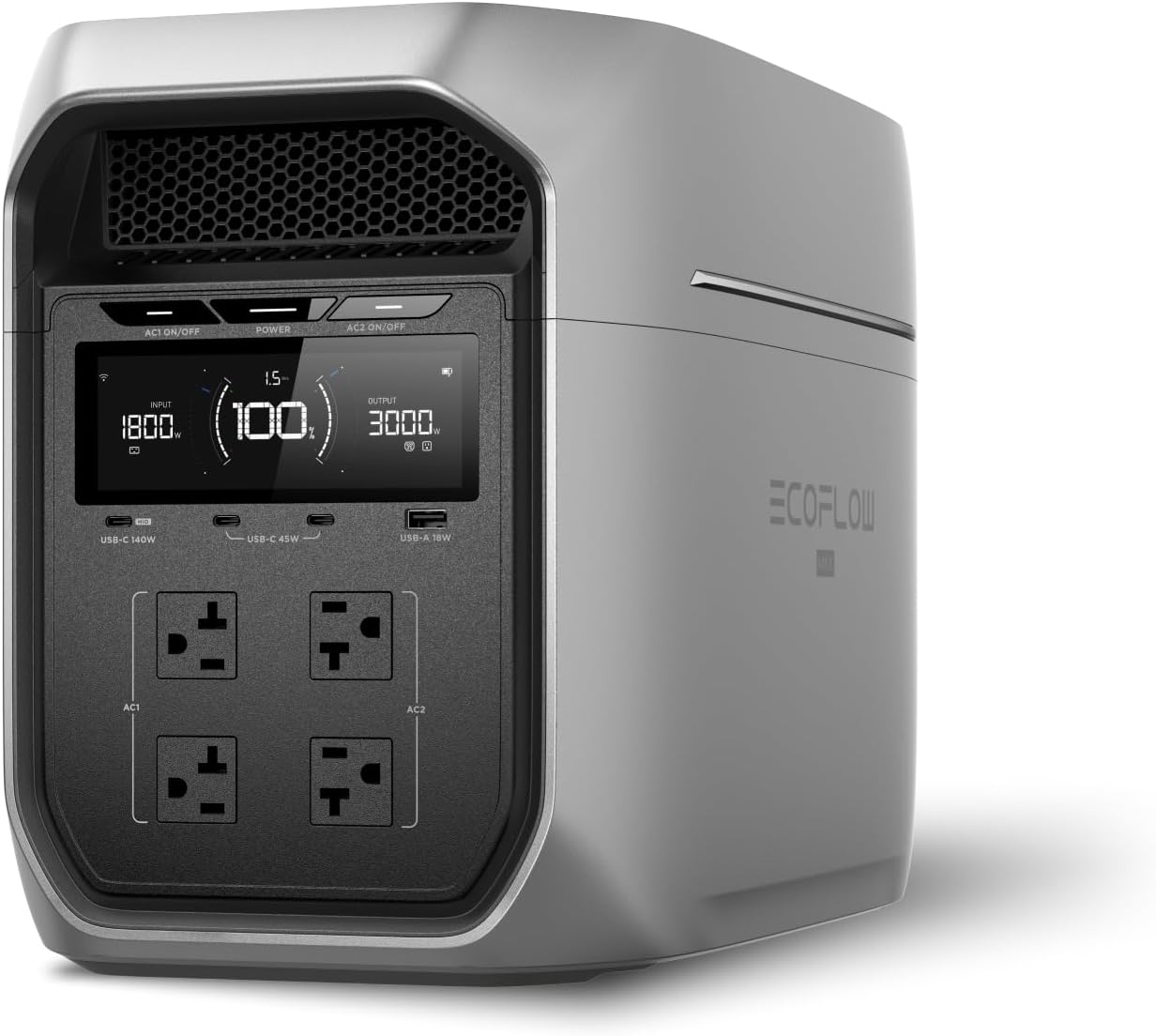
EcoFlow
EcoFlow DELTA 3 Plus
EcoFlow's newest mid-range flagship. The DELTA 3 Plus improves on the Delta 2 with faster charging, LiFePO4 chemistry, and UPS functionality — all at a lower price.
Frequently Asked Questions
How much does it cost to fully charge an electric car in 2026?
At the US average residential rate of $0.16/kWh, charging a typical 75 kWh EV battery costs about $12 from empty. Given most EV owners rarely let it drop below 10% and rarely charge above 80%, real-world charge sessions typically cost $5-10. Over a month of daily commuting (1,000 miles), home charging runs $30-60 for most drivers. At my Texas rate ($0.13/kWh) and driving 18,000 miles per year, I spend about $520 on electricity. My neighbor's comparable ICE vehicle spends $2,100 on gas.
Are public EV chargers cheaper than gas?
At DC fast chargers (Electrify America, EVgo, Tesla Supercharger), public charging typically costs $0.30-0.55/kWh. For a 75 kWh battery, a full charge is $22-41 — similar to a half-tank of gas in a 30 MPG vehicle. For the specific comparison of per-mile cost: DC fast charging runs $0.08-0.13 per mile, while gas at $3.50/gallon runs about $0.12 per mile for a 30 MPG car. Home charging is dramatically cheaper (about $0.04 per mile) than both.
How long does a Level 2 home charger take to pay for itself?
A typical Level 2 charger installation costs $1,000-2,500 including the unit. Compared to exclusive public DC fast charging, home charging saves roughly $0.09 per mile — about $1,350 per year at 15,000 miles. Payback period: 1-2 years. Compared to Level 1 (standard outlet) charging, the financial savings are minimal — but Level 1 is impractically slow for most EVs, so Level 2 is really about convenience and charging speed rather than pure cost savings.
Ready to Buy? Here's What We Recommend
Based on our testing and this guide, these are the best options for most people: