Guide
How Long Do Portable Power Stations Last? (Battery Lifespan Explained)

TL;DR
LiFePO4 power stations last 8-15 years. Li-NMC models last 2-5 years. We explain cycle life, degradation, storage tips, and when to replace.
You’re spending $500 to $2,000 on a portable power station. Naturally, you want to know: how long before this thing dies?
The short answer is that modern LiFePO4 power stations last 8-15 years with regular use. But the real answer depends on battery chemistry, how you use it, and how you store it. Here’s everything that determines your power station’s lifespan — and how to maximize it.
Battery Cycle Life: The Number That Matters Most
Battery lifespan is measured in charge cycles, not years. One cycle equals one complete discharge and recharge of the battery’s full capacity.
Here’s the critical difference between the two main battery chemistries:
| Battery Type | Rated Cycle Life | Years (Daily Use) | Years (Weekly Use) |
|---|---|---|---|
| LiFePO4 | 3,000-6,000 cycles | 8-16 years | 55-115 years* |
| Li-NMC | 500-2,500 cycles | 1.5-7 years | 10-48 years* |
*Theoretical. Other components will fail before the battery does at weekly use rates.
The gap is enormous. A LiFePO4 station at 3,000 cycles outlasts an Li-NMC station at 500 cycles by 6x. This is why virtually every power station released in 2025-2026 uses LiFePO4. For a complete comparison of these chemistries, see our LiFePO4 vs NMC battery guide.
Current LiFePO4 cycle ratings for popular models:
- Bluetti AC70 — 3,000+ cycles
- EcoFlow DELTA 3 Plus — 4,000+ cycles
- Jackery Explorer 2000 Plus — 4,000+ cycles
- Bluetti Elite 200 V2 — 6,000+ cycles
What Actually Counts as a “Cycle”
This is where people get confused. A cycle isn’t “one time you plugged it in.” It’s one full discharge of the battery’s total capacity, accumulated over time.
If you use 25% of your battery today, recharge it, use 25% tomorrow, recharge it, use 25% the next day, and recharge — that’s only 0.75 of a cycle after three days of use. You haven’t hit one full cycle until you’ve discharged a total of 100% capacity (cumulative).
This means light users — people who charge their phones and run a few lights on camping trips — might only put 20-30 full cycles on their station per year. At that rate, even a 3,000-cycle battery lasts effectively forever. The battery will likely outlive the electronics, ports, and physical enclosure.
Depth of Discharge: How Low You Drain Matters
How deeply you discharge your battery each time directly affects its total lifespan.
Shallow discharges are gentler. If you consistently only use 50% of your battery before recharging, each half-discharge puts less stress on the cells than a full 0-100% cycle. LiFePO4 batteries are more tolerant of deep discharges than Li-NMC, but the principle still applies.
Practical guidance:
- 80% depth of discharge (DOD): Ideal balance of usable capacity and longevity
- 100% DOD regularly: Still fine for LiFePO4, but will reduce total cycle count by 10-20%
- Draining to absolute zero frequently: Avoid this. Running a battery to 0% and leaving it there is the fastest way to damage lithium cells
Most modern power stations automatically shut off at 2-5% to protect against deep discharge damage. Don’t override this.
Temperature: The Silent Battery Killer
Extreme temperatures degrade batteries faster than heavy use. Here’s what the research shows:
Optimal operating range: 50-86°F (10-30°C) Acceptable range: 32-113°F (0-45°C) Damaging range: Below 32°F or above 113°F
A power station stored in a hot garage (regularly hitting 100°F+) will degrade 2-3x faster than one kept indoors at room temperature. Similarly, charging in sub-freezing temperatures can permanently damage lithium cells. Some stations like the EcoFlow DELTA 3 Plus have self-heating features that enable cold-weather charging, but most do not.
The takeaway: Store your power station indoors, in a climate-controlled space. Don’t leave it in your car trunk during summer or your unheated garage during winter.
Real-World Longevity: What to Actually Expect
Here’s what different usage patterns look like in practice:
Weekend camper (50-100 cycles/year): A 3,000-cycle LiFePO4 station lasts 30-60 years on paper. In reality, expect 10-15 years before other components (screens, ports, inverters) need attention. The battery itself won’t be the limiting factor.
Emergency backup (5-20 cycles/year): If you mainly keep your station charged for outages, it lasts essentially indefinitely in terms of battery cycles. Calendar aging (gradual degradation from sitting) becomes more relevant — but LiFePO4 has much lower calendar aging than Li-NMC. Expect 12-15+ years.
Daily user (300-365 cycles/year): This is the scenario where cycle life actually matters. A 3,000-cycle station lasts about 8 years. A 4,000-cycle station like the EcoFlow DELTA 3 Plus lasts 11 years. A 6,000-cycle station like the Bluetti Elite 200 V2 lasts 16+ years.
Storage Tips to Maximize Lifespan
If your power station sits unused for weeks or months between uses, proper storage makes a real difference.
Store at 50-80% charge. Lithium batteries degrade fastest at full charge and empty. The sweet spot is around 60%. If your station has a storage mode, use it — it’ll maintain the ideal charge level automatically.
Recharge every 3-6 months. Even in storage, batteries slowly self-discharge. LiFePO4 loses about 2-3% per month. If the battery drains below safe levels during storage, it can suffer permanent capacity loss. Set a calendar reminder to top it up.
Keep it cool and dry. A closet shelf at room temperature is ideal. Avoid attics, garages, and vehicles where temperatures fluctuate. Humidity isn’t a major concern for the battery itself, but it can corrode ports and electronics over time.
Disconnect everything. Even idle connections can create small parasitic drains. Unplug all cables and turn off the station’s inverter and DC outputs before storage. For more detailed care instructions, see our power station maintenance guide.
Signs Your Battery Is Degrading
Here’s how to tell when your power station is approaching end-of-life:
- Shorter runtimes. The clearest sign. If your station used to run your CPAP for two nights and now barely makes it through one, the battery has lost capacity.
- Faster percentage drops. The battery meter drains noticeably faster under the same loads.
- Premature shutoffs. The station turns off at 10-15% instead of the normal 2-5% cutoff — the battery management system is compensating for weak cells.
- Longer charge times. The battery takes significantly longer to reach full charge or never quite reaches 100%.
- App shows reduced health. Many smart stations (EcoFlow, Bluetti, Jackery) display battery health percentage in their companion apps.
When to Replace
“End of rated life” at 80% capacity doesn’t mean the station is dead. It means a 1000Wh station now effectively holds 800Wh. For many users, that’s still perfectly functional. You might get several more years of use below the 80% threshold.
Replace your power station when:
- Runtime no longer meets your minimum needs
- The station shuts off unexpectedly during use
- Charging becomes unreliable or the station won’t hold a charge
- Physical damage or swelling of the battery enclosure (stop using immediately)
When it’s time, recycle your old station at a lithium battery recycling facility. Never put lithium batteries in regular trash.
The Bottom Line
Buy a LiFePO4 power station, store it properly, and it will last you a decade or more. The battery chemistry revolution has turned power stations from disposable gadgets into long-term investments. Browse our complete power station lineup to find a model with the cycle life that matches your usage.
Related Reading
- LiFePO4 vs NMC Batteries — the complete battery chemistry comparison
- Power Station Maintenance Tips — how to keep your station running at peak performance
- Best Portable Power Stations 2026 — our top picks, all with LiFePO4 batteries
- Are Portable Power Stations Worth It? — the full cost-benefit analysis
Recommended Power Stations
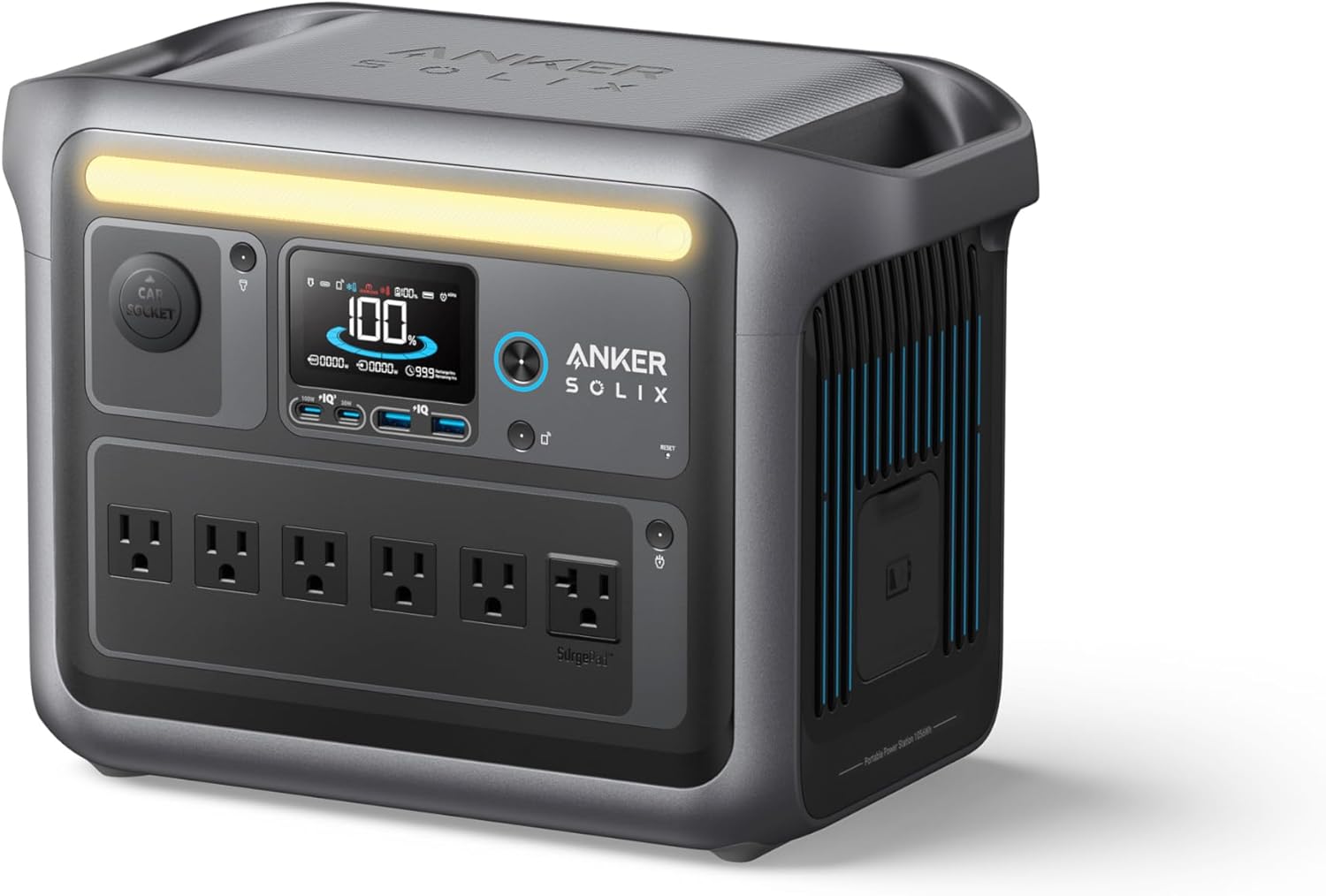
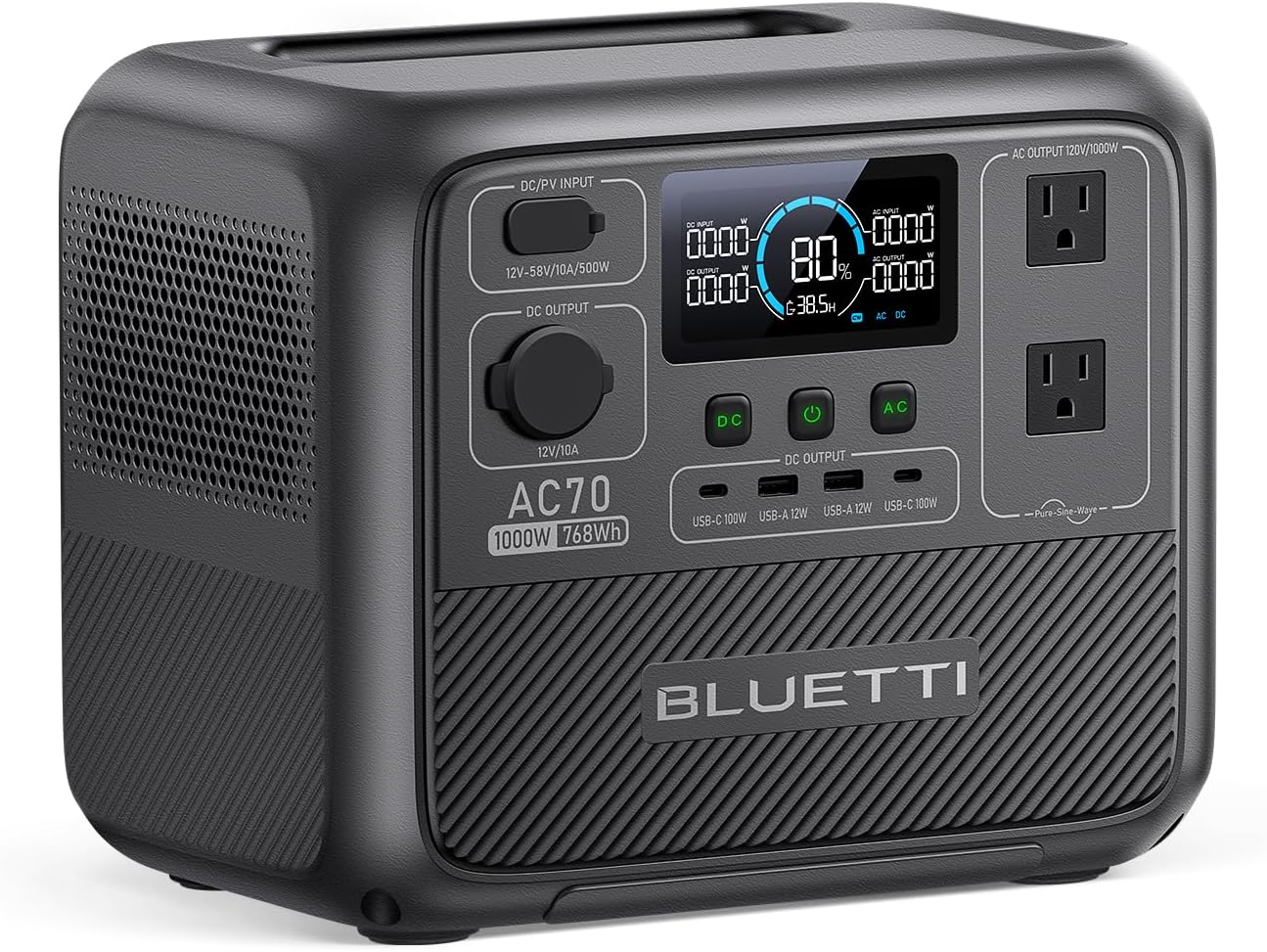
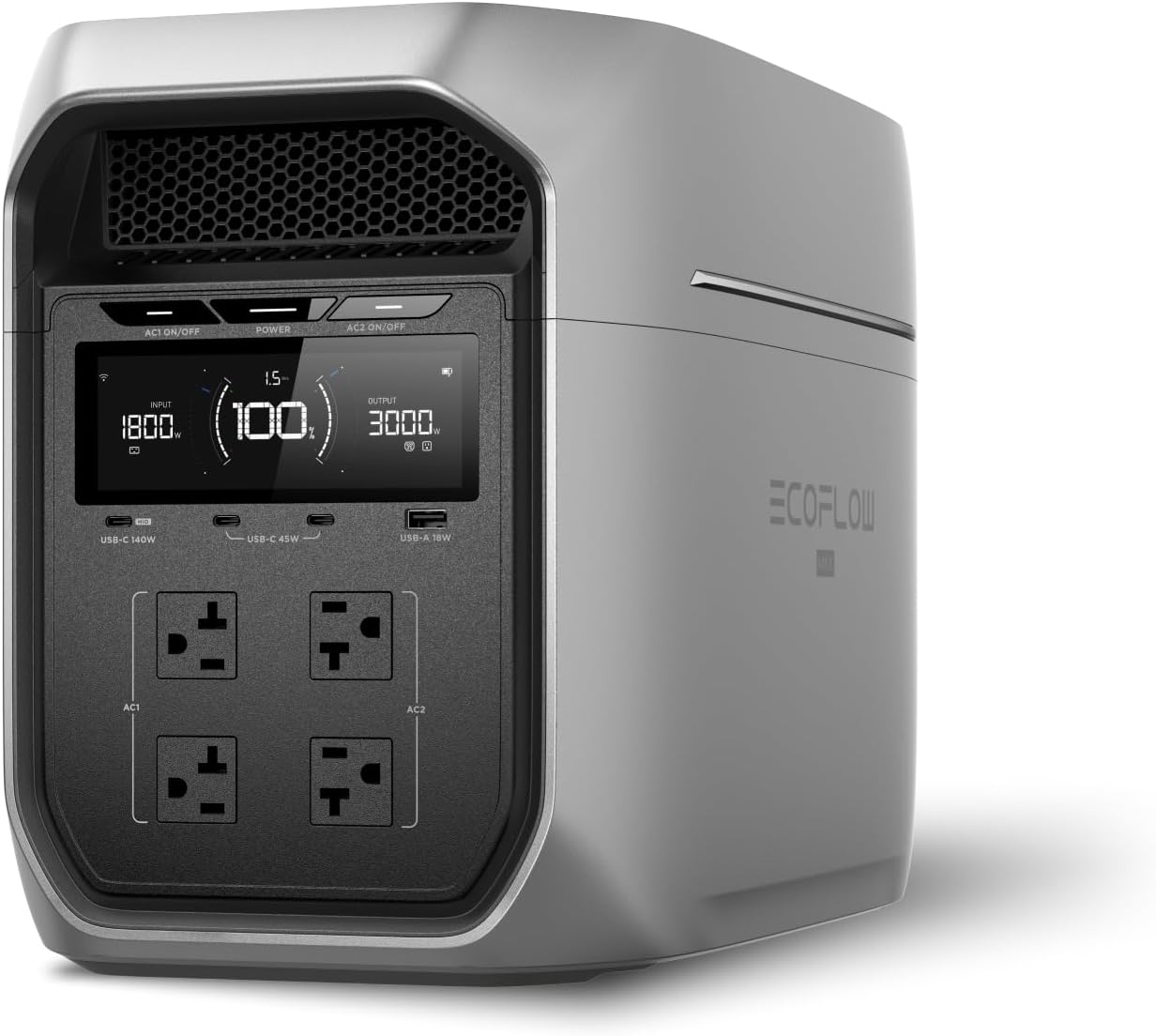
EcoFlow
EcoFlow DELTA 3 Plus
EcoFlow's newest mid-range flagship. The DELTA 3 Plus improves on the Delta 2 with faster charging, LiFePO4 chemistry, and UPS functionality — all at a lower price.
Frequently Asked Questions
How many years does a portable power station last?
A LiFePO4 power station lasts 8-15+ years with regular use. An Li-NMC station lasts 2-7 years. This is based on battery cycle life: LiFePO4 offers 3,000-6,000 cycles while Li-NMC offers 500-2,500 cycles. One cycle equals one full charge and discharge. After reaching rated cycles, the battery still works but holds only about 80% of original capacity.
What counts as one battery cycle on a power station?
One cycle equals one full discharge and recharge of the total battery capacity. This doesn't mean one plug-in session. If you use 50% of capacity today and 50% tomorrow, then recharge both times, that counts as one cycle total — not two. Partial charges and discharges are combined to calculate cycles.
How do I know if my power station battery is degrading?
Signs of battery degradation include: noticeably shorter runtimes than when new, the battery percentage dropping faster under the same loads, the station shutting off before reaching 0%, and longer charge times. Many smart stations show battery health in their companion app. If your runtime has dropped by 20% or more, your battery has reached end-of-rated-life.
Should I store my power station fully charged or empty?
Neither. Store your power station at 50-80% charge in a cool, dry place (60-77°F / 15-25°C). Storing at 100% or 0% accelerates degradation. Recharge every 3-6 months during long-term storage to prevent the battery from draining below safe levels. Avoid storing in garages or cars where temperatures swing between extremes.
Ready to Buy? Here's What We Recommend
Based on our testing and this guide, these are the best options for most people: