Guide
Portable Power Station vs. Solar Generator: What's the Difference?

TL;DR
Power station vs. solar generator — they're mostly the same thing. We explain the marketing, when bundling matters, and whether to buy separate.
Search for “solar generator” on Amazon and you’ll find the exact same products that come up when you search for “portable power station.” That’s not a coincidence. In most cases, they’re the same thing — just packaged and marketed differently.
Here’s the real breakdown so you know exactly what you’re buying and whether the “solar generator” label should affect your purchasing decision.
They’re the Same Product (Mostly)
A portable power station is a rechargeable battery with an inverter, outlets, and a charge controller built in. You charge it from a wall outlet, car, or solar panel. You plug in devices. That’s it.
A solar generator is a portable power station bundled with one or more solar panels. Sometimes the term refers to just the station itself — marketers use “solar generator” because it sounds more capable and eco-friendly than “battery with outlets.”
There is no separate product category called “solar generators.” There’s no fundamentally different technology. When Jackery sells the Explorer 1000 v2 as a “Solar Generator 1000,” they’re selling the same Jackery Explorer 1000 v2 power station — just with a solar panel included in the box.
Why the “Solar Generator” Name Exists
It’s marketing, and it’s effective for a few reasons:
Keyword targeting. Millions of people search “solar generator” when they’re looking for off-grid power. Brands name their bundles accordingly to capture that traffic.
Differentiation from gas generators. Calling it a “solar generator” positions it as the clean, quiet, zero-emission alternative to a traditional gas generator. That framing helps justify the price premium over cheap gas models.
Bundle simplification. Selling a station + panel as a single “solar generator” package makes the buying decision easier for customers who don’t want to research compatibility. One product, one purchase, one box.
None of this is deceptive, exactly. But it does create confusion when people think “solar generator” means something fundamentally different from “power station.”
When the “Solar Generator” Label Actually Matters
The label matters in one specific scenario: when the solar panel is included in the package.
If you see “Solar Generator 1000” and the listing includes a 1000Wh power station plus a 200W solar panel, you’re getting both pieces of hardware. That’s genuinely useful — especially if you want a matched, compatible setup without researching connector types and voltage ranges.
If you see “Solar Generator 1000” and the listing is just the power station by itself (no panel included), the “solar” part just means it’s solar-compatible. Which every power station is. That’s like calling a phone “WiFi Phone” — technically accurate, but not a distinguishing feature.
Always check what’s in the box. Don’t assume “solar generator” means a solar panel is included.
Bundle vs. Buying Separately: The Price Math
Let’s look at real numbers. Here’s what typical bundles cost compared to buying the same components individually:
| Setup | Bundle Price (Approx.) | Individual Price | Savings |
|---|---|---|---|
| Jackery Explorer 1000 v2 + SolarSaga 200W | ~$1,099 | ~$1,298 ($799 + $499) | ~$199 (15%) |
| EcoFlow DELTA 3 Plus + 220W Panel | ~$949 | ~$1,098 ($649 + $449) | ~$149 (14%) |
Bundles typically save 10-20%, which is meaningful. That’s $100-200 in your pocket for an equivalent setup.
But here’s the catch: you’re locked into the brand’s own solar panel, and brand-matching isn’t always the best deal.
When to Buy the Bundle
You’re new to portable power. A bundle eliminates compatibility guesswork. The panel and station are guaranteed to work together, connectors match, and you have a single brand for warranty support.
The price is right. If the bundle discount brings the total below what you’d pay for a comparable third-party panel plus the station, take the deal. During sales events (Prime Day, Black Friday), bundle discounts can hit 25-30%.
You want one brand’s ecosystem. If you already own Jackery or EcoFlow gear and want everything to match, the brand bundle makes sense. See our best solar panel + power station combos for current top picks.
When to Buy Separately
You want the best panel for the money. Third-party panels from brands like Renogy and BougeRV often cost less per watt than brand-name options while performing equally well. A Bluetti PV200 at $399 or a Renogy 200W at $150 with standard MC4 connectors works with nearly any station. Our solar panel rankings cover the full field.
You already own a panel. If you’ve got a 200W panel from a previous setup, you don’t need another one. Just buy the station and use the panel you have (check our compatibility guide to verify connector and voltage match).
The bundle includes a panel you don’t need. Some bundles pair a high-capacity station with a small 100W panel that’s too underpowered to recharge it efficiently. A 100W panel on a 2000Wh station takes 20+ hours of direct sun for a full charge. You’d want 200-400W of solar for a station that size. Buying separately lets you right-size the panel.
You want panels from a different brand. The EcoFlow DELTA 3 Plus is excellent. EcoFlow’s panels are good but not the cheapest. Pairing the DELTA 3 Plus with a more affordable third-party panel can save you money while maintaining performance.
Quick Terminology Guide
To cut through the marketing noise, here’s what these terms actually mean:
- Portable power station — a rechargeable battery with built-in inverter and outlets. Charges from wall, car, or solar.
- Solar generator — a power station bundled with solar panels. Sometimes used to describe just the station. Check the listing.
- Solar panel — converts sunlight to DC electricity. Plugs into a power station’s solar input.
- Battery generator — another marketing term for a portable power station. No fuel, no engine.
- Inverter generator — a gas-powered generator with a built-in inverter for clean sine wave output. Completely different technology from a power station.
If you’re comparing a “solar generator” to a gas generator, you’re comparing a battery with optional solar charging to a fuel-burning engine. They’re fundamentally different products with different strengths. For that comparison, see our power stations vs. generators category pages.
The Bottom Line
“Solar generator” and “portable power station” are, in practice, the same product. The difference is packaging and marketing. Don’t pay a premium just because something says “solar” in the name — and don’t dismiss a product because it doesn’t.
If you want an all-in-one solution with guaranteed compatibility, buy a bundle. If you want the best value and flexibility, buy the station and panel separately. Either way, you end up with the same thing: a battery that stores energy, with a solar panel that collects it.
Start with the station that fits your capacity needs, then add solar on your terms. Browse our power station rankings and solar panel rankings to find the best components for your setup.
Related Reading
- Best Solar Panel + Power Station Combos 2026 — top bundles compared
- Solar Panel + Power Station Compatibility Guide — how to verify any panel works with any station
- What Can a 1000Wh Power Station Actually Run? — real-world runtimes to help you size your setup
- EcoFlow DELTA 3 Plus Review — our top-rated 1000Wh station
Recommended Power Stations
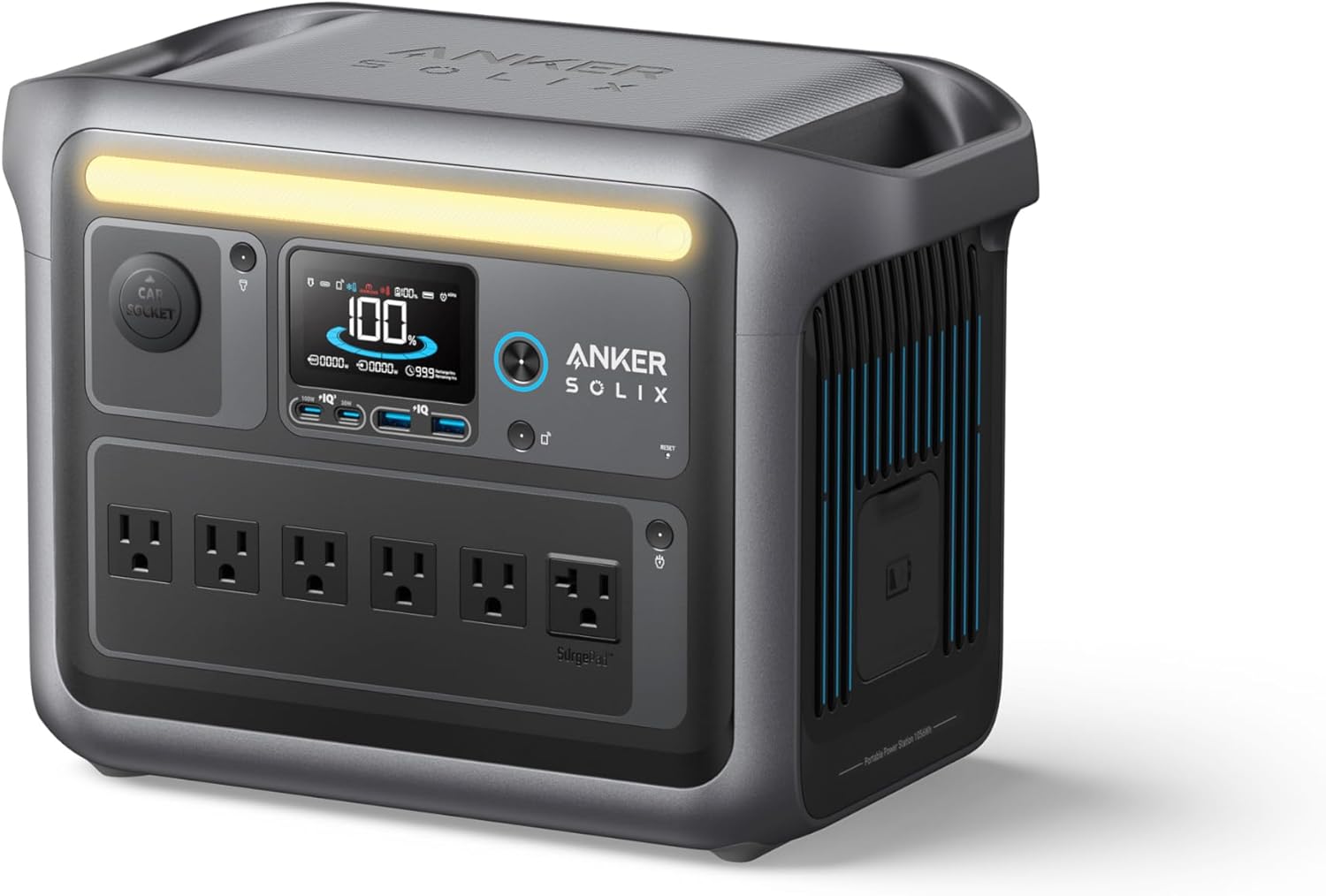
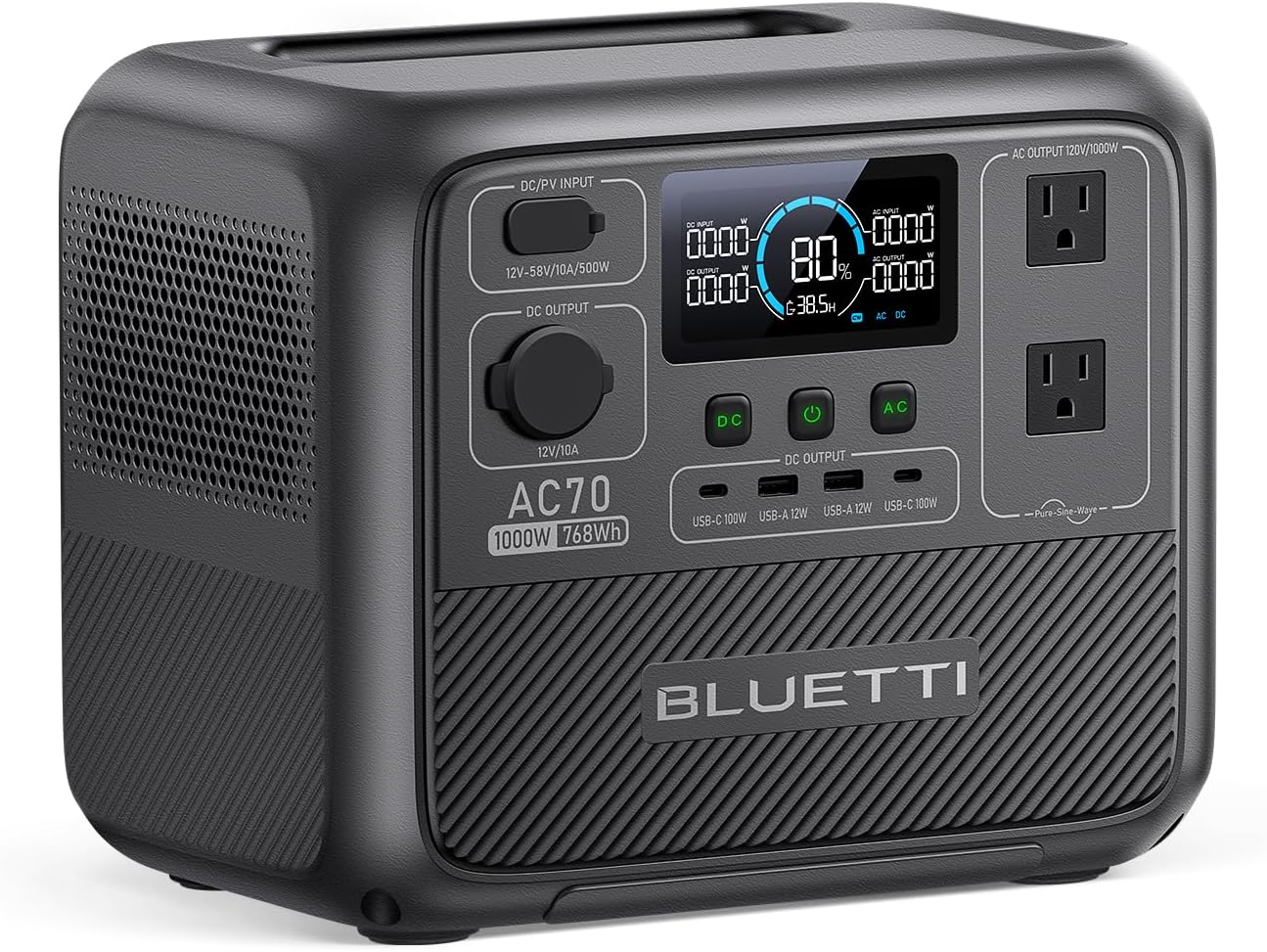
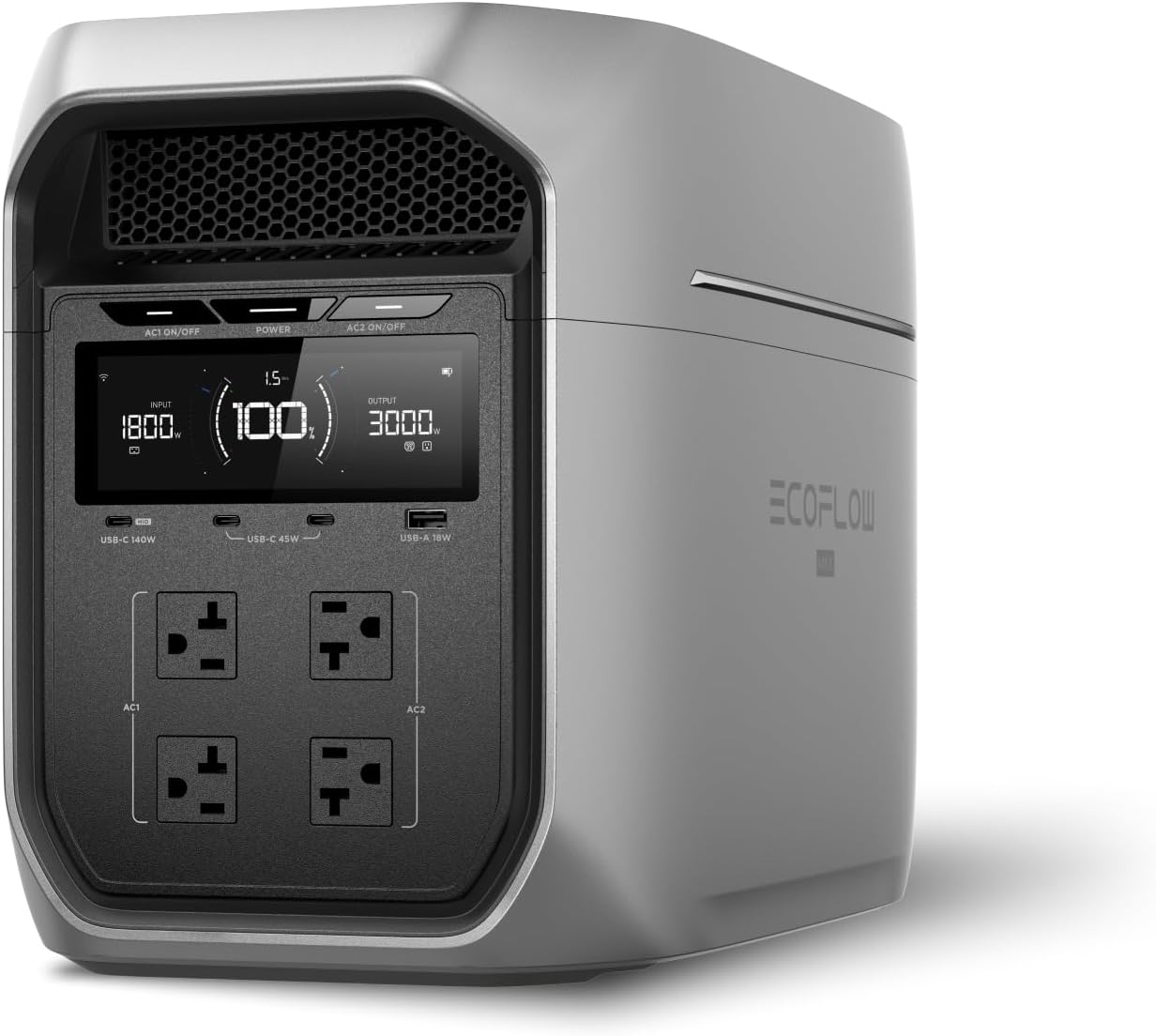
EcoFlow
EcoFlow DELTA 3 Plus
EcoFlow's newest mid-range flagship. The DELTA 3 Plus improves on the Delta 2 with faster charging, LiFePO4 chemistry, and UPS functionality — all at a lower price.
Frequently Asked Questions
Is a solar generator the same as a portable power station?
Essentially, yes. A 'solar generator' is a marketing term that almost always refers to a portable power station bundled with one or more solar panels. The power station itself is identical whether sold as a standalone unit or as part of a 'solar generator' bundle. The only difference is what's included in the box.
Do solar generators produce power from the sun?
Not on their own. A 'solar generator' is a battery-based power station that can be charged by a separate solar panel. The station stores and delivers the energy; the solar panel collects it. Without the solar panel connected, a solar generator works exactly like any other portable power station — it runs on its stored battery charge.
Is it cheaper to buy a solar generator bundle or buy a power station and solar panel separately?
Bundles typically save 10-20% compared to buying the same components individually. For example, a Jackery Explorer 1000 v2 plus a SolarSaga 200W panel might cost $1,298 individually but $1,099 as a bundle. However, buying separately lets you choose the best panel for your needs rather than being locked into the brand's own panel, which may not offer the best value.
Should I buy a solar generator bundle or build my own setup?
Buy the bundle if you want simplicity, guaranteed compatibility, and a single warranty contact. Buy separately if you want the best performance per dollar, already own a panel, or need a different panel wattage than what's offered in the bundle. Third-party panels with standard MC4 connectors work with most power stations and often cost less per watt.
Ready to Buy? Here's What We Recommend
Based on our testing and this guide, these are the best options for most people: