Buying Guide
Solid-State vs LiFePO4 Batteries: Which Power Station Battery Tech Is Better?

TL;DR
Solid-state batteries promise lighter weight and higher energy density, but LiFePO4 delivers proven longevity and lower cost. We break down the real differences for portable power station buyers.
The portable power station industry has been dominated by two battery chemistries for the past five years: lithium-ion NMC (nickel-manganese-cobalt) and LiFePO4 (lithium iron phosphate). In 2025, a third contender entered the ring: solid-state batteries. The Yoshino B2000 SST became the first commercially available power station to use solid-state cells, and it delivered on the core promise — 1,326Wh in a 31 lb package that is lighter than any LiFePO4 competitor of similar capacity.
But is solid-state actually better than LiFePO4? Or is it an expensive early-adopter technology that has not earned its price premium? Let us break down the real differences.
The Three Battery Technologies Explained
Lithium-Ion NMC (The Old Standard)
NMC batteries powered the first generation of portable power stations and still appear in budget units. They offer decent energy density but degrade relatively quickly — typically 500-800 cycles to 80% capacity. NMC cells also carry a higher risk of thermal runaway if damaged or improperly managed. Most reputable brands have moved away from NMC for new products. Read our LiFePO4 vs NMC deep dive for more.
LiFePO4 (The Current King)
LiFePO4 has become the default for quality power stations since 2023. The chemistry trades some energy density for dramatically better longevity (3,000-4,000+ cycles), superior thermal stability, and a flat discharge curve that delivers consistent voltage until the battery is nearly empty. Every major brand — EcoFlow, Anker, Jackery, Bluetti — now uses LiFePO4 in their flagship products.
Solid-State (The New Challenger)
Solid-state batteries replace the liquid electrolyte found in both NMC and LiFePO4 with a solid ceramic or polymer electrolyte. The theoretical advantages are compelling: 2-3x higher energy density, no flammable liquid to leak, wider temperature tolerance, and faster charging potential. Yoshino is currently the only brand shipping solid-state power stations to consumers.
Head-to-Head Comparison
| Metric | Solid-State (Yoshino B2000) | LiFePO4 (Best-in-Class) |
|---|---|---|
| Energy Density | ~42 Wh/lb | ~35-43 Wh/lb |
| Cycle Life | 2,500 cycles | 3,000-4,000+ cycles |
| Charge Speed | 55 min (1,326Wh) | 49-56 min (1,024Wh) |
| Weight (per kWh) | ~23.6 lbs/kWh | ~23-28 lbs/kWh |
| Safety | Excellent (no liquid electrolyte) | Excellent (stable chemistry) |
| Temperature Range | Wider operating range | Good, some models have self-heating |
| Cost per Wh | ~$0.90/Wh | $0.26-0.63/Wh |
| Track Record | ~2 years commercial | 10+ years proven |
| Expandable Options | None currently | Many models available |
Where Solid-State Wins
1. Weight
The Yoshino B2000 SST packs 1,326Wh into 31.3 lbs. To get similar capacity from LiFePO4, you are looking at the Segway Cube 2000 at 57.5 lbs or the Jackery 2000 v2 at 39.5 lbs (though the Jackery has 716Wh more capacity). On a pure weight-per-Wh basis, solid-state offers a meaningful advantage that matters for anyone who frequently carries their power station.
2. Unique Features
The B2000 SST includes a 15W wireless charging pad — a feature enabled partly by the compact battery design that frees up internal space. Solid-state’s higher energy density also allows for a more compact form factor at a given capacity.
3. Safety Profile
While LiFePO4 is already very safe, solid-state eliminates the liquid electrolyte entirely. There is no liquid to leak, no possibility of electrolyte decomposition, and no flammable material inside the battery cells. For buyers concerned about worst-case scenarios, solid-state offers a theoretical safety edge.
Where LiFePO4 Wins
1. Longevity
This is LiFePO4’s strongest card. At 4,000+ cycles, an EcoFlow DELTA 3 Plus or Anker SOLIX C1000 Gen 2 will outlast the B2000 SST’s 2,500 cycles by 60%. If you charge daily, that is the difference between ~7 years and ~11 years before hitting 80% capacity. For a device that costs $500+, longevity matters.
2. Value
The price gap is enormous. The Segway Cube 2000 delivers 2,048Wh for $539 ($0.26/Wh). The ALLWEI 1200W offers 1,008Wh for under $500 ($0.50/Wh). Even premium LiFePO4 units like the EcoFlow DELTA 3 Plus at $649 for 1,024Wh ($0.63/Wh) cost less per Wh than the Yoshino’s $0.90/Wh. LiFePO4 wins on value by a factor of 2-3x.
3. Ecosystem and Expandability
LiFePO4 power stations from EcoFlow, Jackery, and Segway offer expansion batteries that scale capacity by 2-12x. The Yoshino B2000 SST is a standalone unit with no expansion path. LiFePO4 also has a mature ecosystem of compatible solar panels, transfer switches, and accessories from multiple brands.
4. Proven Track Record
LiFePO4 has been deployed in millions of consumer devices over 10+ years. Long-term degradation patterns are well-understood. Solid-state in portable power is roughly 2 years old — we simply do not have the field data to know how these batteries will perform after 5-10 years of real-world use.
Our Recommendation: Buy LiFePO4 Today
For the vast majority of buyers in 2026, LiFePO4 is the right choice. It delivers better longevity, dramatically better value, proven reliability, and expandable ecosystems. Our top recommendations:
- Best overall 1kWh: Anker SOLIX C1000 Gen 2 — $470, 1,024Wh, 49-min charge
- Best value 2kWh: Segway Cube 2000 — $539, 2,048Wh, IP56 weatherproof
- Best premium 2kWh: Jackery Explorer 2000 v2 — $799, 2,042Wh, sub-30dB quiet
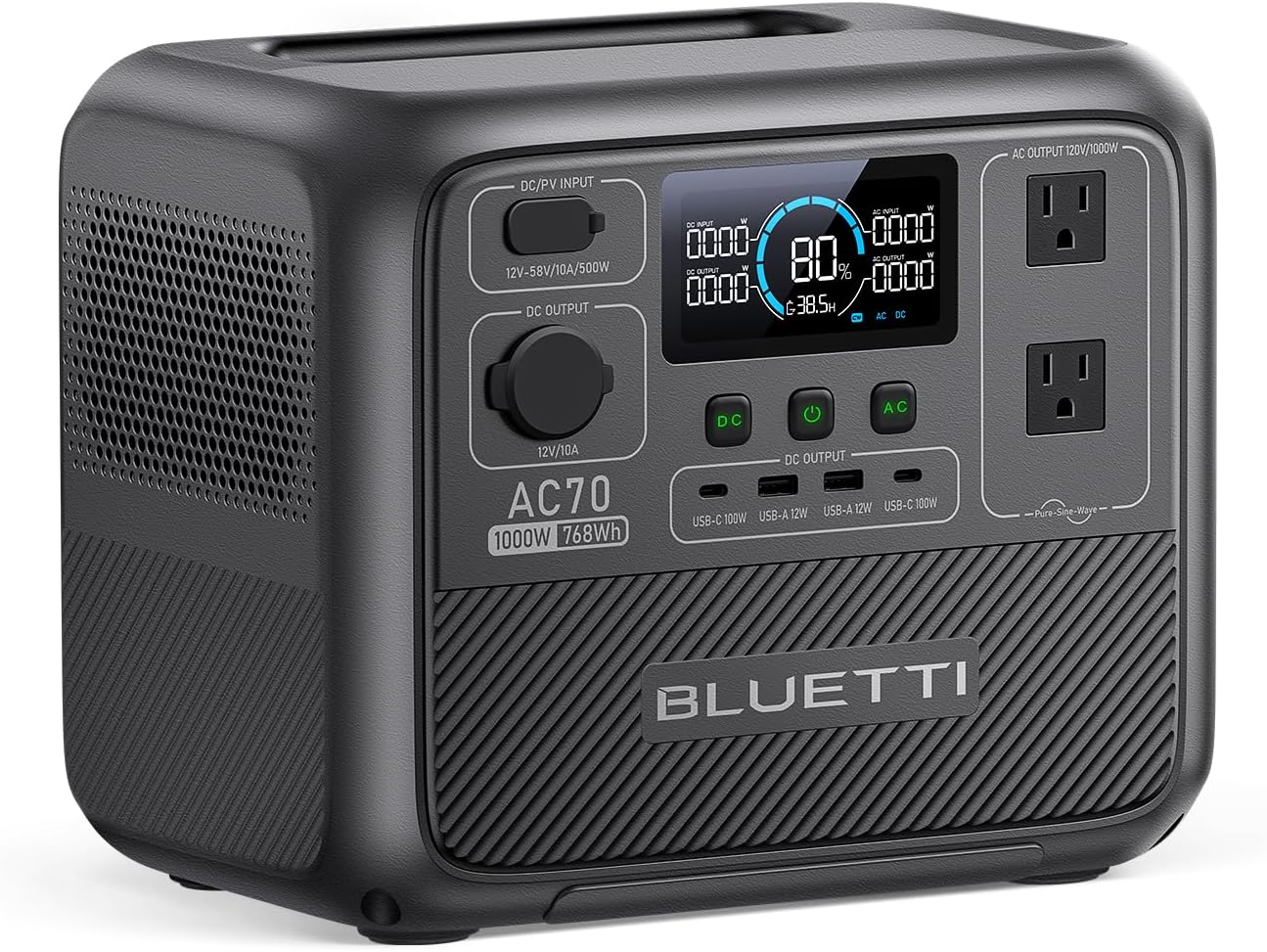
- Best budget: Bluetti AC2A — $149, 204Wh, LiFePO4 at the lowest price
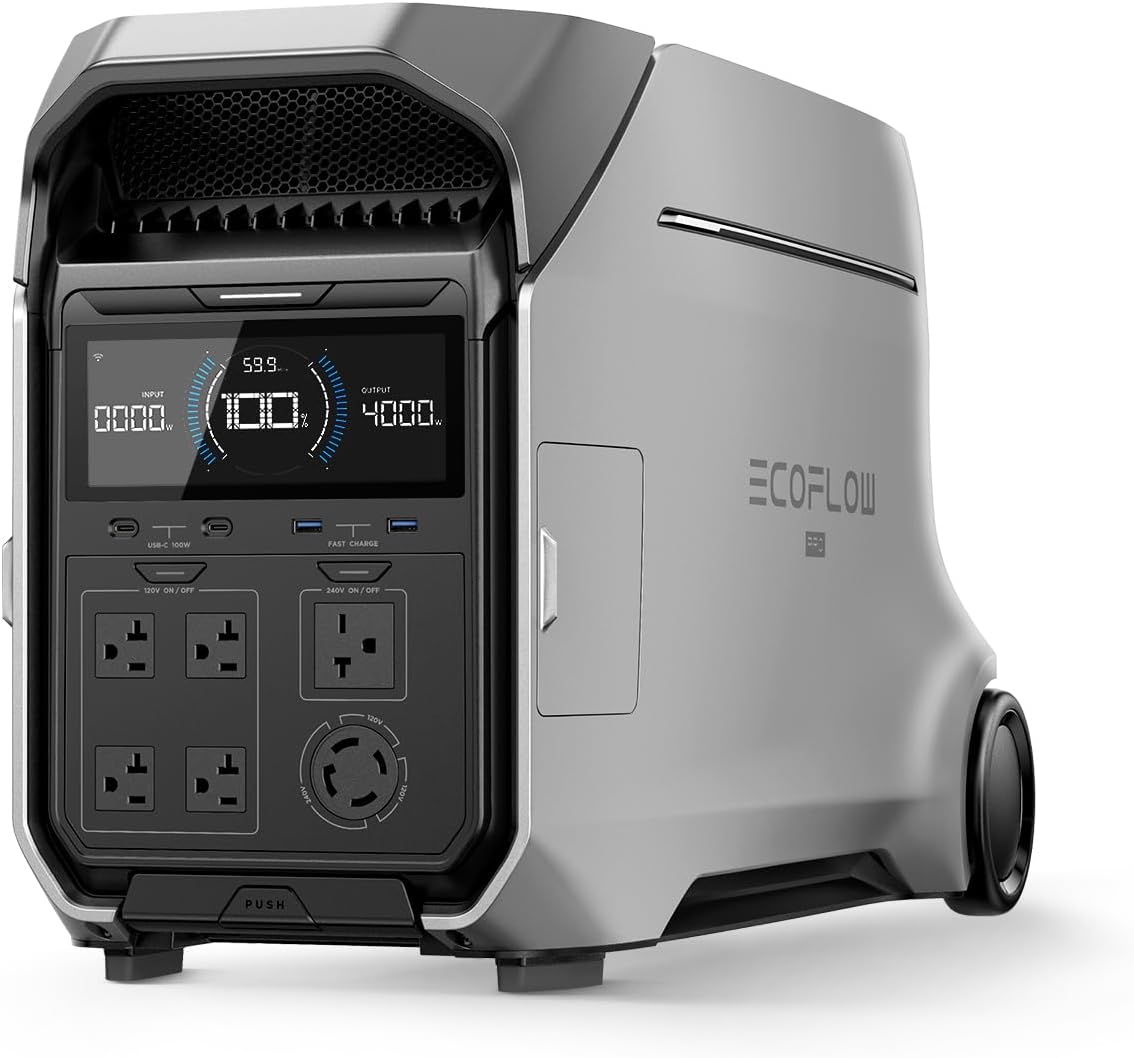
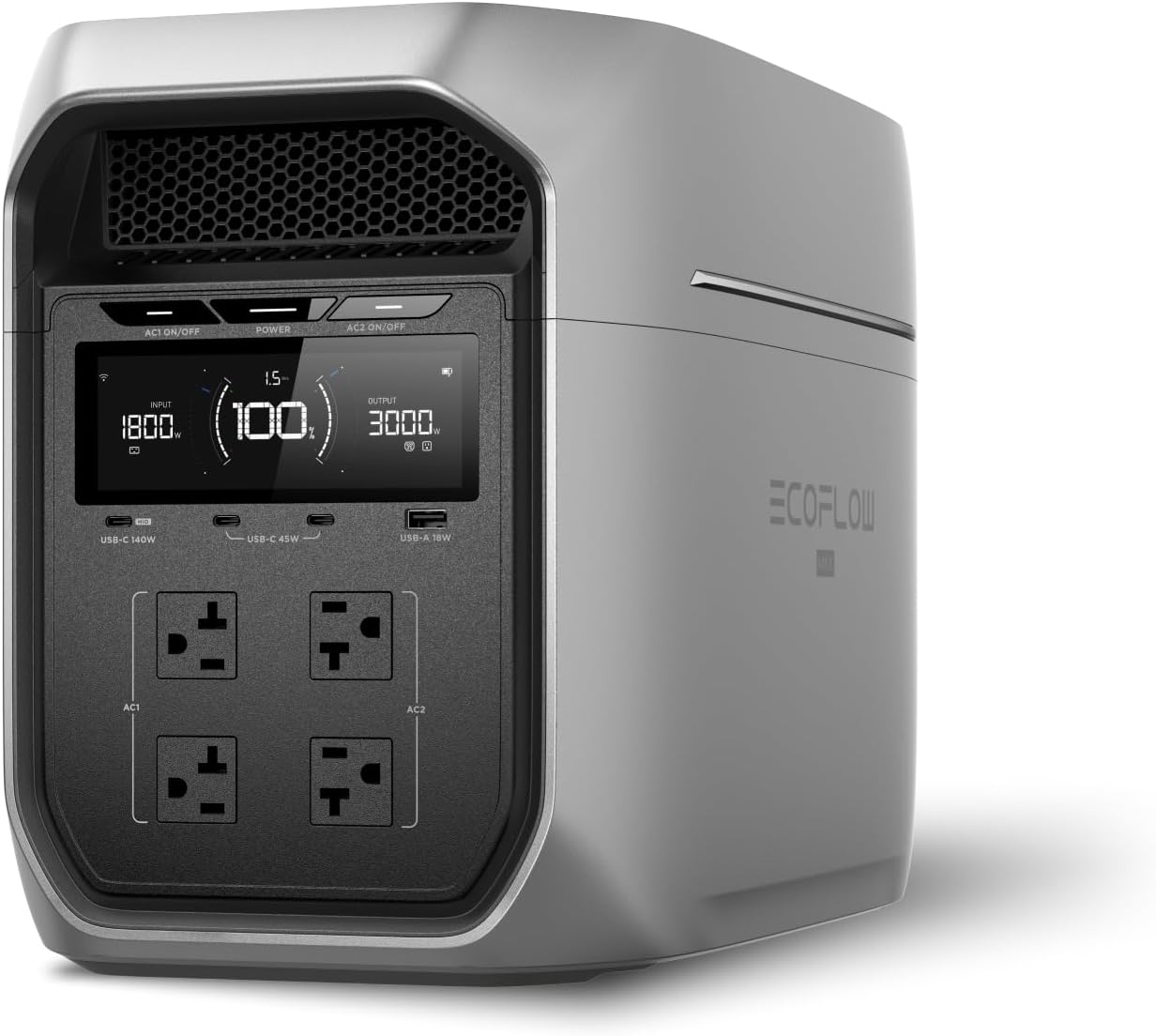
- Best mid-range: EcoFlow DELTA 3 Plus — $649, 1,024Wh, fastest charging + UPS
Buy the Yoshino B2000 SST if you are an early adopter who values cutting-edge technology, needs the lightest possible unit for its capacity, and accepts the premium price and shorter cycle life. Solid-state is the future — it is just not the present for most buyers.
What is Next for Solid-State?
Solid-state battery technology is the subject of massive R&D investment from Toyota, BMW, Samsung SDI, and QuantumScape. As manufacturing scales and costs drop, solid-state will likely match LiFePO4 on cycle life while maintaining its energy density advantage. Within 3-5 years, we expect solid-state power stations to become price-competitive with LiFePO4 — at which point, the weight advantage could make solid-state the new default. Yoshino’s B2000 SST is the proof of concept that solid-state works in consumer products. The next generation will prove whether it can compete on total value.
Related reading:
Recommended Power Stations
EcoFlow
EcoFlow DELTA 3 Plus
EcoFlow's newest mid-range flagship. The DELTA 3 Plus improves on the Delta 2 with faster charging, LiFePO4 chemistry, and UPS functionality — all at a lower price.
Frequently Asked Questions
Are solid-state batteries safer than LiFePO4?
Both are significantly safer than traditional lithium-ion NMC batteries. Solid-state batteries eliminate flammable liquid electrolyte, while LiFePO4 has inherently stable chemistry that resists thermal runaway. In practice, both technologies have excellent safety records in portable power stations.
How long do solid-state batteries last compared to LiFePO4?
Current solid-state power stations like the Yoshino B2000 SST are rated for 2,500 cycles to 80% capacity. LiFePO4 units from EcoFlow, Anker, and Jackery typically rate 3,000-4,000+ cycles. LiFePO4 has the longevity advantage today, though solid-state technology is expected to improve.
Why are solid-state power stations more expensive?
Solid-state battery manufacturing is still scaling up. The solid electrolyte materials and production processes are more costly than mature LiFePO4 chemistry. As production volumes increase and manufacturing techniques improve, prices are expected to come down — similar to how LiFePO4 prices dropped over the past 5 years.
Should I wait for solid-state batteries to mature before buying?
If you need a power station now, buy LiFePO4 — it is proven, affordable, and delivers excellent longevity. If you are an early adopter who values cutting-edge tech and light weight, the Yoshino B2000 SST is a viable option today. Solid-state will likely become mainstream in 3-5 years.
Can I use solar panels with solid-state battery power stations?
Yes. Solid-state power stations accept solar input just like LiFePO4 units. The Yoshino B2000 SST supports up to 600W of solar input, compatible with standard MC4-connector panels from any brand.
Ready to Buy? Here's What We Recommend
Based on our testing and this guide, these are the best options for most people: