Guide
Entering Hurricane Season: Final 24-Hour Checklist Before June 1 Official Start

TL;DR
Atlantic hurricane season officially starts June 1. Here is the final 24-hour emergency power checklist to charge, test, and stage your gear before the first named storm forms.
I am writing this on May 31. Tomorrow, June 1, the Atlantic hurricane season officially opens and runs through November 30. If you are reading this today, you are in the best possible position: you still have a full 24 hours of calm weather, stocked store shelves, and in-stock online inventory before the first named system has any chance to form.
I grew up doing tornado drills in Oklahoma and spent the last decade in Tennessee dealing with everything from straight-line winds to remnant tropical systems pushing inland. The single biggest mistake I see people make every year is treating June 1 as the day to start thinking about prep. By then the procrastination tax has already kicked in — power stations sell out, prices spike, and shipping stretches to weeks the moment a storm enters the Gulf. Today is the last quiet day. Let’s use it.
Why the Last 24 Hours Matter More Than You Think
Hurricane season does not wait for the calendar to be polite. We have seen pre-season and early-June systems form in recent years, and the historical record shows named storms appearing before June 1 more than a dozen times this century. The official start date is a planning anchor, not a guarantee that nothing happens before it.
Here is the practical reality I have watched play out every single year:
- The day a storm gets a name, Amazon listings for popular power stations flip to “Currently Unavailable” or jump 20-30% in price.
- Gas stations in the projected cone run dry within hours of a watch being issued.
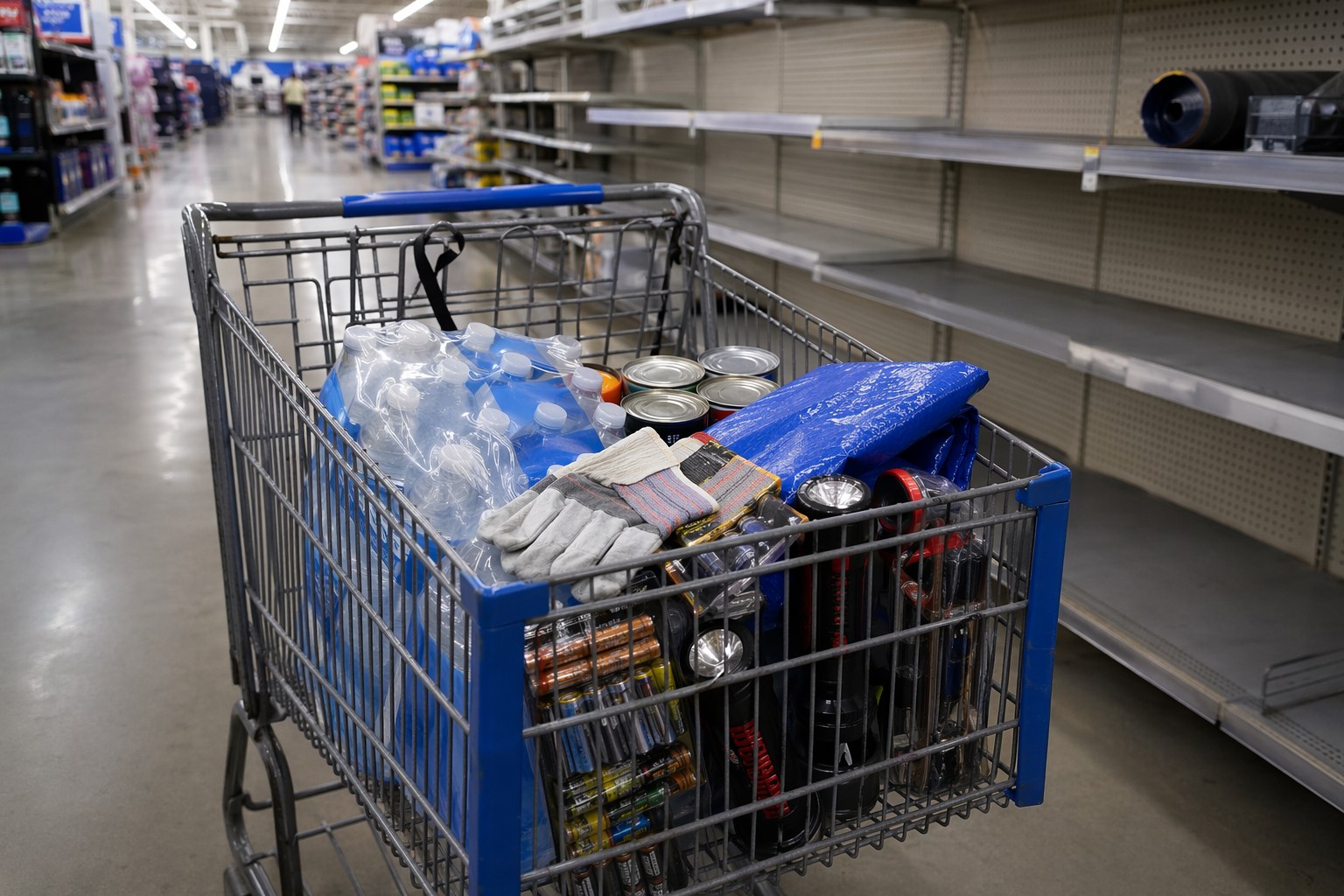
- Big-box stores sell out of water, batteries, and tarps by the time most people get off work.
None of that is happening today. Today the shelves are full, prices are normal, and you have time to actually test your gear instead of unboxing it in the dark during an outage. That is the entire point of a 24-hour checklist — not panic buying, but a calm, methodical sweep so you cross into June 1 genuinely ready.
The Final 24-Hour Power Checklist
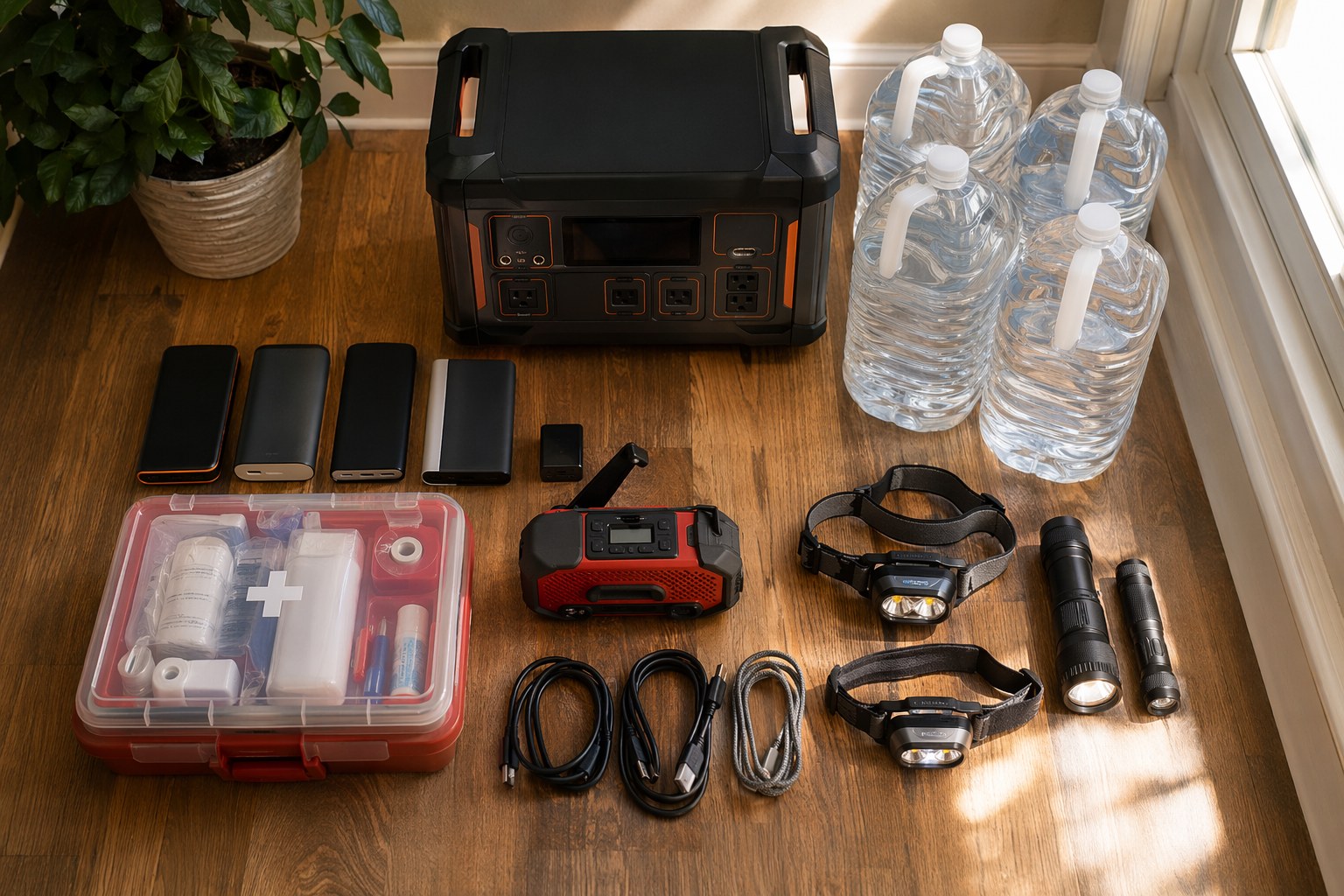
I have broken this into the order I actually do it in my own home, because sequence matters. Charging takes time, so you start the slowest items first and work through the rest while they top off.
Step 1: Charge Your Largest Battery First
Your power station is the longest-pole item. Most modern units recharge in one to four hours, so this is the very first thing you plug in. Get it to 100% and keep it there.
If you are shopping at the last minute, buy for the outage length your area actually sees. For most coastal households facing 2-5 day outages, a 2,000Wh-class unit is the sweet spot:
- Jackery Explorer 2000 Plus — roughly 2,042Wh, expandable up to 24kWh with extra batteries, which matters if your area has a history of week-long outages.
- Bluetti AC500 — a modular home-backup system pairing a 5,000W inverter with B300K batteries, ideal if you want to grow capacity over multiple seasons.
- EcoFlow DELTA Pro 3 — 4,096Wh out of the box, expandable to 48kWh, with 240V output for well pumps and larger circuits.
If you bought one in the off-season, don’t assume it held its charge. Lithium iron phosphate batteries self-discharge slowly, but a unit that has sat in a closet since February may be at 70-80%. Top it off now. If you need help matching capacity to your household, run through our emergency power kit guide — it breaks down exactly what each watt-hour tier actually runs.
Step 2: Top Off Every Power Bank, Phone, and Laptop
While the power station charges, work down the small-battery list. Every power bank in the junk drawer, every laptop, every phone, the kids’ tablets, the weather radio, and your headlamps. The goal is simple: enter June 1 with every battery in the house reading 100%.
This is the cheapest, fastest, highest-value thing you can do today, and it costs nothing. A house full of charged batteries buys you days of communication and light even before you touch the big power station.
Step 3: Plug In and Test Your UPS
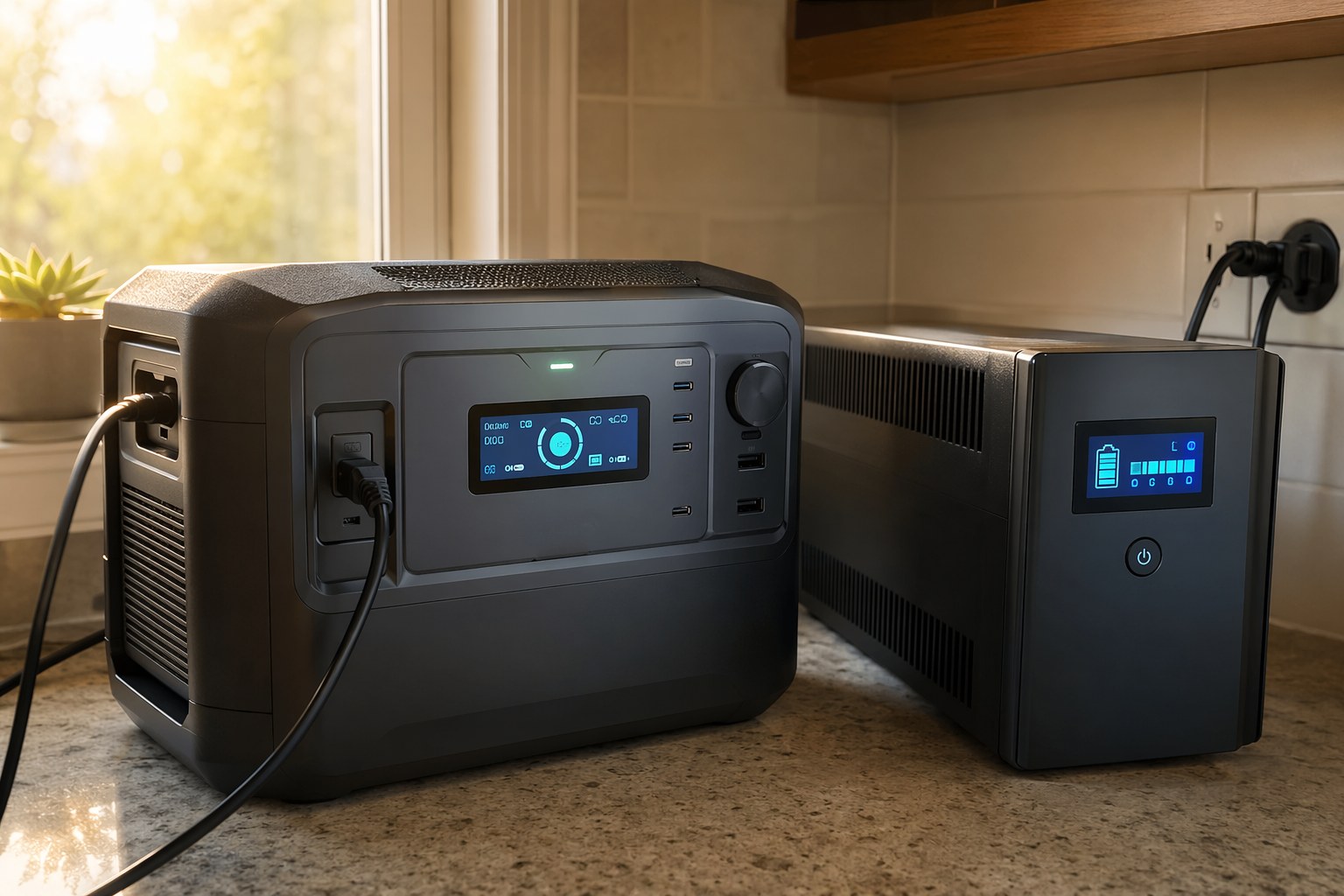
A battery backup for your electronics is the most overlooked piece of hurricane prep, and it is the one that protects you during the messy parts of a storm — the brownouts, the flickers, and the surge when the grid comes back online. These are not meant to run your fridge for hours; they are meant to give you a clean 5-15 minutes to save your work and shut equipment down safely, plus surge protection that genuinely saves expensive electronics.
Two I trust and recommend every season:
- CyberPower CP1500AVRLCD — 1500VA/900W with automatic voltage regulation and a readable LCD. This is the workhorse I point most home offices and gaming setups toward.
- APC BR1500MS2 — 1500VA/900W with a couple of USB charging ports built in, great for a desk where you also want to keep phones topped off.
Today’s job: plug the UPS in (if it has been off-season unplugged), let its internal battery reach full, and do a quick self-test using the front panel button. If it has been in service three-plus years, the battery may be tired — note it for replacement, and read our guide on when to replace a home UPS battery so a weak cell doesn’t fail you mid-storm. Move your router, modem, and primary computer onto it now so you are not scrambling tomorrow.
Step 4: Stage Your Gear Where You’ll Actually Use It
A charged power station does you no good buried behind holiday bins in the garage. Before the day ends, physically move your essentials to where you will ride out the storm:
- Power station near the kitchen or wherever the fridge is, with its cords coiled and ready.
- Power banks, charging cables (USB-C and Lightning, one per person), and headlamps in a single labeled bin.
- Battery or hand-crank NOAA weather radio within arm’s reach of your safe room.
- Flashlights with fresh batteries — one per family member, not one shared.
I keep mine staged in an interior hallway closet year-round during storm season. The five minutes it takes to gather everything into one spot today is five minutes you will not be fumbling for in the dark tomorrow.
Test Run Everything — Don’t Trust the Box
Here is the rule I live by: never assume a device works until you have watched it work. The last 24 hours of calm are exactly when you stress-test the plan.
Plug your refrigerator into the power station for ten minutes and confirm it kicks on and runs. A full-size fridge averages 50-80W but pulls a brief surge of several hundred watts at startup — make sure your unit’s inverter handles that compressor kick without faulting. Do the same with your CPAP if anyone in the house uses one; medical devices are the single most important load, and you want to know tonight that the connection and runtime check out, not at 2 a.m. during an outage.
While you are at it, walk through the simple priority order for what you’ll power when the grid drops:
- Medical devices — CPAP, oxygen concentrators, medication fridges. Non-negotiable.
- Phones — keep at least one fully charged at all times for emergency calls and alerts.
- Refrigerator — a closed fridge holds 4 hours; a full freezer holds 24-48. Cycle power to it as needed.
- Lighting — USB LED lanterns draw almost nothing and keep the house livable.
- Fans — a 50-75W box fan is the difference between discomfort and heat illness in a Gulf Coast June.
- Internet router — 10-15W keeps you connected to weather updates.
For the full walk-through of those critical first hours, bookmark our power outage survival guide on your phone now, while you still have a signal.
The Non-Power Items You Can Still Grab Today
Power is my specialty, but a checklist that ignores the rest leaves you exposed. While you are out doing the last calm-weather errand of the season, fill these gaps:
- Water — one gallon per person per day, three-day minimum. A family of four needs 12 gallons. This is the first thing to vanish once a storm is named.
- Fuel — top off every vehicle and any generator gas cans today. Stations run dry fast.
- Cash — ATMs and card readers go down with the grid. Keep small bills on hand.
- Prescriptions — refill anything running low; pharmacies close and supply chains stall after landfall.
- Documents — insurance policies, IDs, and the medication list in a waterproof bag or a photo on your phone.
- Tarps, work gloves, and a manual can opener — boring, cheap, and impossible to find after a storm.
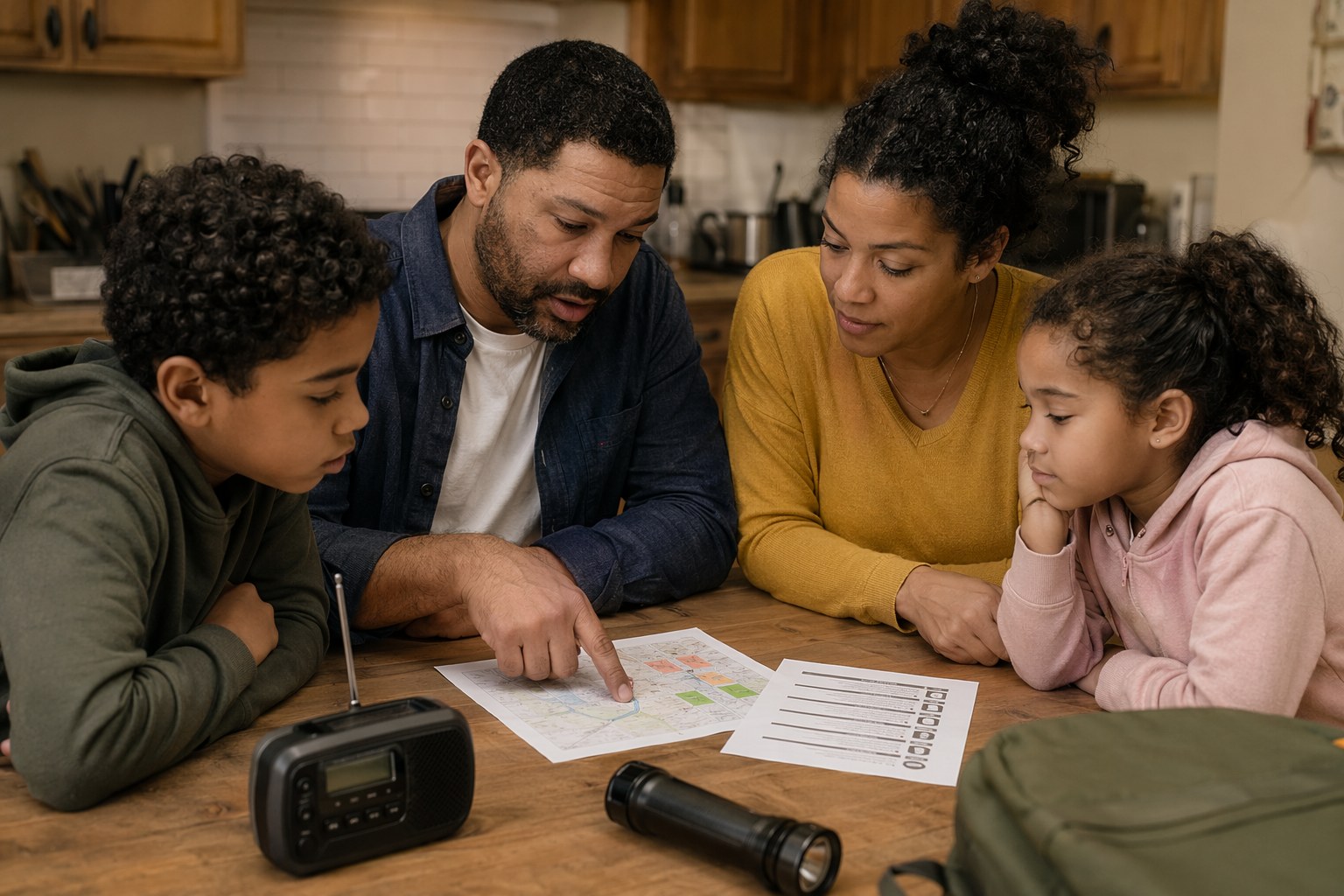
I also keep a written family communication plan with an out-of-state contact who serves as the hub — local cell networks can overload while long-distance calls and texts still go through.
A Word on Generators vs. Power Stations
Every year someone asks me in the final hours whether they should run out and buy a gas generator instead. The honest answer: for most households, a power station with solar is the better last-minute call. It works indoors, makes no fumes, needs no fuel (which sells out first), and runs silently overnight. A generator earns its place only if you need to drive central AC, a well pump, or several large appliances at once — and even then, it pairs best alongside a power station, not instead of one. If you are weighing the two tonight, our hurricane season power prep guide lays out the three-tier framework I use to size a setup to a specific home.
If you already own a power station, the smartest add-on you can still order today is a 200W portable solar panel. A power station without solar is a countdown timer; with it, even an overcast post-storm day recovers 400-800Wh — enough to keep a fridge cold and phones alive indefinitely.
Crossing Into June 1 Ready
Here is the truth I want you to take from this: preparedness is not a purchase, it is a state. You can own thousands of dollars of gear and still be caught flat if it is sitting in boxes at 60% charge in a cluttered garage. Conversely, a modest kit that is fully charged, tested, and staged will carry a family through most early-season outages without drama.
So in these last calm hours, run the sweep. Charge the big battery, top off every small one, test the UPS, plug in the fridge for a trial run, stage everything in one place, and grab water and fuel. It is a couple of hours of work, and it converts the abstract anxiety of “hurricane season is here” into the quiet confidence of “we are ready.”
I will be doing exactly this in my own home tonight. The forecast for tomorrow is calm — which is precisely why today is the day. Don’t be the person refreshing a sold-out product page when the first cone of uncertainty appears on the map. Be the person who finished the checklist while the sky was still clear.
Stay safe out there. The season is long, but you only have to be ready once.
Recommended Power Stations
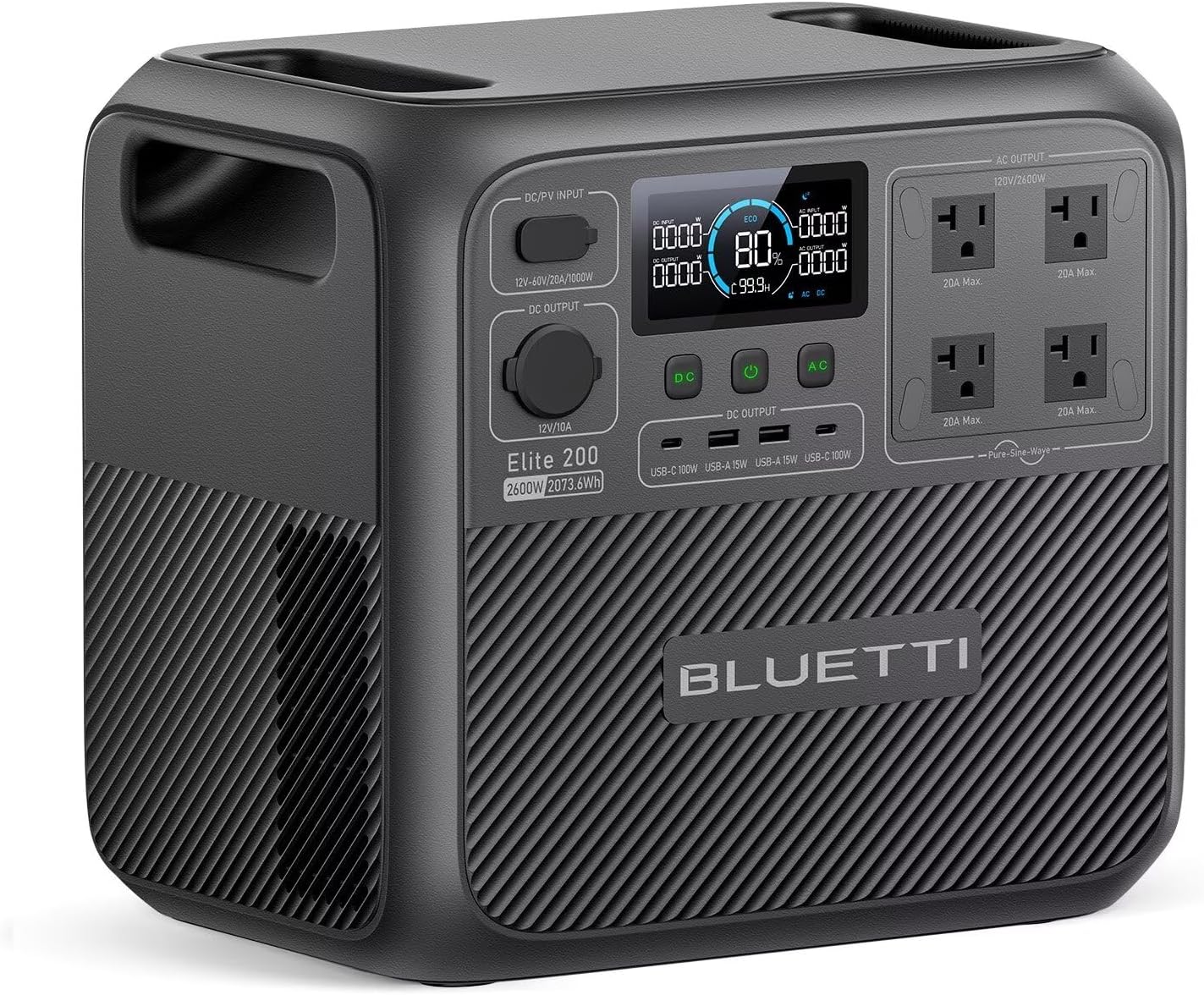
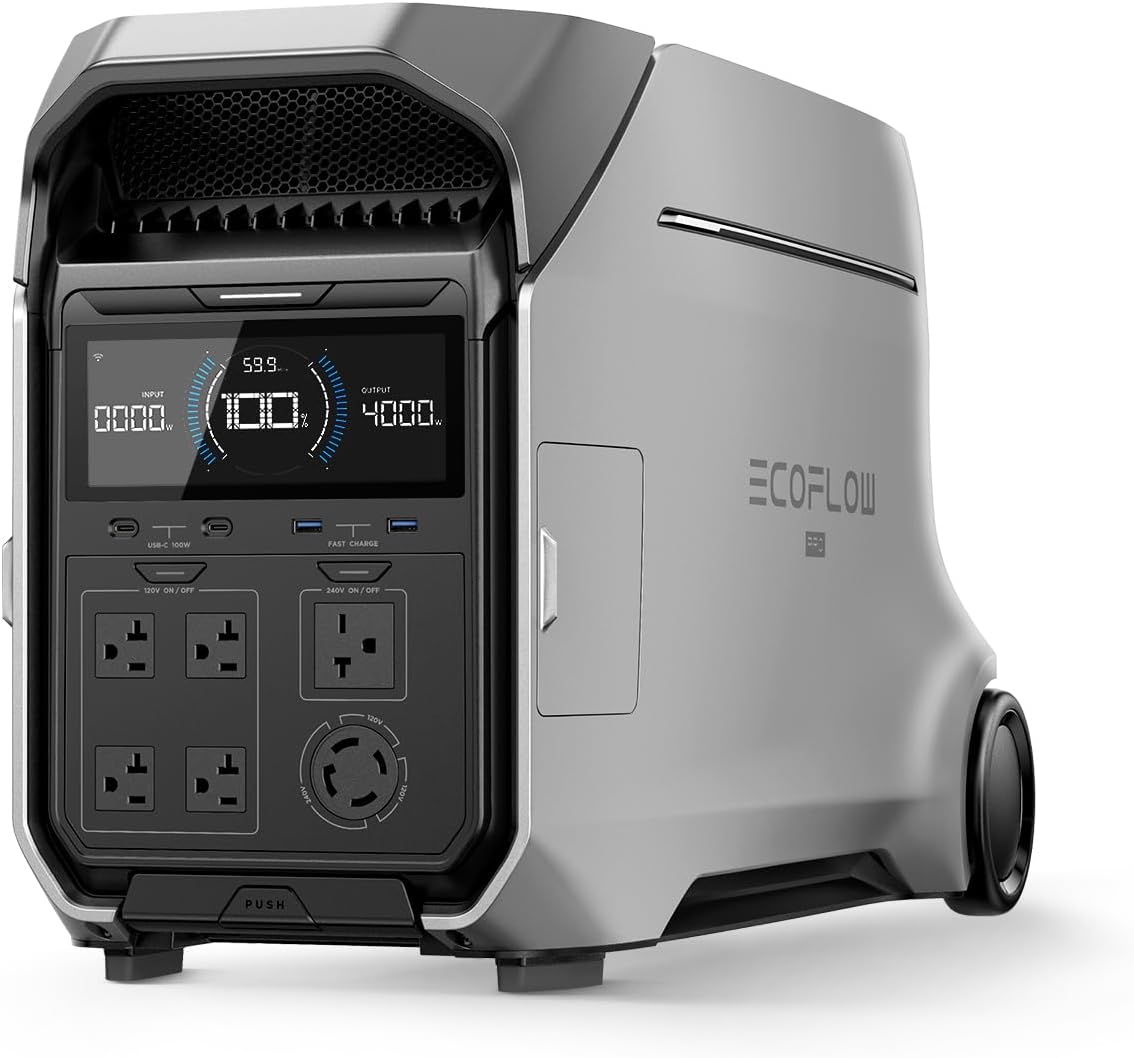
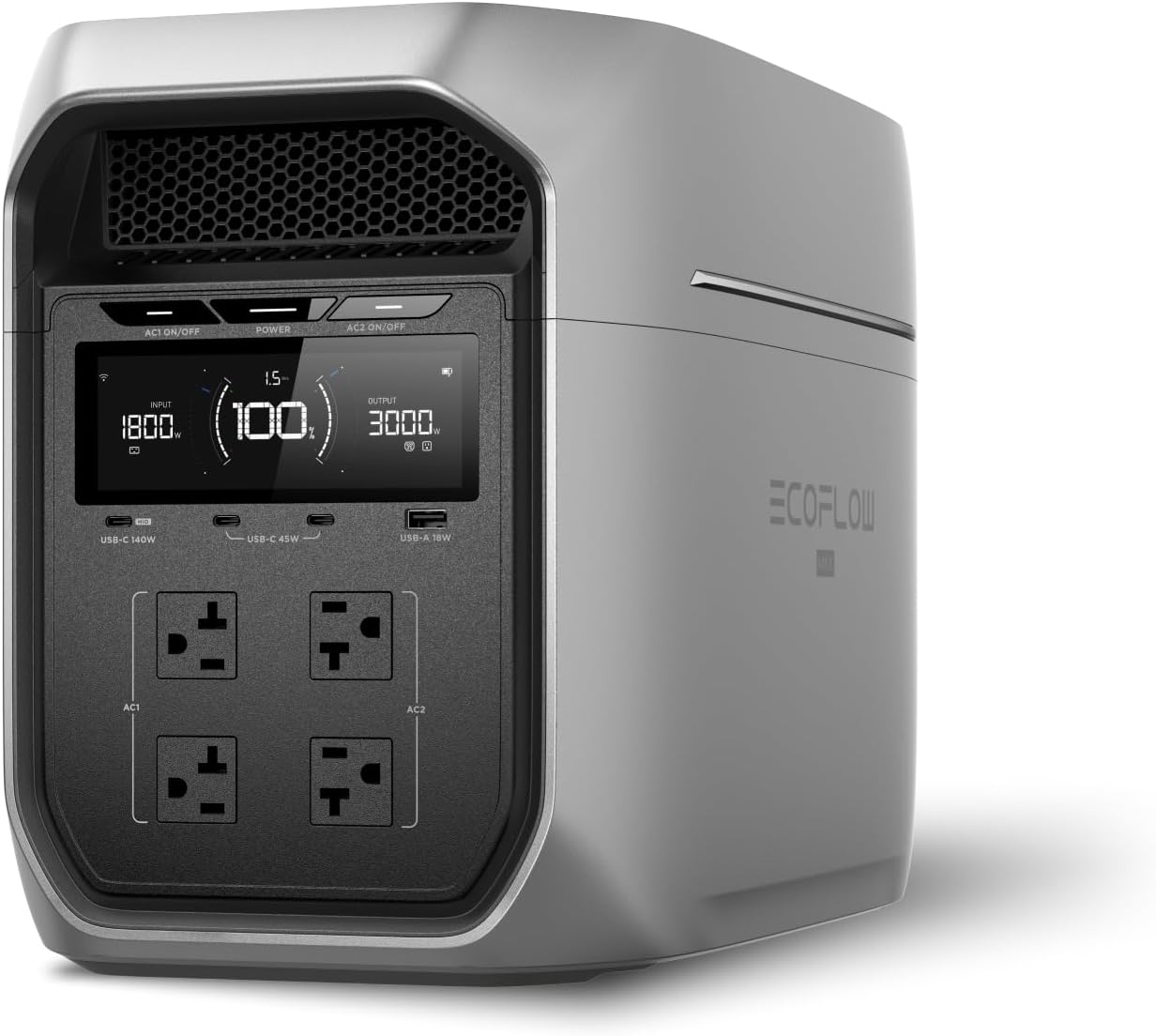
EcoFlow
EcoFlow DELTA 3 Plus
EcoFlow's newest mid-range flagship. The DELTA 3 Plus improves on the Delta 2 with faster charging, LiFePO4 chemistry, and UPS functionality — all at a lower price.
Frequently Asked Questions
Is it too late to prepare for hurricane season if I haven't bought anything yet?
No, but you need to act today. Anything ordered with next-day shipping on May 31 still arrives before the historical first-storm window, which rarely brings a U.S. landfall before late June. The bigger risk is waiting until a storm is named — that is when prices jump 20-30% and inventory disappears. If you already own a power station or UPS, the next 24 hours are about charging, testing, and staging what you have, which costs nothing.
What should I charge first in the last 24 hours before the season starts?
Charge your largest battery first — your power station — since it takes the longest (1-4 hours depending on model). While that runs, top off every power bank, your phones, laptops, weather radio, and headlamps. Plug your UPS in so its internal battery reaches 100%. The goal is to enter June 1 with every battery in the house at full charge so a surprise early-season storm never catches you at 40%.
Do I really need a power station if I already have a UPS?
They solve different problems. A UPS like the CyberPower CP1500AVRLCD gives you 5-15 minutes to save work and shut down equipment safely during a flicker — it is not meant to run your fridge overnight. A power station gives you hours to days of runtime for a fridge, fans, CPAP, and phones. Hurricane-zone households ideally want both: the UPS protects your electronics from surges and brief drops, and the power station carries you through the multi-day outage that follows the storm.
Ready to Buy? Here's What We Recommend
Based on our testing and this guide, these are the best options for most people: