Guide
Memorial Day Weekend Prep: Final Checklist for Perfect Outdoor Season

TL;DR
Memorial Day is the unofficial start of outdoor season. My complete prep checklist for getting your RV, camping gear, and power systems road-ready — from battery wake-up routines to solar checks and the kit that keeps a family running off-grid all summer.
Memorial Day weekend is the starting gun. After three years of full-time van life and a lot of seasons that started rough because I skipped a step, I treat the last two weeks of May like a pre-flight inspection. Everything that sat idle since October gets woken up, charged, tested, and packed before the holiday — so the first trip of the season is about the trip, not about troubleshooting a dead battery at a trailhead.
This is my complete Memorial Day prep checklist, organized the way I actually run it: RV systems first, then camping gear, then the power kit that ties it all together. Work through it once and the rest of your summer gets a lot easier.
Why Memorial Day Is the Right Deadline
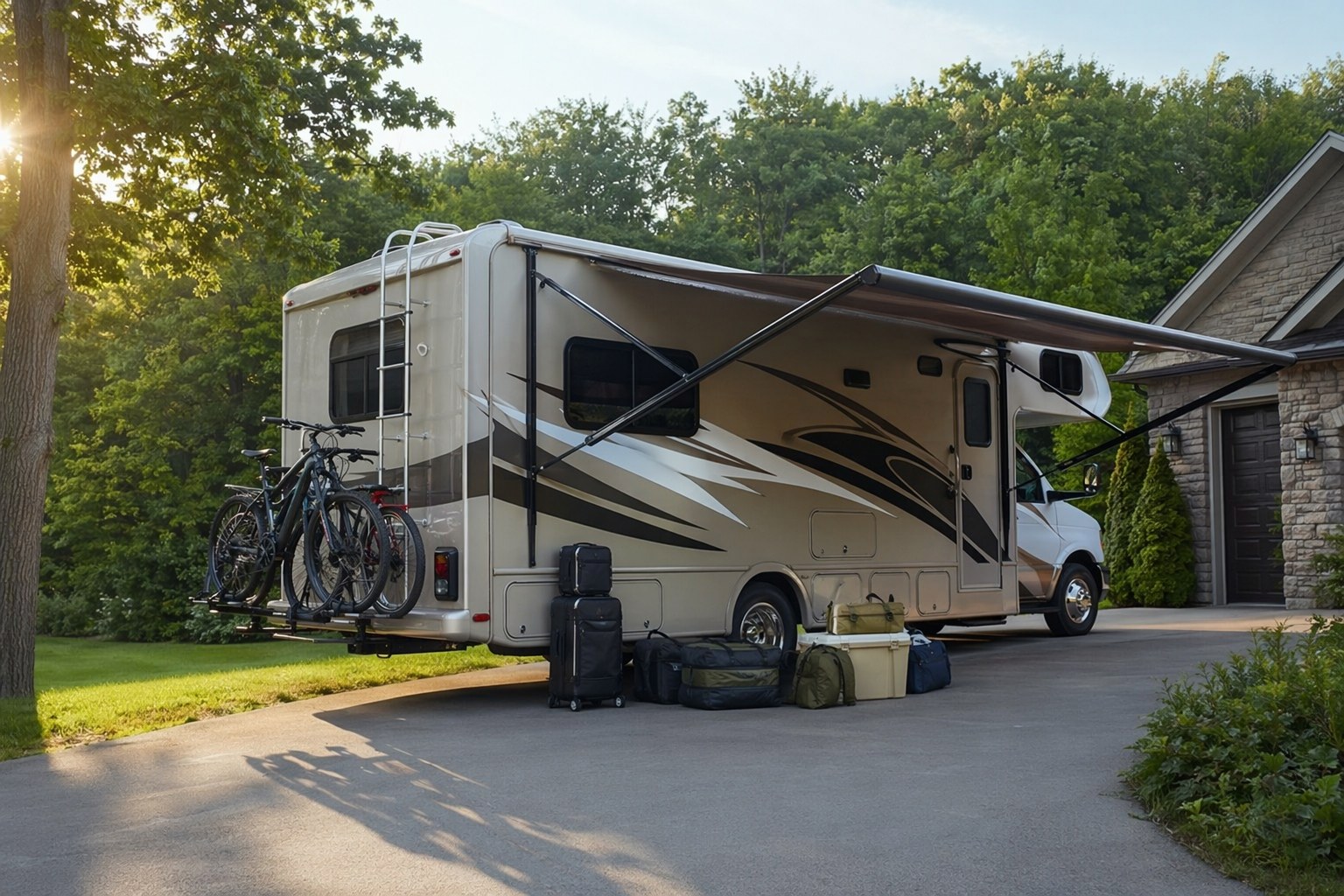
The unofficial start of outdoor season is also the best forcing function I know. Gear that worked perfectly last September has been sitting through six months of cold, and lithium chemistry, rubber seals, and solar connectors all degrade quietest when nothing is using them. The failures you find in your driveway in May are free. The same failures found 40 miles down a forest road cost you a trip.
So I give myself a hard deadline: everything road-ready by the Friday before Memorial Day. I run a real shakedown — one night out, ideally without hookups — to surface anything the checklist missed. By the time the actual summer trips start, the kinks are gone.
Part 1: Wake Up the RV
If you tow or drive a rig, start here, because RV systems have the most that can quietly fail over winter.
House battery bank. This is the big one. A lithium (LFP) house bank that sat all winter needs a full charge cycle before you trust it. Plug into shore power, charge to 100%, then run a partial discharge and watch the numbers. If your battery monitor reports capacity that is way off from rated, or a cell refuses to wake up, you want to know now. For the full theory on matching your bank to your loads, my complete boondocking power guide walks through calculating a daily energy budget step by step.
Water systems. De-winterize: flush the antifreeze from the lines, sanitize the fresh tank with a diluted bleach solution, and run every faucet until the water is clear and odorless. Check for slow leaks under the sink and at the water pump — winter freeze damage shows up as a cracked fitting that only weeps under pressure.
Tires and chassis. Tires lose roughly 1-2 PSI per month sitting, and a rig parked all winter is almost certainly underinflated. Air to the sidewall spec, inspect for sidewall cracking (UV and cold are brutal on rubber), and check the manufacture date — RV tires age out at 5-7 years regardless of tread.
Propane and detectors. Open the valve, check for the smell of a leak, and test every stove burner and the furnace. Replace the batteries in your propane, CO, and smoke detectors now. These are the cheapest insurance you will ever buy.
Seals and the roof. Climb up and inspect the roof sealant around vents, the AC shroud, and seams. A hairline crack you catch in May is a tube of self-leveling sealant. The same crack found in July is water-damaged subfloor.
Part 2: Inventory and Refresh the Camping Gear
With the rig handled, move to the gear that lives in totes and gets dumped in the garage every fall.
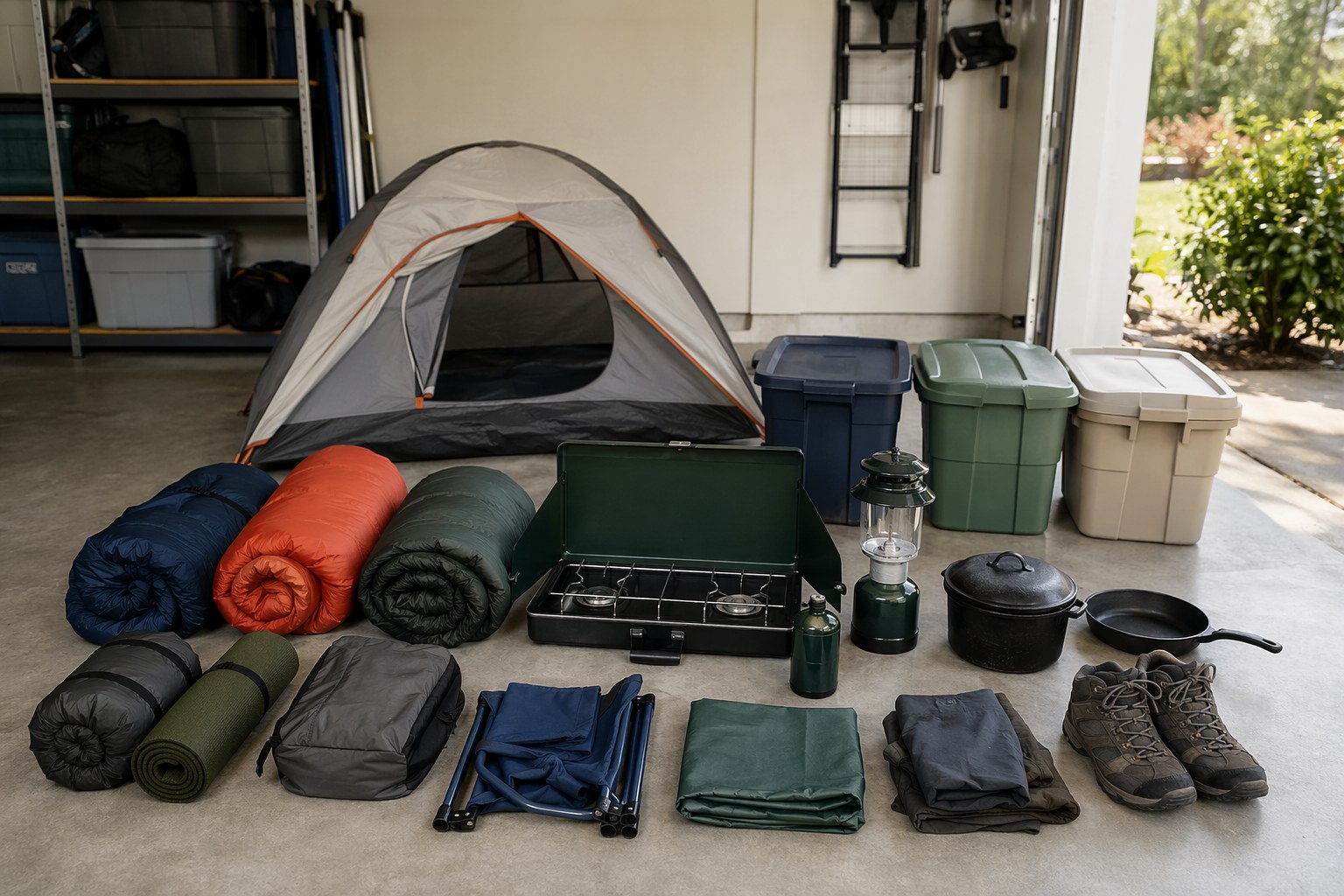
Tent and shelter. Pitch it in the yard. This sounds excessive until the one year you discover a pole section that cracked in storage or a zipper that finally gave out. Check the rainfly seams, re-waterproof if water no longer beads, and confirm you still have every stake.
Sleeping system. Air out sleeping bags that were stuffed all winter — compressed loft recovers if you let it breathe for a day. Inflate sleeping pads and leave them overnight to check for slow leaks. A pad that holds air for 12 hours in the garage will hold it in the field.
Kitchen. Test the camp stove, check fuel canister levels, and toss expired food from your dry-goods tote. Restock the basics: matches, fuel, dish soap, trash bags.
First aid and safety. Replace expired medications, restock used bandages, and confirm your headlamp and lantern batteries are fresh or charged.
The packing list itself. I keep a printed master list taped inside a tote lid. Every season I update it based on what I forgot or never used. It is the single biggest reason my pack-out went from a frantic three hours to a calm 45 minutes.
Part 3: The Power Kit — Charge, Test, and Right-Size
Power is where a great trip and a miserable one diverge, so this gets the most attention. Three rules: charge everything to full, actually test it under load, and make sure the unit matches the trip.
If you are buying your first station or upgrading, do not guess. My how to size a power station guide shows the watt-hour math so you buy the right capacity once instead of returning something twice.
The weekend workhorse
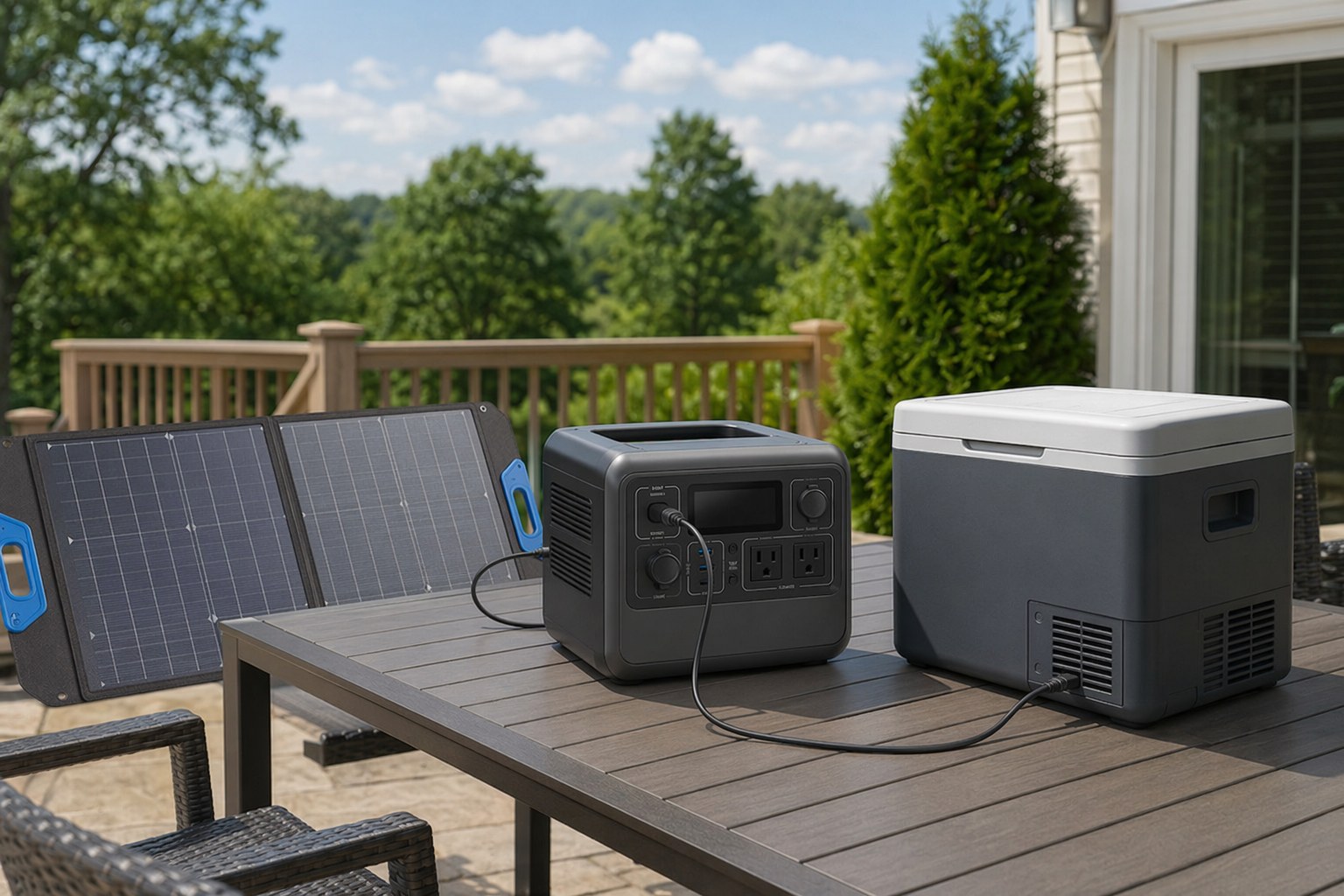
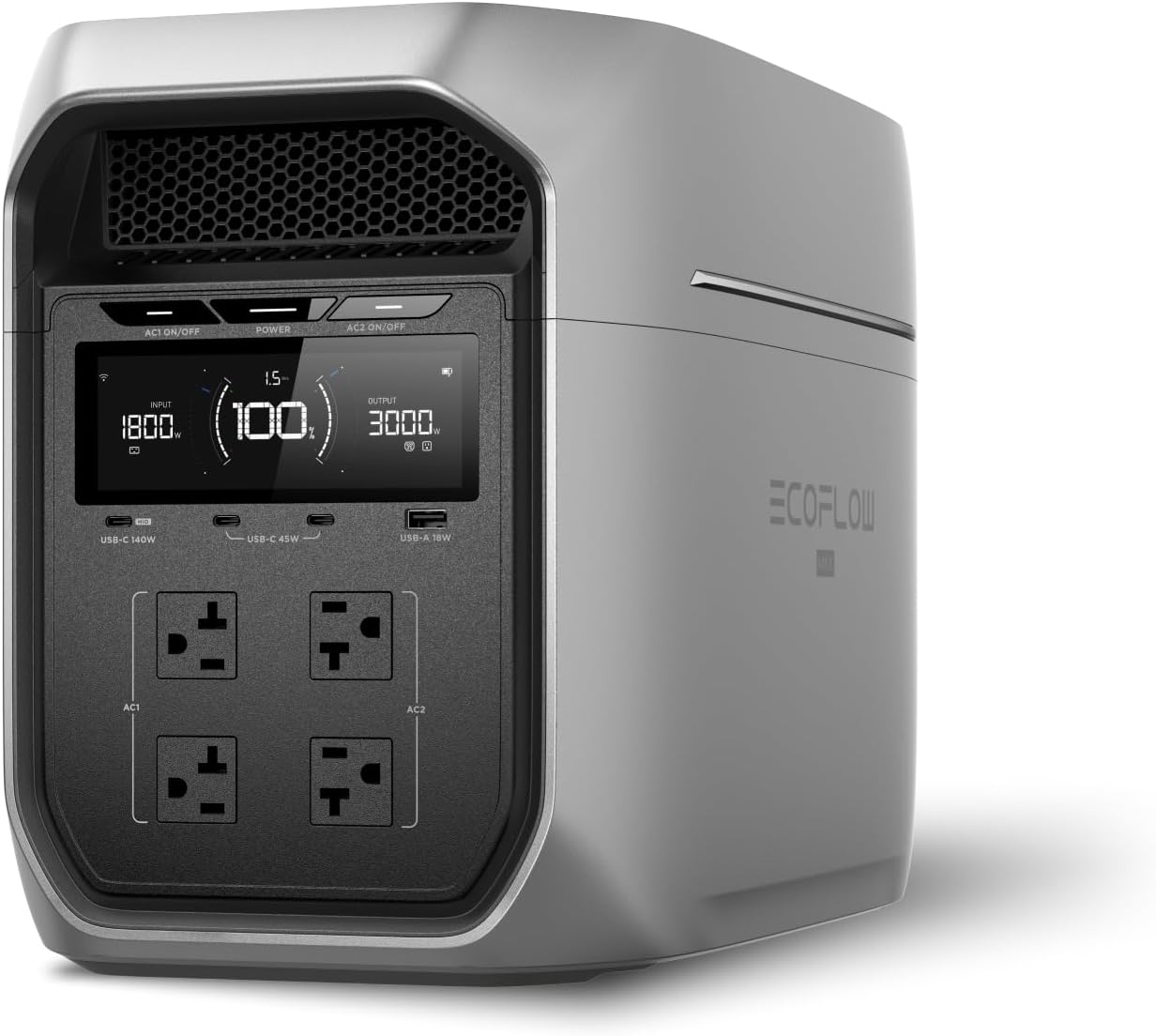
For most families and couples camping two to three nights, a 1,000Wh-class station is the right call. My daily driver for six months has been the EcoFlow DELTA 3 Plus — 1,024Wh, 1,800W output, 17.6 pounds. The weight genuinely matters when you are carrying it from rig to picnic table solo, and it recharges from wall to full in under an hour, so a last-minute top-off the morning of departure is realistic.
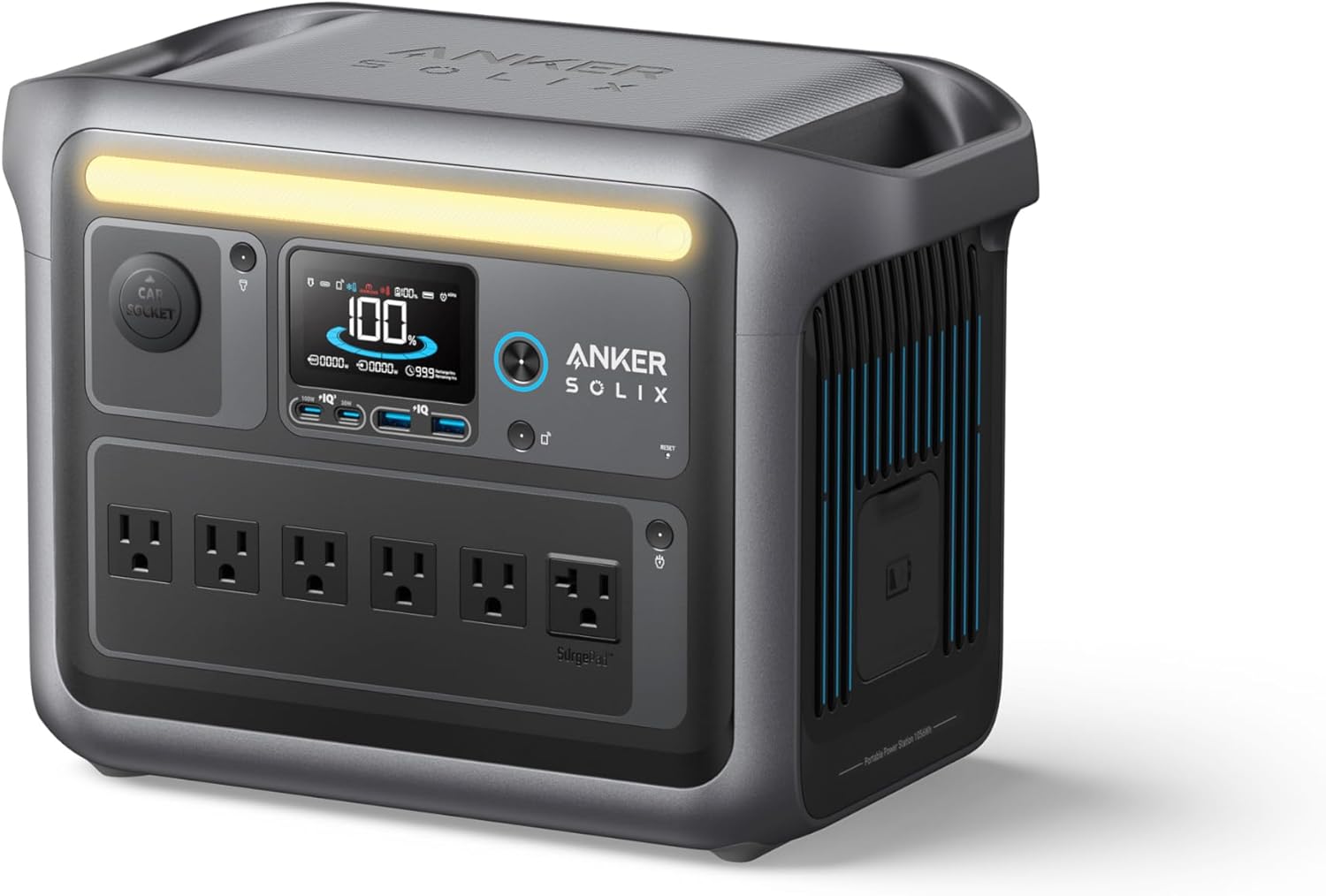
The Anker SOLIX C1000 is the alternative I recommend most for bigger families. At 1,056Wh and 1,800W it matches the EcoFlow on the numbers but gives you six AC outlets instead of five — which matters at 9 PM when four phones, a fan, and a string of lights all want power at once.
The lighter and the bigger options
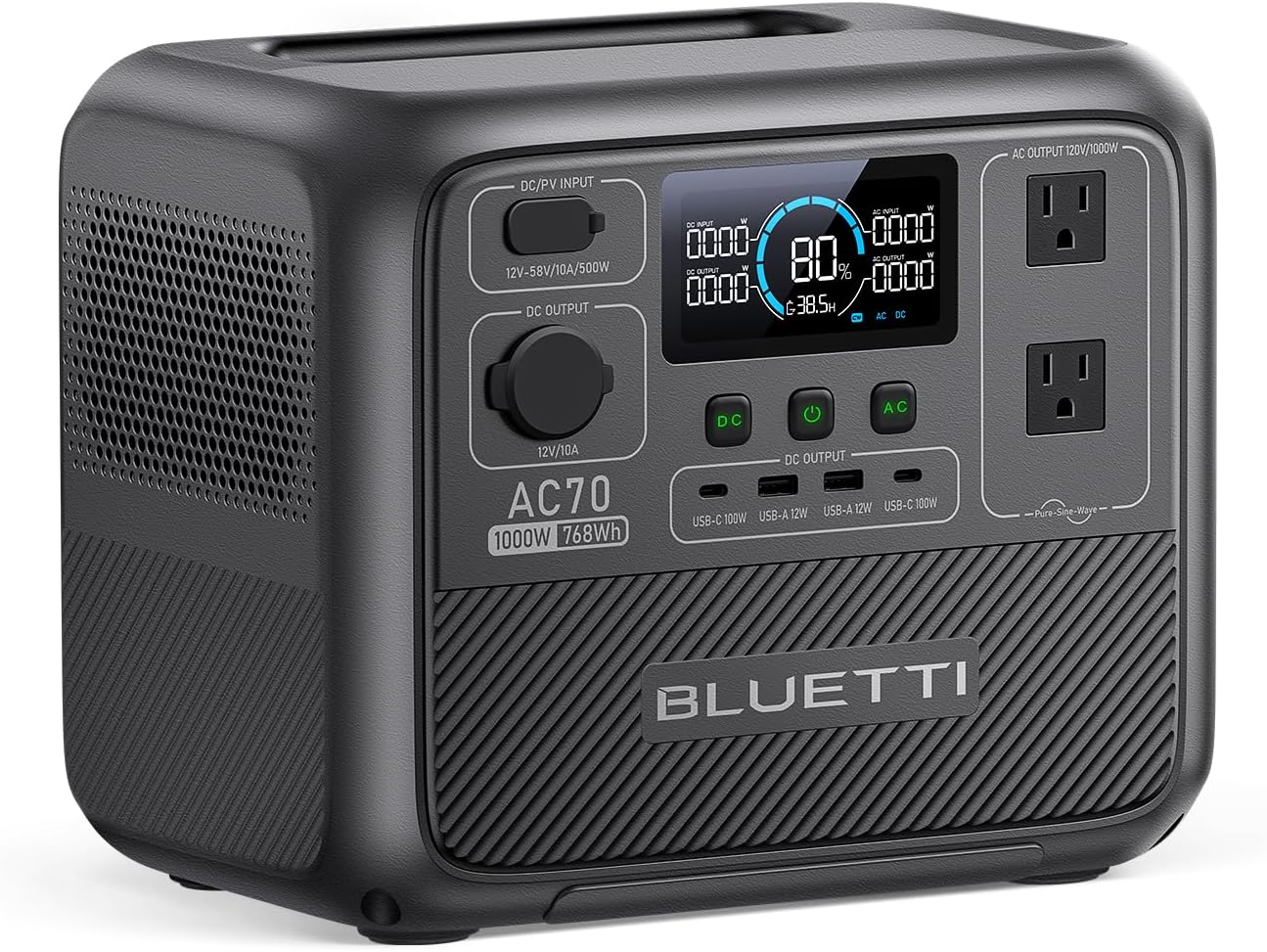
If you travel solo or pack ruthlessly light, the EcoFlow RIVER 3 is a tidy 245Wh that handles phones, a small fan, lights, and a laptop for a night or two and weighs almost nothing. A step up from there, the Bluetti AC70 packs 768Wh into a compact body — enough to run a 12V fridge through a careful weekend, and a good value when it dips toward $399.
Solar — test it now, not in the dark
A 200W foldable panel doubles or triples your usable energy for any two-plus-night trip. The Jackery SolarSaga 200W puts out roughly 700 to 1,000Wh on a clear early-summer day, which covers a modest camper’s full daily consumption. But the real reason I deploy it during Memorial Day prep is to confirm the connectors and charge controller still talk to each other. MC4 connectors corrode, cables get nicked, and you do not want to learn that on day one of a real trip.
The 12V fridge
If there is one upgrade that transforms camping, it is a 12V compressor fridge. It draws 40-60W on average (the compressor cycles), using roughly 400-500Wh per day. Pre-cool it for 24 hours before you leave — a warm fridge fighting to cool down on the road burns far more energy than a pre-chilled one holding temperature.
My Actual Memorial Day Load Test
Numbers beat hope. Before the season, I run a realistic two-night load on whatever station is coming with me and confirm it holds up. Here is a typical weekend draw for a couple:
| Device | Avg watts | Hours/day | Watt-hours/day |
|---|---|---|---|
| 12V compressor fridge | 50W | 24 | ~480 |
| Phone + tablet charging | 25W | 4 | 100 |
| LED lantern + string lights | 12W | 5 | 60 |
| Rechargeable fan (warm nights) | 15W | 8 | 120 |
| Laptop / camera batteries | 40W | 2 | 80 |
| Daily total | ~840Wh |
A 1,024Wh station covers a full day with margin, and a single good solar day refills almost all of it. That is exactly the headroom I want — never running the battery flat, never stressing about the morning coffee.
The Pre-Departure Checklist
Screenshot this and run it the night before your first trip:
- RV house battery fully charged and capacity verified
- Water system de-winterized, sanitized, and leak-checked
- Tires aired to spec, sidewalls inspected
- Propane tested, all detectors fresh
- Tent pitched and inspected, stakes accounted for
- Sleeping pads leak-tested overnight
- Power station charged to 100%
- Solar panel deployed once and confirmed charging
- 12V fridge pre-cooled 24 hours before departure
- Backup USB-C power bank charged
- Spare cables packed (extras for kids’ devices)
- Rain cover for the power station — they are not waterproof
For the camping-specific deep dive on what to pack and how cold-season carryover affects your batteries, my spring camping power checklist pairs perfectly with this one.
The Bottom Line
Memorial Day prep is not about doing more work — it is about front-loading the work so the rest of the season is pure payoff. Wake up the RV, refresh the gear, and charge and test your power kit before the holiday, not on the trail. Right-size your station to the trip — a DELTA 3 Plus or SOLIX C1000 for a family weekend, a RIVER 3 or AC70 when you travel light, a 200W panel if you are out more than one night — and run one honest load test in your driveway. Do that, and your first trip of the season starts exactly the way summer should: with a full battery, cold drinks, and nothing on your mind but the road ahead.
Recommended Power Stations
EcoFlow
EcoFlow DELTA 3 Plus
EcoFlow's newest mid-range flagship. The DELTA 3 Plus improves on the Delta 2 with faster charging, LiFePO4 chemistry, and UPS functionality — all at a lower price.
Frequently Asked Questions
What power station size do I need to start the outdoor season?
For most weekend campers and small families, a 1,000Wh-class station is the sweet spot. The EcoFlow DELTA 3 Plus (1,024Wh, 1,800W) or Anker SOLIX C1000 (1,056Wh, 1,800W) runs a 12V fridge, lights, fans, and device charging for a full weekend, and recharges to full in about an hour from a wall outlet before you leave. Solo travelers and minimalists can drop to the EcoFlow RIVER 3 (245Wh) or Bluetti AC70 (768Wh). If you run a CPAP, electric cooler, or a rooftop AC, step up to 2,000Wh or more. Pair any of them with a 200W solar panel and you can stay out indefinitely.
How do I wake up a power station or RV battery that sat all winter?
Charge it fully before the first trip, not the day of. Lithium batteries that have been stored for months self-discharge slowly, and an LFP cell that drops too low can refuse to wake up until you trigger its battery management system. Plug the station into the wall and let it run a complete charge cycle, then check that the app reports the expected capacity. For an RV's lithium house bank, run a full charge and a partial discharge to confirm the BMS reports honest numbers. Catching a tired cell at home in May beats discovering it at a trailhead in July.
Do I really need solar for Memorial Day weekend?
For a single-night shakedown trip, no — a full charge is plenty. For two-plus nights off hookups, yes. A 200W foldable panel like the Jackery SolarSaga 200W generates roughly 700 to 1,000Wh on a clear early-summer day, which offsets a modest camper's entire daily draw. The bigger reason to bring it on Memorial Day specifically is testing: deploy it once now, confirm your charge controller and cables work, and you will not be troubleshooting connectors in the dark on your first real trip of the season.
Ready to Buy? Here's What We Recommend
Based on our testing and this guide, these are the best options for most people: