Guide
The Complete Boondocking Power Guide: How to Go Off-Grid in Your RV

TL;DR
Everything you need to know about powering your RV while boondocking — from calculating your daily energy budget to choosing between power stations, lithium batteries, and solar setups.
Boondocking — also called dry camping or free camping — means parking your RV on public land without hookups. No water, no sewer, and crucially, no shore power. It’s the ultimate RV freedom: stunning natural settings, no campground fees, no neighbors 20 feet away. But freedom from the grid means you need to bring your own power.
This guide covers everything you need to plan a reliable off-grid power system for your RV, whether you’re going for a weekend or a season.
Step 1: Calculate Your Daily Energy Budget
The first rule of boondocking power: you can’t manage what you don’t measure. Before buying any equipment, figure out what you actually use.
Common RV Electrical Loads
Essential loads (must-have for comfortable boondocking):
| Device | Watts | Daily Hours | Daily Wh |
|---|---|---|---|
| 12V compressor fridge | 40-60W | 24h (cycles 8-12h actual) | 320-480 |
| LED interior lights | 15-30W | 5h | 75-150 |
| Vent fans (2x) | 10-20W | 8h | 80-160 |
| Phone charging (2x) | 15W each | 2h each | 60 |
| Water pump | 60W | 0.25h total | 15 |
| Essential subtotal | 550-865 Wh |
Comfort loads (nice-to-have):
| Device | Watts | Daily Hours | Daily Wh |
|---|---|---|---|
| Laptop | 60W | 4h | 240 |
| TV/streaming | 80W | 3h | 240 |
| Coffee maker | 1,000W | 0.1h (6 min) | 100 |
| Hair dryer | 1,500W | 0.05h (3 min) | 75 |
| Electric blanket | 100W | 8h | 200* |
| Microwave | 1,000W | 0.05h (3 min) | 50 |
| Portable fan (summer) | 30W | 8h | 240 |
| Comfort subtotal | 200-1,145 Wh |
*Electric blankets cycle, actual draw is about 50% of rated.
The big energy hogs (avoid if possible while boondocking):
| Device | Watts | Daily Hours | Daily Wh |
|---|---|---|---|
| Residential fridge | 150-200W | 24h (cycles) | 800-1,600 |
| Air conditioner | 1,200-1,500W | 8h | 9,600-12,000 |
| Space heater | 1,500W | 8h | 12,000 |
| Electric water heater | 1,500W | 1h | 1,500 |
Air conditioning and electric heating are essentially impossible on battery power alone. Use propane for heating and water heating. For cooling, rely on shade, vent fans, and choosing higher-elevation campsites.
Your Budget
Modest boondocker (couple, essentials only): ~600-900Wh/day Comfortable boondocker (family, laptop + TV): ~1,200-1,800Wh/day Power-hungry boondocker (residential fridge, many devices): ~2,000-3,000Wh/day
Step 2: Choose Your Power System
Option A: Portable Power Station (Simplest)
Best for: Weekend boondocking, beginners, those who also want portable power for non-RV use.
A portable power station sits in your RV and powers devices through its AC outlets, USB ports, and 12V output. Add solar panels for replenishment.
Pros:
- Zero installation — unbox and use
- Portable — take it camping, tailgating, or home for outage protection
- Built-in inverter, charge controller, and display
- Easily upgraded by buying a bigger unit later
Cons:
- Doesn’t integrate with RV’s 12V system (lights, fridge, water pump still need RV battery)
- Limited capacity compared to dedicated RV battery banks
- Takes up living space inside the RV
Our picks by boondocking level:
| Need | Model | Capacity | Price |
|---|---|---|---|
| Weekend warrior | Bluetti AC70 | 768Wh | $499 |
| Regular boondocker | EcoFlow DELTA 3 Plus | 1,024Wh | $649 |
| Extended stays | Bluetti Elite 200 V2 | 2,073Wh | $1,099 |
| Full-time boondocker | EcoFlow DELTA Pro 3 | 4,096Wh | $1,999 |
Option B: RV Lithium Battery Upgrade (Most Integrated)
Best for: Serious boondockers who want a seamless, permanent solution that works with the RV’s existing electrical system.
Replace your RV’s factory lead-acid or AGM battery with lithium (LiFePO4) batteries. This integrates with your RV’s existing 12V wiring, converter, and solar charge controller.
Pros:
- Uses existing RV wiring — all 12V devices (lights, fridge, water pump, vent fans) work normally
- Higher capacity potential (200-600Ah systems)
- Hidden — doesn’t take up living space
- True RV system integration
Cons:
- Installation required (moderate DIY skill or professional install)
- Doesn’t include an inverter (need separate purchase for AC devices)
- Not portable — stays in the RV
- Higher upfront cost for a complete system
Popular RV lithium batteries:
Check our best RV lithium batteries guide for detailed reviews.
Option C: Hybrid (Our Recommendation)
Best for: Most boondockers who want flexibility.
Use your RV’s 12V battery system (upgraded to lithium) for the essential 12V loads (lights, fridge, water pump, fans), and add a portable power station for AC devices (laptop, TV, coffee maker, microwave).
Why this works:
- The 12V system handles constant, low-draw essentials efficiently
- The power station provides on-demand AC for intermittent high-draw devices
- The power station is portable — bring it inside when boondocking, take it on day trips or hikes
- Solar charges both systems
Step 3: Size Your Solar Array
The Solar Sizing Formula
Daily Wh needed ÷ Peak Sun Hours ÷ 0.7 (efficiency factor) = Required panel wattage
Example for a moderate boondocker using 1,200Wh/day: 1,200Wh ÷ 5 PSH ÷ 0.7 = 343W of panels
Round up to 400W (two 200W panels).
Roof-Mounted vs. Portable Panels
Roof-mounted panels:
- Always deployed — passive energy collection while parked
- No setup or teardown
- Can’t be aimed at the sun (fixed angle)
- Lose 10-30% potential output due to fixed mounting
- Shade from trees, RV AC units, antennas, etc. reduces output
Portable/ground-deployed panels:
- Can be aimed directly at the sun for maximum output
- Placed in the sunniest spot (RV can be parked in shade for comfort)
- Must be set up and taken down
- Risk of theft at public campsites
- Higher output per watt due to optimal angle
Our recommendation: Use both if possible. Small roof-mounted panels (100-200W) for passive baseline charging, plus portable panels (200-400W) for active boosting during the day.
For panel recommendations, see our best solar panels for power stations guide and our solar panel compatibility guide.
Step 4: Manage Your Energy Like a Pro
Morning Routine
- Check battery status and overnight consumption
- Deploy solar panels at sunrise orientation
- Run high-draw devices (coffee maker, hair dryer) early — consume energy as it arrives from solar
Midday (Peak Solar)
- Reposition panels toward noon sun
- This is when batteries charge fastest — save heavy consumption for this window if possible
- Run laptop, charge devices, and let the batteries fill
Evening
- Retrieve and stow portable panels before dark
- Switch to conservation mode — essentials only
- The energy stored in your batteries needs to last until morning
Conservation Tips for Extending Boondocking Time
- Use propane for cooking and heating — save battery for devices that can’t run on propane
- LED everything — replace any incandescent RV bulbs with LEDs (90% energy savings)
- Vent fans over AC — vent fans use 10-20W, AC uses 1,200-1,500W (60-150x more)
- 12V fridge over residential fridge — a 12V compressor fridge uses 40-60W vs. 150-200W for a residential unit
- Turn off phantom loads — many RV devices draw power when “off” (TV, stereo, CO detector battery charger). Use switched outlets or unplug.
- Reduce inverter use — the inverter consumes 15-30W just being on, even with no load. Turn it off when not needed.
Budget Builds for Boondocking
Weekend Warrior (~$1,000)
- EcoFlow DELTA 3 Plus — $649
- 1x 200W portable solar panel — ~$250-350
- Capacity: 1,024Wh + ~700Wh daily solar = 2-3 night stays comfortably
Serious Boondocker (~$2,500)
- EcoFlow DELTA Pro 3 — $1,999
- 2x 200W portable solar panels — ~$500-700
- Capacity: 4,096Wh + ~1,400Wh daily solar = 1+ week stays
Full-Time Setup (~$3,500-5,000)
- 200Ah LiFePO4 RV battery bank — ~$800-1,200
- 30A MPPT charge controller — ~$150-200
- 2,000W pure sine wave inverter — ~$200-300
- 400-600W rooftop solar — ~$400-800
- Portable power station for AC devices — $500-1,000
- Capacity: Essentially unlimited with enough solar
The Bottom Line
Boondocking is one of the most rewarding ways to experience the outdoors in an RV, and modern lithium battery technology has made reliable off-grid power accessible and affordable. Start with a portable power station and solar panel setup to learn your energy habits, then upgrade to a more integrated system as your boondocking ambitions grow.
Check our complete RV power system guide for installation details, or browse our RV & Marine Battery category for dedicated RV battery reviews.
Related Reading
- Complete RV Power System Guide — detailed installation walkthrough
- Best RV Lithium Batteries — our top battery picks
- Best Power Station for Van Life — van-specific recommendations
- How to Charge a Power Station with Solar — solar setup guide
- How Solar Panels Work — understanding the technology
Recommended Power Stations
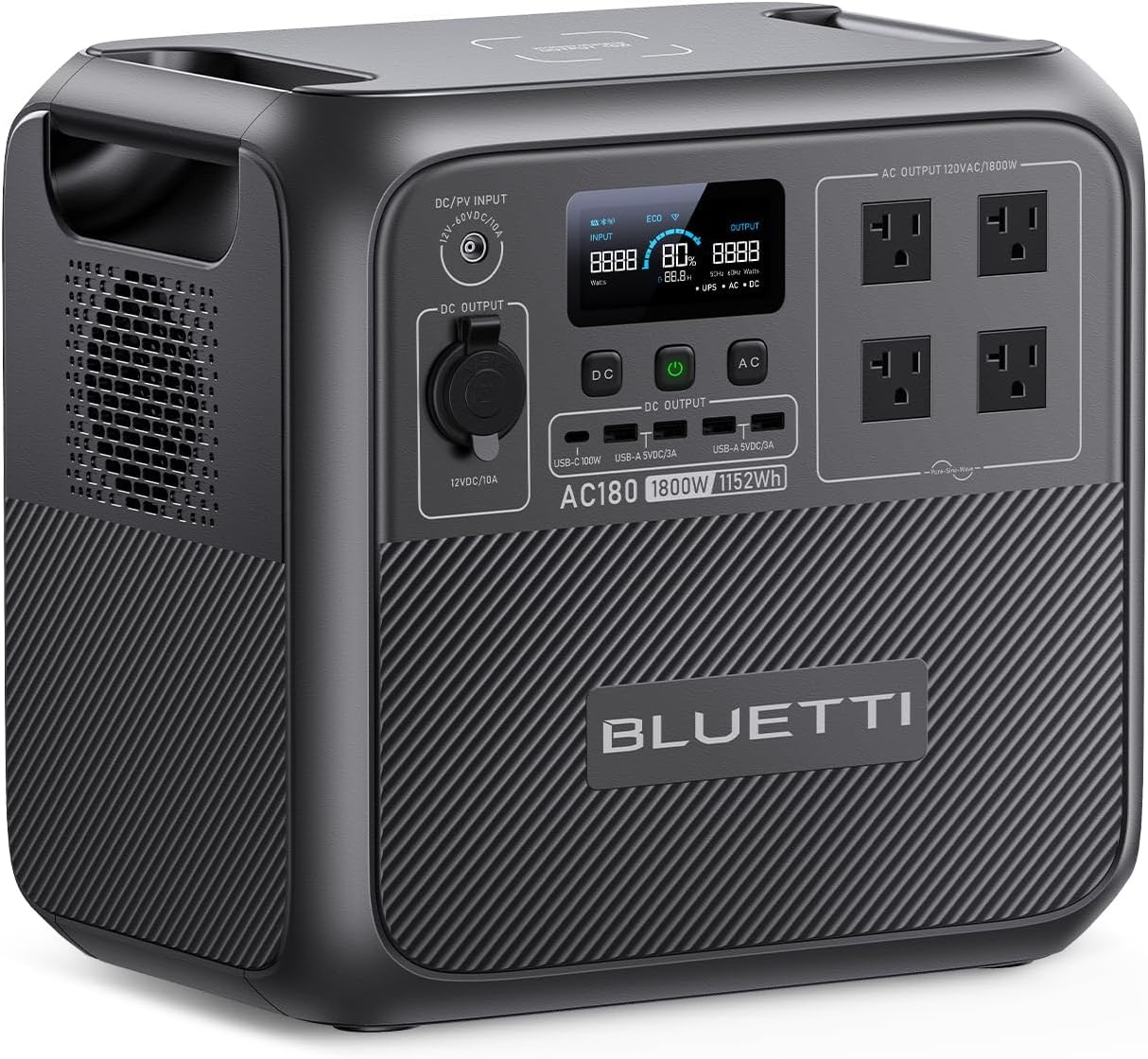
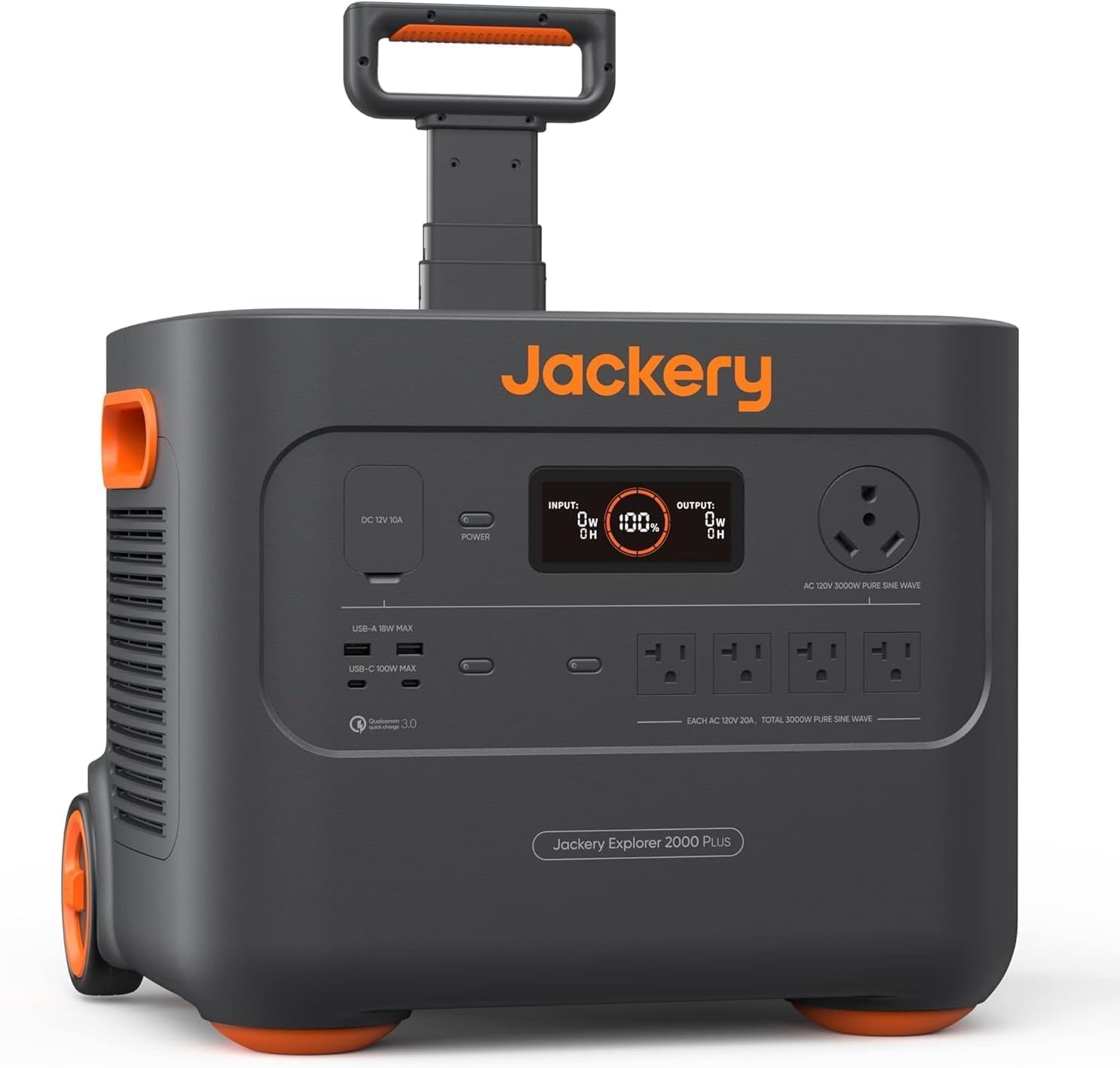
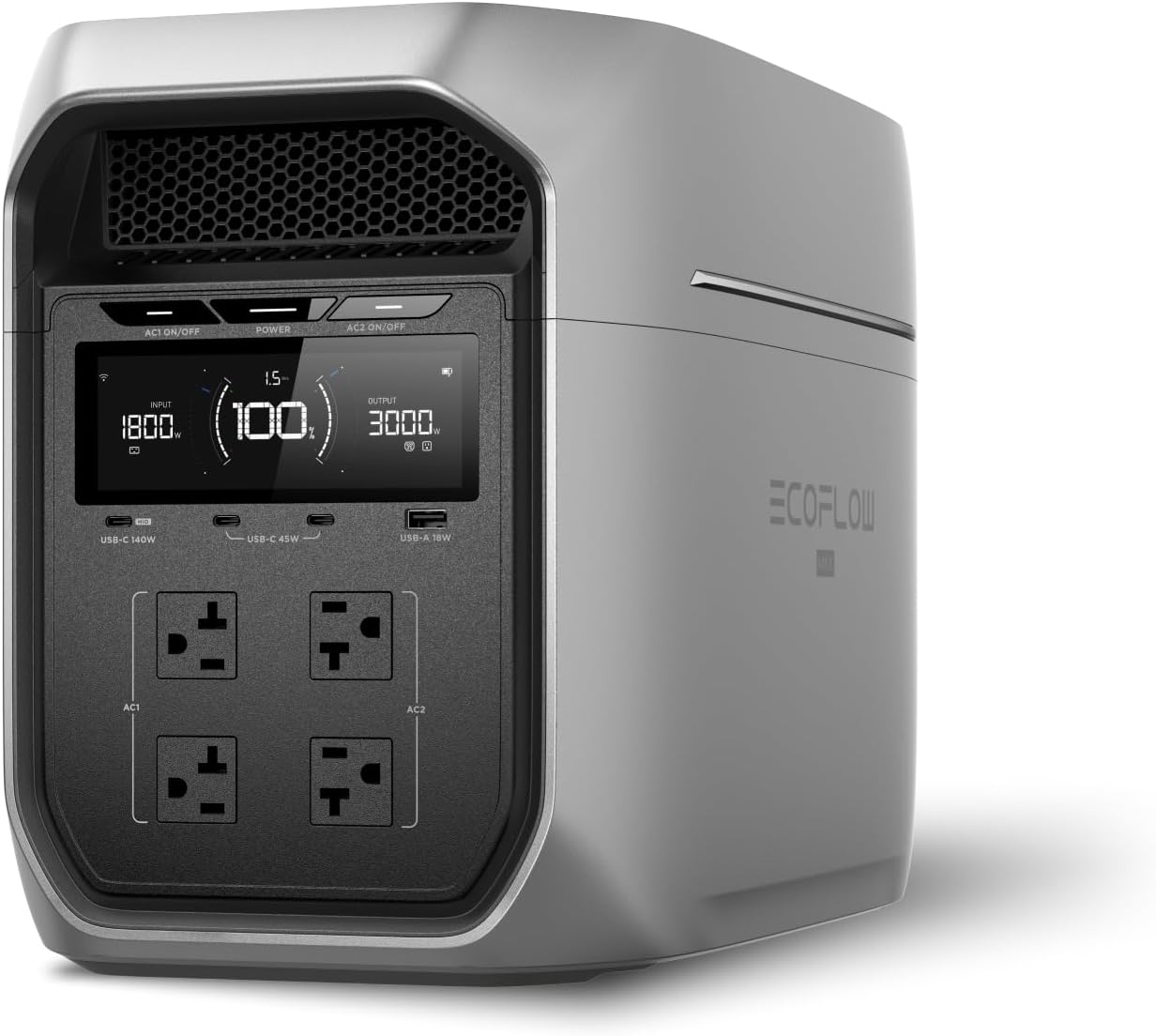
EcoFlow
EcoFlow DELTA 3 Plus
EcoFlow's newest mid-range flagship. The DELTA 3 Plus improves on the Delta 2 with faster charging, LiFePO4 chemistry, and UPS functionality — all at a lower price.
Frequently Asked Questions
How many watts of solar do I need for boondocking?
Most RVers need 200-600W of solar for comfortable boondocking. A solo traveler or couple with modest needs (fridge, lights, phone charging, laptop) can get by with 200-300W. Families or those running a residential fridge, entertainment system, and multiple devices should plan for 400-600W. The key metric is matching daily solar production to daily energy consumption — our guide includes specific calculations.
Can I boondock with just a portable power station?
Yes, for short stays (1-3 nights) or if you pair the power station with solar panels. A 1,000Wh portable power station like the EcoFlow DELTA 3 Plus handles essential loads (12V fridge, lights, phone charging) for about 24-36 hours. Add a 200W+ solar panel and you can extend indefinitely in good weather. For extended boondocking (1+ weeks), a larger system (2,000Wh+ with 400W solar) or a dedicated RV lithium battery installation is more practical.
What's the difference between a portable power station and an RV lithium battery?
A portable power station is an all-in-one unit (battery + inverter + charge controller) that's self-contained and portable. An RV lithium battery (like Battle Born or Renogy) replaces your RV's factory lead-acid battery in the existing 12V system — it integrates with your RV's built-in wiring, converter, and shore power inlet. Power stations are easier and more flexible; dedicated RV batteries are more integrated and can be larger. Many boondockers use both — a large portable station for AC power and the RV's 12V system for lights and fridge.
How do I keep my RV fridge running while boondocking?
The approach depends on your fridge type. A 12V compressor fridge (like Dometic or Norcold 12V) runs directly from your RV's battery system or a power station's 12V output — very efficient at 40-60W average. A 3-way fridge (12V/propane/AC) should run on propane while boondocking — it's free from your electrical budget. A residential fridge (120V) requires an inverter and draws 100-200W, consuming 800-1,600Wh per day — manageable with a large power station and solar.
Ready to Buy? Here's What We Recommend
Based on our testing and this guide, these are the best options for most people: