Guide
The Spring Camping Power Checklist: Everything You Need to Pack in 2026

TL;DR
Spring camping is back. Our complete power checklist covers what to pack, how to size your power station, solar panel essentials, and the gear that keeps a family of four running for a weekend without hookups.
Three years of full-time van life has taught me one thing: spring camping rewards preparation and punishes the unprepared. Nighttime temperatures still dip into the 30s, storms roll through without warning, and campgrounds that were empty all winter suddenly fill up. The difference between a great trip and a miserable one often comes down to your power setup.
Here’s my complete spring camping power checklist, refined over 40+ nights on the road in March and April across seven states this year alone.
The Essential Power Kit
1. Your Primary Power Station
For a couple or small family camping for 2-3 nights, this is where most of your budget should go.
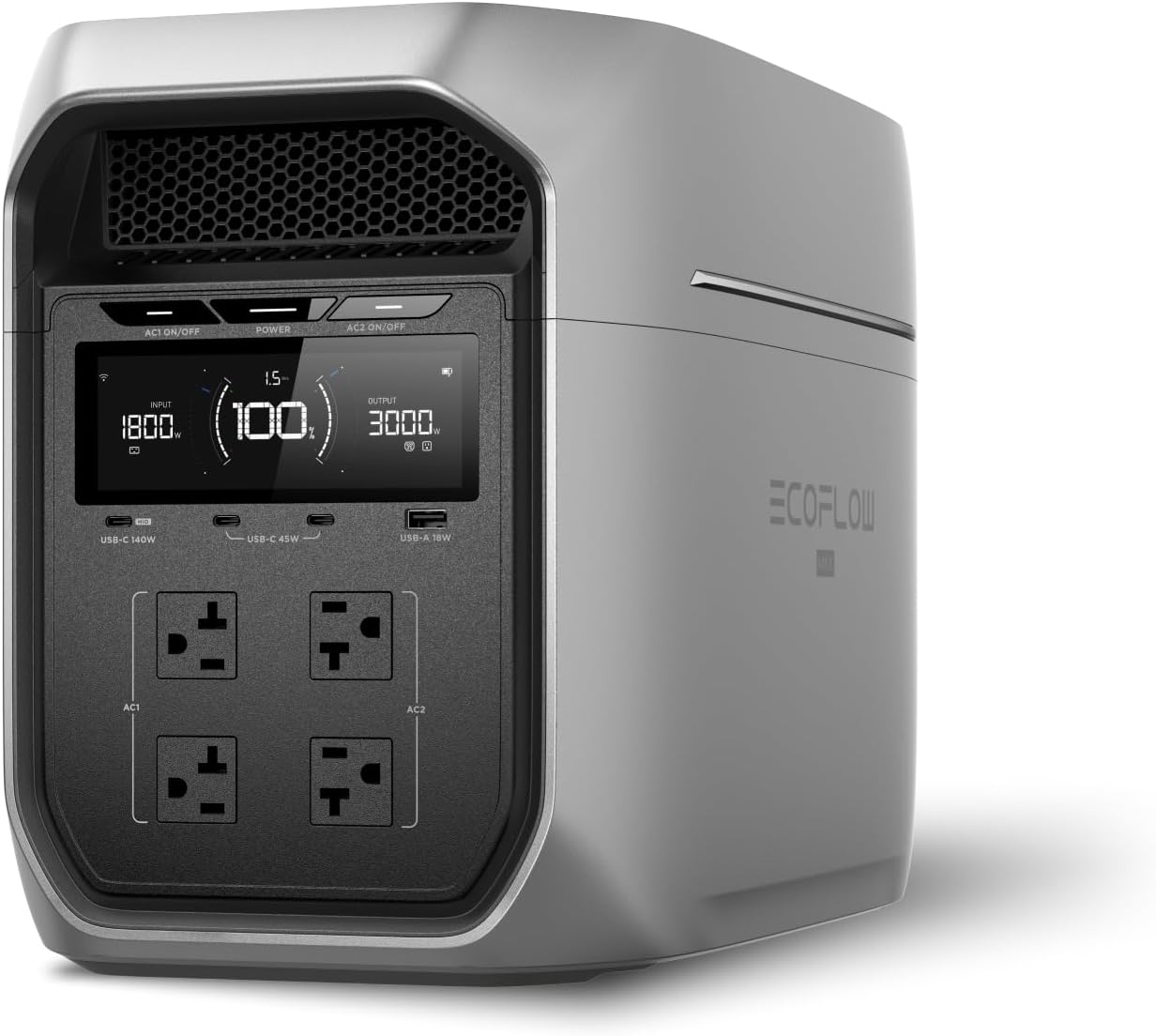
My current pick: EcoFlow DELTA 3 Plus — 1,024Wh, 1,800W output, 17.6 lbs. This has been my daily driver for six months, including a two-week loop through Utah’s canyon country in March. The weight matters — I can carry it solo from van to picnic table without a second trip.
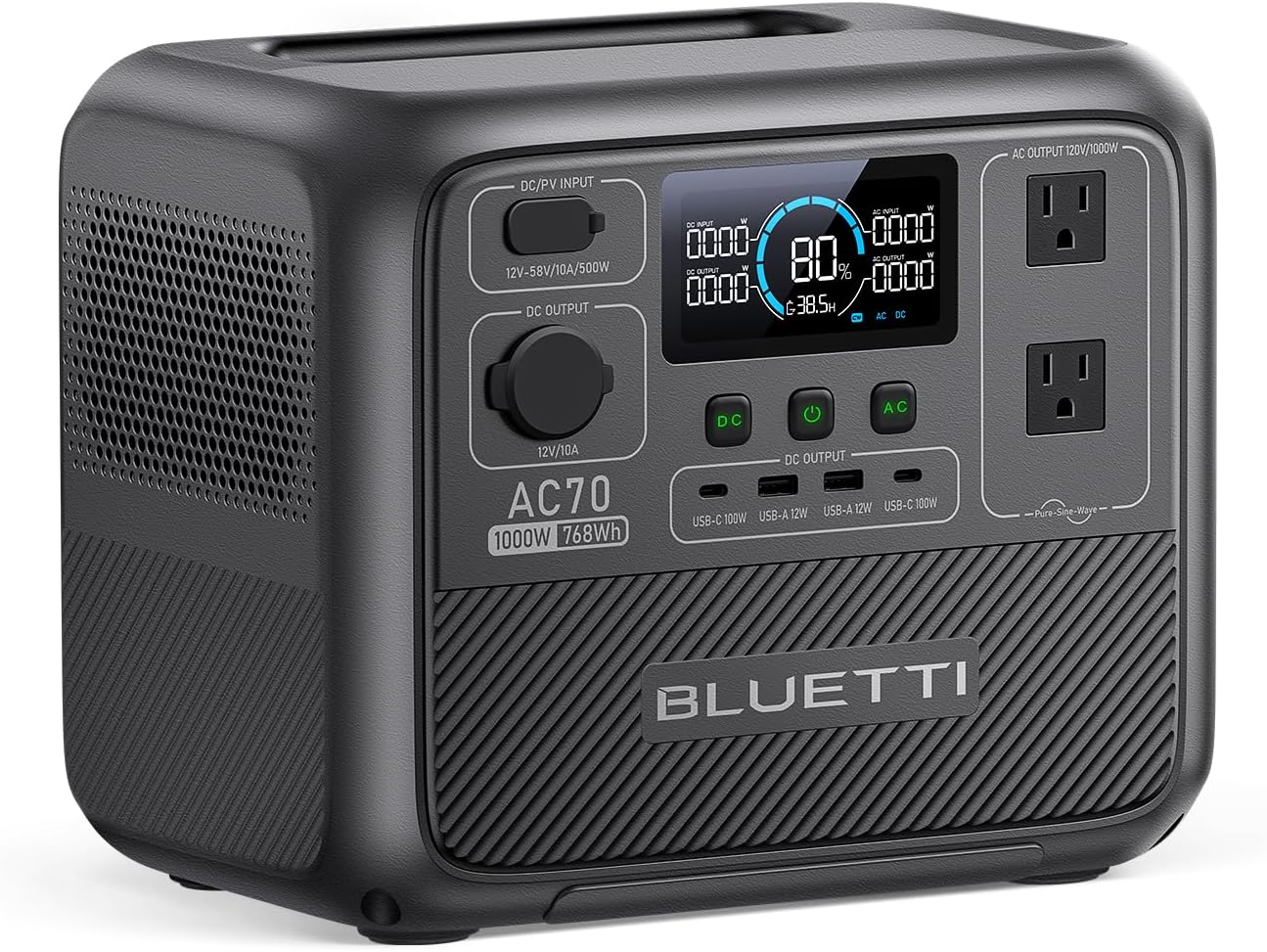
Budget alternative: Bluetti AC70 — 768Wh, $499. Lighter on capacity but handles a weekend if you’re careful with the fridge.
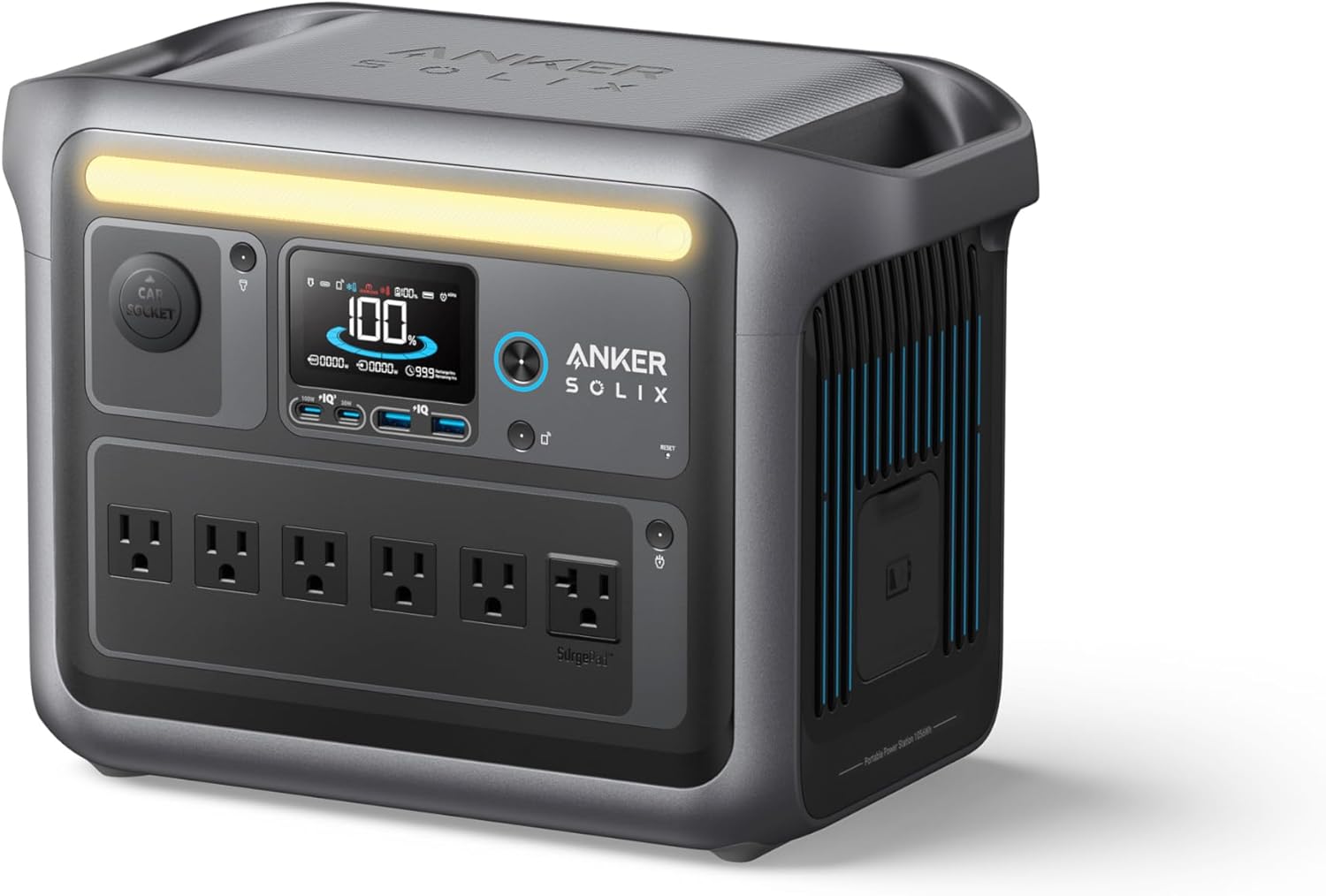
For the power-hungry: Anker SOLIX C1000 — 1,056Wh, 27.6 lbs. More AC outlets than the EcoFlow (6 vs 5), which matters when everyone wants to charge their devices at once.
2. Solar Panel (Non-Negotiable for 2+ Nights)
A portable solar panel doubles or triples your usable energy for spring camping. Clear spring skies and cool temperatures mean panels operate at peak efficiency.
My recommendation: A 200W foldable panel generates 600-1,000Wh on a good spring day — enough to offset everything a modest camper uses daily.
See our best solar panels for power stations guide for model-specific picks.
3. 12V Compressor Fridge
If there’s one upgrade that transforms camping, it’s a 12V compressor fridge. An Alpicool or Dometic-style fridge draws about 40-60W average (compressor cycles), using 400-500Wh per day. That means your 1,000Wh power station runs the fridge for 2 full days just on its own — add solar and it’s effectively unlimited.
No more bags of melting ice, no more soggy sandwiches, cold beers after the hike. For a full campsite setup walkthrough, see our complete campsite power guide.
4. Backup Battery Bank
Carry one 20,000mAh (74Wh) USB-C PD power bank in your daypack. If you’re hiking away from the campsite, you’ve got enough to top off phones, charge a handheld GPS, or run a GoPro for a full day. It also bridges any gap if your main power station runs low overnight.
5. LED Lantern + String Lights
These use negligible power (10-15W total) but transform a campsite. A quality LED lantern lasts 12+ hours on a single charge. String lights add ambiance without draining the battery.
What Spring Camping Actually Demands
Cold nights
Even in April, many Western campgrounds drop to 32-40°F at night. Budget for:
- Electric blanket: 50-100W average. Running for 8 hours = 400-800Wh. This is the biggest single overnight draw. Consider a down sleeping bag and skip the blanket to save 400Wh.
- Fan-assisted heater: 1,000-1,500W. These drain a 1,000Wh power station in under an hour. Not practical from battery — use propane heaters instead.
Morning cooking
- Coffee maker: 800-1,000W for 5 minutes = 80-100Wh. Manageable.
- Electric kettle: 1,200W for 3 minutes = 60Wh. Very efficient per use.
- Toaster: 800-1,200W for 3 minutes = 50Wh. Not worth it — use a skillet.
Rainy days
Spring rain means your solar panel produces 10-30% of its normal output under heavy cloud cover. Plan for two days of conservation mode if a system moves through. Turn off the power station’s inverter when nothing’s plugged into AC (saves 10-30W of phantom draw).
My Actual Packing List
After four years of refining this, here’s what lives in my van for spring trips:
- EcoFlow DELTA 3 Plus — primary power station
- EcoFlow 220W bifacial solar panel
- Alpicool C20 — 12V compressor fridge
- Anker 737 power bank — 24,000mAh, 140W USB-C PD
- 4x USB-C cables (various lengths)
- 2x MC4 extension cables (10 ft each) for solar flexibility
- LED lantern + solar-charged string lights
- Car charger adapter (for emergency recharging via vehicle)
Total power system weight: ~32 lbs. Total cost (with solar): ~$1,200.
Spring-Specific Tips
Set up solar early
Spring sunrise is around 6:30 AM. Getting panels deployed by 7 AM adds 30-60 minutes of charging time versus waiting until 9 AM when it “feels like the sun is up.”
Watch for pollen
Pine pollen in April/May coats solar panels within hours in many regions. A quick wipe every morning restores 5-10% of output. Bring a microfiber cloth.
Wind matters
Spring winds can knock over unsecured portable solar panels. I tie them down with bungee cords to my picnic table or use tent stakes through the kickstand grommets.
Cold starts
Power stations below 32°F won’t accept solar charging until they warm up. I keep mine in my sleeping bag on cold nights (seriously) or inside the van near the heater in the morning.
Before You Leave
Print or screenshot this pre-trip power checklist:
- Power station charged to 100%
- Solar panel cables checked (MC4 connections clean, no damage)
- USB cables packed (extras for kids’ devices)
- Fridge pre-cooled for 24 hours before departure
- Backup power bank charged
- Car charging cable in the glovebox (emergency backup)
- Extension cord or splitter if running multiple AC devices
- Rain-proof bag or cover for the power station (they’re NOT waterproof)
Related Reading
- Family Camping Power Setup: Real-World Tested — my 12-trip write-up
- Best Portable Power Stations for Camping — full recommendations
- Best Solar Panels for Power Stations — matching solar to your station
- Complete Campsite Power Guide — setup and placement tips
- Spring Storm Season Power Prep — storm-specific prep
Recommended Power Stations
EcoFlow
EcoFlow DELTA 3 Plus
EcoFlow's newest mid-range flagship. The DELTA 3 Plus improves on the Delta 2 with faster charging, LiFePO4 chemistry, and UPS functionality — all at a lower price.
Frequently Asked Questions
What size power station do I need for a weekend of spring camping?
For a weekend (2-3 nights) with basic needs — phones, lights, a 12V fridge, and device charging — a 768-1,024Wh power station is ideal. The Bluetti AC70 (768Wh) covers modest needs, and the EcoFlow DELTA 3 Plus (1,024Wh) adds comfortable headroom. If you're running a CPAP, electric blanket, or portable heater, step up to 1,500Wh+. Pair with a 100-200W solar panel to extend indefinitely.
Do I need solar panels for spring camping?
For one-night trips, no — your power station's charge is enough. For two-plus-night trips or any trip where you'll use more than 50% of capacity daily, yes. A 200W portable solar panel generates 600-1,000Wh on a sunny spring day, which covers a modest camper's full daily consumption. Spring sun angles are actually better than summer for most of the US — less shade, less haze.
How cold can a power station handle during spring camping?
LiFePO4 power stations charge efficiently from 32-113°F (0-45°C). Below freezing, most units disable charging to protect the battery — this is a safety feature, not a flaw. They can still discharge in cold weather, though capacity drops by 10-20% at 20°F. For cold spring nights, store the unit inside your vehicle or tent vestibule to keep it in its happy temperature range.
Ready to Buy? Here's What We Recommend
Based on our testing and this guide, these are the best options for most people: