Guide
State of Portable Power 2026: Industry Trends, New Tech, and What's Coming

TL;DR
A comprehensive look at the portable power industry in 2026: LiFePO4 dominance, solid-state batteries, falling prices, solar efficiency gains, and the brands reshaping the market.
The portable power industry in 2026 looks almost nothing like it did three years ago. Battery chemistry has shifted, prices have cratered, solar efficiency has climbed past previous ceilings, and the line between “portable power station” and “home battery system” is blurring fast.
Whether you’re buying your first power station or evaluating an upgrade, understanding these trends helps you time your purchase and avoid buying technology that’s about to be leapfrogged. Here’s the state of the industry.
LiFePO4 Is Now the Undisputed Standard
The transition is complete. Every major power station brand — EcoFlow, Bluetti, Jackery, Anker, VTOMAN, Goal Zero — has moved to LiFePO4 (lithium iron phosphate) battery chemistry across their product lines. NMC (lithium nickel manganese cobalt), which dominated until 2022-2023, is effectively dead in the portable power space.
Why LiFePO4 won:
- Longevity: 3,000-6,000 charge cycles vs. 500-1,000 for NMC. A LiFePO4 station cycled daily lasts 8-16 years.
- Safety: LiFePO4 is far more thermally stable. It doesn’t experience thermal runaway — the failure mode that caused NMC battery fires in other industries.
- Cost convergence: LiFePO4 cells were historically more expensive per kWh than NMC. By 2024, manufacturing scale closed that gap. In 2026, LiFePO4 is cost-competitive or cheaper.
The only remaining advantage NMC held — higher energy density (meaning smaller, lighter batteries for the same capacity) — matters less in stationary and semi-portable applications where a few extra pounds isn’t a dealbreaker.
Bottom line for buyers: Do not purchase an NMC power station in 2026. If you see one on deep discount, the price reflects its shorter lifespan. Check our guide on LiFePO4 vs NMC batteries for a detailed comparison.
Prices Have Dropped 30% Since 2023
The cost of portable power has fallen dramatically:
| Year | Typical 1,000Wh LiFePO4 Price | Price Per Wh |
|---|---|---|
| 2023 | $1,000-1,200 | $1.00-1.20 |
| 2024 | $800-1,000 | $0.80-1.00 |
| 2025 | $650-850 | $0.65-0.85 |
| 2026 | $500-800 | $0.50-0.80 |
Several forces are driving this:
- Falling LiFePO4 cell costs. The raw battery cells that go into power stations have dropped roughly 40% in cost since 2023, driven by massive manufacturing expansion in China.
- Manufacturing scale. EcoFlow, Bluetti, and Jackery have scaled production significantly. Higher volume means lower per-unit costs.
- Competition. The entry of Anker, VTOMAN, and several other brands has created real price pressure. No brand can maintain premium pricing when a competitor offers comparable specs for 20% less.
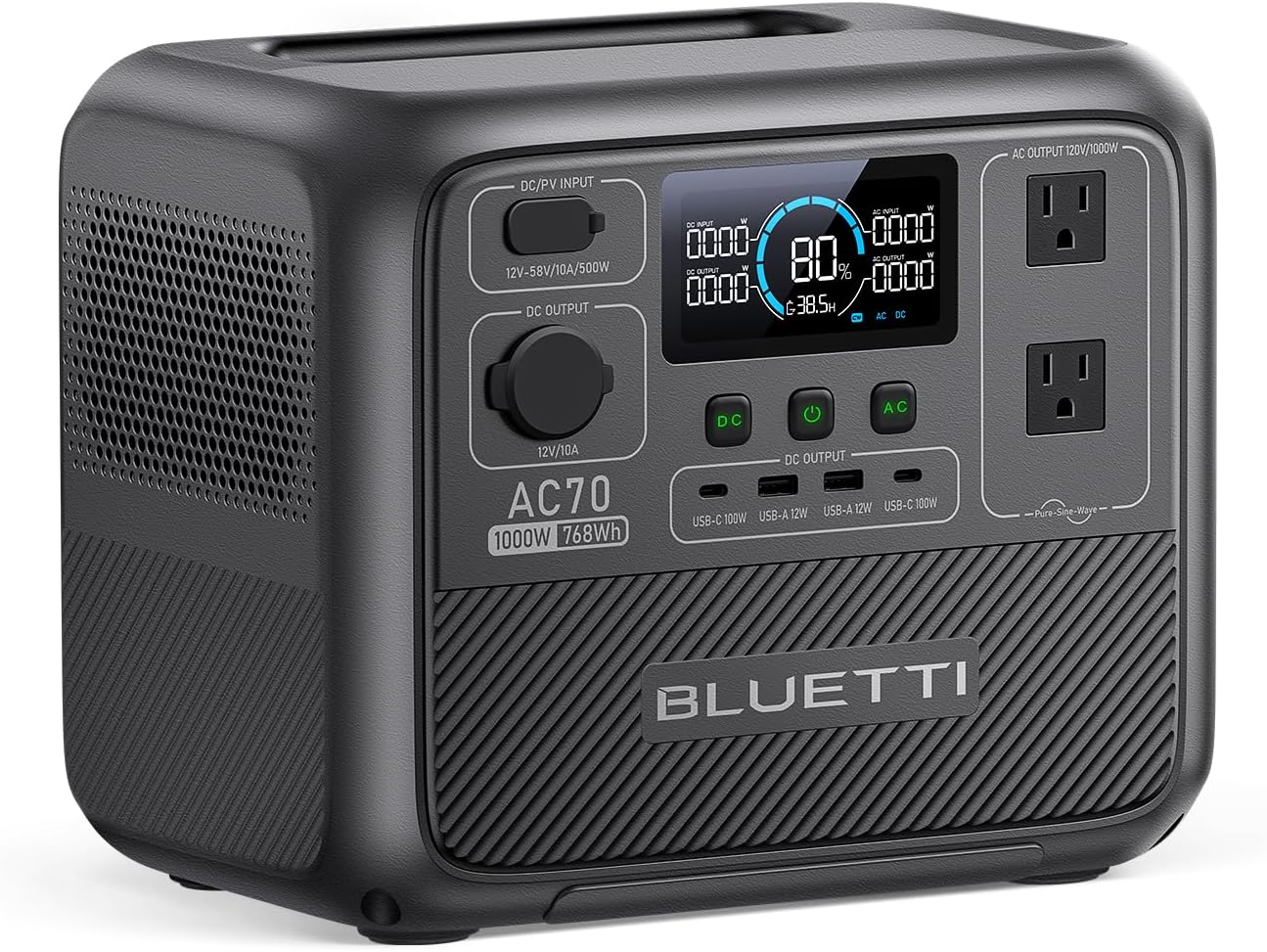
The EcoFlow DELTA 3 Plus at $649 is a perfect example: it offers specs that would have cost $1,200+ just two years ago. The Bluetti AC70 at $499 delivers 768Wh of LiFePO4 storage at a price point that was previously only available in budget NMC stations.
Forecast: Expect another 10-15% price decline over the next 12-18 months as cell costs continue falling and competition intensifies.
Solar Panel Efficiency Is Climbing Past 24%
Portable solar panels are getting meaningfully better. Average cell efficiency for portable panels has climbed past 24% in 2026, up from 21-22% in 2023. This means more watts per square foot — or equivalently, lighter, smaller panels for the same wattage.
Key developments:
- Bifacial panels (like the EcoFlow 220W Bifacial) capture reflected light from the ground, boosting real-world output by 10-25% depending on surface conditions.
- HJT (heterojunction) cells are appearing in premium portable panels, offering better performance in low-light and high-temperature conditions.
- Integrated kickstands and cases have improved dramatically, making setup faster and panels more durable during travel.
The practical impact: a 200W portable panel in 2026 produces as much real-world power as a 250W panel from 2023, while weighing less and packing smaller. For solar panel and power station pairing advice, see our compatibility guide.
The Brand Landscape Is Shifting
Three brands have dominated portable power for years: EcoFlow, Bluetti, and Jackery. They still lead, but the competitive landscape is changing fast.
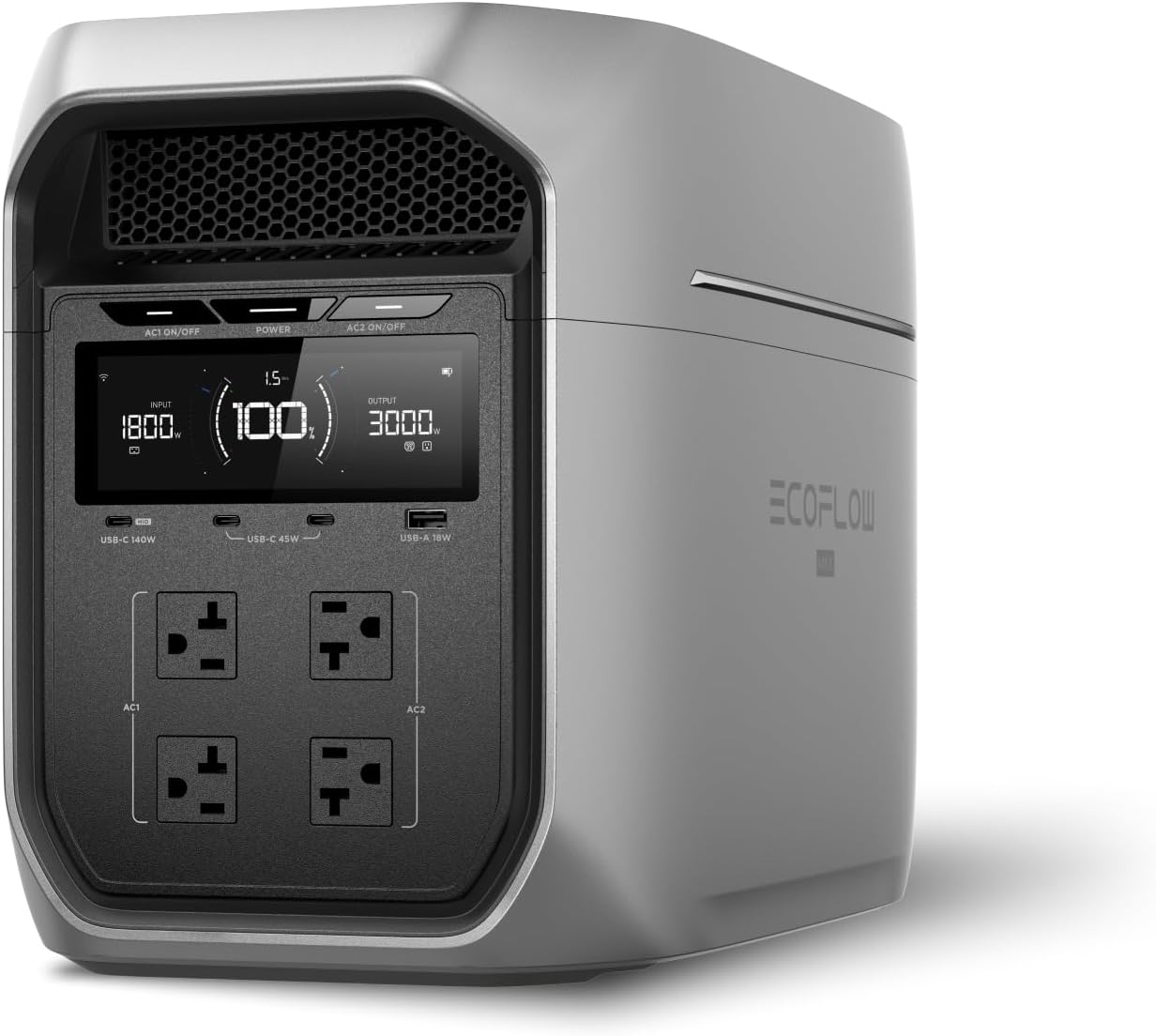
EcoFlow remains the innovation leader. Their DELTA 3 Plus set a new price-to-performance benchmark, and the DELTA Pro 3 blurs the line between portable power and home energy storage. Their app ecosystem and smart home integration are best-in-class.
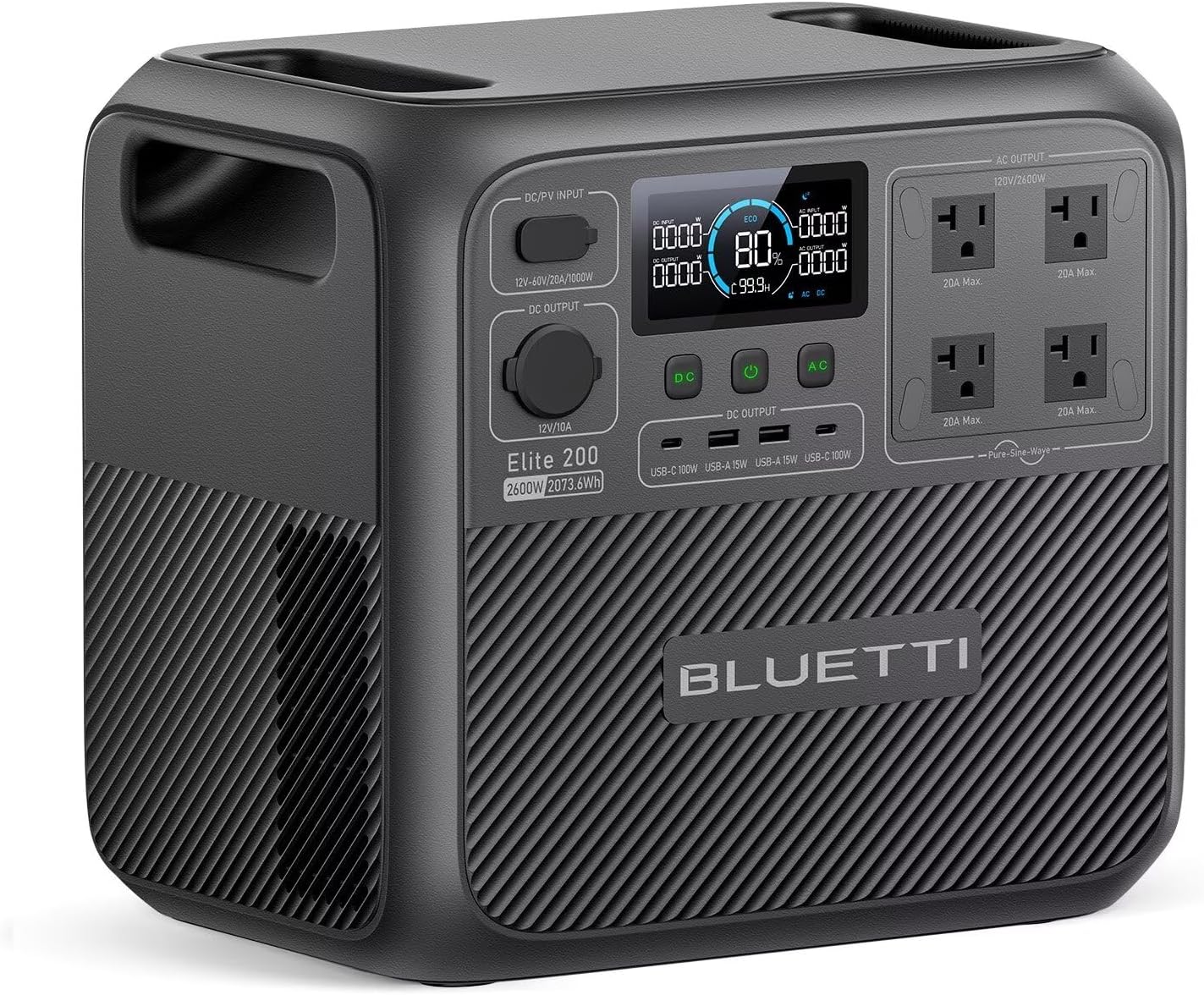
Bluetti has carved out the value-and-capacity niche. The Elite 200 V2 and AC70 offer aggressive pricing with solid performance. Bluetti’s expansion modules and home integration options are competitive with EcoFlow.
Jackery pioneered the portable solar generator category and retains strong brand recognition and retail distribution. Their proprietary connector ecosystem remains a drawback, but build quality and customer support keep them relevant. The Explorer 1000 v2 is still a popular camping pick.
The challengers gaining ground:
- Anker (SOLIX series) has leveraged its consumer electronics reputation and distribution channels to become a serious contender. The SOLIX C1000 matches EcoFlow and Bluetti on specs while undercutting on price. Anker’s brand trust among non-enthusiast consumers is a significant advantage.
- VTOMAN is the emerging value leader, offering LiFePO4 stations at prices 20-30% below established brands. Build quality has improved substantially, though app features and ecosystem depth still lag behind the big three.
Solid-State Batteries: The Next Frontier
The most watched technology in portable power is solid-state batteries. These replace the liquid electrolyte in conventional lithium cells with a solid material, promising:
- Higher energy density: 2-3x more energy per volume, meaning significantly smaller and lighter stations for the same capacity
- Faster charging: Potentially 2-5x faster than current LiFePO4 stations
- Longer lifespan: Projected 10,000+ cycles
- Improved safety: No liquid electrolyte means no leakage risk and even better thermal stability than LiFePO4
Yoshino entered the market early with the B2000 SST, a solid-state-adjacent power station that demonstrated the technology’s potential. However, true solid-state batteries at scale remain 2-4 years away for the portable power industry. Manufacturing costs need to fall significantly before solid-state can compete with LiFePO4’s now-mature pricing.
What to expect: LiFePO4 will remain the dominant chemistry through at least 2028. Solid-state will appear first in premium products before trickling down to mid-range stations.
Sodium-Ion Batteries: The Dark Horse
Less hyped but potentially more impactful in the near term: sodium-ion (Na-ion) batteries. These use abundant, cheap sodium instead of lithium, offering:
- Much lower material costs — sodium is approximately 1,000x more abundant than lithium
- Good cycle life — early Na-ion cells show 2,000-4,000 cycles
- Better cold-weather performance than LiFePO4
- Lower energy density than LiFePO4 (the main tradeoff — heavier stations for the same capacity)
Several Chinese manufacturers are already producing Na-ion cells at scale for e-bikes and grid storage. Portable power stations using Na-ion could appear in the next 12-24 months, likely positioned as ultra-budget options where weight isn’t critical (home backup, for example).
Home Battery Integration: The Blurring Line
The biggest structural trend in 2026 is the convergence of portable power stations and home battery systems. Products like the EcoFlow DELTA Pro 3 can integrate with home electrical panels, function as UPS systems, participate in time-of-use electricity arbitrage, and connect to rooftop solar installations.
This blurring means:
- Power stations are becoming viable entry points to home energy storage without the $10,000+ cost of dedicated systems like Tesla Powerwall
- Brands are building transfer switch compatibility and panel integration directly into their flagship stations
- The “portable” power station of 2026 might spend 90% of its life plugged into your home panel, functioning as a stationary battery with the option to be portable when needed
For homeowners considering whole-home backup, see our guide to the best home battery backup systems.
What to Buy Right Now vs. What to Wait For
Buy now if:
- You need portable or backup power today — current LiFePO4 stations are mature, reliable, and well-priced
- You’re eyeing a station that’s already on sale (2026 pricing is excellent)
- You want the best solar panel + power station combo for camping season
Consider waiting if:
- You want the absolute lowest price — prices will continue falling through 2026 and into 2027
- You’re interested in solid-state or sodium-ion technology — first-generation products should appear within 1-2 years
- Your needs aren’t urgent and you can afford to see what the next product cycle brings
The portable power industry is moving fast, but the fundamentals are strong. LiFePO4 technology is proven, prices are at historic lows, and solar efficiency keeps climbing. Whatever you buy today will serve you well for years — and that’s the best indicator of a maturing, healthy market.
Browse our best portable power stations of 2026 for current recommendations, or use our Power Station Calculator to find the right size for your needs.
Recommended Power Stations
EcoFlow
EcoFlow DELTA 3 Plus
EcoFlow's newest mid-range flagship. The DELTA 3 Plus improves on the Delta 2 with faster charging, LiFePO4 chemistry, and UPS functionality — all at a lower price.
Frequently Asked Questions
What battery chemistry do most power stations use in 2026?
LiFePO4 (lithium iron phosphate) is now the standard across all major brands. It replaced NMC (lithium nickel manganese cobalt) as the dominant chemistry between 2022-2024. LiFePO4 offers 3,000-6,000 charge cycles (vs 500-1,000 for NMC), is more thermally stable, and prices have dropped enough to close the former cost gap. You should not buy an NMC power station in 2026.
Are portable power stations getting cheaper?
Yes, significantly. Prices have dropped approximately 30% since 2023. A 1,000Wh LiFePO4 power station that cost $1,000-1,200 in 2023 now sells for $600-800. This is driven by falling LiFePO4 cell costs, increased manufacturing scale, and intense competition among brands like EcoFlow, Bluetti, Jackery, and Anker. Expect further price declines of 10-15% over the next 1-2 years.
What is a solid-state battery and when will power stations use them?
Solid-state batteries replace the liquid electrolyte in conventional lithium batteries with a solid material, offering higher energy density, faster charging, and improved safety. Yoshino's B2000 was an early mover in this space. However, widespread adoption in portable power stations is still 2-4 years away due to manufacturing cost and scale challenges. Expect LiFePO4 to remain dominant through at least 2028.
Ready to Buy? Here's What We Recommend
Based on our testing and this guide, these are the best options for most people: