Guide
Portable Power Station Safety: Everything You Need to Know

TL;DR
Are portable power stations safe? Yes — but there are important rules to follow. This guide covers battery chemistry, BMS protection, charging precautions, certifications, storage, and airline restrictions.
“Is this thing going to catch fire in my house?”
It’s the first question people ask about portable power stations, and it’s fair. You’re putting a large lithium battery in your living space. You want to know if it’s safe.
The short answer: yes, portable power stations from reputable brands are safe for indoor use. But like any electrical device, there are rules. Ignore them and you’re asking for trouble. Follow them and you’ll have a reliable, worry-free power source for years.
Here’s everything you need to know.
Battery Chemistry Matters: LFP vs. NMC
The single biggest factor in power station safety is the battery chemistry inside. There are two main types used in portable power stations today:
LFP (Lithium Iron Phosphate / LiFePO4)
LFP is the safer chemistry, and it’s what most modern power stations use. Here’s why:
- Thermally stable up to 270°C (518°F). LFP cells don’t experience thermal runaway — the chain reaction where a battery overheats and ignites — under normal operating conditions.
- No cobalt. Cobalt is the element in lithium batteries most associated with fire risk and instability.
- Longer cycle life. LFP batteries last 3,000-5,000 charge cycles before degrading to 80% capacity, compared to 500-1,000 for NMC.
If you see “LiFePO4” or “LFP” in the specs, that’s the safer option.
NMC (Nickel Manganese Cobalt)
NMC batteries are lighter and more energy-dense, which is why they were popular in early portable power stations. But they’re less thermally stable than LFP:
- Thermal runaway starts around 150°C (302°F) — significantly lower than LFP.
- Higher energy density means more energy stored per cell — which means more energy released if something goes wrong.
- Shorter lifespan — both in cycle count and calendar years.
NMC isn’t dangerous in a well-designed product with proper protections, but LFP is objectively the safer choice. Most reputable brands have transitioned to LFP for their current product lines.
For a deeper comparison, see our guide on LFP vs. NMC batteries.
The BMS: Your Power Station’s Built-In Safety Net
Every quality power station includes a Battery Management System (BMS) — a circuit board that continuously monitors and protects the battery. A good BMS handles:
- Overcharge protection: Stops charging when the battery reaches 100%, preventing the dangerous heat buildup that comes from pushing past full capacity.
- Over-discharge protection: Shuts off output before the battery drops too low, which prevents permanent cell damage.
- Short-circuit protection: Instantly cuts power if a short circuit is detected, preventing sparks, heat, and potential fire.
- Over-temperature protection: Reduces output or shuts down entirely if the battery temperature gets too high.
- Over-current protection: Limits the amount of current flowing out, preventing damage to the inverter and wiring.
- Cell balancing: Ensures all battery cells charge and discharge evenly, preventing any single cell from being stressed beyond its limits.
The BMS is why a $500 power station from EcoFlow or Bluetti is fundamentally different from a $50 battery pack from an unknown brand. The battery cells might even be similar — it’s the protection circuitry and engineering that justifies the price.
Safety Rules You Should Actually Follow
Don’t Use It in Rain or Standing Water
Most power stations have zero waterproofing — no IP rating at all. Water and high-voltage electronics don’t mix. If you’re using one outdoors, keep it under a canopy, inside a tent vestibule, or in a covered area. Even heavy humidity can cause problems over time if the unit is exposed repeatedly.
Don’t Block the Vents
Power stations generate heat during charging and discharging. The internal fans and ventilation system need airflow to manage that heat. Pushing the unit against a wall, covering it with a blanket, or stuffing it into an unventilated cabinet restricts airflow and can cause overheating — which triggers the thermal protection shutdown at best and damages components at worst.
Leave at least 4-6 inches of clearance around all vented sides.
Don’t Charge in Extreme Cold
Charging lithium batteries below 32°F (0°C) can cause lithium plating — where lithium metal deposits on the anode instead of being absorbed properly. This permanently reduces capacity and, in extreme cases, can create internal short circuits.
Most quality stations have low-temperature charging protection that simply won’t accept a charge below freezing. But cheaper units may lack this safeguard. If you’re in a cold environment, bring the station inside to warm up before charging.
Discharging in cold temperatures is generally fine down to about -4°F (-20°C), though you’ll see reduced capacity.
Don’t Leave It in a Hot Car
Interior car temperatures can exceed 140°F (60°C) in summer. Prolonged exposure to extreme heat degrades lithium battery cells and can push even LFP chemistry toward its thermal limits. If you’re storing a power station in your vehicle, park in the shade and crack a window, or bring it inside during heat waves.
Use the Right Charging Equipment
Always use the charger that came with your power station, or an officially recommended replacement. Third-party chargers with the wrong voltage or amperage can bypass the BMS protections or deliver more power than the charging circuit is designed to handle.
For solar charging, make sure your panel’s voltage and amperage are within the station’s specified input range. Our solar panel compatibility guide walks through how to verify this for any panel-station pairing.
Certifications to Look For
When evaluating a power station’s safety, check for these certifications:
- UL 2743: The specific UL standard for portable power packs. This means the product has been tested for electrical safety, fire resistance, and mechanical integrity by Underwriters Laboratories.
- FCC Part 15: Ensures the device doesn’t emit harmful electromagnetic interference. Required for sale in the US.
- DOE Compliance: Department of Energy efficiency standards.
- UN 38.3: Transportation safety testing for lithium batteries. Required for shipping.
Red flag: If a power station lists no certifications at all, or only lists vague claims like “CE certified” with no supporting documentation, be skeptical. Reputable brands prominently display their UL and FCC certifications.
Airline and Travel Restrictions
Planning to fly with a power station? Here’s the reality:
| Battery Capacity | FAA Status | Notes |
|---|---|---|
| Under 100Wh | Allowed in carry-on | No airline approval needed |
| 100-160Wh | Carry-on with approval | Must ask airline in advance; limit of 2 per person |
| Over 160Wh | Banned on passenger aircraft | Cannot be checked or carried on |
Most portable power stations are well over 160Wh (a 500Wh station is more than 3x the limit), so they’re banned from flights. Even a compact 300Wh station exceeds the limit.
For air travel, you’re limited to power banks — typically units under 100Wh (about 27,000mAh at 3.7V) that can charge phones and tablets but won’t run appliances.
Driving, trains, and buses: No restrictions. You can transport any size power station by ground.
Proper Storage
When you’re not using your power station:
- Store at 60-80% charge. Storing at 100% for months stresses the cells. Storing at 0% risks over-discharge damage. The sweet spot is 60-80%. For more on this, see our power station maintenance tips.
- Keep it in a temperature-controlled space. A bedroom closet, office, or climate-controlled garage is ideal. Avoid attics, uninsulated garages, or sheds where temperatures swing between extremes.
- Check it every 2-3 months. Batteries self-discharge slowly over time. Top it back up to 60-80% if it’s drifted below 50%.
- Store on a non-flammable surface. A concrete floor, metal shelf, or tile is better than wood or carpet — though the real-world fire risk with a quality LFP station is extremely low.
The Bottom Line
Portable power stations are among the safest forms of energy storage available to consumers. The combination of LFP battery chemistry and sophisticated BMS protection makes modern units from reputable brands extremely reliable.
The key is buying from established manufacturers with proper certifications, following basic operating guidelines, and not cutting corners on cheap, uncertified alternatives. Use our Power Sizing Calculator to find your ideal battery size based on the devices you need to run.
Browse our portable power station rankings to find well-reviewed, certified units that meet your power needs without compromising on safety.
Related Reading
- How to Make Your Power Station Last: 7 Maintenance Tips — proper care and storage for maximum lifespan
- LiFePO4 vs Li-NMC Batteries: Why It Matters — a deeper look at the battery chemistries discussed above
- Can You Use a Power Station While Charging? — pass-through charging safety and best practices
- Best Portable Power Stations 2026 — our top-rated picks from certified, reputable brands
Recommended Power Stations
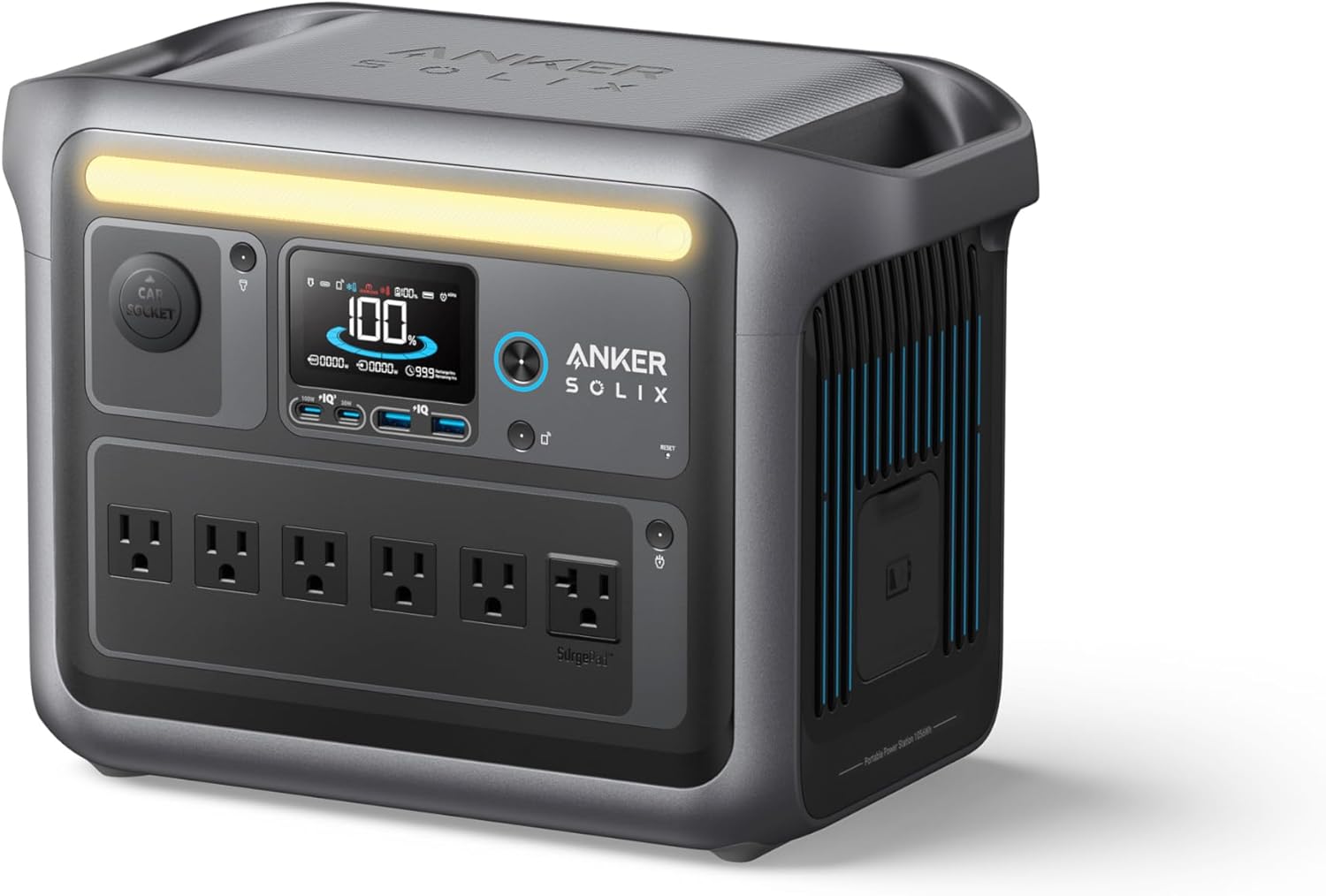
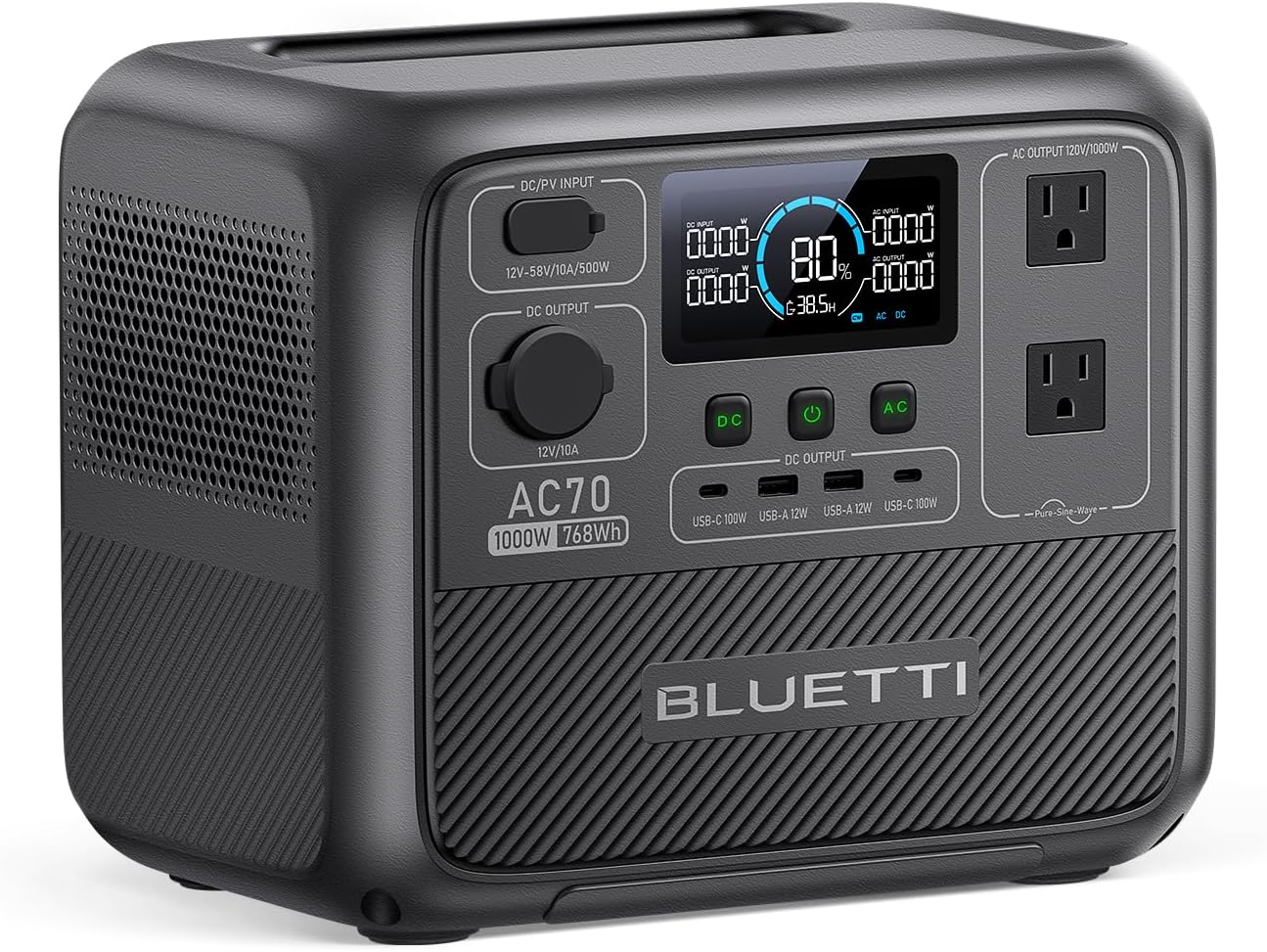
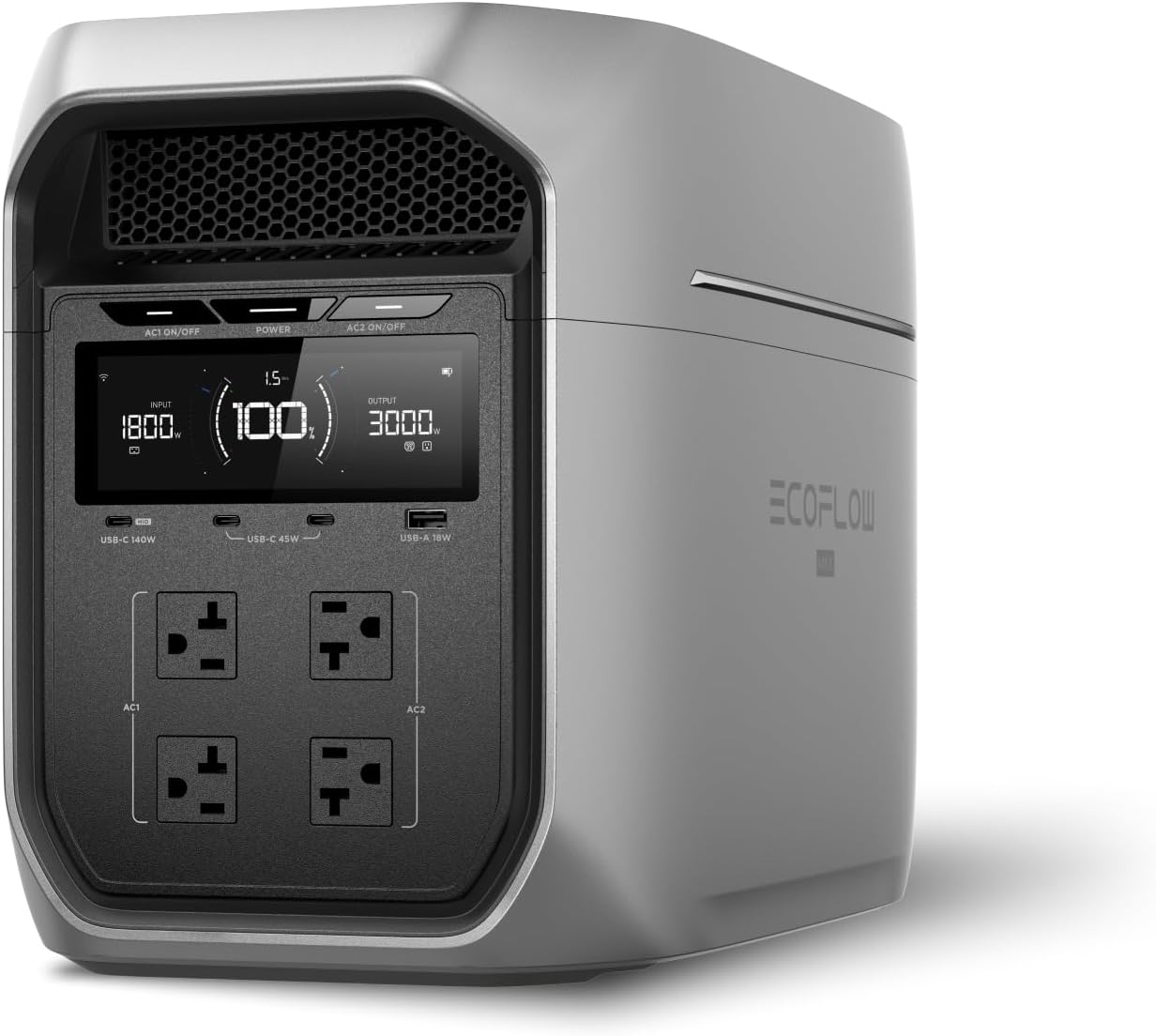
EcoFlow
EcoFlow DELTA 3 Plus
EcoFlow's newest mid-range flagship. The DELTA 3 Plus improves on the Delta 2 with faster charging, LiFePO4 chemistry, and UPS functionality — all at a lower price.
Frequently Asked Questions
Can a portable power station catch fire or explode?
It's extremely unlikely with a quality unit from a reputable brand. Modern power stations include battery management systems (BMS) that prevent overcharging, overheating, and short circuits. LFP (LiFePO4) batteries are especially safe — they're thermally stable and don't experience thermal runaway like older lithium-ion chemistries. The risk increases significantly with cheap, uncertified units from unknown manufacturers.
Is it safe to charge a power station overnight while I sleep?
Yes, with a certified power station from a reputable brand. The BMS will manage the charging process and stop drawing power when the battery is full. That said, don't charge it on a flammable surface (like a bed or couch) and make sure the vents aren't blocked. A hard floor or table is ideal.
Can I bring a portable power station on an airplane?
It depends on the battery capacity. The FAA allows lithium batteries under 100Wh in carry-on luggage without airline approval. Batteries between 100-160Wh require airline approval and must be carry-on only. Anything over 160Wh is banned from passenger aircraft entirely. Most portable power stations exceed 160Wh, so only small power banks qualify for air travel.
Is it safe to use a portable power station in the rain?
No. Most portable power stations have no waterproof rating (IP rating). Water can damage internal electronics, short-circuit the battery, and create a shock hazard. If you need to use one outdoors in wet conditions, keep it under a covered area or inside a waterproof shelter — never directly exposed to rain.
Ready to Buy? Here's What We Recommend
Based on our testing and this guide, these are the best options for most people: