Guide
Can You Use a Power Station While Charging? (Pass-Through Charging Explained)

TL;DR
Yes, most modern power stations support pass-through charging. Learn how it works, the difference between pass-through and true UPS mode, which brands support it, and whether it hurts your battery.
The quick answer: yes, you can use almost any modern power station while it’s charging. This feature is called pass-through charging, and it’s standard on the vast majority of portable power stations sold today.
But there’s more to the story. Not all pass-through implementations are equal, it does have some effect on battery health, and there’s a critical difference between basic pass-through and true UPS mode that matters a lot if you’re protecting sensitive electronics.
How Pass-Through Charging Works
When you plug a power station into a wall outlet (or solar panel) and plug devices into the station’s AC outlets at the same time, the incoming power gets routed in a specific order:
- Your connected devices get powered first from the incoming AC supply.
- Any surplus power charges the battery.
- If your devices draw more than the incoming power provides, the battery makes up the difference.
Think of it like a bucket with a hose filling it and a spigot draining it at the same time. As long as water comes in faster than it goes out, the bucket stays full. If you drain faster than you fill, the water level drops — but your spigot never runs dry until the bucket is empty.
This means you can keep your devices running indefinitely while plugged into wall power, and the battery serves as a backup reserve if that wall power goes away.
Pass-Through vs. True UPS: The 20ms Difference
Here’s where it gets important. There are two levels of this feature, and they are not the same thing.
Basic pass-through charging keeps your devices running while the station charges, but if wall power suddenly cuts out, there’s a brief switchover delay — typically 50-500 milliseconds — as the station detects the outage and switches to battery mode. Most devices won’t care about that tiny gap. Lights stay on, fans keep spinning, phone chargers keep charging.
True UPS (Uninterruptible Power Supply) mode switches to battery power in under 20 milliseconds. That’s fast enough that computers, NAS drives, networking equipment, and medical devices like CPAP machines won’t skip a beat. No rebooting, no data loss, no interrupted connections.
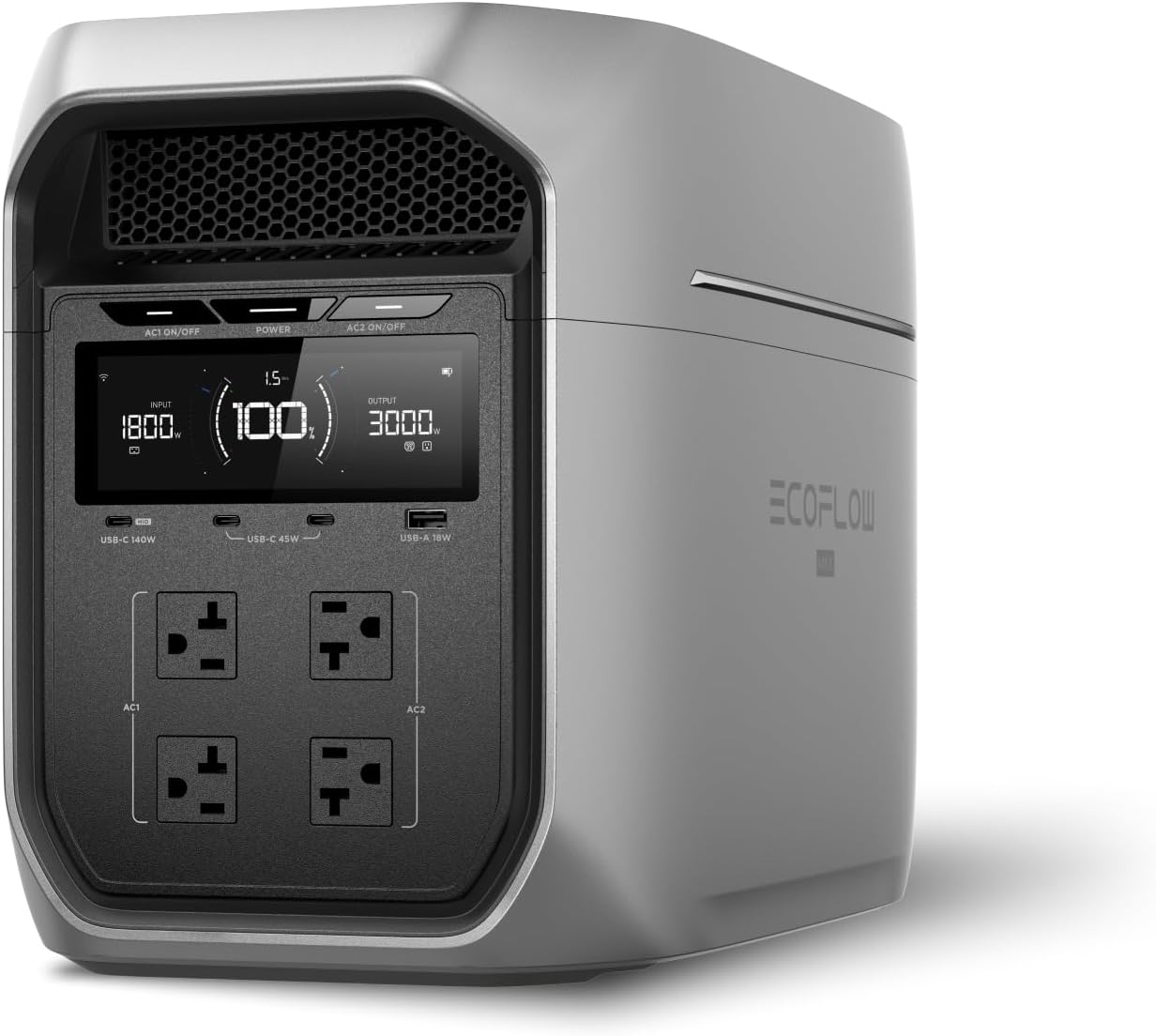
If you’re buying a power station specifically to act as a backup for your home office, router, or any electronics that can’t tolerate even a momentary power blip, you need true UPS mode. The EcoFlow DELTA 3 Plus is one of the best options here, with a switchover time under 20ms and enough capacity to keep critical gear running for hours.
For a deeper comparison of power stations vs. dedicated UPS units, check out our Power Station vs. UPS breakdown.
Which Brands Support Pass-Through Charging?
Almost all of them at this point. Here’s a breakdown:
| Brand | Pass-Through Support | True UPS Mode | Notes |
|---|---|---|---|
| EcoFlow | Yes (all models) | Yes (DELTA series) | Under 20ms switchover on DELTA 3 Plus, DELTA Pro 3 |
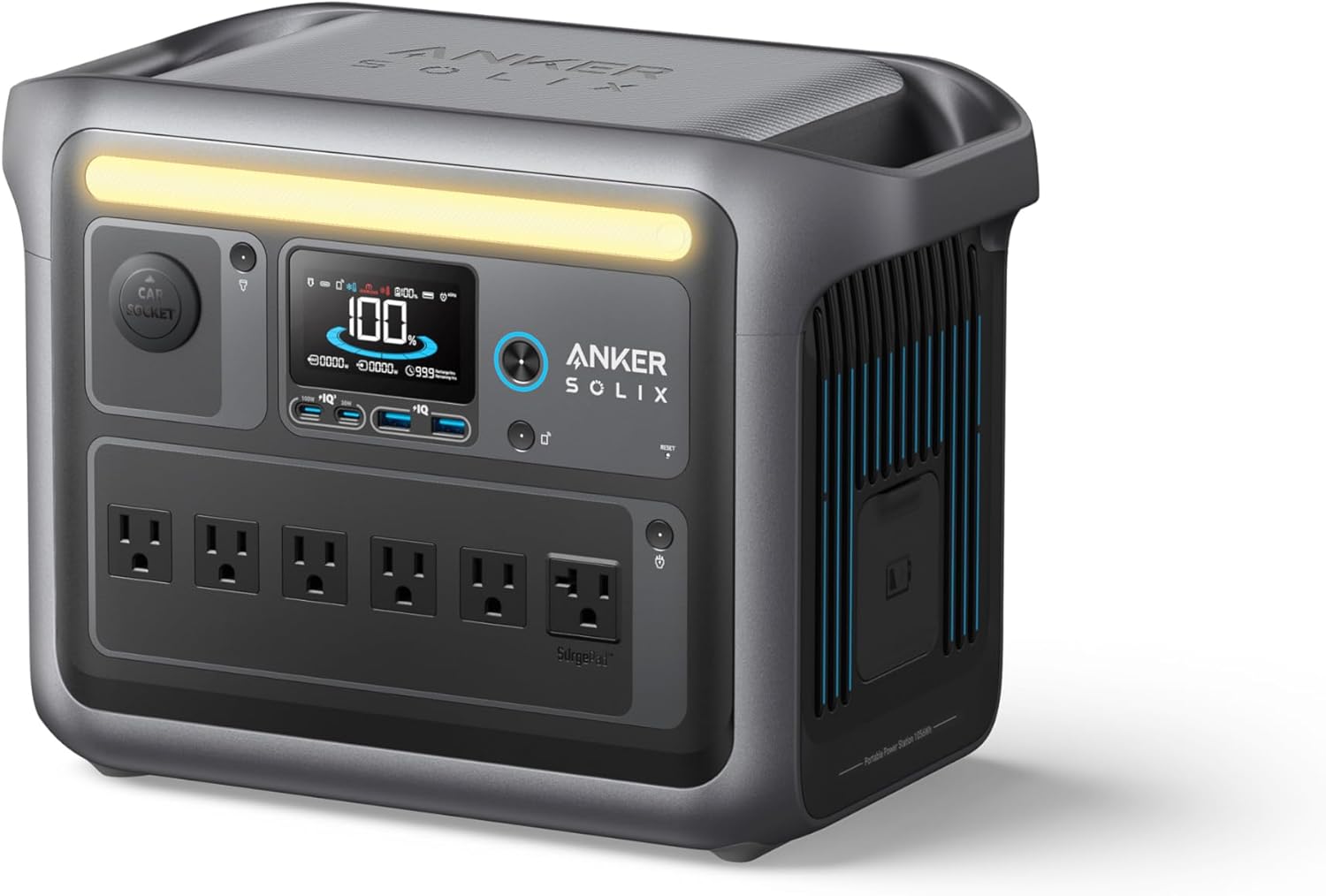
| Anker SOLIX | Yes (all models) | Yes (select models) | Check specs per model |
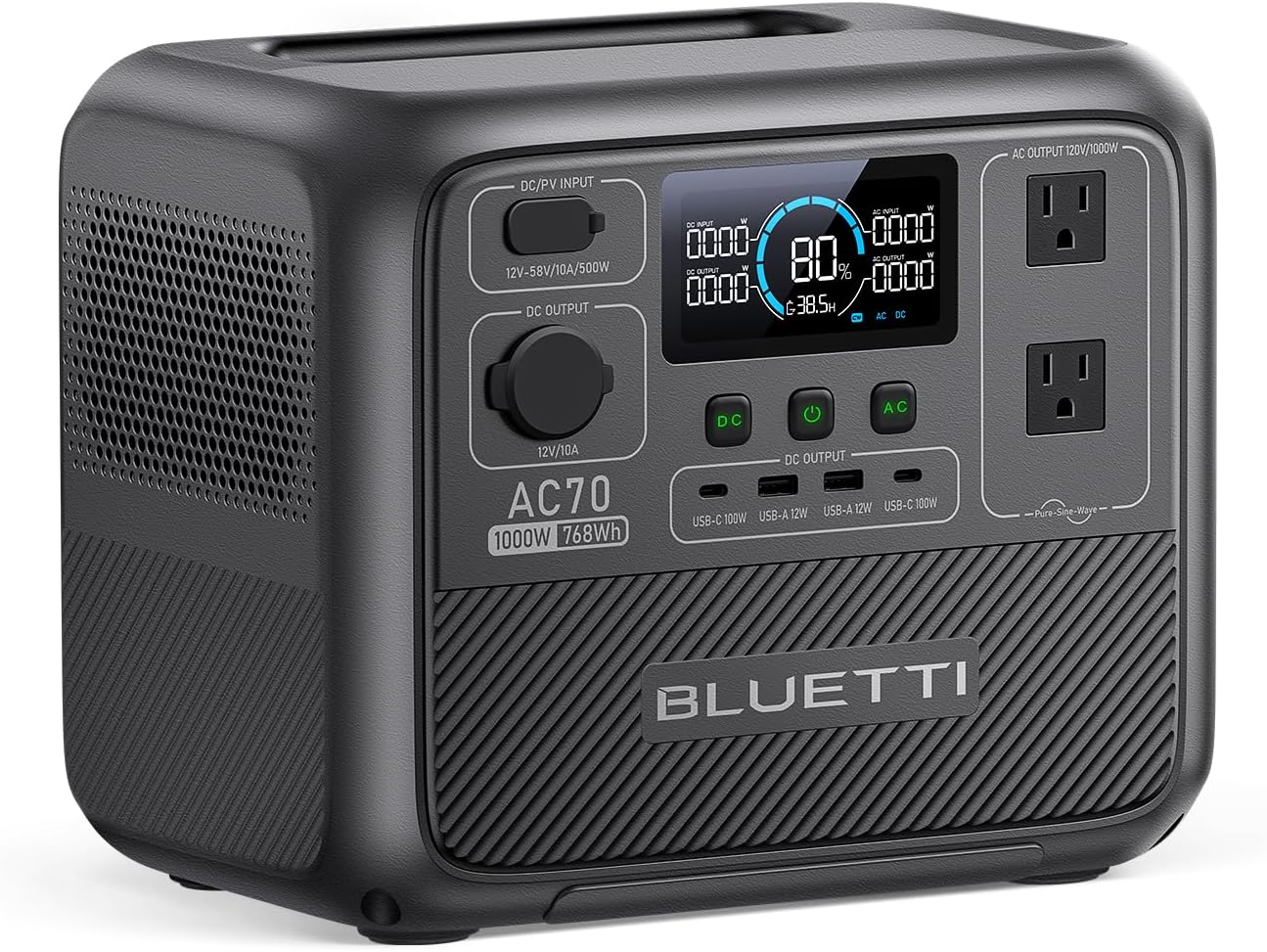
| Bluetti | Yes (all models) | Yes (AC200L, AC300) | Some models have longer switchover |
| Jackery | Yes (most models) | Limited | Explorer Plus series generally supports it |
| Goal Zero | Yes (most models) | Yes (Yeti series) | Yeti line has had UPS mode for years |
The key takeaway: pass-through is essentially universal now. True UPS mode is common on mid-range and premium stations but is not always present on budget models. Always check the spec sheet for switchover time if UPS functionality is important to you.
Browse our full power station catalog to compare models with UPS support.
Does Pass-Through Charging Hurt the Battery?
This is the question everyone asks, and the honest answer is: slightly, but probably not enough to worry about.
Here’s why there’s some impact. When a power station is simultaneously charging and discharging, the battery does more work. More charge-discharge micro-cycles add up over time. The battery also generates more heat during pass-through operation, and heat is the number one enemy of lithium battery longevity.
However, modern power stations are designed with this use case in mind. Most have battery management systems (BMS) that intelligently route power to minimize unnecessary cycling. Many stations with pass-through will power your devices directly from the AC input and only trickle-charge the battery — the battery isn’t constantly cycling up and down.
Practical advice for minimizing wear:
- Don’t use pass-through as a permanent setup for months on end. If you need always-on backup power, a dedicated UPS is a better fit for that specific job.
- Keep the station well-ventilated. Heat buildup during simultaneous charging and discharging is the main concern. Don’t enclose it in a cabinet or closet.
- LFP batteries handle it better than NMC. Lithium iron phosphate (LFP) cells are rated for 3,000-5,000 cycles and tolerate the added stress of pass-through much better than NMC chemistry at 500-1,000 cycles. If you plan to use pass-through frequently, buy an LFP station. Read more about the differences in our LiFePO4 vs. NMC battery guide.
- Keep the charge level between 20-80% when possible. This reduces stress on the cells regardless of whether you’re using pass-through.
Common Pass-Through Use Cases
Home office backup. Plug your monitor, laptop, router, and desk lamp into the power station. Plug the station into the wall. Everything runs normally off wall power, but if the grid goes down, your workday continues without interruption.
Bedside CPAP backup. Keep your CPAP plugged into the power station overnight, with the station plugged into the wall. If power cuts out at 3 AM, your therapy continues uninterrupted while you sleep through the outage. See our best power station for CPAP guide for top picks.
Entertainment center protection. TV, gaming console, streaming box — all protected from sudden shutoffs that can corrupt data or damage hardware.
Storm season readiness. Keep the station plugged in and fully charged. When the storm hits and the grid drops, your critical devices are already connected and switch over seamlessly. Make sure you’ve planned your load with our Power Sizing Calculator so you know exactly how long your station will last. You may also want to review our emergency preparedness checklist before storm season arrives.
The Bottom Line
Pass-through charging is a standard, safe, and genuinely useful feature on modern power stations. The vast majority of stations support it, the impact on battery health is minimal with reasonable use, and if you choose a station with true UPS mode, you get seamless protection for sensitive electronics.
If you’re shopping for a power station that doubles as a home backup UPS, start with our EcoFlow DELTA 3 Plus review — it’s one of the strongest options for this exact use case. Or browse the full power station lineup to find the right fit for your needs.
Related Reading
- Power Station vs. UPS: Which Do You Need? — a deeper comparison of dedicated UPS units vs. power stations
- Power Station Maintenance Tips — how to minimize wear from pass-through use and extend battery life
- Best Power Station for Home Backup — top picks for always-on home backup setups
- Portable Power Station Safety Guide — charging precautions, ventilation, and certification guidance
Recommended Power Stations
EcoFlow
EcoFlow DELTA 3 Plus
EcoFlow's newest mid-range flagship. The DELTA 3 Plus improves on the Delta 2 with faster charging, LiFePO4 chemistry, and UPS functionality — all at a lower price.
Frequently Asked Questions
Can you use a portable power station while it's charging?
Yes, most modern portable power stations support pass-through charging, which lets you draw power from the outlets while the station charges simultaneously. The incoming power goes to your devices first, with the surplus charging the battery. Nearly all major brands including EcoFlow, Anker, Bluetti, and Jackery support this feature.
Does pass-through charging damage the battery?
Pass-through charging can slightly accelerate battery wear over time because the battery undergoes more charge cycles and may experience increased heat. However, most modern stations with LFP batteries are designed to handle it well. To minimize impact, avoid running pass-through continuously for weeks on end and keep the station in a well-ventilated area.
What is the difference between pass-through charging and UPS mode?
Basic pass-through charging keeps your devices powered while the station charges, but there may be a brief interruption (50-500ms) if wall power cuts out. True UPS mode switches to battery power in under 20 milliseconds — fast enough that sensitive electronics like computers and networking gear won't reboot or lose data.
Which power stations have true UPS mode?
EcoFlow DELTA 3 Plus, EcoFlow DELTA Pro 3, Bluetti AC200L, and several Anker SOLIX models offer true UPS functionality with switchover times under 20ms. Always check the manufacturer's specs for the exact switchover time, as not all models in a brand's lineup include this feature.
Ready to Buy? Here's What We Recommend
Based on our testing and this guide, these are the best options for most people: