Guide
RV Season Starts: Complete Guide to RV Lithium Battery Systems for Summer Boondocking

TL;DR
A van-dweller's real-world guide to building an RV lithium battery bank for summer boondocking. Sizing, wiring basics, cold-soak realities, and the LiFePO4 batteries I actually trust.
The first summer I went full-time, I tried to boondock the Fourth of July weekend on two flooded lead-acid batteries that came with my van. By the second afternoon I was rationing fridge runtime, running my laptop off a coffee shop outlet, and listening to my neighbor’s generator drone until 10 p.m. By August I had ripped all of it out and switched to lithium. I have never looked back, and I have spent the four summers since testing battery banks across 34 states, from 110F desert BLM land to humid Smoky Mountain hollows.
Summer is when your RV electrical system gets stress-tested. The fridge cycles harder, the fans run all night, and you are parked in the sun more than you would like. This is the guide I wish someone had handed me before that first July: how to size a LiFePO4 bank, how the wiring actually goes together, what summer heat does to your cells, and the specific batteries I trust enough to recommend to friends.
Why Lithium Wins for Summer Boondocking
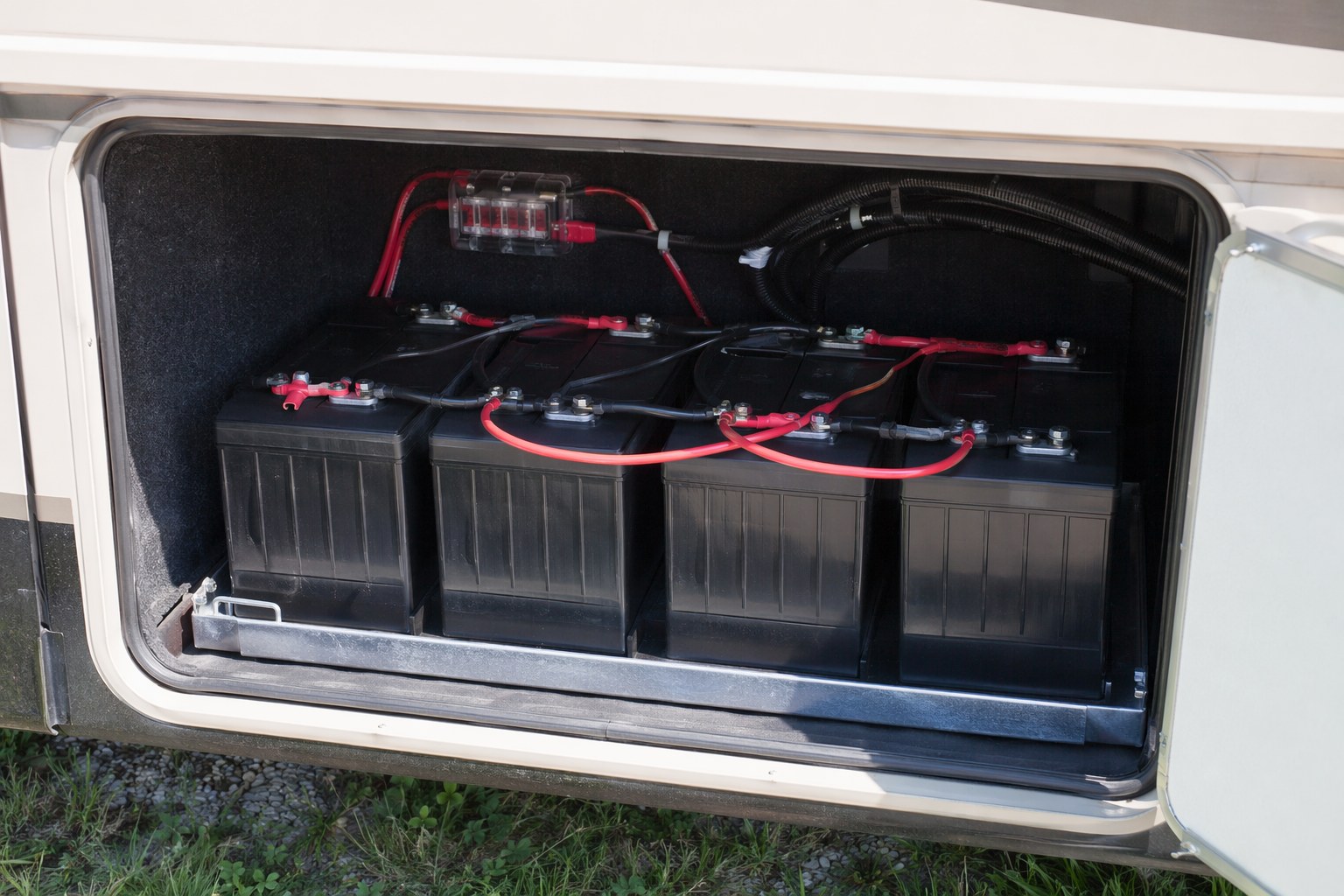
The short version: lithium gives you twice the usable power at a third of the weight, and it does not punish you for using it. With my old lead-acid pair I could only safely pull a battery down to 50 percent before damaging it, which meant my “200Ah” bank was really 100Ah of usable juice. A 200Ah LiFePO4 bank gives you the full 200Ah, all the way down. That difference alone is the whole ballgame on a multi-day boondock.
The other summer-specific advantages add up fast:
- Fast charging when the sun finally cooperates. LiFePO4 accepts a high charge current, so a 200Ah bank can swallow 600 to 800W of solar in the few good hours you get. Lead-acid tapers and wastes that afternoon sun.
- No off-gassing. Sealed LiFePO4 cells do not vent hydrogen the way flooded lead-acid does, so you can mount them inside the living space if your bay is too hot.
- Real cycle life. A quality LiFePO4 battery is rated for 4,000 to 6,000 cycles. At one deep cycle per boondocking night, that is well over a decade of summers.
If you are still weighing the chemistry decision in general, my deeper comparison in the best RV lithium batteries roundup breaks down the lead-acid versus lithium math with lifetime cost-per-cycle numbers.
Sizing Your Bank: Build a Real Power Budget
Do not guess at capacity. Write down every 12V load and what it actually draws. Here is a typical summer boondocking budget for a couple in a 24-foot trailer, based on my own logged numbers:
| Load | Avg Draw | Hours/Day | Daily Wh |
|---|---|---|---|
| 12V compressor fridge | 45W avg | 24 (cycling) | ~720 Wh |
| LED lights | 15W | 4 | 60 Wh |
| Water pump | 60W | 0.5 | 30 Wh |
| Roof/floor fans (x2) | 25W | 10 | 250 Wh |
| Phones + laptop charging | 60W | 4 | 240 Wh |
| Misc (Starlink, speaker, etc.) | 50W | 4 | 200 Wh |
| Daily total | ~1,500 Wh |
That 1,500Wh-per-day budget is exactly why I tell people 200Ah (2,560Wh) is the summer sweet spot. It gives you most of two days of autonomy if a storm rolls in and solar goes quiet. If you run a residential compressor fridge, a CPAP, or want to take the edge off the heat with a fan-heavy night, plan for 300 to 400Ah.
If watt-hours and amp-hours still feel slippery, my complete RV power system guide walks through the conversions and how the inverter, battery, and solar all size off each other.
The Batteries I Actually Recommend
I have lived with all of these or watched friends run them hard. Prices move constantly, so treat these as ballpark.
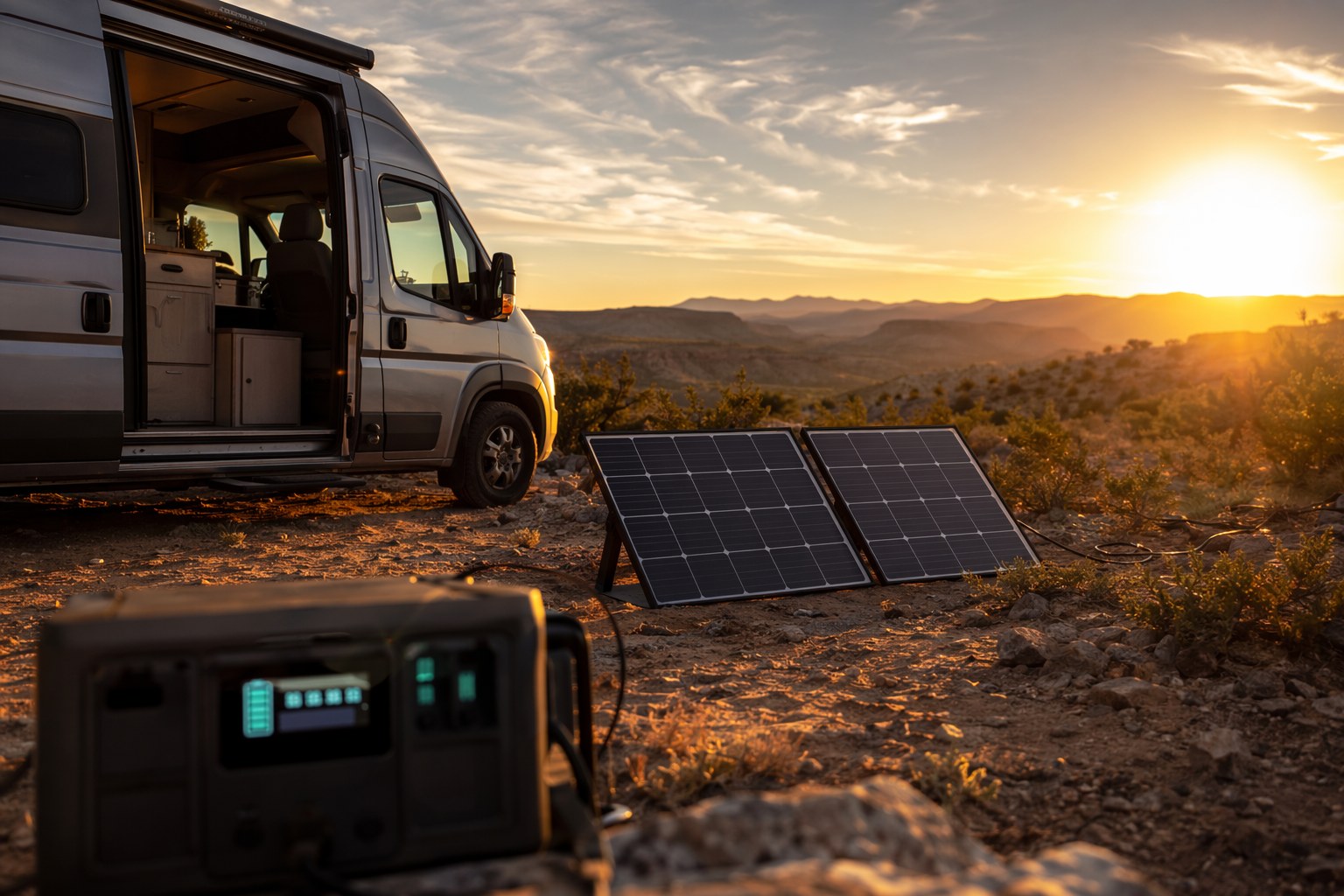
Best overall value: The Renogy 200Ah Smart LiFePO4 is the one I point most people toward. A single battery gives you that full 200Ah, it has built-in Bluetooth so you can watch state of charge from your phone, and the self-heating BMS means you are covered for the shoulder seasons too. One battery, one set of cables, done.
Best premium / longest warranty: The Battle Born 100Ah 12V LiFePO4 is the battery I see in more pro van builds than any other. The 10-year warranty and US-based phone support are worth the premium if you are full-timing and cannot afford downtime. Run two in parallel for a 200Ah bank.
Best budget pair: The LiTime 100Ah 12V has become the default budget pick in the boondocking forums for good reason. Two of them get you to 200Ah for a fraction of the premium-brand cost, and the real-world reliability has held up across the people I know running them.
Best high-capacity single battery: The Redodo 200Ah 12V packs 200Ah into one case like the Renogy, often at a lower price, which simplifies your wiring versus two 100Ah units.
Best for big rigs and AC dreams: If you want to run an inverter-driven rooftop AC for an hour or coast through cloudy days, the Vatrer 12V 300Ah gives you a massive 3,840Wh in a single battery with a 200A BMS that can feed a 2,000W-plus inverter without flinching.
My honest take: most people overspend on capacity and underspend on charging. A 200Ah bank with 600W of solar will outperform a 400Ah bank with 200W of solar every single summer day.
Wiring Basics: Series, Parallel, and the BMS
You do not need to be an electrician, but you do need to respect a few rules.
Parallel for more capacity (same voltage). Two 100Ah 12V batteries wired positive-to-positive and negative-to-negative give you 200Ah at 12V. This is the most common boondocking setup. Use equal-length cables to each battery so they charge and discharge evenly.
Series for higher voltage. Wiring batteries in series (positive of one to negative of the next) adds voltage, not capacity. This is how you build a 24V or 48V system for big inverters. Most RVs stay 12V, so unless you have a specific high-voltage inverter, stick to parallel.
Mind the BMS limits. Every LiFePO4 battery has a battery management system with a continuous current rating. A 100A BMS can deliver roughly 1,200W through your inverter. If you want to run a 2,000W inverter, you need either a battery with a 200A BMS or multiple batteries in parallel sharing the load. This is the single most common mistake I see, and it is covered well in our portable power station mistakes to avoid breakdown, which applies just as much to DIY banks.
Always fuse the main positive cable close to the battery, use the correct wire gauge for your current (4 AWG minimum for most 200Ah banks, 2/0 for big inverters), and never mix old and new batteries in the same bank.
Summer Heat: The Thing Nobody Warns You About
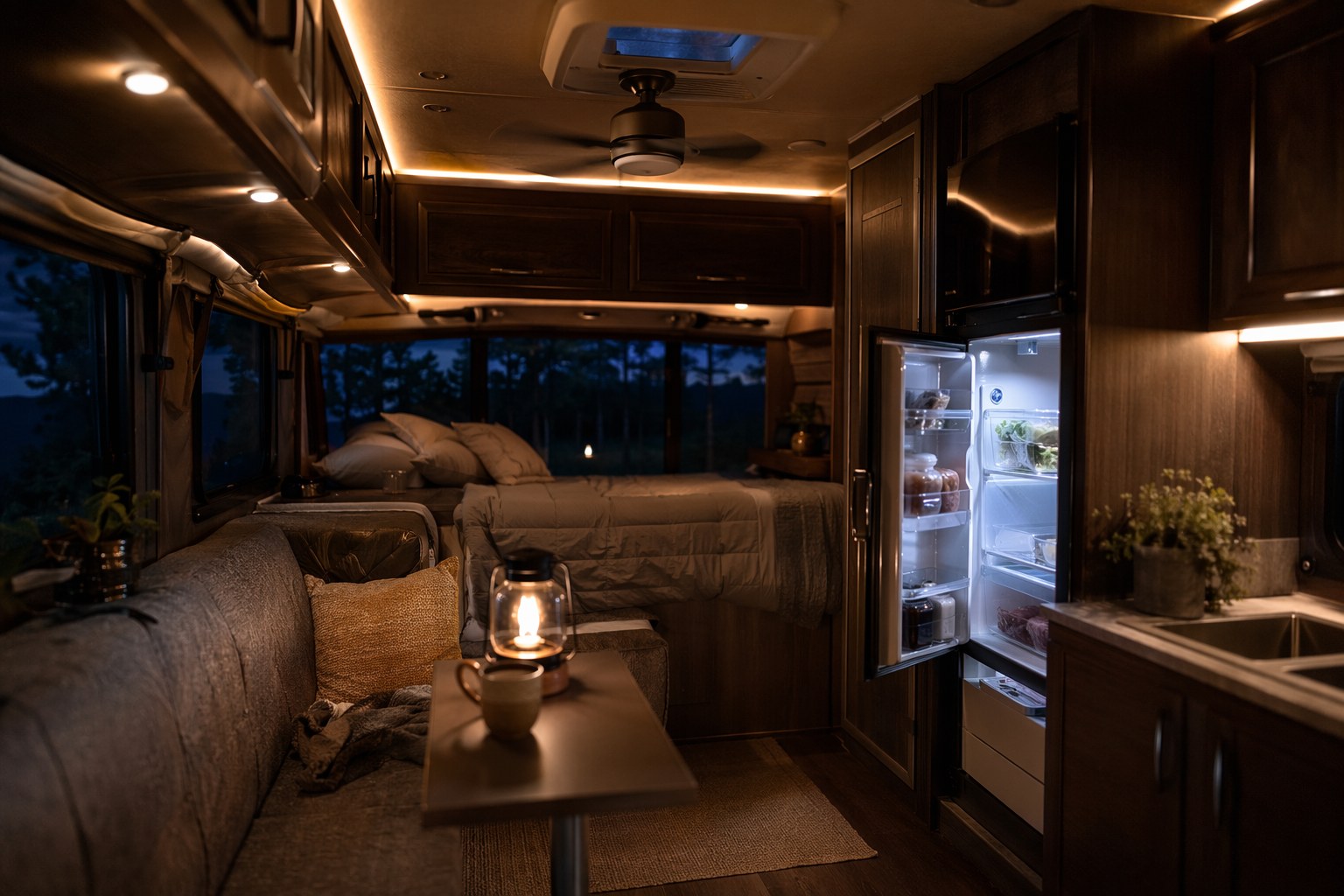
Cold-weather charging gets all the attention, but summer is where I have seen the most real-world battery wear. LiFePO4 is rock-stable and safe in heat, but high temperatures accelerate calendar aging and the BMS will protect itself by throttling or cutting off charge if cells exceed roughly 113 to 131F.
Here is what four desert summers taught me:
- Ventilate the bay. A sealed pass-through compartment can hit 130F by 3 p.m. I added a 12V louvered vent and a small computer fan on a thermostat. Cheap insurance.
- Keep them out of direct sun. If your batteries live in the living space, do not park them against a sun-baked wall.
- Charge in the morning. Schedule the bulk of your solar absorption for the cooler morning hours when you can. Your BMS will thank you.
- Do not panic over a hot cutoff. If your battery stops accepting charge on a brutal afternoon, it is protecting itself. It will resume when it cools.
For the full campsite-level approach, including panel placement and how to chase shade with portable panels, see the RV boondocking power guide.
My Recommended Summer Setup
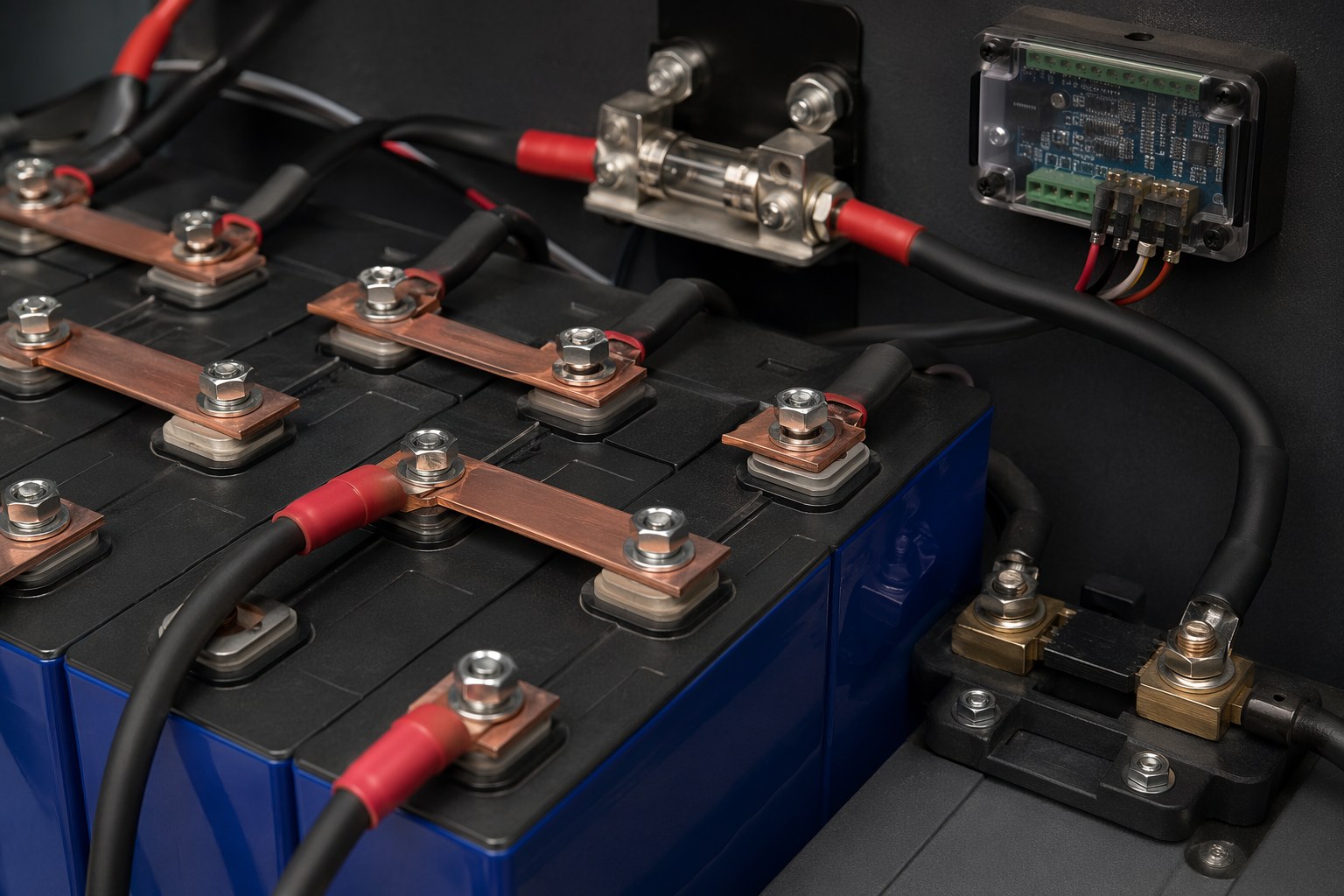
If I were building a fresh boondocking system for a typical trailer or van today, here is exactly what I would do:
- 200Ah of LiFePO4 as the foundation, either one Renogy 200Ah Smart or two LiTime 100Ah in parallel.
- 600W of solar through a quality MPPT charge controller. This is the part that actually decides whether your battery refills before sunset.
- A DC-DC charger wired to the alternator so a travel day tops you off for free.
- A shunt-based battery monitor so you are watching real amp-hours, not guessing at a voltage gauge.
- A properly fused, correctly gauged main run to a pure sine wave inverter sized to your loads.
Get those five things right and you will spend your summer enjoying the view instead of staring at a battery percentage.
Frequently Asked Questions
Do I need to upgrade my converter/charger for lithium? Probably. Many older RV converters charge to a lead-acid profile that never fully fills a LiFePO4 battery and may not use the right absorption voltage. A lithium-aware converter or a DC-DC charger fixes this and lets you actually reach 100 percent.
Can I leave lithium batteries in the RV over a hot summer in storage? Yes, but store them around 50 percent state of charge in the coolest spot you can manage, and disconnect the loads. Storing at full charge in high heat is the worst case for calendar aging.
Is one big battery better than two smaller ones? A single 200Ah battery means simpler wiring and one BMS to monitor. Two 100Ah batteries give you redundancy and easier handling (each is lighter to lift into the bay). Both are valid; I lean toward a single unit for simplicity unless weight per lift is a concern.
The Bottom Line
A well-sized lithium bank is the upgrade that turned boondocking from a chore into the best part of my year. For most RVers, 200Ah of LiFePO4 paired with 600W of solar is the setup that just disappears into the background and lets you stay out longer. Start with a battery you trust, like the Renogy 200Ah Smart or the bulletproof Battle Born 100Ah, give it room to breathe in the summer heat, and feed it well. Do that, and your only decision each evening will be where to point the camp chairs.
Recommended Power Stations
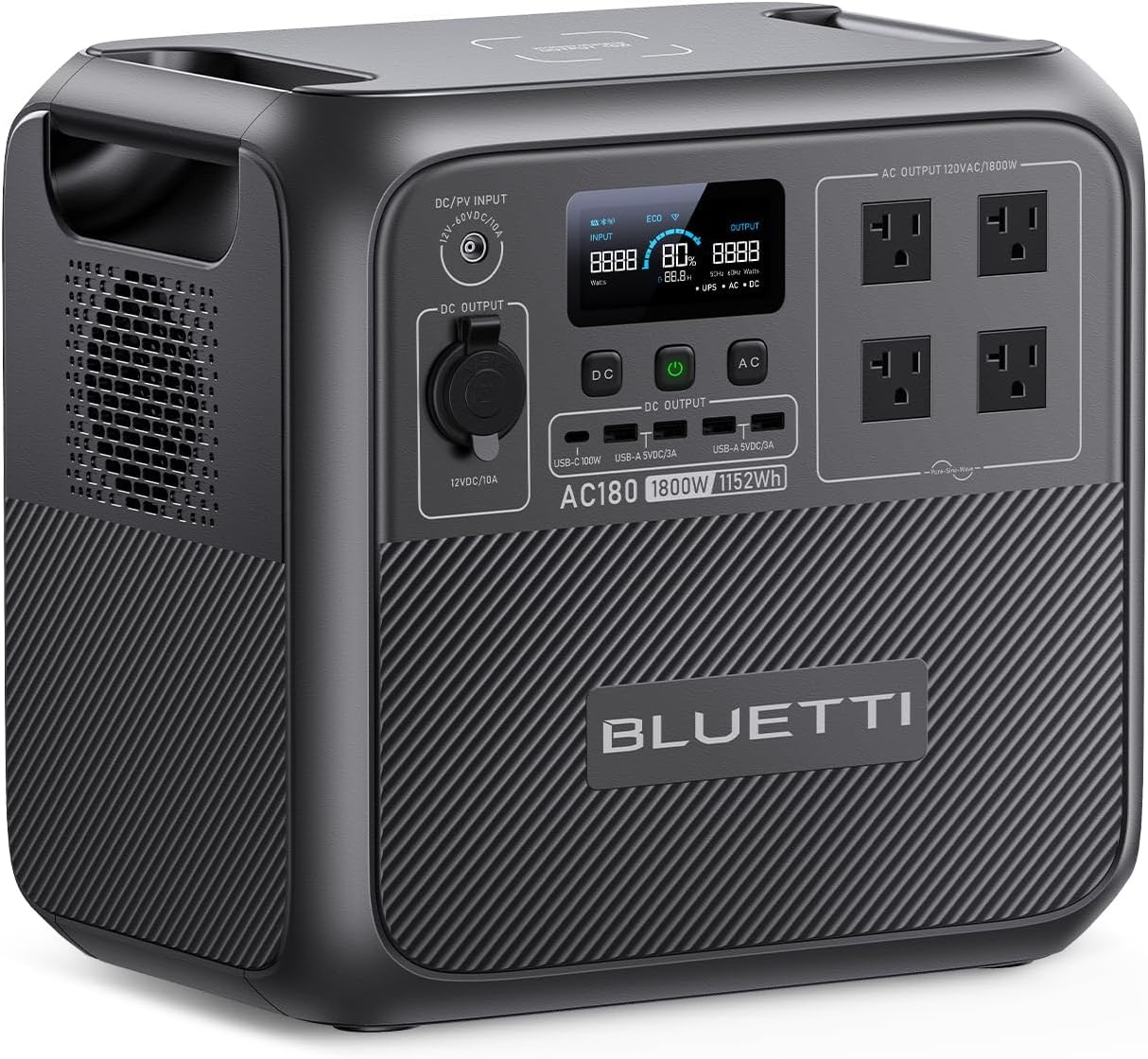
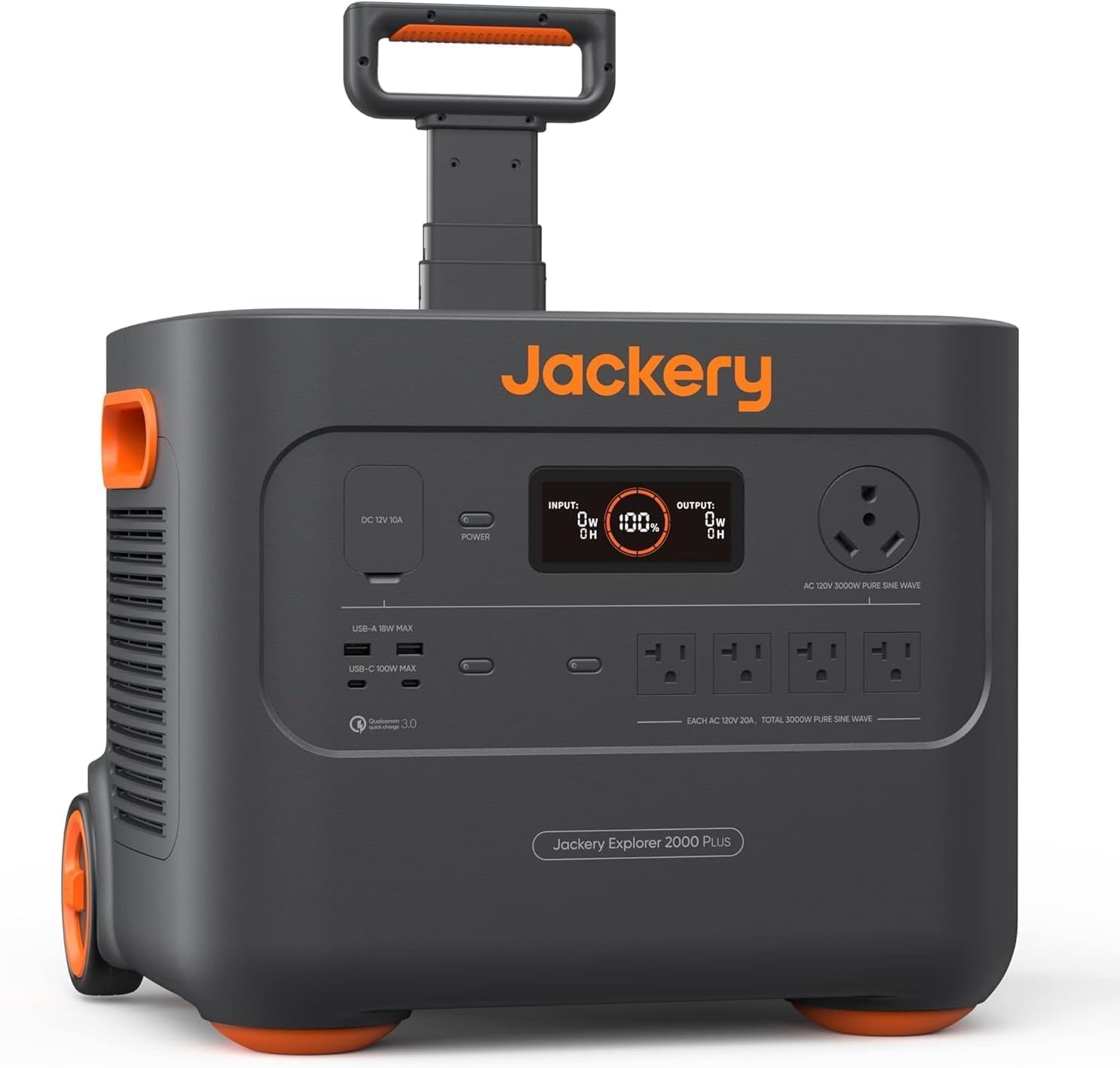
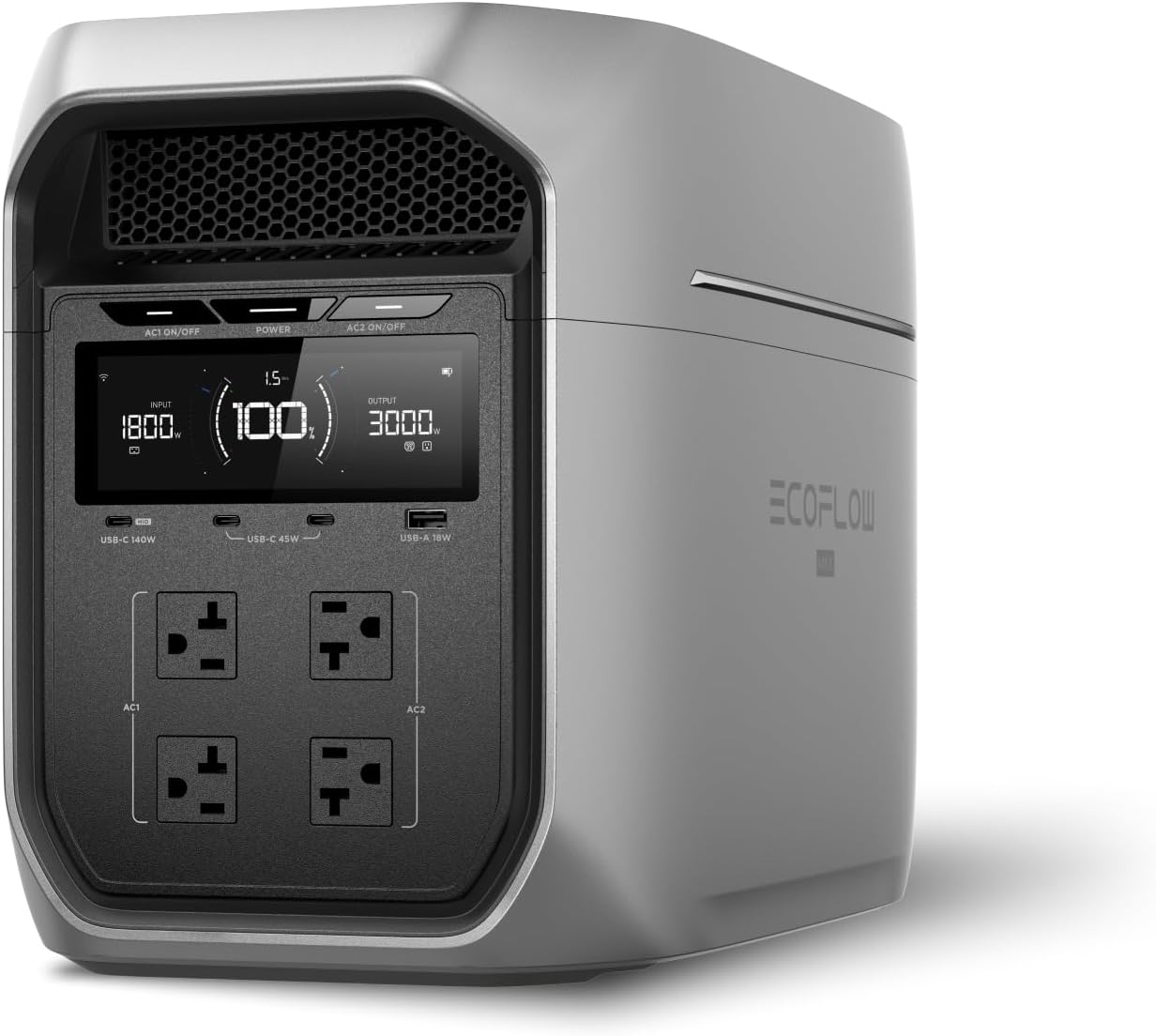
EcoFlow
EcoFlow DELTA 3 Plus
EcoFlow's newest mid-range flagship. The DELTA 3 Plus improves on the Delta 2 with faster charging, LiFePO4 chemistry, and UPS functionality — all at a lower price.
Frequently Asked Questions
How many amp-hours of lithium do I need for summer boondocking?
For most RVers running a 12V fridge, lights, water pump, fans, and device charging, 200Ah (about 2,560Wh) is the comfortable sweet spot for summer. If you add a residential fridge, run a CPAP, or want to nurse a rooftop AC for an hour or two off the battery, step up to 300-400Ah. Solo travelers in a small rig with a propane fridge can often get away with 100Ah, but I'd still recommend 200Ah so you're not babysitting your battery monitor every afternoon.
Can I charge lithium RV batteries from my alternator while driving?
Yes, but you need a DC-DC charger, not a direct connection. LiFePO4 batteries will pull every amp your alternator can give, which can overheat the alternator on a long climb. A DC-DC charger (like a Renogy DCC50S or Victron Orion, roughly 180 to 250 dollars) caps the charge current to a safe level and applies the correct lithium charge profile. It also lets you charge from the alternator and solar at the same time on many models.
Will my lithium batteries survive a hot summer in a sealed RV compartment?
Heat is the enemy of cycle life, not safety, with LiFePO4. The cells are very stable, but charging above roughly 113F and storing above 140F accelerates aging. In summer, the bigger risk is a sealed pass-through bay baking at 130F all afternoon. Add a small ventilation fan or a louvered vent, keep the bank out of direct sun, and you'll preserve those 4,000-plus cycles the spec sheet promises.
Ready to Buy? Here's What We Recommend
Based on our testing and this guide, these are the best options for most people: