Guide
Atlantic Hurricane Season 2026 Officially Begins: Your Complete Power Survival Guide

TL;DR
June 1 marks the official start of Atlantic hurricane season. A complete guide to backup power systems, charging priorities, and disaster preparedness from a CERT-trained prepper.
It is June 1, and that means the Atlantic hurricane season is officially open. From today through November 30, anyone living along the Atlantic or Gulf coasts is in the window where a power outage is no longer a hypothetical. I have spent years preparing households for exactly this stretch of the calendar, and the single most important thing I can tell you is this: the time to build your power plan is right now, while the sky is clear and every power station is in stock at a normal price.
I came to backup power the way most people in emergency preparedness do, which is to say by watching things go badly first. A neighbor’s insulin spoiling in a warm fridge after three days dark. A family running a generator in a closed garage and ending up in the ER. A scramble to find a single power bank at a gas station while a cone of uncertainty crept up the coast. None of that has to happen to you. Here is the complete power survival playbook I run for hurricane season, from the math to the machines to the moment the lights actually go out.
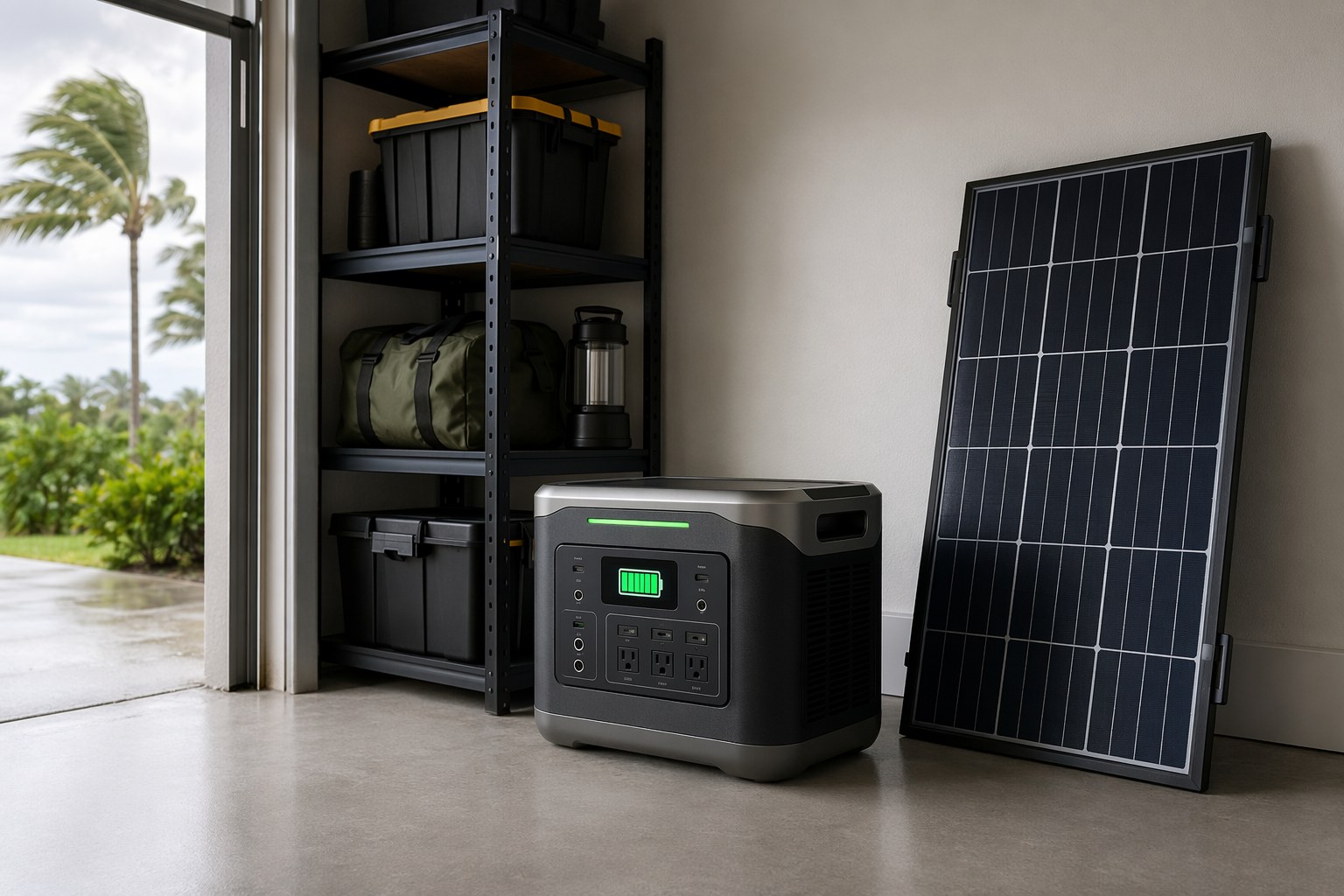
Start With Honest Math, Not a Round Number
The biggest mistake I see is people buying a power station because the capacity number “sounds big.” Watt-hours are not vibes. Before you buy anything, add up what you actually need to keep alive during an outage.
Here is a realistic load list for a typical coastal household riding out a hurricane:
| Device | Running Watts | Hours/Day | Watt-Hours |
|---|---|---|---|
| Refrigerator | 60W avg | 24 | 1,440Wh |
| WiFi router and modem | 15W | 24 | 360Wh |
| Phone and tablet charging (4 devices) | 30W | 6 | 180Wh |
| LED lanterns and lights | 25W | 6 | 150Wh |
| Box fan | 60W | 10 | 600Wh |
| CPAP or medication fridge | 40W | 8 | 320Wh |
| Total | ~230W typical | ~3,050Wh/day |
That bottom number is what matters. You need roughly 3,000Wh per day of usable energy, and your station’s continuous output rating needs to comfortably clear your peak simultaneous draw, which spikes when the fridge compressor kicks on. If terms like watt-hours and surge watts feel fuzzy, spend ten minutes with our guide to sizing a power station before you spend a dollar. It will save you from buying the wrong box.
A rule I never break: pad your daily watt-hour total by 20 percent for inverter losses, hot-weather capacity drop, and the inevitable extra demands. So for the household above, I plan around 3,600Wh of capability per day, which I reach with a 2,000Wh station plus daily solar recharging.
The Backup System That Actually Survives a Storm
For a hurricane, I want a battery anchor, a solar input, and ideally a fuel-based generator for the heavy daytime loads. Let me walk through the gear I trust, and why.
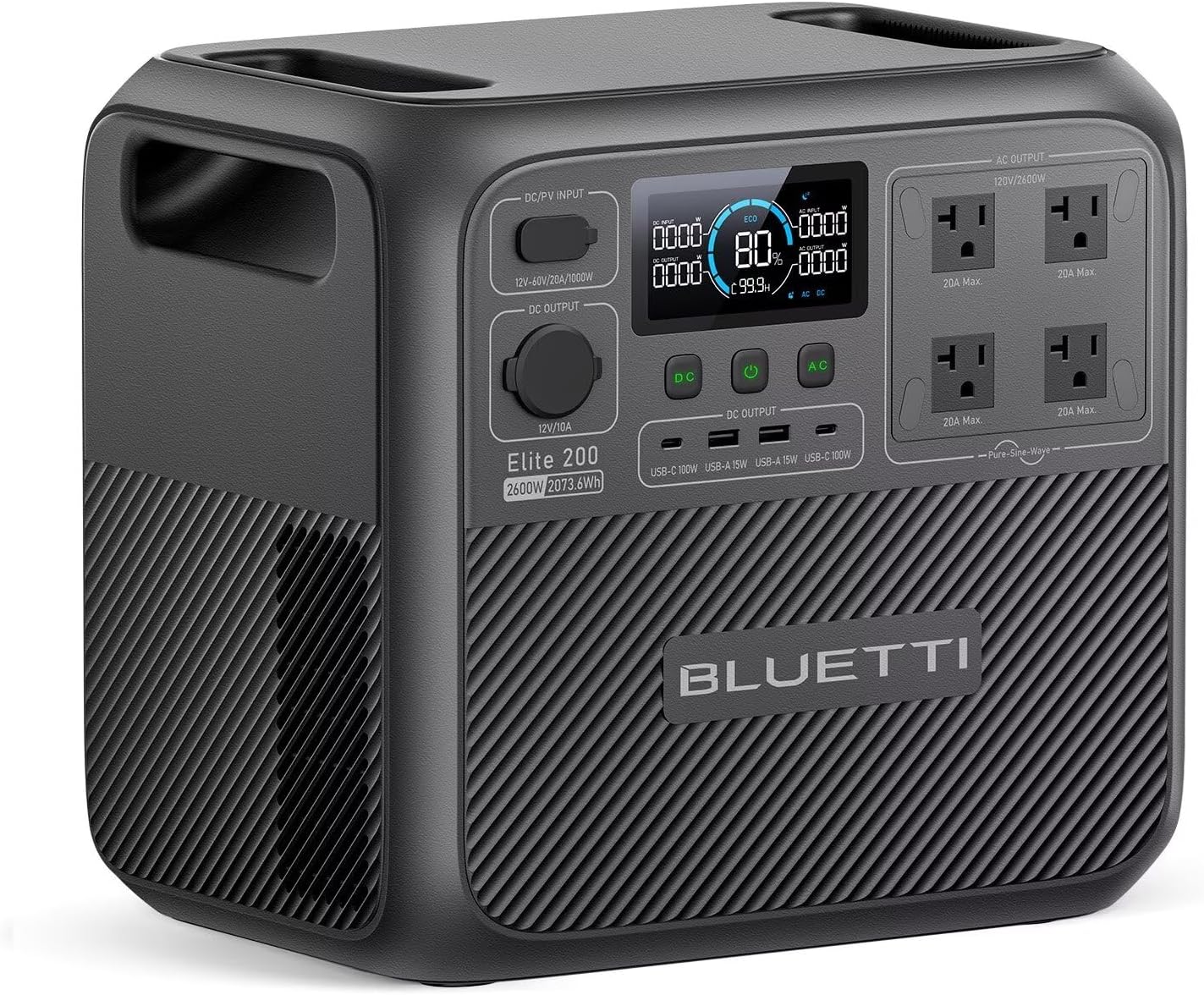
My everyday recommendation for a coastal family is a single strong 2,000Wh station. The BLUETTI Elite 200 V2 at 2,073Wh is the one I hand to most households. Its LiFePO4 battery is rated for 6,000-plus charge cycles, which means a family that uses it a few times a season will get well over a decade of service, and 2,600W of continuous output handles a fridge plus a window AC startup without flinching. For the price, it is the most reliable single box I can point you to.
If you want a bit more output headroom for loads that spike, the Jackery Explorer 2000 Plus delivers 2,042Wh and a stout 3,000W output, and it expands to 24kWh with add-on batteries if your needs grow. That surge capacity matters when you are running a fridge and a microwave on the same unit.
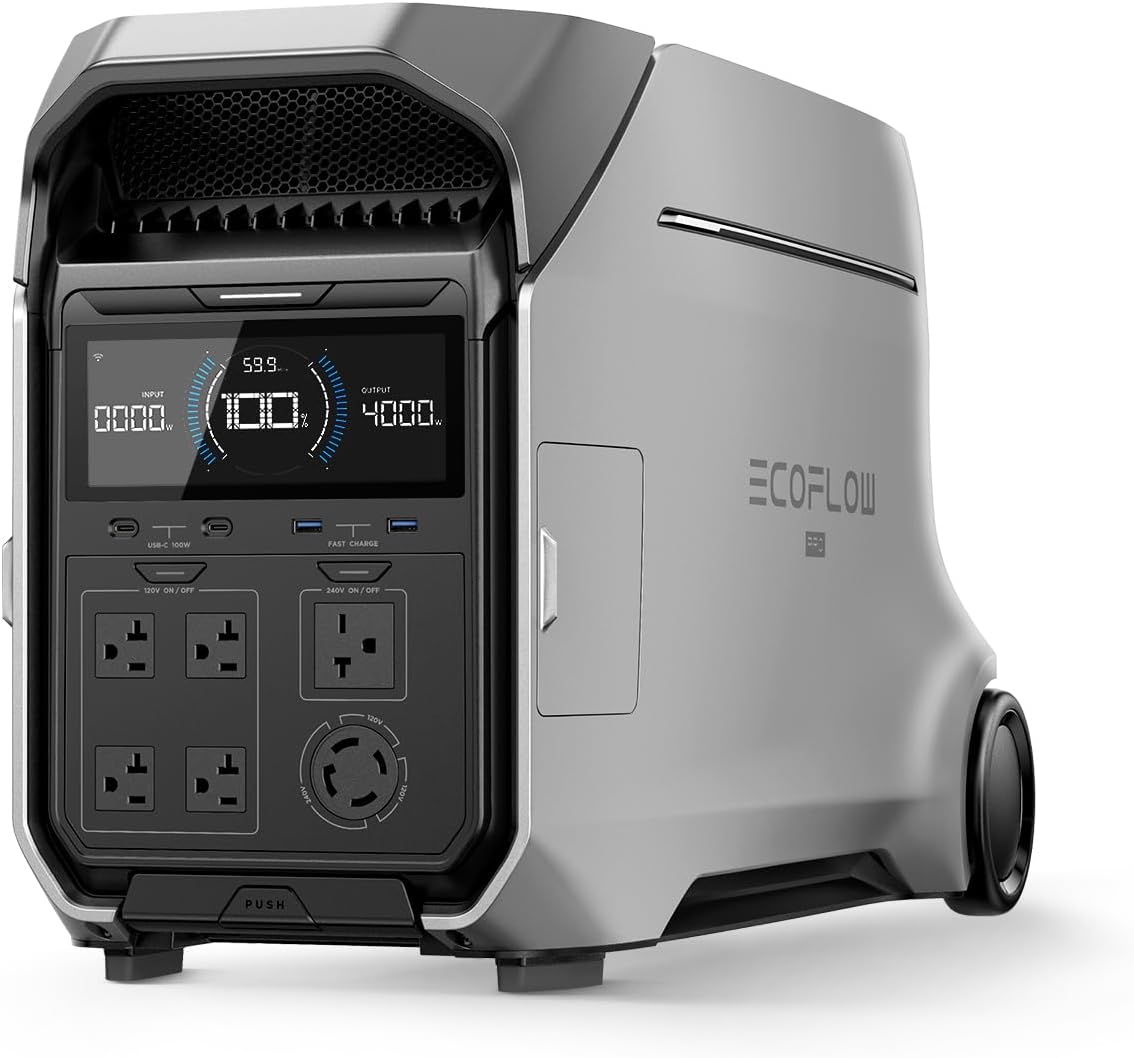
For households that depend on medical equipment, have a large family, or live somewhere with a history of week-long outages, I step up to the EcoFlow DELTA Pro 3. At 4,096Wh expandable to 48kWh, with 240V output and the ability to tie into your home circuits through a transfer switch, it is the closest thing to whole-home backup you can buy without a permanent installation. It is more battery than a typical family needs, but if your power is genuinely life-critical, this is where you want to be.
When You Need a Generator, and How to Pair It
I am a power-station evangelist, but I am also honest. Batteries alone cannot run central air conditioning, a well pump, or several large appliances for days on end with no recharge. For that, you need fuel.
For most homes, a quiet inverter generator is the right answer. The Honda EU2200i is the gold standard: it sips fuel, runs clean enough to power sensitive electronics, and is famously reliable when you actually need it after sitting in the garage for months. Its 2,200W is enough to recharge your power stations and run a fridge plus fans simultaneously.
If you want more output and fuel flexibility, the Champion 4500W Dual Fuel inverter generator runs on either gasoline or propane, which is a genuine advantage when one fuel sells out and the other does not. Propane also stores indefinitely without going stale, so a couple of full tanks in the garage are a smart pre-season investment.
The smart strategy is hybrid, not either-or. Run your generator outdoors during daylight to power heavy loads and recharge your batteries, then run the silent power station inside overnight for the fridge, devices, and a fan. And I will say this as plainly as I can: never, ever run a generator indoors or in an attached garage. Carbon monoxide from generators kills dozens of Americans every storm season. Twenty feet from the house, exhaust pointed away, is the rule.
Solar: Your Force Multiplier
A power station without solar is a countdown timer. A power station with solar is a renewable power plant. Even on the overcast, drizzly days that follow a hurricane, a 200W panel can pull in 400 to 800Wh, which is enough to keep a fridge alive and phones charged more or less indefinitely. I consider 200 to 400W of solar non-negotiable for any hurricane-zone setup. It is the difference between three days of power and three weeks. For the specifics on matching panels to your unit, our walkthrough on charging a power station with solar panels covers the connectors and wattage math.
Charging Priorities the Moment the Grid Drops
When a storm hits and the power fails, you do not want to be improvising load order in the dark. This is the exact sequence I teach, and it comes straight out of CERT training:
- Medical devices first. CPAP machines, oxygen concentrators, medication fridges. These are non-negotiable and get a dedicated, pre-charged battery of their own.
- One phone. Keep at least one phone topped off at all times for emergency calls and weather updates. A full charge is only 15 to 20Wh, trivial against your other loads.
- Refrigerator. A closed fridge holds safe temperatures for about 4 hours, a full freezer for up to 48. Plug it into backup power before that window closes to protect hundreds of dollars of food.
- Lighting. LED lanterns and USB lights draw a handful of watts and make your home livable and safe after dark.
- A fan. In a Gulf Coast summer with no AC, a 60W box fan is the line between discomfort and genuine heat-related illness.
- Router. Most draw 10 to 15W. Staying connected to weather and emergency updates is worth that small cost.
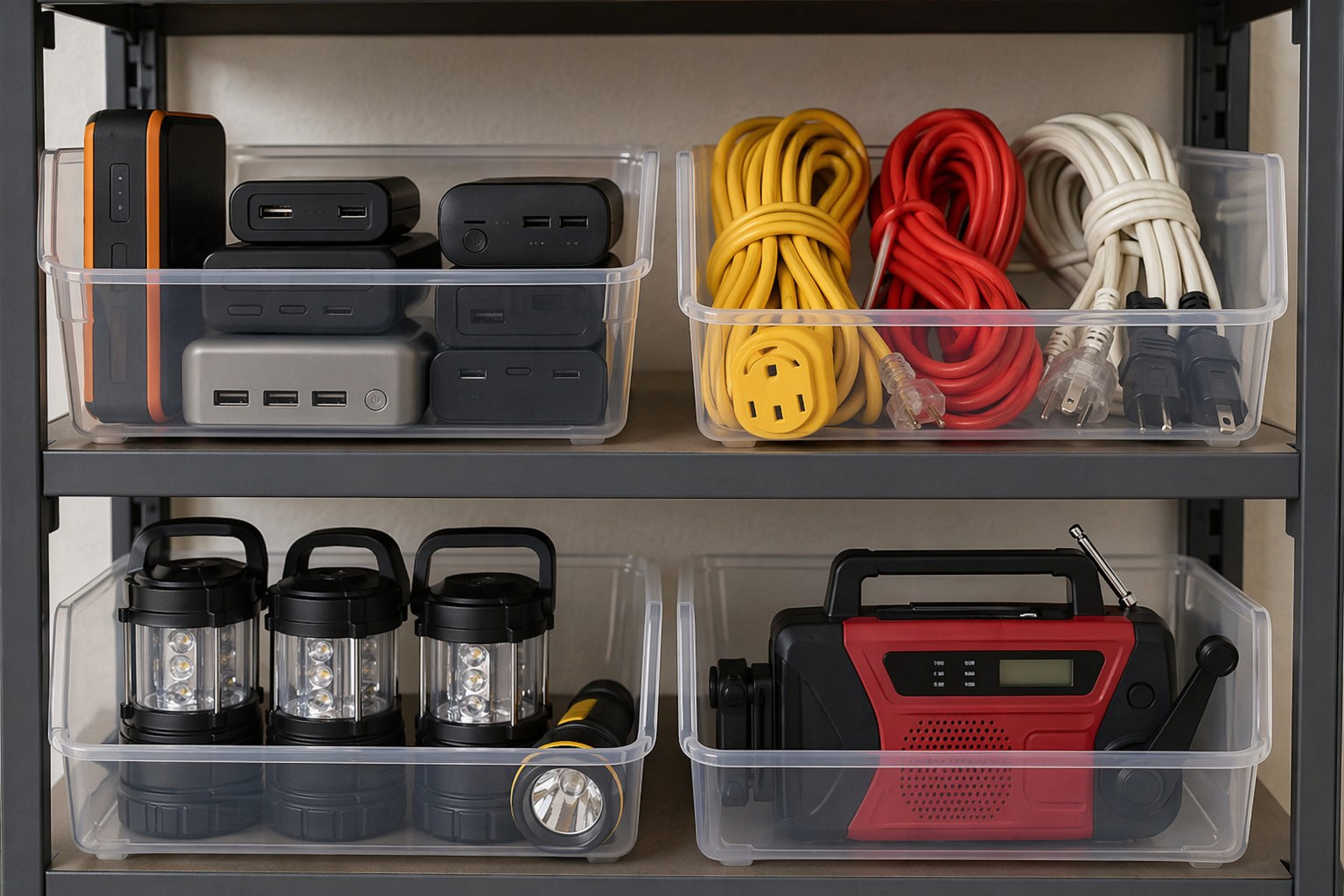
For the full minute-by-minute, hour-by-hour breakdown of what to do when the lights go out, our power outage survival guide is the companion piece I send people to. And if you are building your kit from scratch, start with our how to build an emergency power kit checklist so you do not forget the small stuff like extension cords and a hand-crank radio.
My Pre-Season Power Checklist
I run through this exact list at the start of every hurricane season, and you should too, today:
- Charge every battery to 100 percent now. Stations self-discharge slowly. Top them off and keep them topped.
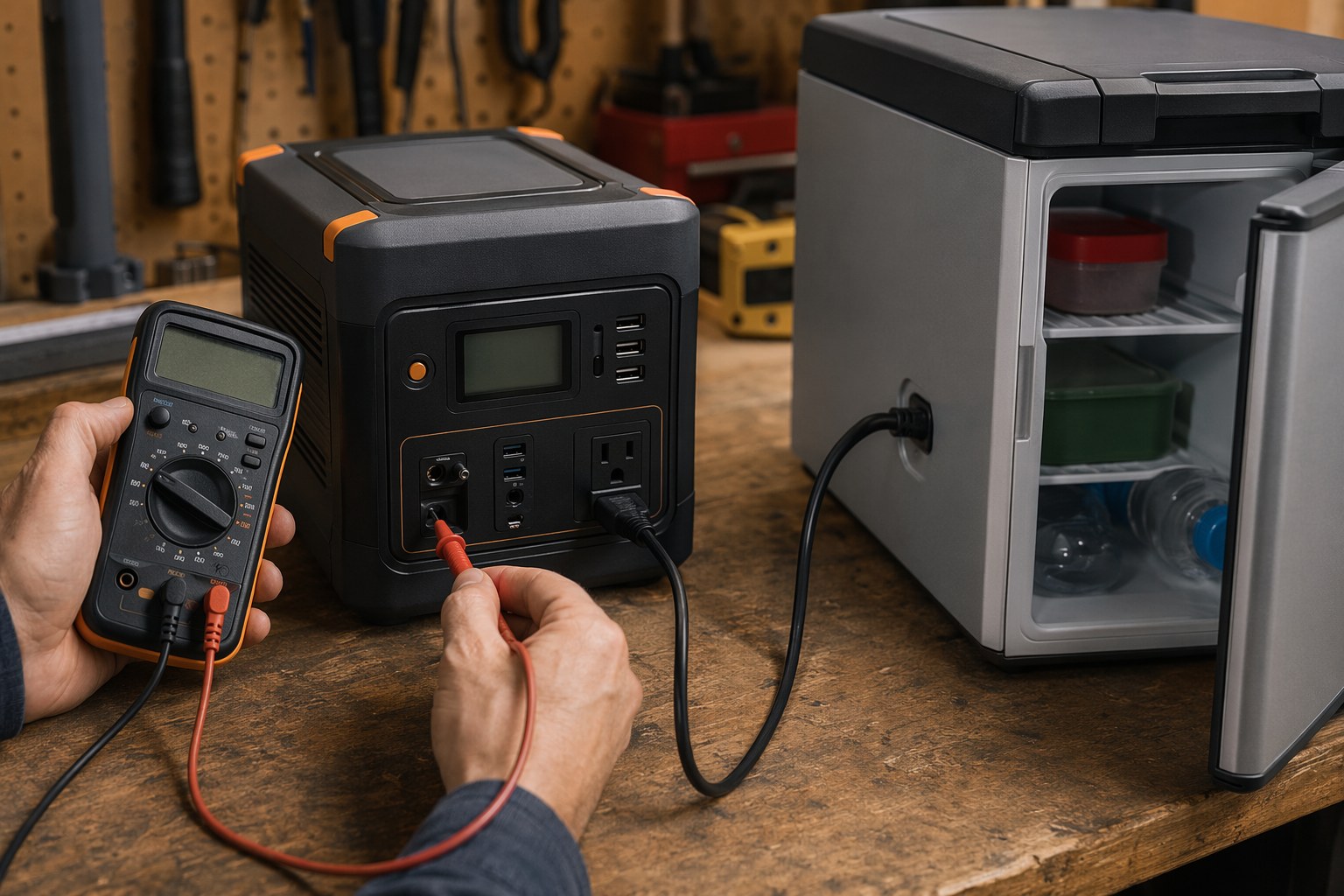
- Test every device on the actual station. Plug in your real fridge, your real CPAP. Discovering an incompatible plug or a tripped inverter during a storm is the nightmare scenario.
- Buy fuel and stabilizer early. Fresh gasoline with stabilizer, or propane that stores indefinitely. Fuel vanishes the instant a storm is named.
- Stage your gear in one dry, accessible spot. Label cables and assign loads so anyone in the household can deploy power without you standing over them.
- Reserve a dedicated battery for medical and communications. Never let comfort loads drain the last 10 percent your CPAP needs.
- Set up a family communication plan. Agree on an out-of-area contact and a check-in schedule before cell networks get congested.
For the deeper version of all three power tiers, from a basic power-bank kit to full home backup, our hurricane season power prep guide lays out exactly what to buy at each budget.
The Bottom Line
Atlantic hurricane season 2026 is officially here, and your power plan comes down to three numbers: your daily watt-hours, your peak simultaneous draw, and a sensible 20 percent safety margin on top. Build around a 2,000Wh battery anchor, add 200 to 400W of solar so you can recharge through a multi-day outage, and keep a quiet generator for the heavy daytime loads you cannot run on batteries alone.
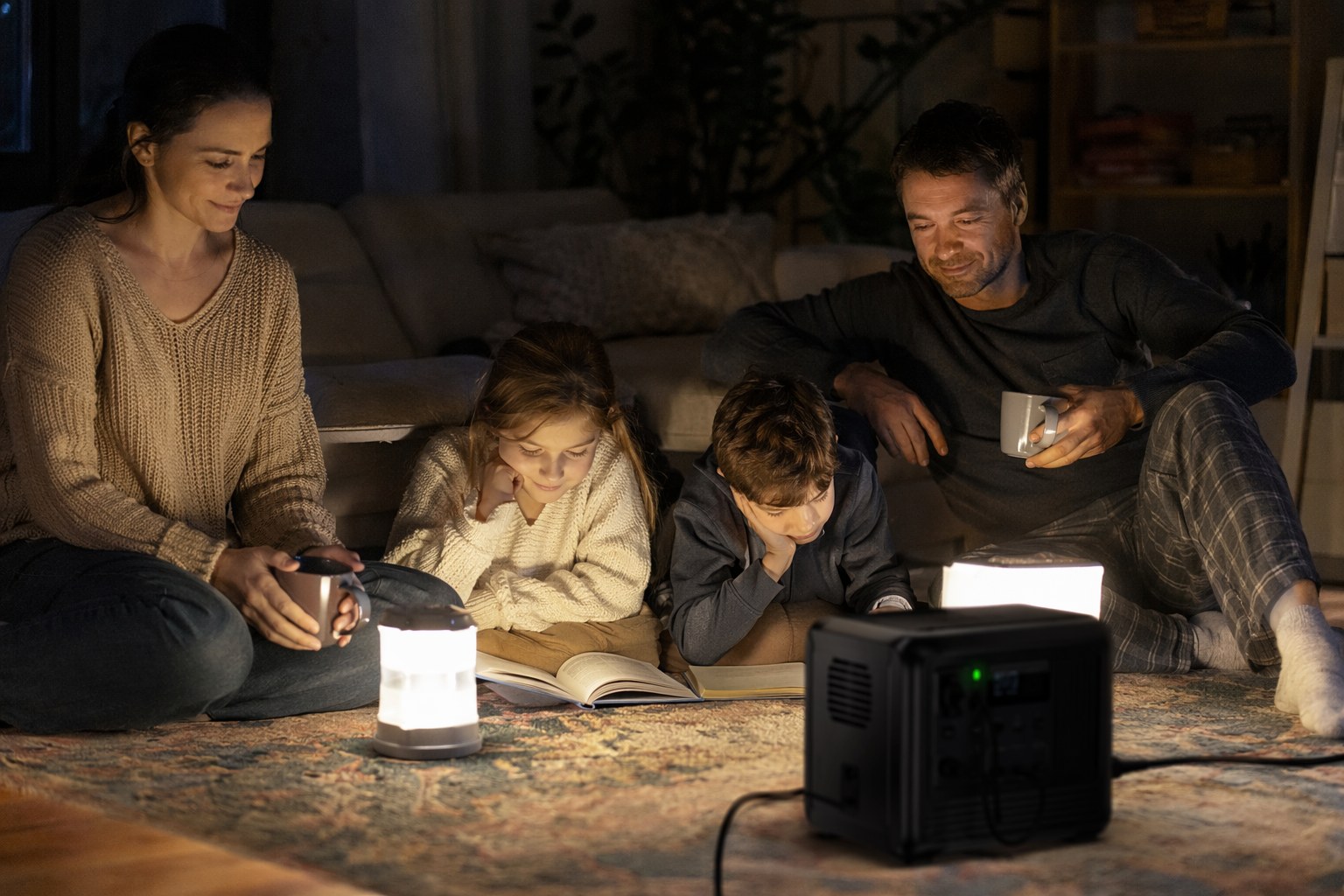
Do that now, while gear is in stock and prices are normal, and you will never be the person refreshing a sold-out Amazon listing while the Weather Channel shows a cone pointed at your county. The whole point of good preparation is that when the storm finally comes, it is boring. The fridge hums, the phones stay charged, the medical gear never blinks, and your family sleeps. That is exactly what a survivable hurricane season should feel like.
Recommended Power Stations
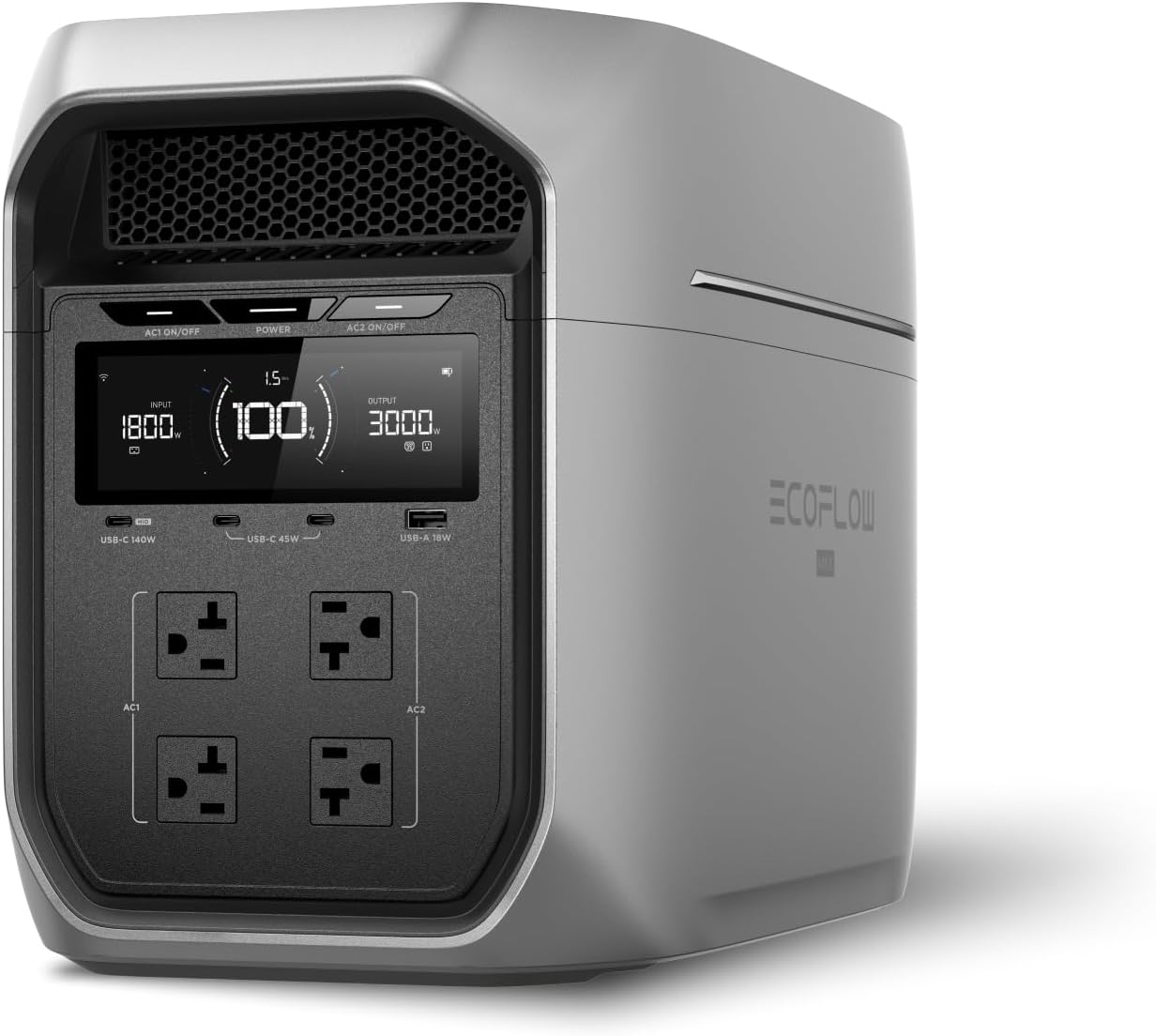
EcoFlow
EcoFlow DELTA 3 Plus
EcoFlow's newest mid-range flagship. The DELTA 3 Plus improves on the Delta 2 with faster charging, LiFePO4 chemistry, and UPS functionality — all at a lower price.
Frequently Asked Questions
How much power station capacity do I need to get through a hurricane?
For most coastal families, target 2,000Wh of usable capacity paired with 200-400W of solar. That runs a fridge, lights, phones, fans, and a router for roughly a full day per charge, and solar lets you recharge daily so you can ride out a multi-day outage. If you depend on medical equipment or have a large household, step up to an expandable 4,000Wh system. Apartment dwellers with shorter outage risk can get by with a single 1,000Wh unit, but in a hurricane zone I consider 2,000Wh the realistic floor.
Is a power station or a generator better for hurricane outages?
For indoor, overnight, and food-and-communications duty, a power station wins: it is silent, produces zero carbon monoxide, needs no fuel that sells out before a storm, and recharges from solar. A generator wins when you need to run central AC, a well pump, or several large appliances at once. The honest answer for hurricane-prone homes is both. Run quiet battery power inside for the fridge and devices, and use a generator outdoors during the day for heavy loads and to recharge your stations.
When should I buy my hurricane power gear?
Before a storm is ever named, ideally well before June 1. Every season I watch the same pattern: a system enters the Gulf, power station prices jump 20-30 percent, inventory disappears, and shipping stretches to weeks. Buying early means better prices, full selection, and time to actually test your gear. The worst possible time to learn your inverter trips on your fridge's startup surge is at 2 a.m. during a Category 3 landfall.
Ready to Buy? Here's What We Recommend
Based on our testing and this guide, these are the best options for most people: