Guide
RV & Van Solar Power: Will It Pay for Itself? Complete ROI Guide

TL;DR
Does RV and van solar actually pay for itself? We run the real payback math on panels and expansion batteries versus generators and shore power, with recommended catalog gear.
Every RV and van owner eventually asks the same question I did before my first build: is solar actually worth it, or am I paying a premium for the privilege of feeling self-sufficient? It’s a fair question. A decent solar-and-battery setup costs as much as a used car payment, and the alternatives — a generator or just paying for shore power — are right there, cheaper up front and dead simple.
So let’s do what nobody selling you panels wants to do: run the actual numbers. I’m going to break down what solar costs, what it replaces, and exactly when it pays for itself versus a generator and versus plugging into a campground pedestal. No hand-waving about “energy freedom.” Just the math, plus the specific gear I’d actually buy.
The Three Ways to Power an RV (and What Each Really Costs)
Before we can calculate payback, we need to be honest about what you’re comparing. There are three ways to keep the lights on in a rig, and most people end up using some blend of all three.
Shore power is the campground pedestal you plug into. It’s the cheapest energy per kilowatt-hour and requires zero gear, but it ties you to developed campsites that run $40-$80 a night, and the electricity is often baked into that nightly rate whether you use it or not.
A generator burns gas or propane to make AC power on demand. The unit is relatively cheap, the output is high and instant, and it works in any weather. But it costs money every single time you run it, it’s loud, it stinks, and a growing number of campgrounds and BLM areas restrict generator hours or ban them outright during quiet times.
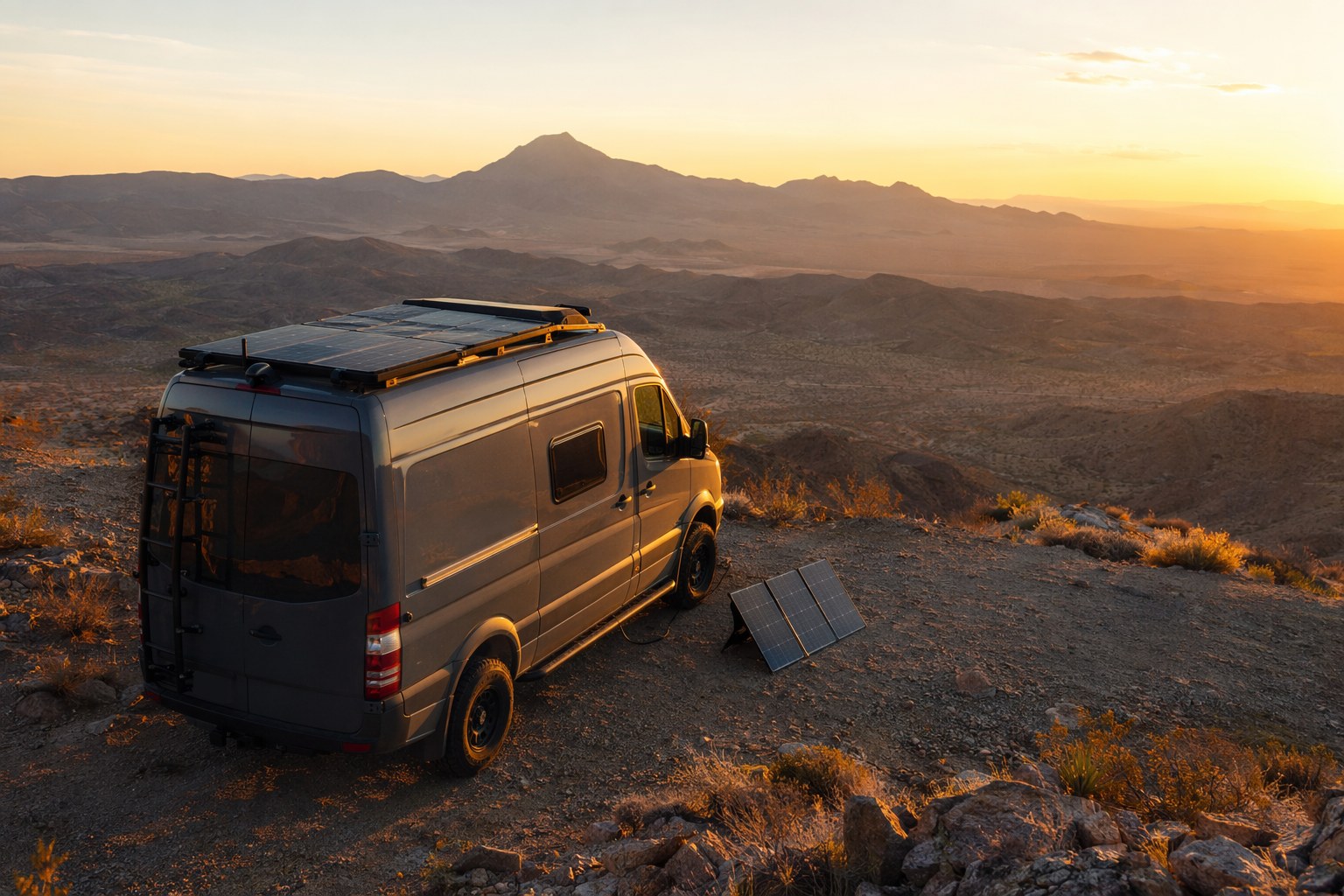
Solar captures free sunlight into batteries you’ve already paid for. The up-front cost is the highest, but the marginal cost of each kilowatt-hour after installation is essentially zero, it’s silent, and it works anywhere the sun shines — including the dispersed, free boondocking sites where generators are often unwelcome.
The ROI question isn’t really “is solar worth it” in a vacuum. It’s “what is solar displacing in my setup,” because that’s where the savings come from.
What a Real Solar Setup Costs in 2026
Let’s price three honest tiers. These reflect what I’d actually spend, not the inflated dealer-install quotes that scare people off.
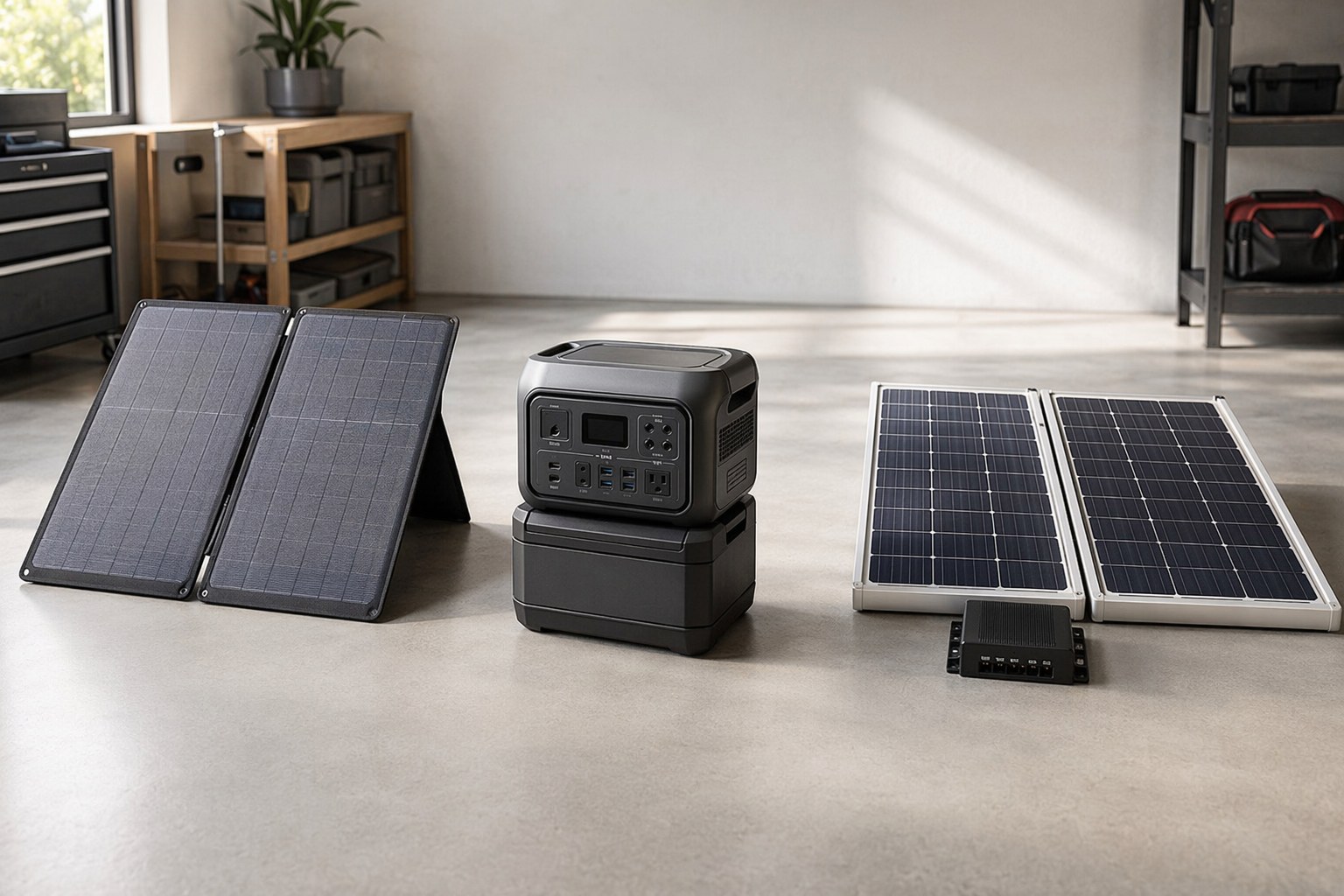
Tier 1 — Minimalist portable (~$700-$900). A single foldable panel and a power station you may already own. The Jackery SolarSaga 200W panel runs around $400-$500 and pairs with a 1,000Wh-class station. This is the “I just need to keep my fridge and devices alive off-grid for a long weekend” tier. No drilling, no wiring, removable in seconds.
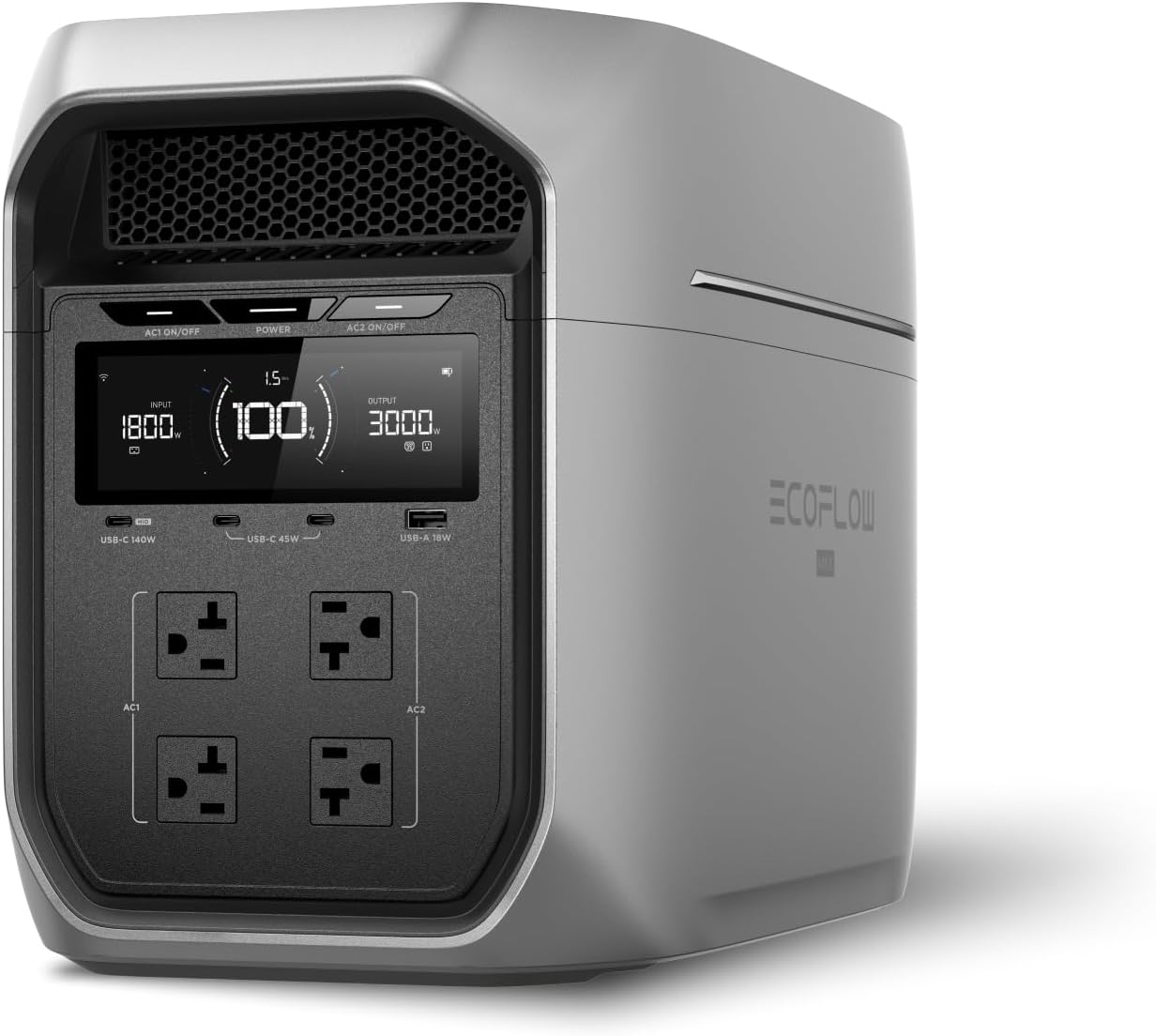
Tier 2 — Hybrid station with expansion (~$1,400-$2,200). A larger expandable power station plus a high-output panel. The EcoFlow DELTA 3 Plus accepts heavy solar input, recharges fast, and bolts on extra battery modules as your needs grow. Add the EcoFlow 220W Bifacial panel, which catches reflected light off the ground for a real-world bump over rated output. This is the dual-purpose tier — it serves the RV and doubles as home backup.
Tier 3 — Hardwired house system (~$2,500-$4,000+). Roof-mounted panels feeding dedicated LiFePO4 house batteries through an MPPT controller and inverter. This is the full-timer build. The Renogy 200Ah Smart battery gives you 2,560Wh in a single box, or step up to the gold-standard Battle Born 100Ah with its 10-year warranty for a system you’ll never think about again. I walk through wiring all of this together in our complete RV power system guide.
The Generator Comparison: Where Solar Wins on Fuel
Here’s the comparison most RVers actually care about, because a generator is the default everyone defaults to. The Honda EU2200i is the benchmark — roughly $1,100, bulletproof reliability, and 2,200W of clean inverter power. It’s a genuinely great machine. So why would you ever choose solar over it?
The answer is the running cost, which a generator hides and solar eliminates.
A small inverter generator like the EU2200i burns roughly 0.8 to 1.2 gallons of gas to produce a typical day’s worth of RV power (call it 2-3 kWh) when you account for the fact that it idles inefficiently at low loads. At $3.50-$4.00 a gallon, that’s $4-$8 per day in fuel alone, before oil changes (every 100 hours, ~$15 in parts) and the occasional carburetor cleaning from stale fuel.
Now compare:
| Cost Factor | Honda EU2200i Generator | 400W Solar + Battery |
|---|---|---|
| Up-front hardware | ~$1,100 | ~$1,600-$2,000 |
| Fuel per off-grid day | $4-$8 | $0 |
| Annual maintenance | $30-$60 (oil, plugs, stabilizer) | ~$0 |
| Noise | 48-57 dB | Silent |
| Works in restricted/quiet areas | Often no | Always |
| Works on a cloudy day | Yes | Reduced output |
If you boondock 40 nights a year and run the generator each evening, that’s $160-$320 a year in fuel plus maintenance. The solar system costs roughly $500-$900 more up front than the generator. Divide the price gap by the annual fuel savings and the solar pays back the difference in about 1.5 to 3 years — and then keeps saving you that fuel money every year after, for the decade-plus that LiFePO4 batteries last.
There’s a reason I still tell people to keep a generator around, though. Solar can’t match instant, weather-proof high-wattage output. If you need to run a rooftop air conditioner through a still, overcast week, a generator does it and solar struggles. The honest answer for many full-timers is solar as the daily workhorse with a small generator as the rainy-day insurance policy. If you’re weighing the two for home use too, our do you need a power station or generator breakdown covers that decision in detail.
The Shore Power Comparison: The Fastest Payback
Now here’s where solar’s ROI gets genuinely exciting, and it’s the comparison people overlook.
If you currently camp at developed campgrounds at $45-$65 a night largely because you need the electrical hookup, solar lets you trade those pedestals for free dispersed sites on public land. The savings aren’t measured in pennies per kilowatt-hour — they’re measured in the entire nightly site fee.
Say you can replace 25 paid hookup nights a year with free boondocking because your rig is now energy-independent. At $50 a night, that’s $1,250 a year. A Tier 1 or Tier 2 solar setup pays for itself in a single season — sometimes a single long trip. Even a full hardwired Tier 3 build pays back in two to three seasons.
This is the math that flipped me from skeptic to believer. The electricity itself was never the point. The point was being able to park for free, in better spots, without a generator humming next to my window. I tracked the actual per-use economics in our cost of running devices on a power station vs the grid deep dive, and the conclusion holds: solar rarely beats cheap home grid power on raw kWh cost, but it crushes the cost of paid camping access.

Sizing It Right: The Number That Determines Your ROI
Here’s the part that makes or breaks the payback math: buy too little solar and you’ll still reach for the generator, erasing your savings. Buy too much and you’ve spent money on capacity you never harvest. The sweet spot is sizing to your real daily consumption.
Most RVers and van dwellers burn 1,500-3,000Wh per day. A 12V compressor fridge eats 300-600Wh, a laptop wants 50-100Wh per charge, lights and fans add 100-200Wh, and device charging rounds it out. Track yours honestly for a couple of trips before you buy anything.
The collection rule of thumb: every 100W of panel produces 300-500Wh on a good day. So to replace a 2,000Wh daily draw, you want roughly 400-600W of solar. To stay self-sufficient through a cloudy stretch, oversize the panels to about 120-150% of your daily need and back them with enough battery — 200-300Ah of LiFePO4 — to coast through two low-sun days.
Panel placement matters more than spec sheets suggest. Rigid roof panels charge passively all day with zero fuss but can’t be aimed or moved out of shade. Portable folding panels like the SolarSaga can chase the sun and stay in the sun while your rig parks under a tree — a real-world advantage that often beats a larger fixed array in mixed conditions. The best setups use both. Our best solar panels for power stations guide compares the panels I trust, and the best solar panel and power station combos roundup bundles them for you.
Expansion Batteries: The Smartest ROI Move
If there’s one piece of advice that improves your payback the most, it’s this: buy an expandable system and grow it instead of overbuying on day one.
The math is simple. The most expensive part of any solar system is the battery capacity. If you buy a 4,000Wh monolith because you might need it someday, you’ve sunk a lot of money into kilowatt-hours sitting idle. But an expandable platform — a base station plus add-on battery modules — lets you start with what you need and bolt on capacity only when your actual usage proves you need it.
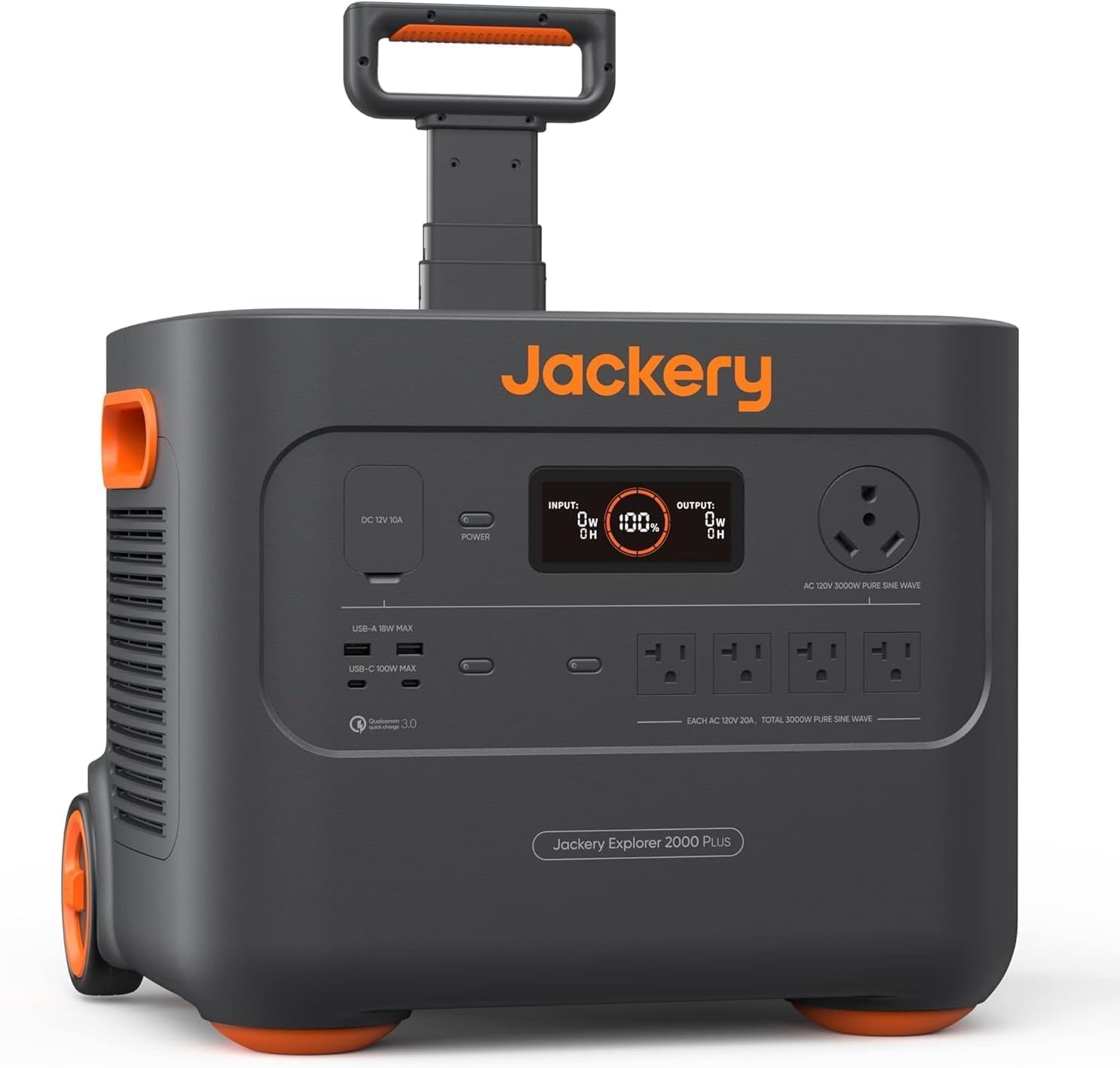
The Jackery Explorer 2000 Plus is the poster child here: it starts at 2,042Wh and scales all the way to 24kWh by daisy-chaining expansion batteries. You pay for the inverter and electronics once, then add cheap-per-kWh battery modules over time. The EcoFlow DELTA 3 Plus follows the same philosophy at a smaller, van-friendly scale.
Why does this matter for ROI? Because it keeps your initial outlay low, which shortens the payback period, while leaving the door open to grow. I lay out which platforms expand most economically in our best expandable power stations guide, and for those going the dedicated-bank route, the best RV lithium batteries comparison ranks the standalone LiFePO4 options.
The LiFePO4 Lifespan Factor That Tips the Math
People comparing solar to a generator on up-front price miss the single biggest variable: how long the battery lasts. This is where solar quietly wins the long game.
Modern LiFePO4 (lithium iron phosphate) batteries — which every product I’ve recommended uses — are rated for 3,000 to 6,000 charge cycles before dropping to 80% capacity. At one cycle per day, that’s 8 to 16 years of service. Spread the battery’s purchase price across thousands of cycles and the cost-per-kWh of stored energy drops to roughly $0.20-$0.30 over its life. A generator, by contrast, never stops costing you fuel — there is no point at which its energy becomes free.
That’s the asymmetry at the heart of this whole guide. Solar’s costs are front-loaded and then nearly vanish. A generator’s costs are low at purchase and then bleed out forever. The longer your time horizon, the more decisively solar wins. For full-timers, it’s not close.
My Honest Recommendation by Use Case
After all the math, here’s how I’d actually spend the money depending on who you are.
Weekend warrior (10-20 nights/year): Don’t overthink it. A single Jackery SolarSaga 200W panel and a 1,000Wh power station you can carry into the rig is plenty. Your ROI here is convenience and quiet, not dollars — and that’s a perfectly valid reason to buy. Pair it with the right station from our best power station for summer camping picks.
Regular boondocker (30-60 nights/year): This is the sweet spot where solar genuinely pays. Go Tier 2 with an expandable station like the EcoFlow DELTA 3 Plus, 400W of solar split between roof and portable panels, and you’ll recover the cost in saved site fees and fuel within a season or two. Keep a small generator for cloudy AC days.
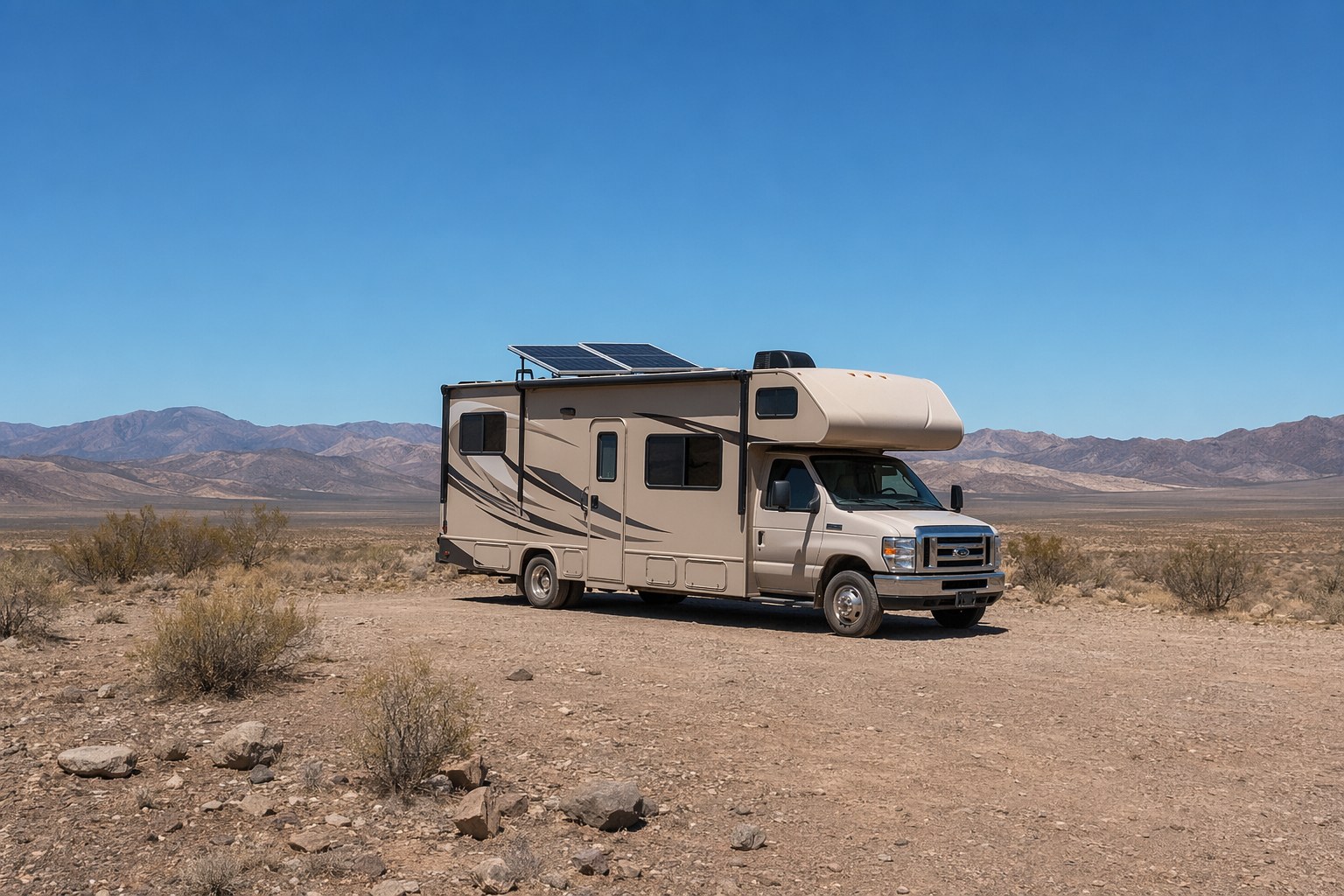
Full-time van or RV (200+ nights/year): Build the Tier 3 hardwired system around quality batteries like the Battle Born 100Ah or Renogy 200Ah Smart. Your payback against shore power is measured in months, and the silent, fume-free independence is worth more than any spreadsheet can capture. The van life summer power road-trip guide covers the realities of living off this kind of system week after week.
The Bottom Line
Will RV solar pay for itself? Yes — but the speed depends entirely on what it’s replacing. Against paid campground shore power, it pays back in a single season for anyone who boondocks regularly. Against a generator, it crosses into savings around year two once you tally the fuel and maintenance you stop buying. Against simply staying on the grid at home, it never wins on raw cost — but that was never the real comparison.
What solar buys you is the ability to park for free, in better places, in total silence, with energy that costs nothing after the gear is paid off. Size it to your actual daily draw, choose an expandable LiFePO4 platform so you can grow without overbuying, and keep a small generator in reserve for the cloudy weeks. Do that, and the panels on your roof stop being an expense and start being the smartest money you spent on the rig.
Recommended Power Stations
EcoFlow
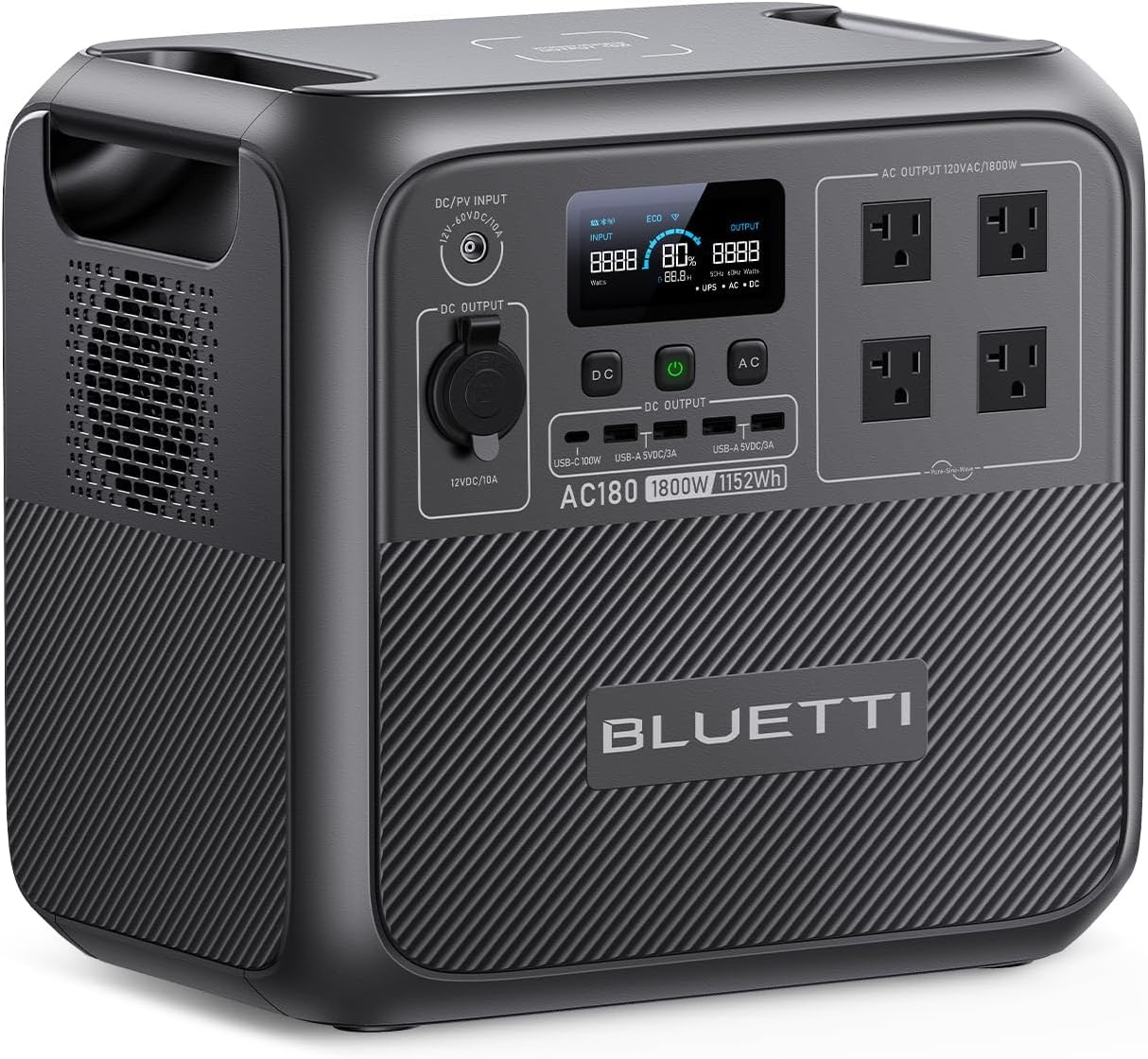
EcoFlow DELTA 3 Plus
EcoFlow's newest mid-range flagship. The DELTA 3 Plus improves on the Delta 2 with faster charging, LiFePO4 chemistry, and UPS functionality — all at a lower price.
Frequently Asked Questions
How long does it take for RV solar to pay for itself?
It depends entirely on what you're displacing. If solar replaces campground shore power at $40-$60 a night, a $700-$1,200 solar-and-battery setup pays for itself in roughly 15-30 boondocking nights — often a single season for full-timers. If you're comparing against a quiet inverter generator, the payback comes from saved fuel ($4-$8 per day of generator running) plus the value of silence and no fume restrictions, which typically lands the breakeven somewhere between 1.5 and 3 years of regular use. Weekend warriors who camp 10-15 nights a year should view solar as a convenience and resilience purchase rather than a pure money-saver.
Is solar or a generator cheaper for an RV over five years?
Over five years of moderate use, solar is almost always cheaper once you account for fuel, oil changes, and the fact that LiFePO4 batteries last thousands of cycles. A generator's purchase price is lower, but it keeps costing money every time you run it — roughly $4-$8 in fuel per day plus maintenance. A solar array has essentially zero marginal cost after installation. The crossover usually happens around year two for active campers. The catch is that solar can't match a generator for instant, weather-independent high-wattage output, so many RVers keep a small generator as backup even after going solar.
How many watts of solar do I need to be self-sufficient in an RV?
Most RVers consume 1,500-3,000Wh per day. As a rule of thumb, every 100W of solar produces 300-500Wh on a good day, so 400-600W of panels replaces a typical day's usage in decent sun. To stay fully self-sufficient through cloudy stretches, size your panels to cover 100-150% of your daily draw and pair them with enough battery to ride out two low-sun days. For a fridge, lights, fans, laptops, and device charging, 400W of solar plus 200-300Ah of LiFePO4 storage is the reliable sweet spot.
Ready to Buy? Here's What We Recommend
Based on our testing and this guide, these are the best options for most people: