Guide
Tornado Season Power Prep 2026: Staying Ready When Storms Move Fast

TL;DR
Tornado season peaks in April-June across much of the US. Here's how to prepare your home for fast-moving storms, what to pack in a storm shelter kit, and how portable power keeps communication alive when the worst happens.
Growing up in Oklahoma, tornado drills were as routine as fire drills. After moving to Tennessee a decade ago, I learned that tornadoes here are often more dangerous than in traditional Tornado Alley — they happen at night more often, they strike heavily-forested terrain where you can’t see them coming, and the population density is higher.
The combination of climate-driven atmospheric instability and aging grid infrastructure means tornado outages are happening more frequently and lasting longer. Here’s how to prepare your power system specifically for tornado season.
Why Tornadoes Are a Unique Power Challenge
Unlike hurricanes (which give days of warning) or winter storms (which are usually regional and predictable), tornadoes are:
- Extremely localized — a tornado may destroy one block and leave the next block untouched, but the whole neighborhood loses power
- Fast-moving — often minutes of warning, not hours or days
- Followed by extended outages — downed transmission towers are time-consuming to replace, and crews often can’t safely access damaged areas until debris is cleared
- Cluster events — tornado outbreaks often spawn multiple storms across a region, overwhelming utility crews
A 2023 EF3 tornado in Rolling Fork, Mississippi left parts of the community without power for over two weeks. The 2011 Tuscaloosa-Birmingham tornado created outages lasting 3-5 days across large portions of Alabama.
The Pre-Storm Preparation
Power station charged and ready
Unlike a predicted hurricane where you have 3-5 days warning, tornadoes demand your gear be ready right now, today, always. Develop the habit of keeping your power station at 80-100% charge during tornado season.
My practice: check my EcoFlow DELTA 3 Plus every Sunday evening during March-June. Top it off if below 80%. Store it in my safe room (interior hallway closet) where it’s accessible during a warning.
Vehicle fuel and charge
- Gas car: keep tank above half full during tornado season
- EV: keep battery above 50% nightly
- Reason: if the storm knocks out local gas stations/charging infrastructure, you may need to drive to unaffected areas
Pre-stage your safe room
If your shelter-in-place location is a basement or interior room, stage critical items there in advance:
- Battery-powered weather radio
- Flashlights (fresh batteries)
- Portable power bank, fully charged
- First aid kit
- Sturdy shoes, work gloves
- Helmets (seriously — head injury from flying debris is the #1 tornado injury)
- Important documents in a waterproof bag or portable safe
Communication redundancy
Cell service is often compromised after tornadoes — both because towers are damaged and because networks become overwhelmed. Prepare:
- Battery-powered NOAA weather radio (your primary information source when cell is down)
- Fully charged phones + one backup power bank per person
- Out-of-state contact who serves as a family communication hub (local cell networks may fail while long-distance still works)
The Right Power Station for Tornado Outages
Unlike hurricane prep (where you might budget for 5-7 days of outage), tornado outages are typically 1-3 days for most affected households, but can extend to 2 weeks for severely damaged areas.
Minimum recommended: 1,000-1,500Wh
For typical 1-3 day outages, a 1,000Wh power station covers essentials:
- Phone/device charging for family
- LED lights (via USB)
- WiFi router
- Fan (summer tornadoes often strike hot weather)
- Refrigerator via cycle-plugging
Top picks: EcoFlow DELTA 3 Plus (1,024Wh) or Anker SOLIX C1000 (1,056Wh).
Better: 2,000Wh+ for comfort
If you’re in a repeatedly storm-affected area, stepping up to a 2,000Wh system provides genuine whole-apartment or essential-circuit coverage for 2-3 days without rationing.
Top picks: Bluetti Elite 200 V2 (2,073Wh) or EcoFlow DELTA 2 Max (2,048Wh).
Best: Expandable system with solar
For extended outages after severe tornado damage, expandability matters. A base system that can double or triple its capacity by adding batteries later is future-proof protection.
Top pick: EcoFlow DELTA Pro 3 — 4,096Wh, expandable to 48kWh, with 1,600W solar input.
Solar Panels: Usually Available, Usually Usable
One benefit of tornado outages versus hurricane outages: you typically get clear weather the day after the storm. Set up your solar panels and you can recharge your power station within a day.
Tornadoes damage specific locations but don’t typically create the multi-day cloud cover that hurricanes bring. Within 24-48 hours, most regions see clear skies where solar panels generate at or near peak efficiency.
A 200W portable solar panel can restore most of a 1,000Wh power station’s charge in a day after the storm passes.
The First 24 Hours After a Tornado
Your priority order after the immediate danger passes:
Hour 1: Safety assessment
- Account for all family members
- Check for injuries (even minor ones need immediate attention to prevent infection — post-tornado debris is often contaminated)
- Check for gas leaks (if you smell gas, get everyone out and call from outside)
- Check for structural damage before moving through the home
Hour 1-3: Stabilize
- Turn off main gas and electrical breakers if you see damage
- Cover broken windows with tarps if possible
- Document damage with phone photos (for insurance)
- Set up your power station, prioritize phone charging
Hour 3-12: Communicate
- Contact family and out-of-state contact to report status
- Check on elderly or vulnerable neighbors
- Listen to weather radio for continuing threat warnings (additional storms are common)
Hour 12-24: Plan
- Contact insurance (many claims can be filed via phone app even if their office is affected)
- Determine if your home is habitable (structurally sound, has water, sanitary)
- Arrange alternate housing if needed (hotel, family, friends)
Special Considerations by Region
Deep South (AL, MS, LA, TN, AR)
Peak: March-April. Tornadoes more often at night. Dense forests hide approaching storms. Prioritize early-warning tools (weather radios, tornado-warning apps) and have a pre-planned safe room.
Tornado Alley (TX, OK, KS, NE)
Peak: April-June. Tornadoes are visible across flat terrain, but outbreaks can spawn many at once. Cellars and storm shelters are common — use them. Keep power station accessible but in a safe location.
Midwest (IL, IN, OH, MO, IA)
Peak: May-June. Mix of Tornado Alley conditions and forested terrain. More mobile home vulnerability. If you live in a mobile home, have a pre-identified sturdy-building shelter location.
Southeast and Mid-Atlantic
Peak: April-May and October-November. Often associated with landfalling hurricanes or remnant tropical systems. Tornado + hurricane combinations require maximum power prep (multi-day outages likely).
My Safe Room Power Kit
This is what I keep staged in my interior hallway closet year-round:
- EcoFlow DELTA 3 Plus — primary power station (rotated/charged quarterly)
- Anker 737 PowerCore 24K — backup power bank
- Battery-powered NOAA weather radio
- 2x LED flashlights, fresh batteries
- 4x phone charging cables (USB-C and Lightning)
- First aid kit
- Emergency whistle (built into my kit’s keychain)
- Waterproof document bag with insurance info, medication list, family photos
- Helmets for the whole family (mountain bike style)
- Sturdy shoes, work gloves
Total cost to build out: ~$800-1,000 if starting from scratch. The power station is the biggest expense and the most important component.
Related Reading
- Power Outage Survival Guide — step-by-step during any outage
- How to Build an Emergency Power Kit — complete prep list
- Hurricane Season Power Prep Guide — related storm prep
- Spring Storm Season Power Prep — general spring storms
- Best Power Station for Home Backup — our home backup picks
Recommended Power Stations
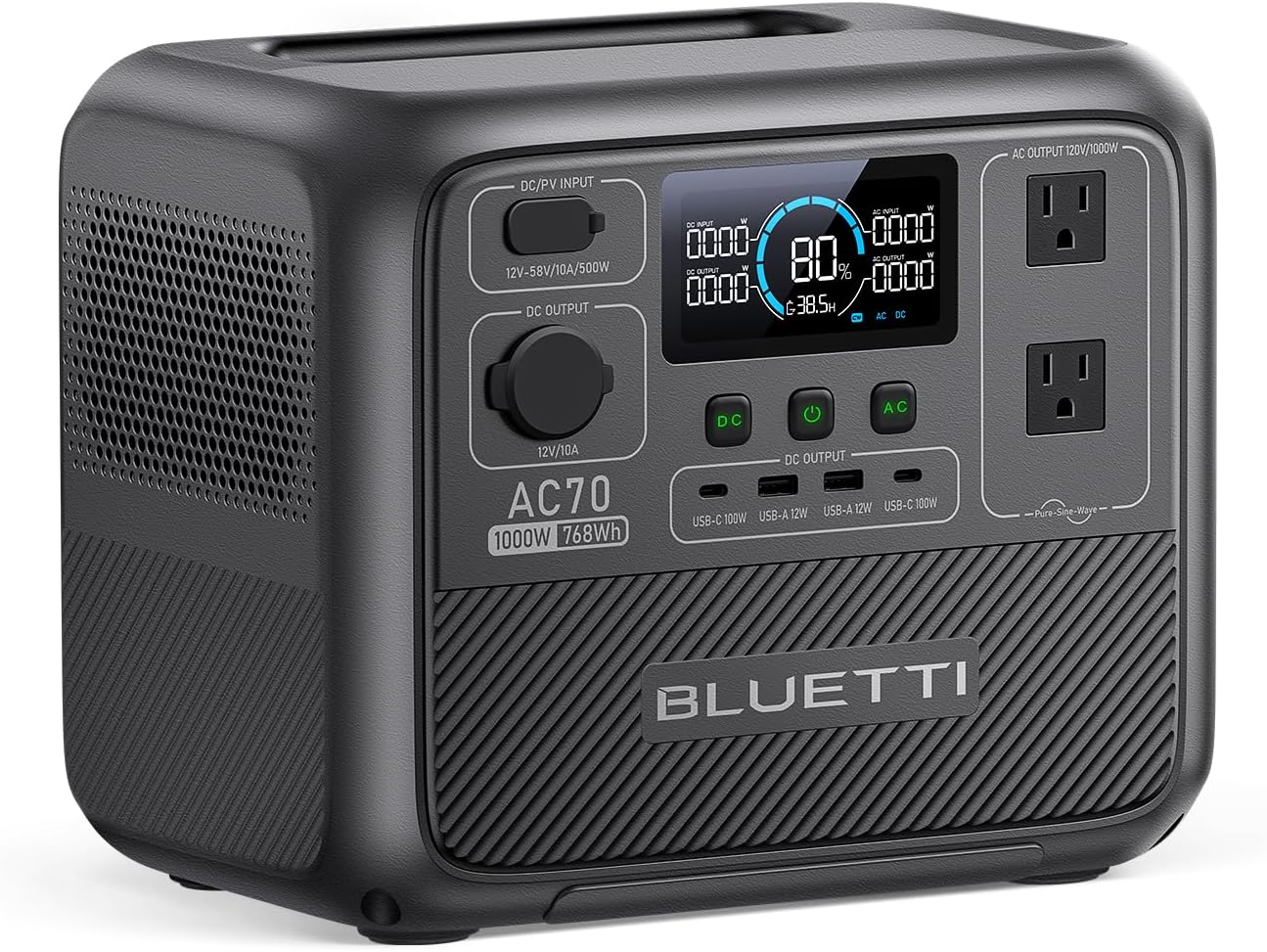
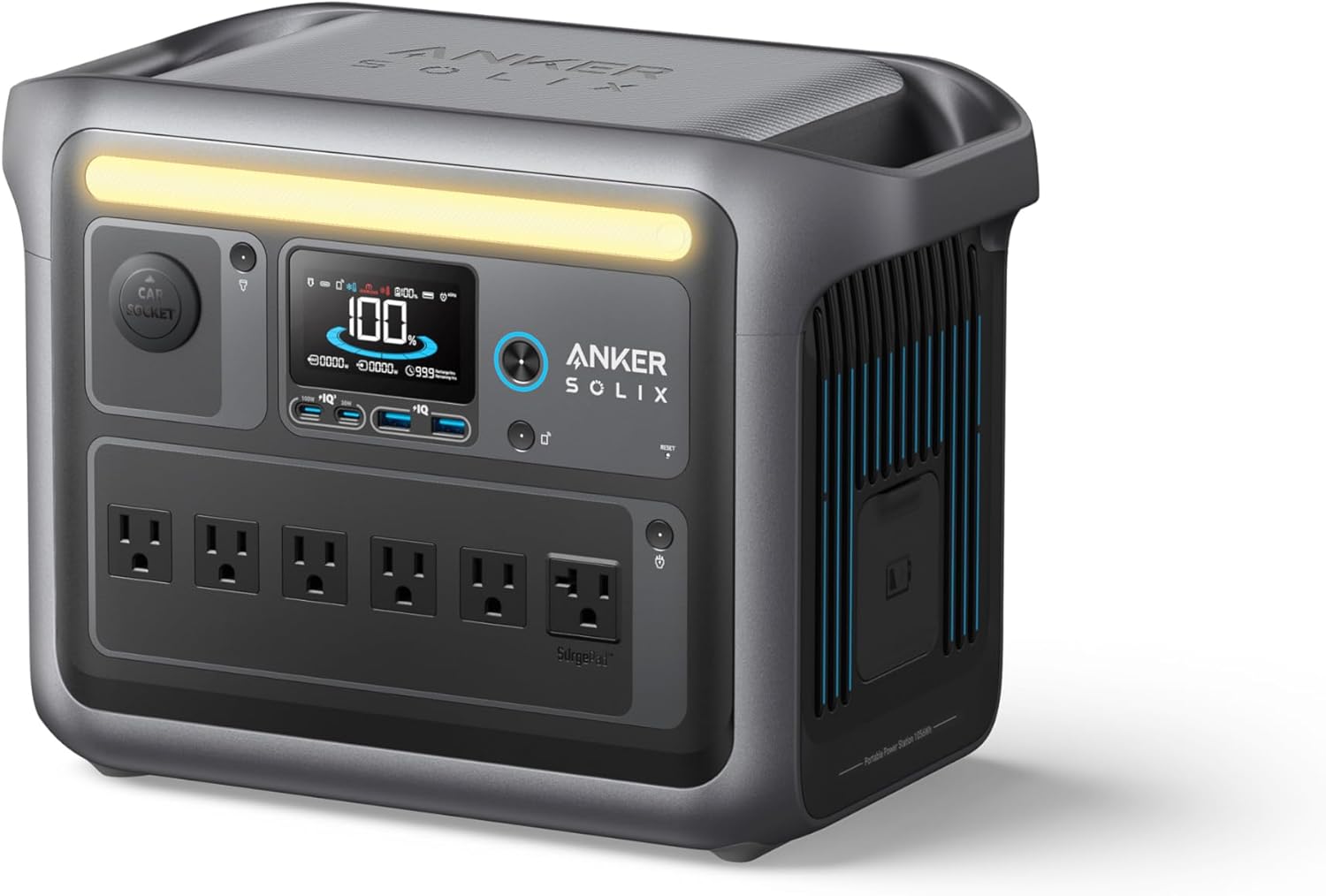
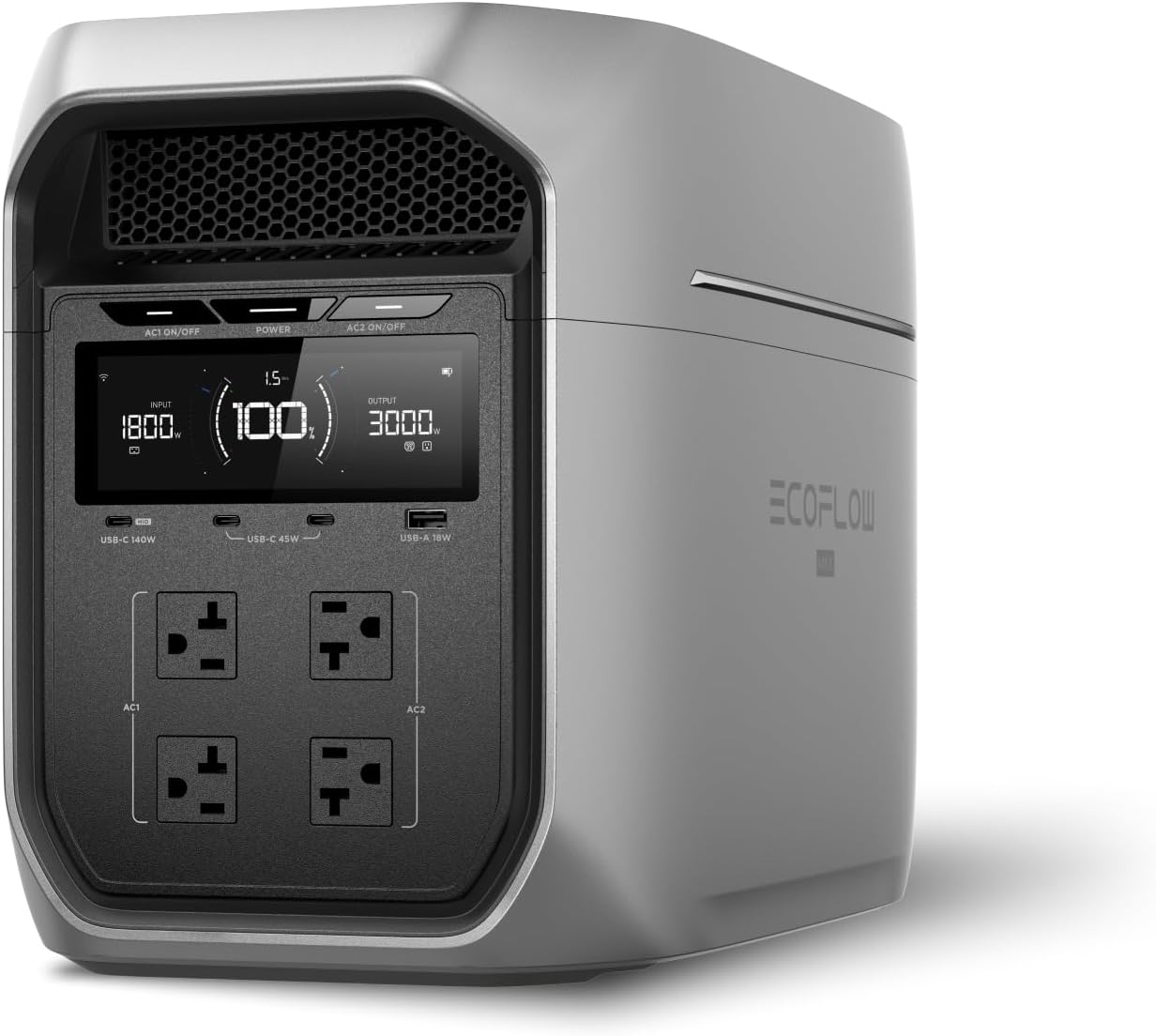
EcoFlow
EcoFlow DELTA 3 Plus
EcoFlow's newest mid-range flagship. The DELTA 3 Plus improves on the Delta 2 with faster charging, LiFePO4 chemistry, and UPS functionality — all at a lower price.
Frequently Asked Questions
When is tornado season in the US?
Peak tornado season varies by region. Deep South (AL, MS, LA, AR, TN) peaks February through April. Tornado Alley (TX, OK, KS, NE) peaks April through June. Northern Plains and Upper Midwest peak May through July. Secondary peaks occur in many regions during October-November. Tornadoes can occur in any month, but the majority happen April-June across the continental US.
Where should I go during a tornado?
The safest location is an underground basement or storm shelter. If you don't have one, go to the lowest level of the building, in an interior room (bathroom, closet, hallway) without windows. Put as many walls between you and the outside as possible. Mobile homes are extremely unsafe during tornadoes — leave immediately and go to a sturdy building. If caught outdoors, lie flat in a ditch or low-lying area and cover your head.
What should be in a tornado emergency kit?
Essential items: battery-powered or hand-crank weather radio, flashlights and extra batteries, phone chargers and portable power bank, first aid kit, whistle to signal for help, dust masks (for post-storm debris), bottled water (one gallon per person per day for 3 days), non-perishable food, important documents in a waterproof container, sturdy shoes and work gloves. Keep the kit in your safe room or storm shelter.
Ready to Buy? Here's What We Recommend
Based on our testing and this guide, these are the best options for most people: